How Denmark’s Pioneering Renewable Island Is Bringing Marine Life Back from the Brink

The Danish island of Samsø stands globally recognized as the world’s first territory to successfully transition from complete fossil fuel dependency to 100 percent renewable energy self-sufficiency. Located approximately an hour’s ferry ride from Aarhus on the Danish mainland, this rural municipality spanning roughly 114 square kilometers is home to a resilient population of around 4,000 residents. Over the past three decades, Samsø has evolved from a traditional agricultural community into an internationally celebrated model for climate action. Today, the island is not only effectively carbon-negative—producing an energy surplus that it exports back to the Danish mainland—but it is also spearheading innovative ecological restoration projects aimed at repairing historical environmental damage to its surrounding marine ecosystems.
The Origins of Samsø’s Green Transformation
The foundational shift in Samsø’s energy infrastructure began in 1997, when the island entered and won a national competition launched by the Danish Ministry of Environment and Energy. The objective of the contest was to demonstrate how a local community could radically reduce its carbon emissions and transition entirely to renewable power sources without relying on heavy state subsidies.

Aside from funding a single salary for Søren Hermansen—a Samsø-born farmer who later earned global recognition as an environmental hero by Time Magazine—the national government provided minimal financial backing. Instead, the success of the initiative depended almost entirely on grassroots organizing, community consultation, and localized financial investment. Hermansen and local leaders engaged directly with generations-old farming families to overcome initial skepticism regarding green technologies.
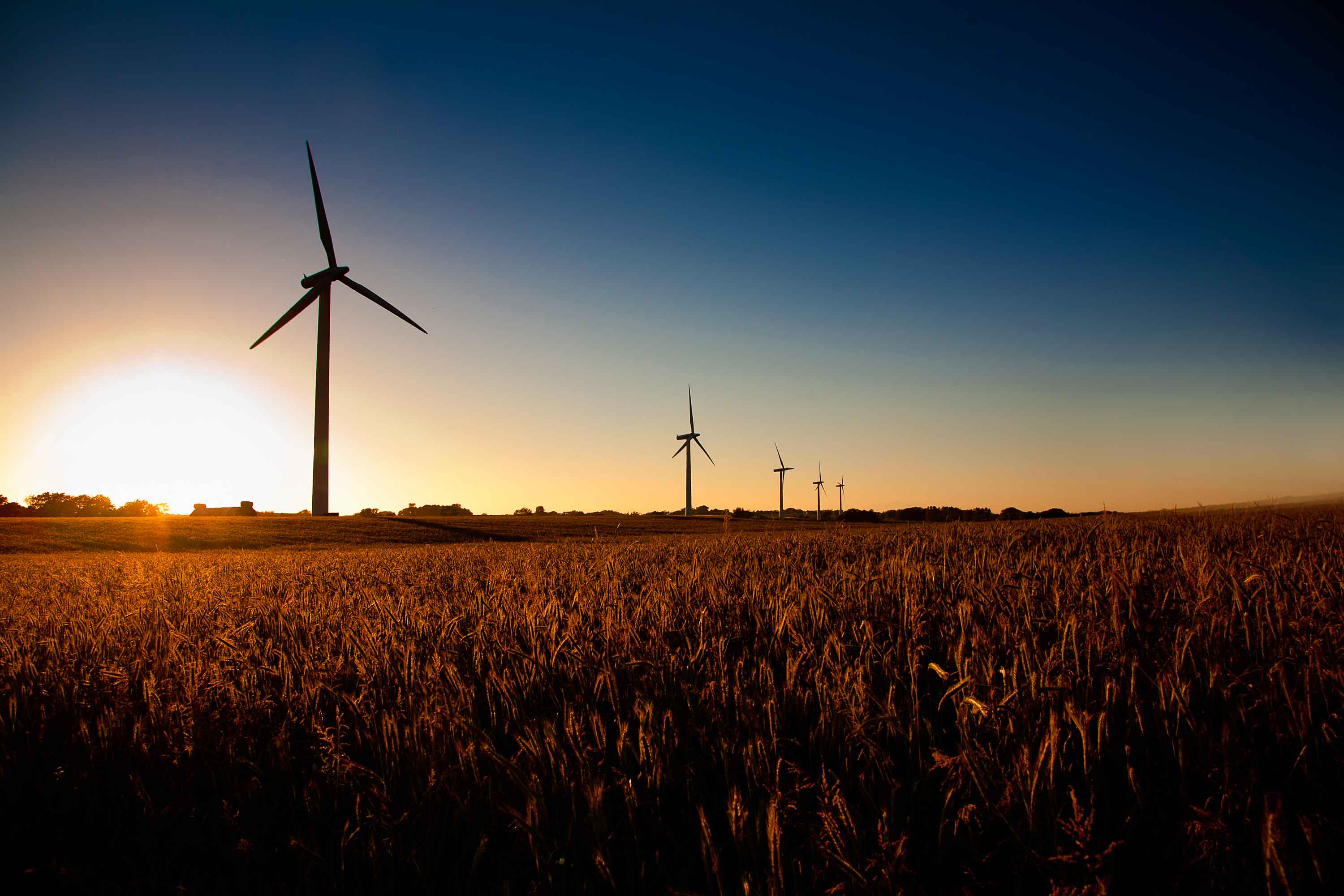
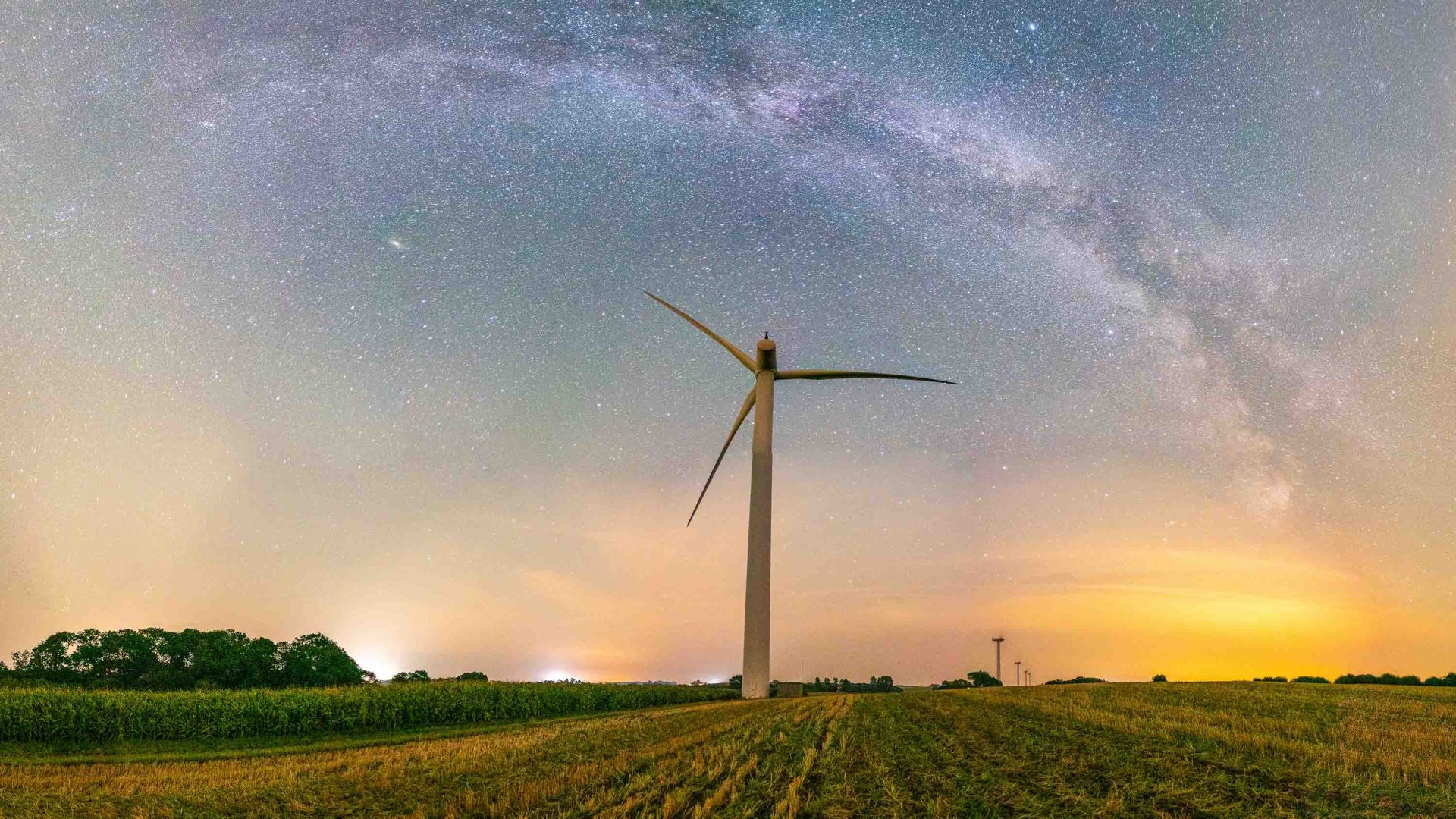
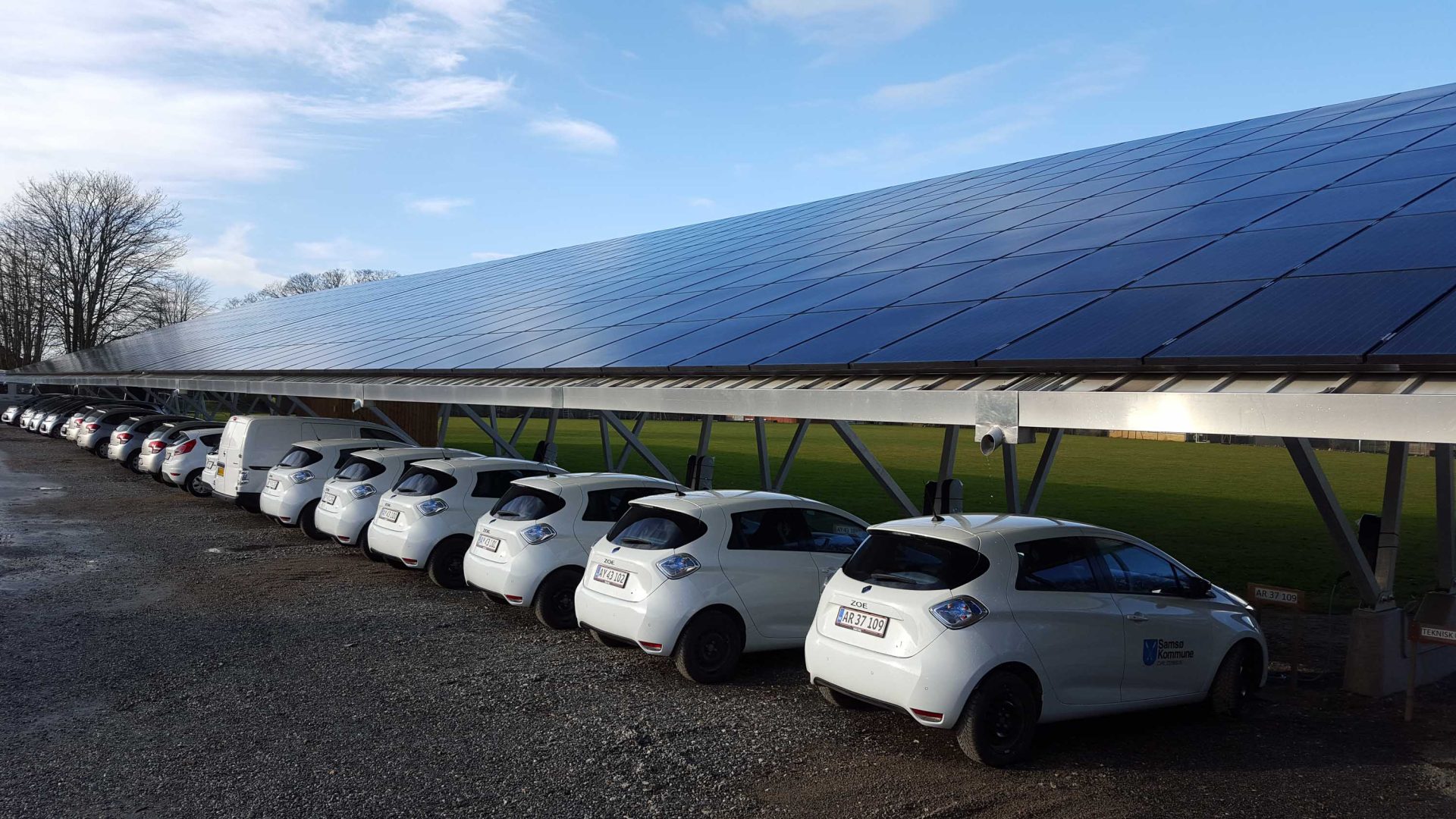
By cultivating strong community buy-in, the island financed and constructed a comprehensive decentralized energy network. This infrastructure eventually comprised 21 wind turbines—10 offshore and 11 on land—funded through a combination of municipal investments, local resident cooperatives, and individual stakes. In addition to wind power, the island integrated approximately 50 photovoltaic solar installations and district heating plants powered by agricultural biomass, specifically straw purchased directly from local farmers. Excess electricity generated by the island’s wind and solar assets is fed back into the national grid, generating steady financial returns for the resident investors.
The Economic and Demographic Renaissance
Samsø’s transition to renewable energy catalyzed a profound demographic and economic revitalization across the island. Historically vulnerable to an aging population and outward migration of young workers, the municipality experienced a reversed demographic trend. Younger residents chose to remain or return, while professionals, researchers, and students arrived to engage with sustainability initiatives.
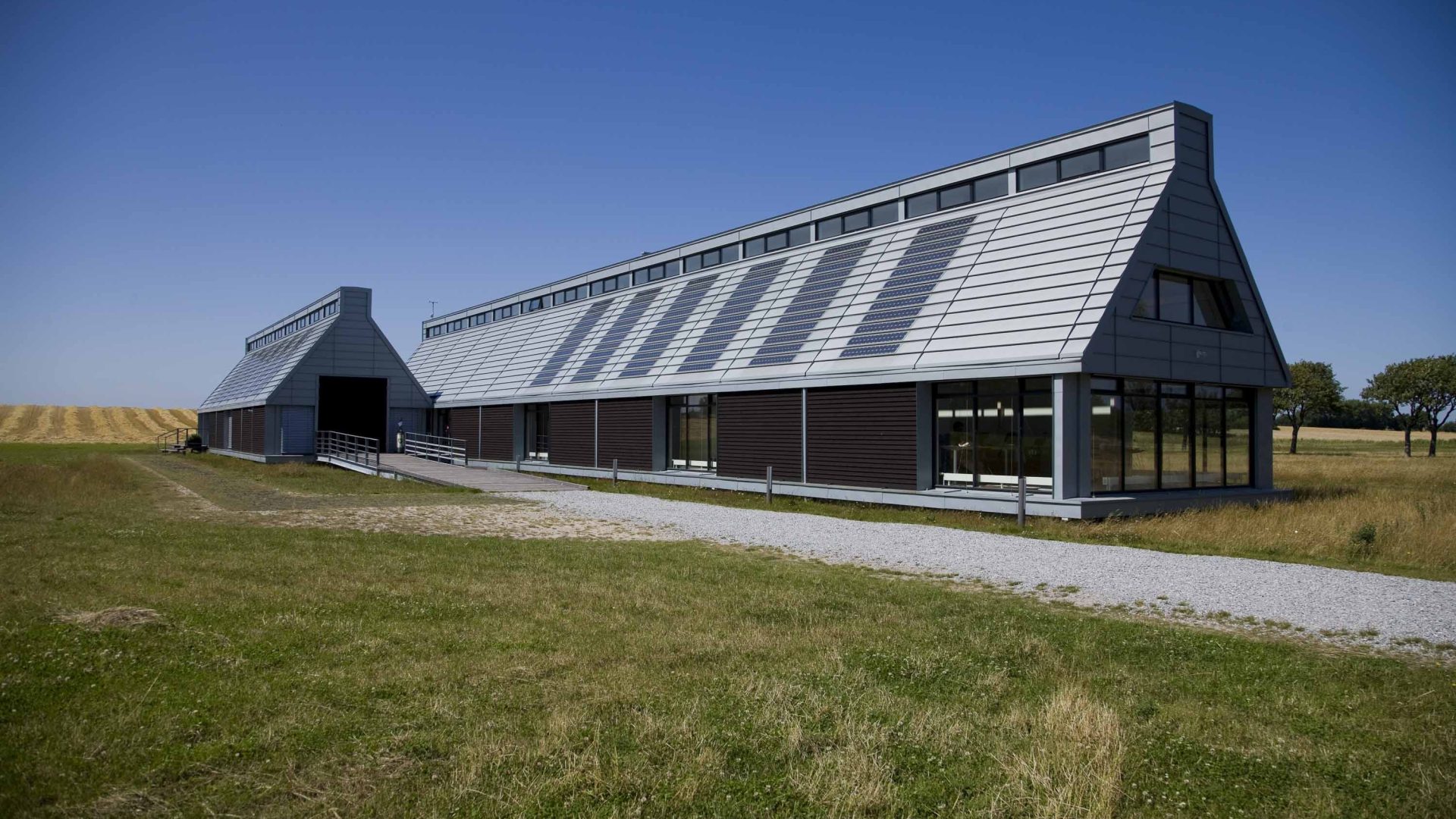
At the center of this educational and outreach effort is the Samsø Energy Academy, established in 2007. Designed with architectural lines reminiscent of traditional Viking longhouses, the Academy functions as a prominent research, education, and conference center dedicated to renewable energy and sustainable development. It hosts international delegations, scientists, and policymakers eager to study how a small island community achieved structural energy independence.
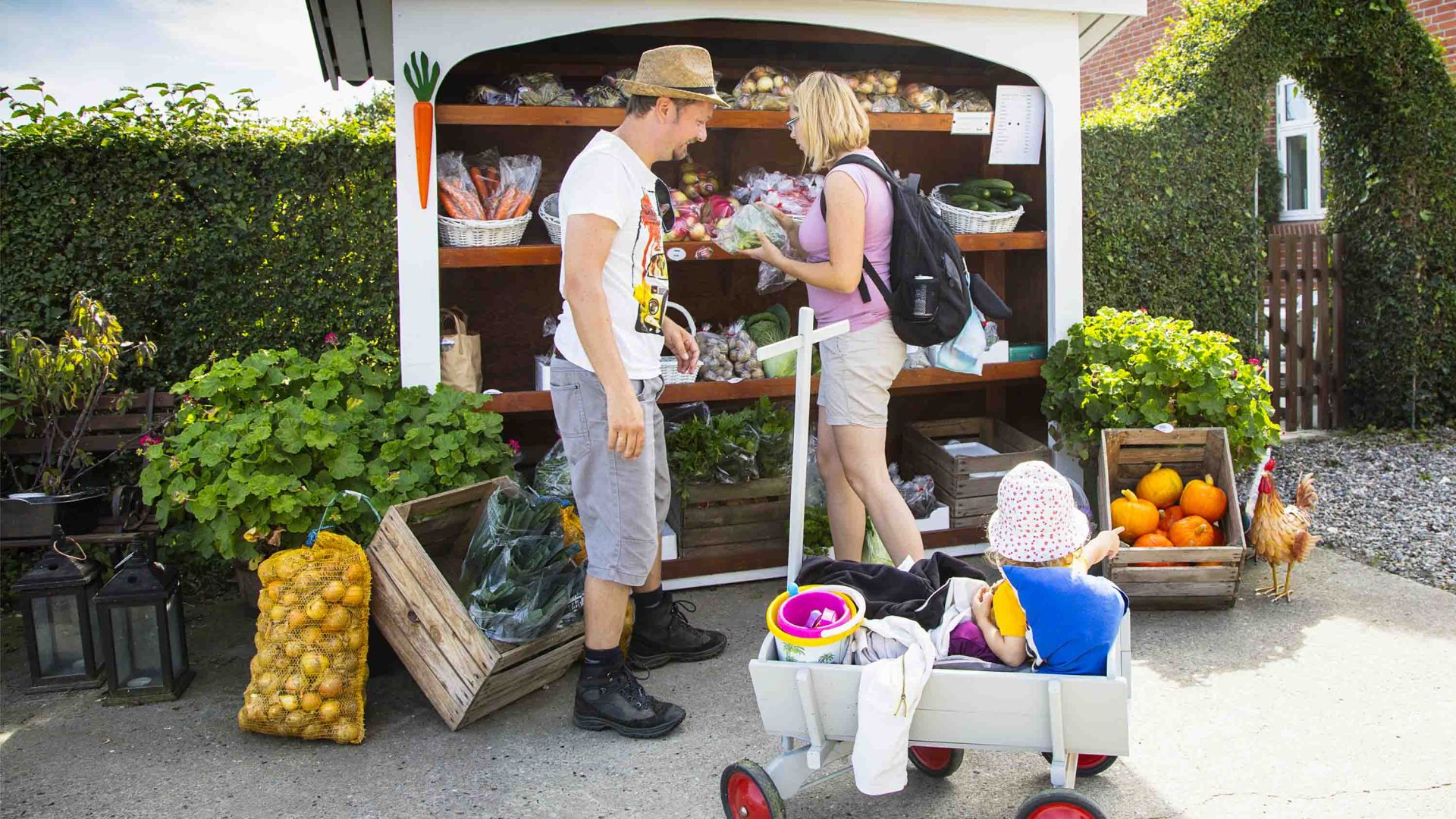
Furthermore, the green transition fostered local entrepreneurship. Known geographically as "The Pantry of Denmark" due to its rich agricultural output—including a potato crop traditionally reserved in part for the Danish Royal Family—Samsø saw a surge in local food production and zero-food-mile initiatives. Cafés, grocery stores, and independent farm shops transitioned from stocking imported goods to offering locally manufactured jams, juices, rapeseed oils, and artisanal spirits. This localized economic model minimized carbon footprints associated with supply chains while reinforcing community identity.
Reversing the Legacy of Stone-Fishing
While Samsø achieved monumental success in terrestrial carbon reduction and renewable energy generation, its surrounding marine environments faced severe ecological degradation stemming from industrial practices of the 20th century. Between 1900 and 2000, approximately 9.15 million tons (8.3 million cubic meters) of stone—equivalent in volume to roughly eight Empire State Buildings—were harvested from Danish seabeds through a practice known as stone-fishing.
Rocks were systematically removed from coastal waters to supply construction materials for harbors, foundations, and seawalls. This extraction destroyed natural rocky reefs, which serve as essential habitats, spawning grounds, and protective shelters for fish, algae, and benthic organisms. Long-term residents noted the immediate consequences of this habitat destruction. Michael Kristensen, a native fisherman and resident of Samsø, recalled that while it was once possible to fish successfully straight from the local beaches during his youth, marine populations steadily collapsed as the underwater rocky structures disappeared. Legislative bans finally outlawed stone-fishing in Denmark in 2010.
The Implementation and Mechanics of BARREEF
Recognizing the urgent need to restore degraded marine ecosystems, Danish environmental agencies and researchers began establishing artificial stone reefs along the country’s coastline. This movement aligned with Denmark’s legally binding national commitment to achieve carbon neutrality by 2050, an ambitious target requiring the country to absorb more greenhouse gases than it emits.
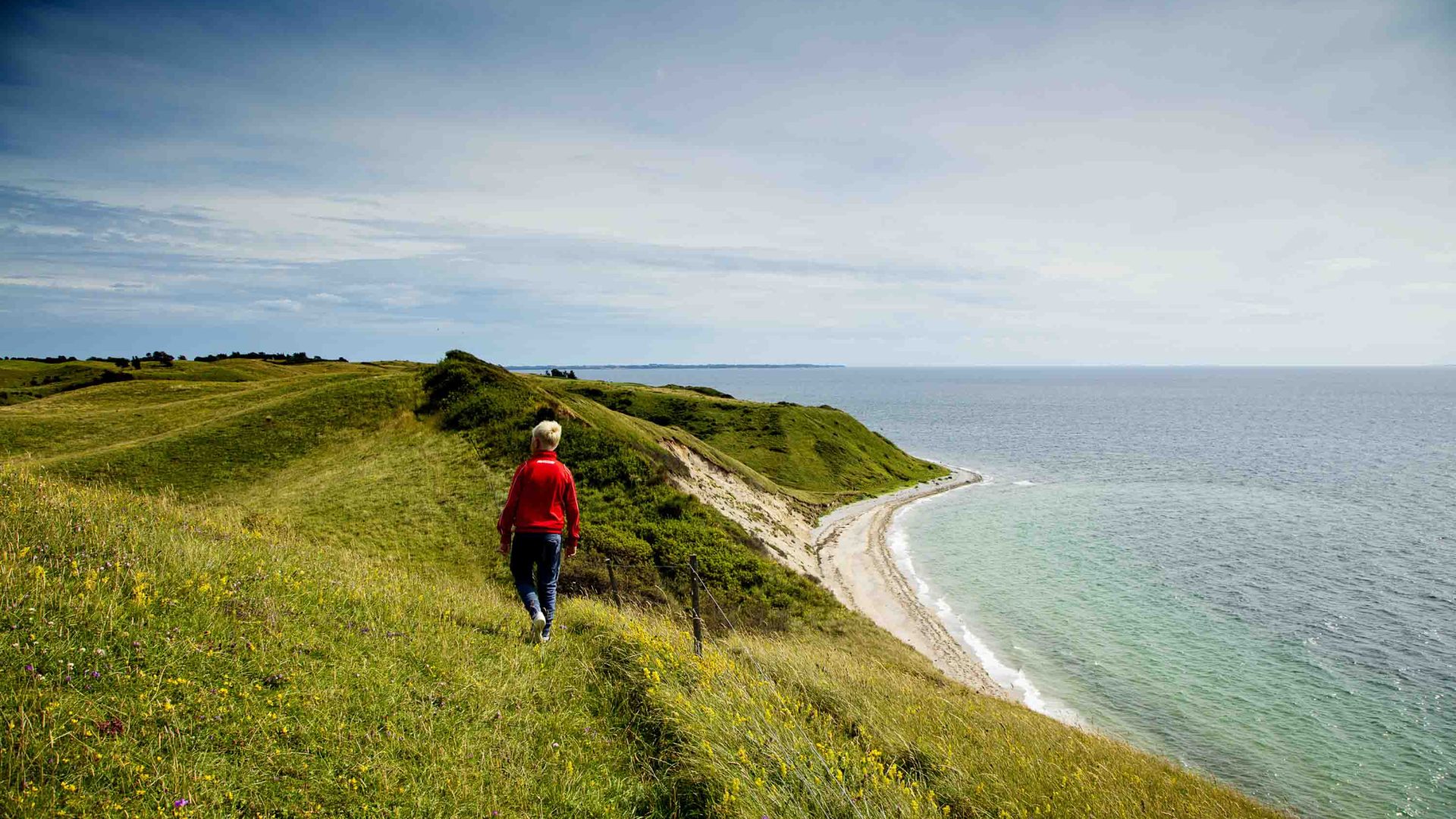
Off Samsø’s southeastern coast near the harbor village of Ballen, a groundbreaking restoration initiative known as BARREEF was established. Spearheaded through collaboration between local stakeholders, municipal authorities, and scientific institutions such as DTU Aqua (National Institute of Aquatic Resources), the project aimed to fulfill three primary objectives: mitigating coastal erosion along vulnerable gravel roads battered by storm waves, reinstating complex marine habitats, and fostering the growth of vital seagrass meadows in the protected waters between the reef and the shoreline.
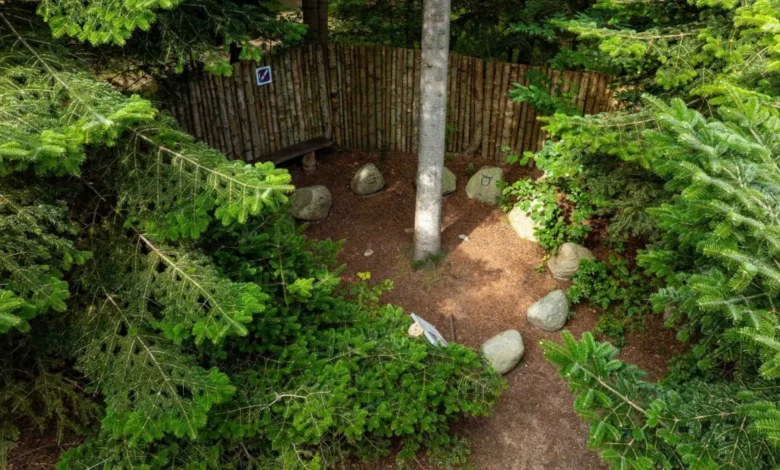
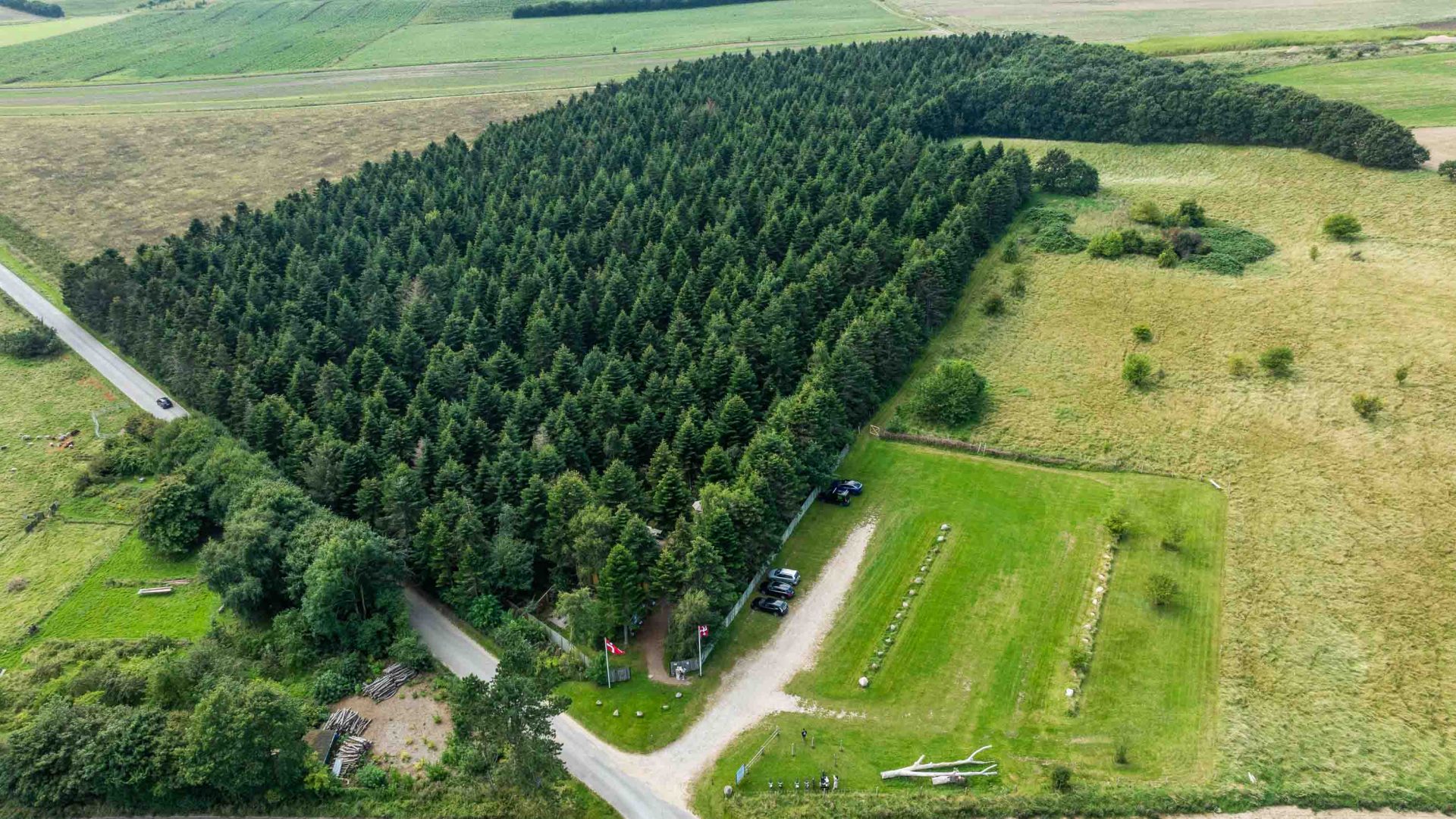
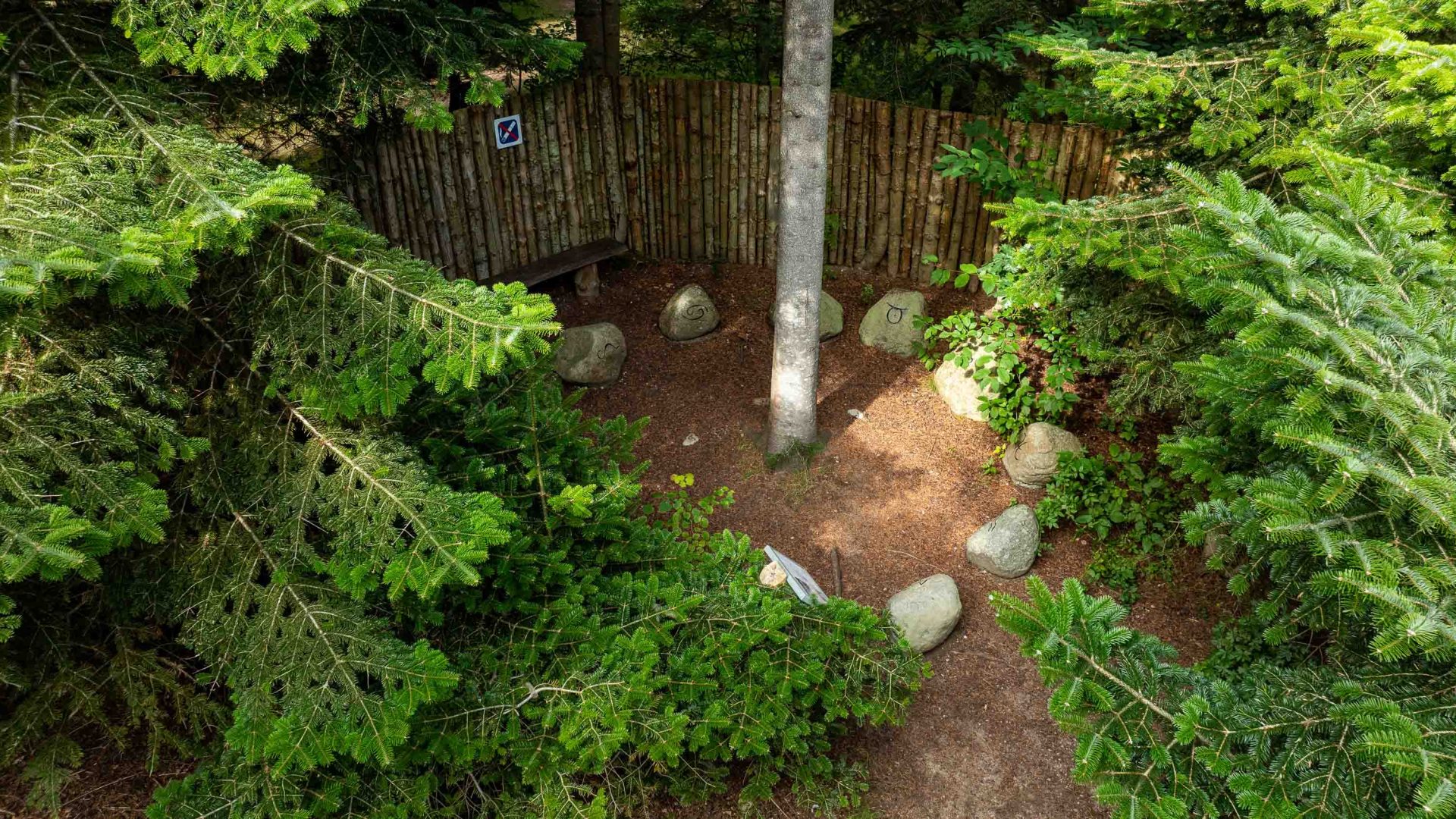
Constructed using 6,000 tonnes of granite waste imported from Norwegian quarries, BARREEF was submerged to recreate the cavernous hard surfaces necessary for marine flora and fauna to colonize. Unlike terrestrial tourist attractions like Samsø’s famous 15-acre tree-maze—The Labyrinten, which absorbs up to 1,250 metric tons of CO2 annually—BARREEF was designed strictly as a conservation sanctuary, with boating prohibited in its immediate environs to protect recovering ecosystems.
Broader Implications and Scientific Analysis
Marine biologists monitoring the site have utilized underwater cameras to track ecological recovery. Preliminary data indicate promising results, with documented growth of foundational algae and the return of native fish species, including goby and wrasse.
Beyond acting as physical nurseries for marine life, rocky reefs contribute significantly to carbon sequestration. Submerged hard structures facilitate biochemical processes where bicarbonate ions from seawater combine with calcium to form solid skeletal structures, locking carbon away indefinitely. Cécilie Erichsen Kudsk, a marine biologist with DTU Aqua, notes that virtually any stable submerged hard structure—including the submerged foundations of offshore wind turbines—can fulfill this ecological function, expanding the potential for dual-purpose marine infrastructure in renewable energy sectors.
The replication of Samsø’s holistic approach offers critical insights for global climate policy. The island demonstrates that successful environmental transitions require a combination of binding legislative frameworks, decentralized technical innovation, rigorous scientific monitoring, and deep-seated community consensus. By bridging terrestrial renewable energy independence with marine habitat restoration, Samsø continues to serve as a living laboratory for sustainable development worldwide.