Six Essential Books for the Modern Outdoorsman Explore Indigenous Stewardship, Ecological History, and Wilderness Survival


The contemporary literary landscape concerning the natural world is undergoing a profound transformation, moving away from solitary accounts of conquest and mastery toward complex narratives of stewardship, ecological interconnectedness, and historical reckoning. In the latest installment of its curated reading recommendations, Adventure Journal 42 highlights six distinct literary works that challenge readers to rethink humanity’s relationship with the environment. Spanning Indigenous land management, the overlooked ecological significance of wetlands, the bittersweet legacy of American national parks, an elegy for a disappearing reindeer-herding culture, a forgotten sixteenth-century survival epic, and an ambitious arboreal lens on human philosophy, these books offer a comprehensive survey of modern environmental thought.
The Power of Indigenous Land Stewardship
At the forefront of this literary shift is photojournalist Kiliii Yūyan’s Guardians of Life, published by Braided River in 2026. The volume arrives at a critical juncture in global environmental policy, bringing visual and empirical weight to the argument that Indigenous communities are the world’s most effective conservationists.
The historical context of this stewardship is rooted in hard-fought legal battles. In 1977, the International Whaling Commission imposed a ban on bowhead whale hunting by the Iñupiat people of Alaska, abruptly criminalizing a sustainable subsistence practice with thousands of years of tradition behind it. Rather than accepting the restriction quietly, the Iñupiat took the matter to court, successfully asserting their right to manage the species. Under Indigenous oversight, the bowhead whale population tripled over the course of three decades, demonstrating a masterclass in ecological management that outpaced federal interventions.
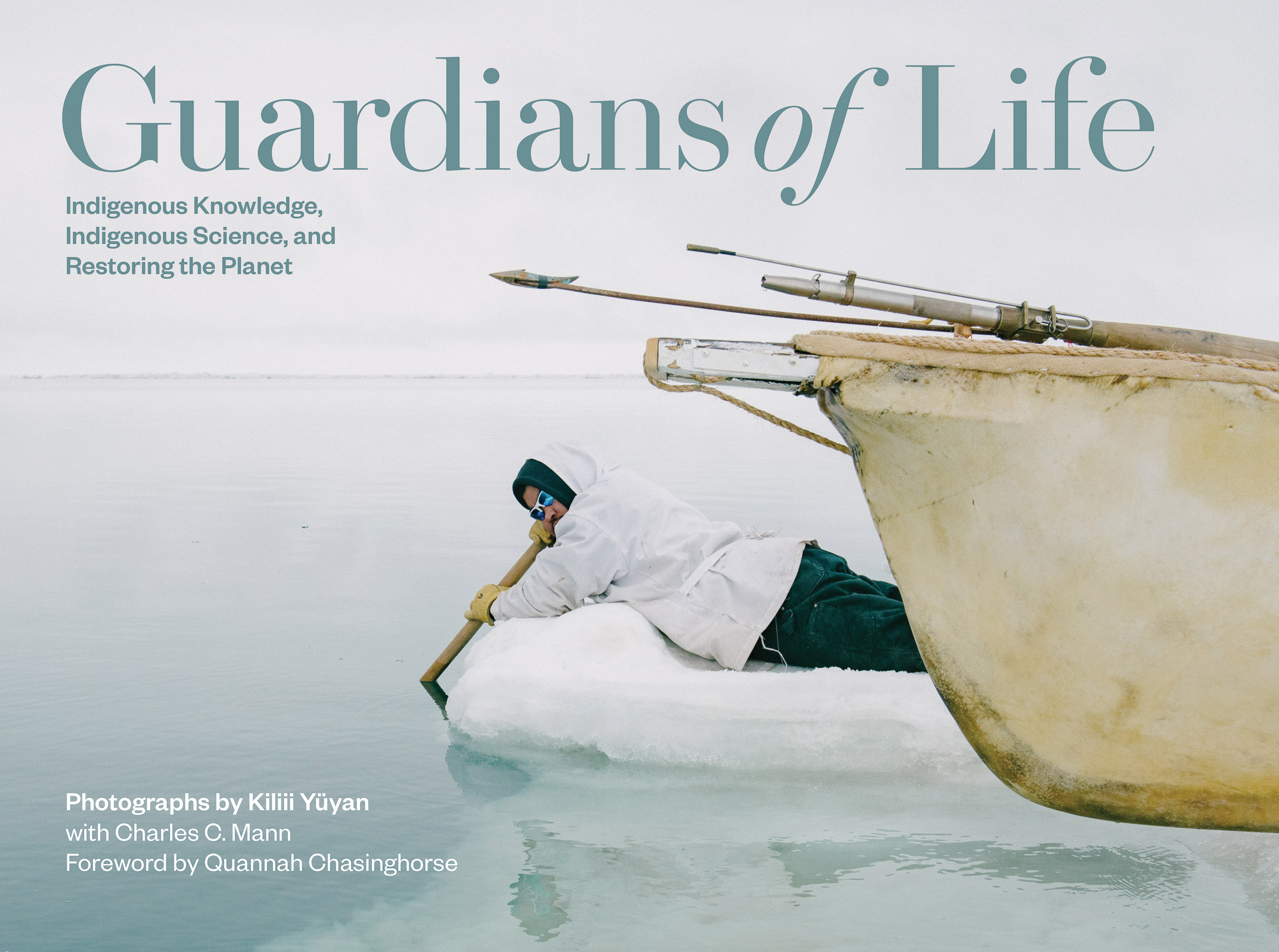
Global data underscores this local success. According to findings highlighted in Yūyan’s work, Indigenous territories currently comprise approximately 37 percent of all remaining natural lands on Earth. More critically, these same lands harbor roughly 80 percent of the planet’s remaining biodiversity. Through nearly 200 photographs captured across nine distinct Native communities, Yūyan documents a mode of human existence intimately calibrated to traditional territories. Rather than viewing humans as separate from nature, the imagery posits that ecosystem health depends entirely on reciprocal relationships between communities and the living landscape. Statistical data provides the framework, but Yūyan’s visual documentation delivers an undeniable emotional and ethical imperative for shifting conservation authority back to Indigenous populations.
Reclaiming the Ecological Value of Wetlands
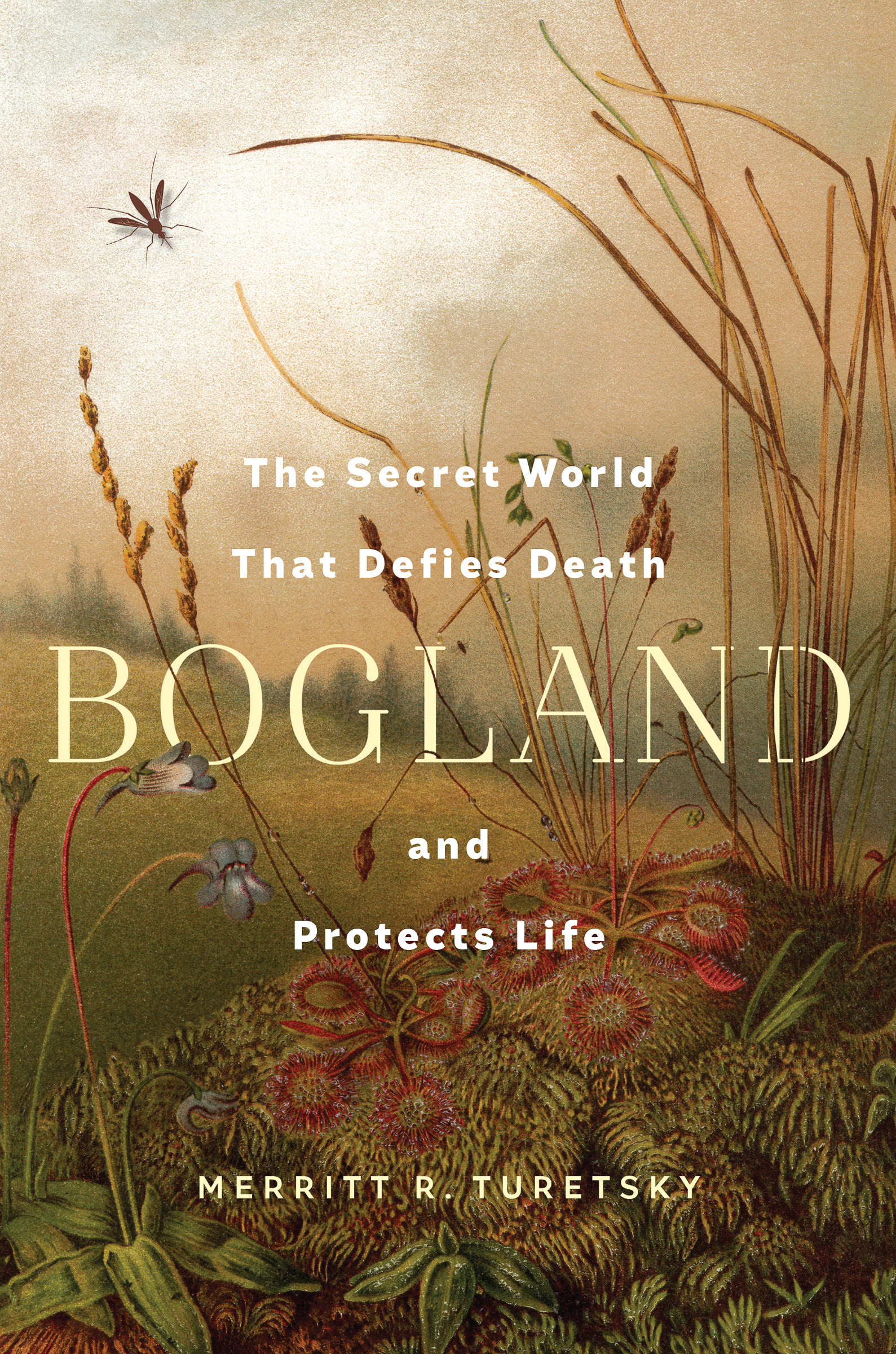
Moving from the high latitudes of the Arctic to the subterranean and waterlogged ecosystems of the world, Merritt R. Turetsky’s Bogland, published by WW Norton in 2026, mounts a vigorous defense of the planet’s most maligned landscapes. Historically viewed as wasteland—areas to be drained, filled, or avoided—bogs and peatlands are increasingly recognized by climate scientists as vital components of the global carbon cycle.
The scientific consensus detailed in Turetsky’s work is stark. While wetlands and peatlands cover only about three percent of the Earth’s terrestrial surface, they store an astounding 30 percent of the world’s soil carbon. However, this vast carbon sink is acutely vulnerable. Climate change, rising temperatures, thawing permafrost, and human-induced fires threaten to release centuries of sequestered carbon back into the atmosphere, potentially triggering catastrophic feedback loops.
Beyond the macro-level climate science, Bogland succeeds by grounding its data in human history and visceral field reporting. Turetsky examines the unique preservation qualities of bogs, highlighting discoveries such as Iron Age bog bodies recovered with their final meals and skin remarkably intact, as well as the historical role of swamps as refuges for the hunted. By bringing readers directly into the muck, the book reframes wetlands not as obstacles to human progress, but as dynamic, liminal archives of environmental and cultural history.
A Critical Reckoning with American Conservation Icons
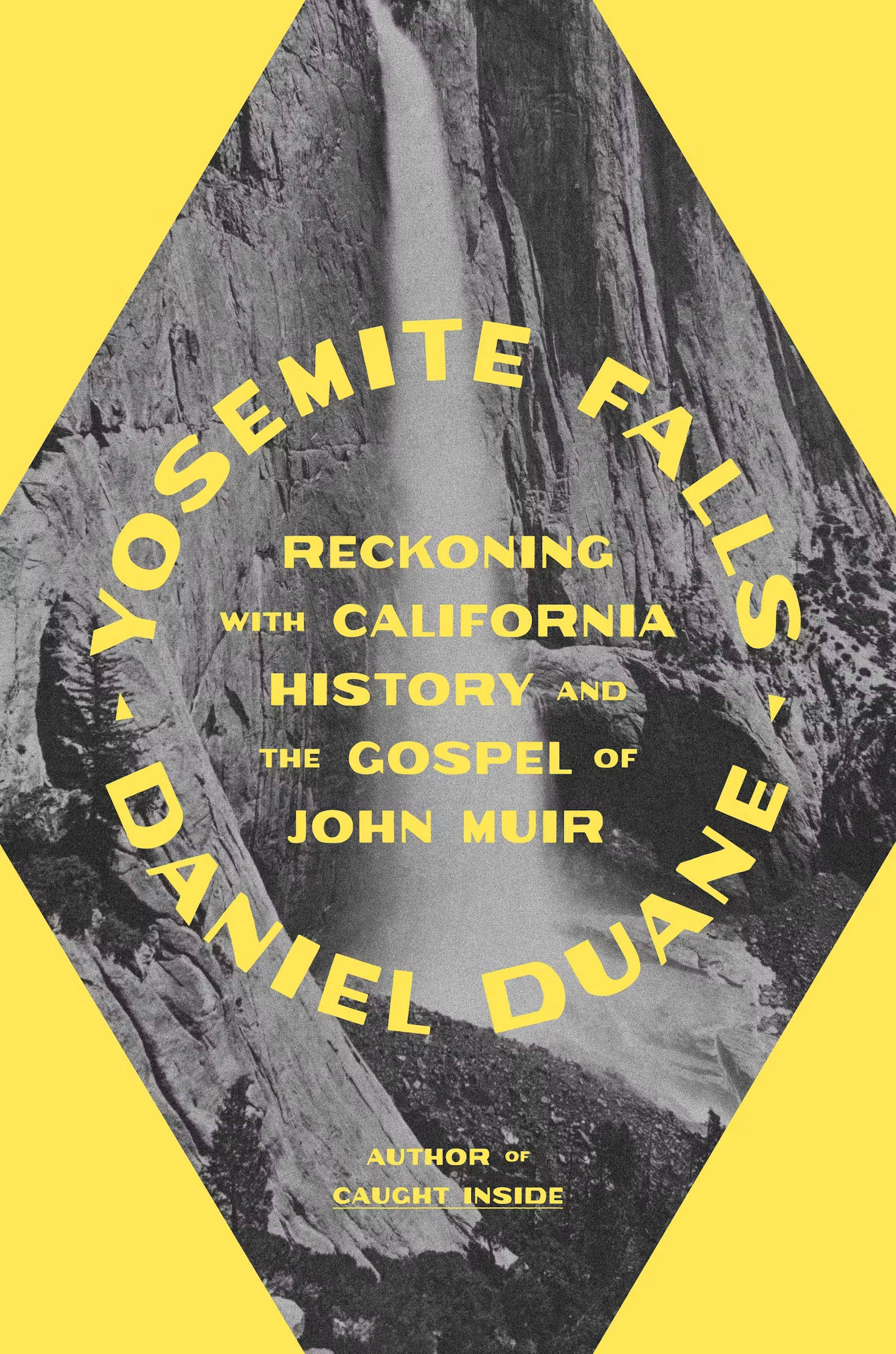
In Yosemite Falls (North Point Press, 2026), author Daniel Duane offers a deeply personal yet structurally critical examination of California’s Sierra Nevada, intertwining memoir with the darker historical realities of America’s national park system.
Duane’s narrative traces a boyhood spent immersed in the traditional mountaineering ethos popularized by John Muir—backpacking, skiing, and scaling granite monoliths under the formidable influence of an emotionally distant father. However, this romanticized upbringing is deliberately braided with a rigorous historical reckoning. The book confronts the darker chapters of Yosemite’s past, specifically the violent dispossession and systemic erasure of the Indigenous populations who originally inhabited and managed the valley, as well as the human flaws of celebrated conservation pioneers.
Significantly, Duane manages to critique the foundational myths of the conservation movement without abandoning his love for the landscape. He continues to climb the same granite walls, introducing his own daughters to the vertical world, while maintaining an unvarnished view of the park’s history. Eschewing a neat or tidy narrative resolution, Duane provides a model for modern outdoor enthusiasts: one can simultaneously cherish a wild place and hold it accountable to historical truth.
An Elegy for the Evenki Reindeer-Herders
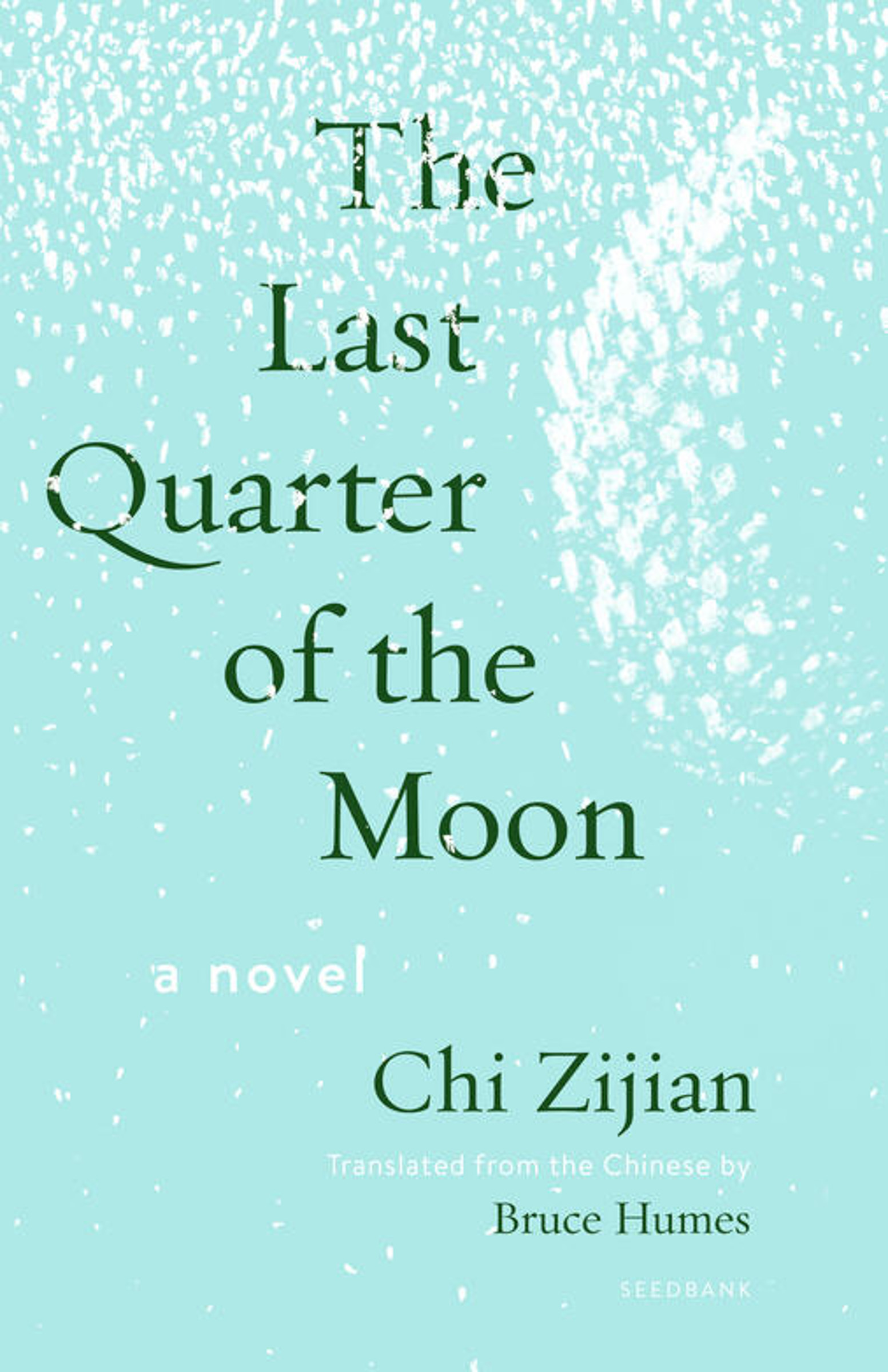
Translating the loss of traditional lifeways into narrative art, Chi Zijian’s novel The Last Quarter of the Moon (Milkweed Editions, 2026) captures a century of transformation for an Evenki reindeer-herding clan in northern China.
Structured around a single day in the life of a ninety-year-old Evenki woman—the widow of the clan’s final chieftain—the novel unfolds against a backdrop of sweeping modernization. As younger generations of her people board government-funded trucks to relocate to permanent settlements, the matriarch chooses to remain behind, offering her final testimony to the rain, the fire, and the fading light of the last-quarter moon.
Translated with immense grace by Bruce Humes, the novel immerses the reader in the specific cultural lexicon of the Evenki without relying on heavy-handed glossaries, trusting the audience to decipher terms like urireng, shirangju, and the soul concept of umai. The narrative’s stark, unembellished treatment of mortality mirrors the unyielding perspective of an elder who has witnessed the dissolution of a world. The result is a profound literary elegy for a pastoral culture displaced by the march of the state.
Survival and Resistance in the Sixteenth-Century Atlantic
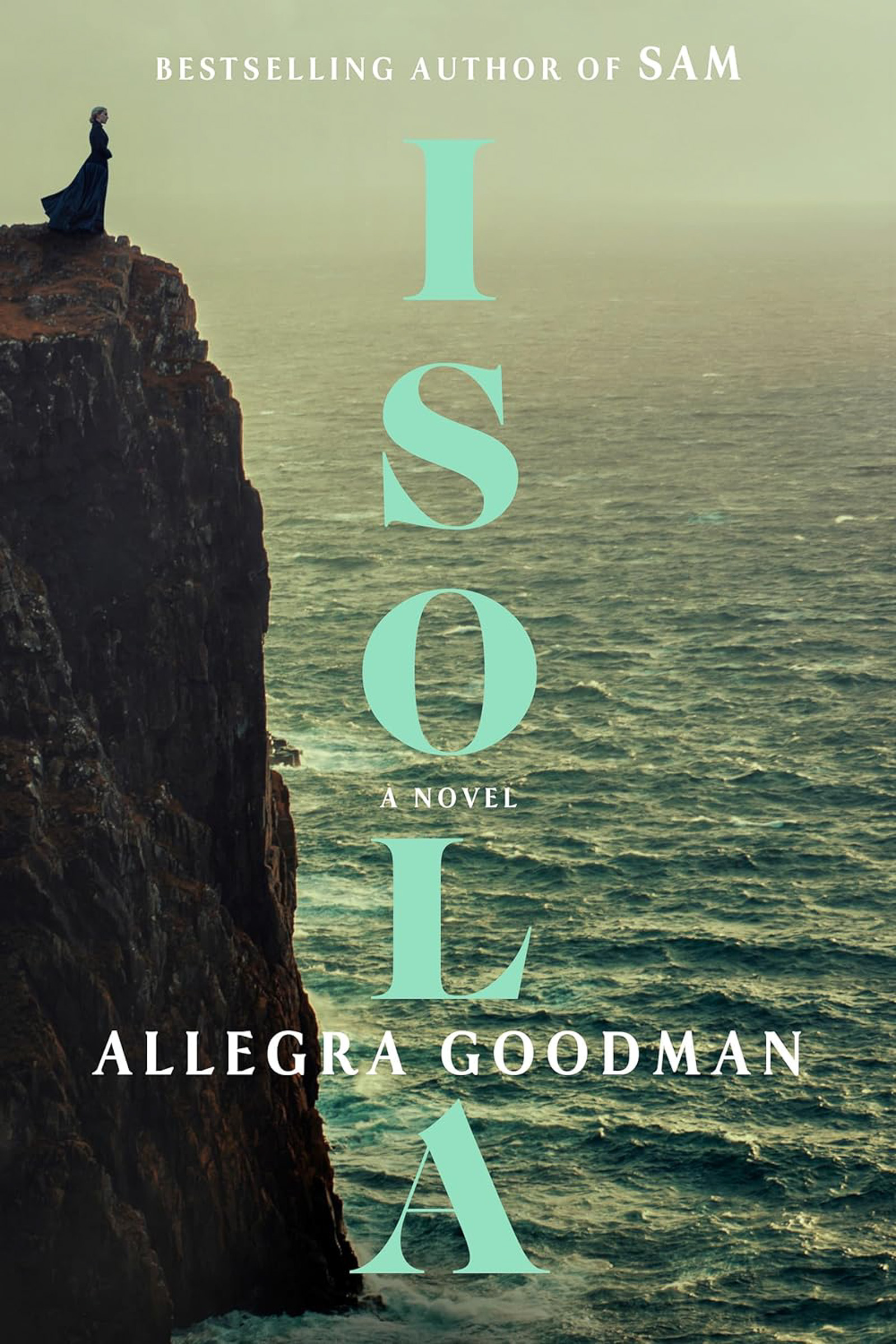
Shifting genres into historical adventure, Allegra Goodman’s novel Isola (Dial Press, 2025) reconstructs a forgotten episode of survival from the early sixteenth century. Based on historical accounts, the narrative follows Marguerite de la Rocque de Roberval, an orphaned French noblewoman whose protector and cousin systematically strips her of her inheritance and attempts to force her into marriage.
Following her forced embarkation on a colonial voyage to the Gulf of Saint Lawrence, Marguerite finds solace in a forbidden romance with a shipmate. In retaliation, her cousin maroons the pair on a desolate, freezing island off the coast of Canada. Over the course of grueling winters, the couple must battle the elements, starvation, and encounters with polar bears—culminating in harrowing, direct survival confrontations. Beyond its merits as a relentless adventure yarn, Goodman’s novel functions as a biting critique of the rigid class and gender constraints that defined early modern European society, rescuing a remarkable tale of female resilience from historical obscurity.
The Arboreal Metaphor in Modern Philosophy
Concluding this survey of contemporary environmental literature is Robert Moor’s In Trees (Simon & Schuster, 2026). Following his acclaimed debut On Trails, Moor turns his biological inquiry toward the arboreal world, advocating for what he terms "treethinking"—a mode of perception defined by slow growth, branching structures, deep roots, and an expansive temporal horizon.
Moor’s investigative reporting is staggering in its geographic and intellectual scope. To test the limits of the arboreal metaphor, he scales a giant sequoia alongside renowned broadcaster David Attenborough, examines classical bonsai cultivation in Japan, constructs and sleeps within a chimpanzee nest in Tanzania, and traces archival records relating to his own family’s history of slaveholding in Alabama.
While Moor applies the concept of "arborescence" to a wide array of human and natural phenomena—including neural structures, evolutionary biology, racial history, and grief—the metaphor occasionally strains under the weight of its universal application. Nevertheless, the sheer ambition and intellectual generosity of the project cement its status as a significant contribution to contemporary nature writing.
Broader Implications for Environmental Literature
Taken together, these six works reflect a maturation of outdoor and environmental literature. Rather than retreating into escapist fantasies of pristine wilderness, contemporary authors and photographers are increasingly confronting the intersecting realities of colonialism, climate change, ecological degradation, and cultural preservation.
As these titles demonstrate, the future of conservation discourse lies not in sealing off nature from humanity, but in re-establishing complex, ethical relationships with the landscapes we inhabit, study, and occasionally alter. Whether through the lens of Indigenous land rights, the quiet carbon storage of peat bogs, or the stubborn resilience of an aging matriarch watching her world change, these books provide essential navigation tools for an era of profound environmental transition.