Peruvian Mountaineers Missing on Huascarán Amid Severe Storm and Perilous Crevasses, Sparking Intensive Search and Rescue Efforts

Three experienced Peruvian mountaineers have been reported missing on Nevado Huascarán, Peru’s highest peak, since Monday, July 13, following a severe storm during their descent. The trio, identified as Alejandro Ugarte Jordan, Freddy Saul Mendoza Lizana, and their guide, Artidoro Salas Gaitan, lost contact with their expedition partners and the outside world after encountering treacherous conditions near the summit. The incident has triggered a complex and increasingly urgent search and rescue operation in one of the world’s most challenging high-altitude environments, drawing national attention and international concern.
Chronology of a Disappearance: The Ill-Fated Expedition
The expedition, which initially comprised five climbers including two Czech nationals, began its ascent on Saturday, July 11. Their objective was the formidable 6,768-meter summit of Nevado Huascarán, a majestic yet perilous peak within the Cordillera Blanca range. The ascent reportedly proceeded as planned, with the team either reaching the summit or nearing it by the time of their descent. However, the situation dramatically deteriorated during their return journey.
On Monday, July 13, as the group began its descent, a severe storm engulfed the mountain, drastically reducing visibility and making navigation exceptionally difficult. The two foreign climbers, moving at a faster pace, managed to advance ahead of the Peruvian trio. It was during this critical phase that Ugarte, Mendoza, and Salas Gaitan lost their way, becoming separated from their companions. Communication ceased shortly thereafter, plunging their families and the mountaineering community into anxious uncertainty.
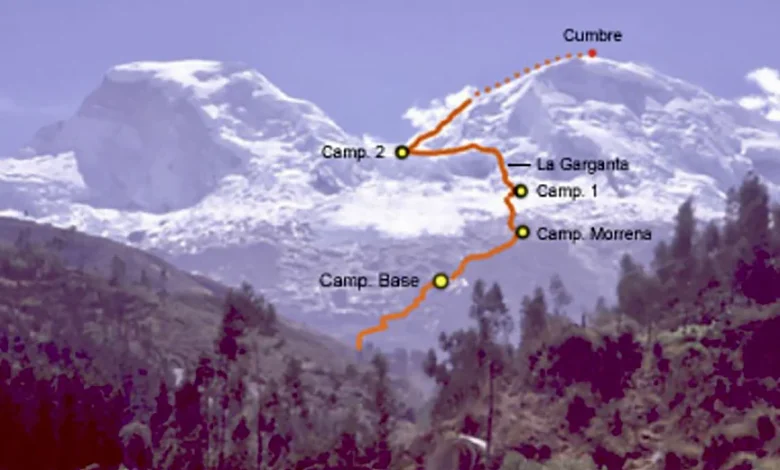
A final, chilling satellite WhatsApp notification, simply reading "perdidos" (lost), was received by Ugarte’s girlfriend, Paola Chiappina, between 9 and 10 AM on July 14. This desperate message, coupled with the last transmitted coordinates from a Garmin GPS smartwatch worn by Ugarte, provided a critical, albeit grim, last known location. The device pinpointed their position at approximately 6,400 meters, near an infamously dangerous section of the mountain known as La Garganta, before its battery or signal failed, severing all digital ties.
Intensifying Search and Rescue: Footprints and Crevasse Theories
In the immediate aftermath of the disappearance, a comprehensive search and rescue operation was launched. Teams from the Asociacion de Guias de Montana del Peru (AGMP), a highly respected organization comprising local high-altitude guides, mobilized swiftly. Led by Beto Pinto, these experienced rescuers have been working tirelessly against the clock and the formidable elements.
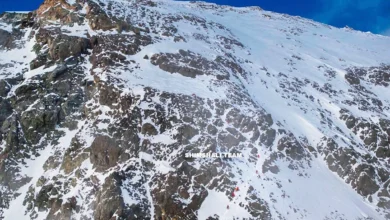
Initial drone searches proved instrumental in locating potential clues. During these aerial reconnaissance missions, footprints were detected at an altitude between 6,300 and 6,400 meters. Crucially, these footprints aligned with the last geolocation data transmitted by the missing climbers’ Garmin watch. The observed route, however, ended abruptly at two deep crevasses, presenting a terrifying scenario for the rescue teams. According to Pinto, the disheartening conclusion drawn from these findings is that the climbers are presumed to have fallen into these crevasses, estimated to be as deep as 100 meters. This finding drastically shifts the nature of the operation from a search for living individuals to a recovery mission, though hope, however faint, persists.
The challenges facing the rescue teams are immense. Huascarán’s extreme altitude, rapidly changing weather conditions, and the inherent dangers of glacial terrain make every step perilous. The high-altitude rescue teams are elite, but their resources are stretched. A Peruvian Air Force helicopter, deployed to assist, suffered a mechanical failure and became unserviceable at the Huascarán Refuge, located at 4,000 meters. This unfortunate incident eliminated the possibility of aerial support for transporting personnel or equipment directly to the critical search zone, forcing elite teams to undertake a grueling nine-hour ascent on foot to reach the 6,400-meter area.
Nevado Huascarán: A Majestic but Lethal Giant
Nevado Huascarán, the centerpiece of the Huascarán National Park and a UNESCO World Heritage site, is not only Peru’s highest peak but also the fourth highest in the Western Hemisphere. Its towering presence dominates the Cordillera Blanca, a stunning range of the Andes renowned for its dramatic glaciated peaks. While a magnet for experienced mountaineers worldwide, Huascarán is notorious for its extreme difficulty and inherent dangers.
The mountain presents a formidable array of challenges:
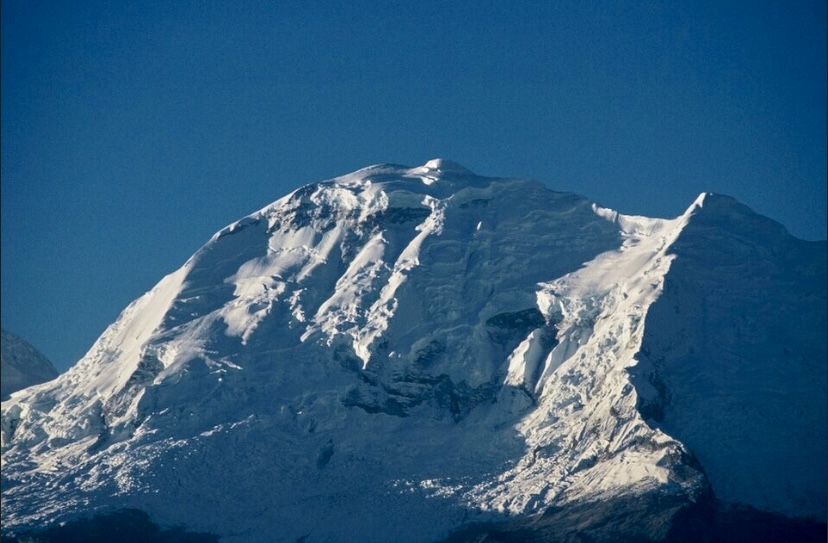
- Altitude: At 6,768 meters (22,205 feet), climbers are constantly battling the debilitating effects of high altitude, including acute mountain sickness (AMS), high-altitude pulmonary edema (HAPE), and high-altitude cerebral edema (HACE). Acclimatization is paramount but does not guarantee immunity.
- Weather: The Andean weather is notoriously unpredictable and can shift from clear skies to violent storms, blizzards, and whiteouts within hours, as tragically demonstrated in this incident. Extreme cold, high winds, and heavy snowfall are common.
- Glacial Terrain: Huascarán is heavily glaciated, featuring vast icefields, seracs (ice columns), and an intricate network of deep crevasses. These hidden fissures in the ice pose an ever-present threat, often concealed by fresh snowfall, making them invisible until it’s too late. The La Garganta section, where the climbers were last located, is particularly known for its extensive crevasse fields and steep ice.
- Avalanches: The mountain is prone to avalanches, especially during periods of unstable weather or warmer temperatures. The recent incident was further complicated by an unrelated avalanche on Thursday, striking another climbing group at 5,600 meters, killing a local porter and injuring two others. This second tragedy further strained already exhausted rescue resources and underscored the heightened instability of the mountain.
The standard route up Huascarán, often referred to as the "normal route" via La Garganta, is a demanding undertaking, typically requiring several days of climbing and careful navigation through complex glacial terrain. Even experienced climbers with expert guides face significant risks.
The Broader Context: Climbing in the Cordillera Blanca
The Cordillera Blanca is a world-renowned mountaineering destination, attracting thousands of climbers annually. The region’s economy heavily relies on adventure tourism, with local guides, porters, and agencies playing a crucial role. The AGMP (Asociacion de Guias de Montana del Peru) is central to this ecosystem, ensuring professional standards and often spearheading rescue efforts. These guides are not merely navigators; they are highly skilled mountaineers with intimate knowledge of the local terrain and weather patterns, often risking their lives to lead clients safely. The fact that one of the missing, Artidoro Salas Gaitan, is an experienced guide highlights the extreme nature of the conditions encountered.
Mountaineering in the Peruvian Andes, while breathtaking, has a history of accidents. The combination of high altitude, remote locations, and unpredictable weather means that rescue operations are inherently difficult and dangerous. The ability to deploy resources rapidly, especially air support, is often hampered by terrain and atmospheric conditions, making ground-based rescue the primary, albeit slower and more arduous, method.
Voices of Concern: Family Appeals and Community Support
The disappearance has sent shockwaves through the mountaineering community and deeply affected the families of the missing climbers. Peruvian actor Karina Jordan, a cousin of Alejandro Ugarte Jordan, along with her husband Diego Seyfarth, have become prominent voices in the appeal for assistance. They have leveraged their public platforms to call for donations of essential supplies and to urge for international rescue support. Their pleas underscore the growing desperation as each hour diminishes the slim hopes of survival in such extreme conditions.
Family members have also highlighted the personal tragedy, emphasizing the deep connections and experience of the missing men. Alejandro Ugarte Jordan and Freddy Saul Mendoza Lizana were reportedly passionate and skilled mountaineers, and Artidoro Salas Gaitan was a trusted and highly regarded guide. The outpouring of support from the local community and fellow climbers reflects the tight-knit nature of the mountaineering world, where such incidents are felt deeply by all.
Challenges of High-Altitude Rescue and Environmental Impacts
The complexities of the Huascarán rescue mission are multifaceted. Beyond the immediate logistical hurdles like the disabled helicopter and the need for foot-based ascent, several factors compound the difficulty:
- Time Sensitivity: In high-altitude, cold environments, survival time outside of shelter is measured in hours rather than days. Hypothermia, frostbite, and dehydration become critical threats.
- Equipment: Specialized equipment for crevasse rescue, including ropes, pulleys, and medical supplies, must be transported manually over challenging terrain.
- Human Endurance: Rescue teams themselves face extreme physical demands, operating at altitudes where oxygen levels are significantly reduced, leading to fatigue and increased risk of their own accidents.
- Changing Mountain Conditions: The report of "abnormal temperatures" contributing to unstable mountain conditions is particularly alarming. Climate change is increasingly impacting glacial environments worldwide, leading to accelerated ice melt, increased crevasse formation, and higher frequencies of rock and icefall, and avalanches. This makes historically "safe" routes more dangerous and unpredictable. The separate avalanche incident on Thursday serves as a stark reminder of this heightened environmental instability.
Implications for Mountaineering Safety in Peru
This incident will undoubtedly reignite discussions about mountaineering safety protocols in Peru. While local guides are highly trained, the inherent risks of climbing peaks like Huascarán remain. Potential implications include:
- Review of Regulations: Authorities might review existing regulations for expeditions, particularly concerning group sizes, mandatory equipment (e.g., satellite communication, personal locator beacons), and guide-to-client ratios in challenging conditions.
- Investment in Rescue Infrastructure: The mechanical failure of the Air Force helicopter highlights a need for more robust and reliable high-altitude rescue assets. Investment in specialized aircraft and advanced training for mountain rescue personnel could become a priority.
- Climate Change Awareness: The increasing unpredictability of mountain conditions due to climate change necessitates greater awareness and adaptation strategies for climbers and guides. This includes more dynamic route planning, enhanced weather forecasting, and potentially stricter advisories during periods of instability.
- Role of Technology: The use of GPS smartwatches and satellite communication, while offering a last lifeline, also underscores the need for robust battery life and perhaps redundant systems for such critical expeditions.
As the search continues, the mountaineering community and the nation hold their breath. The presumed fall into crevasses casts a long shadow over the operation, yet the dedication of the rescue teams remains unwavering. The tragic events on Huascarán serve as a somber reminder of the awesome power and unforgiving nature of the high mountains, even for the most experienced and well-prepared adventurers. The fate of Alejandro Ugarte Jordan, Freddy Saul Mendoza Lizana, and Artidoro Salas Gaitan remains tragically uncertain, but their story will undoubtedly resonate within the annals of Andean mountaineering.