Dutch Sailor Hendrick Hamel’s Daring Escape Unveils the Hermit Kingdom of Joseon Korea to the Western World After 13 Years of Captivity.

The 17th century marked an era of burgeoning global trade and exploration, yet vast swathes of the world remained veiled in mystery to European powers. Among these, the Korean Peninsula stood as a particularly enigmatic realm, often referred to as the "Hermit Kingdom." Its shores were largely inaccessible, and its policies of strict isolation meant that foreigners who, by ill fortune, landed there, rarely, if ever, departed. It was against this backdrop of geopolitical seclusion that Hendrick Hamel, a humble Dutch bookkeeper, found himself thrust into an extraordinary odyssey that would, upon his eventual escape, provide the first comprehensive Western account of Joseon Korea. His narrative, born of shipwreck, semi-captivity, and a desperate bid for freedom, irrevocably altered the Western world’s understanding of this distant East Asian nation.
A Dutch Mariner in the Age of Exploration
Born in 1630 in Gorinchem during the zenith of the Dutch Golden Age, Hendrick Hamel was a product of a nation defined by its maritime prowess and mercantile ambition. The Dutch Republic, a small but formidable European power, had established the Dutch East India Company (VOC – Vereenigde Oostindische Compagnie) in 1602. This commercial juggernaut, often considered the world’s first multinational corporation, dominated global trade routes from the Cape of Good Hope to the far reaches of Asia. The VOC maintained vast trading networks, military outposts, and a formidable fleet, employing thousands and offering opportunities for men like Hamel to seek fortune and adventure far from home. Hamel joined the VOC as a common sailor, steadily rising through the ranks to assistant and eventually bookkeeper, a position of some responsibility that would prove crucial in documenting his unprecedented experiences.
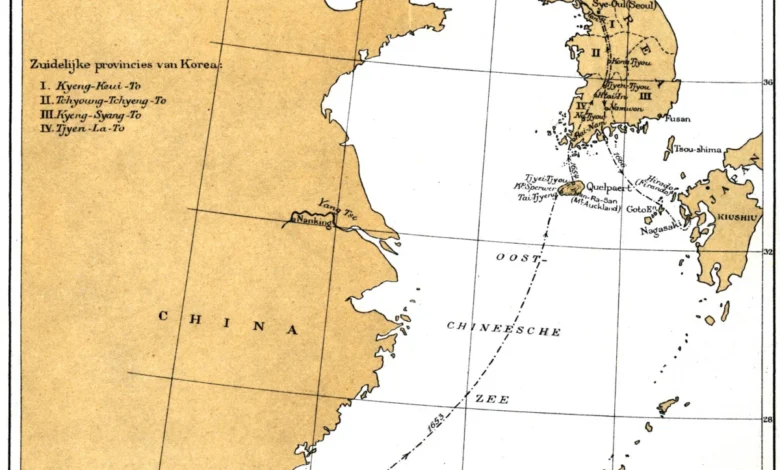
In the summer of 1653, Hamel was serving aboard the Sparrowhawk (Dutch: Sperwer), a VOC merchant vessel. The Sperwer had departed from the Dutch trading post on Formosa (modern-day Taiwan) in July, its destination the bustling port of Nagasaki, Japan – then the only Japanese port open to limited European trade under the Tokugawa Shogunate’s Sakoku (closed country) policy. The journey was intended to be routine, a vital link in the VOC’s lucrative East Asian trade network, transporting goods and personnel.
The Perilous Voyage and Devastating Shipwreck
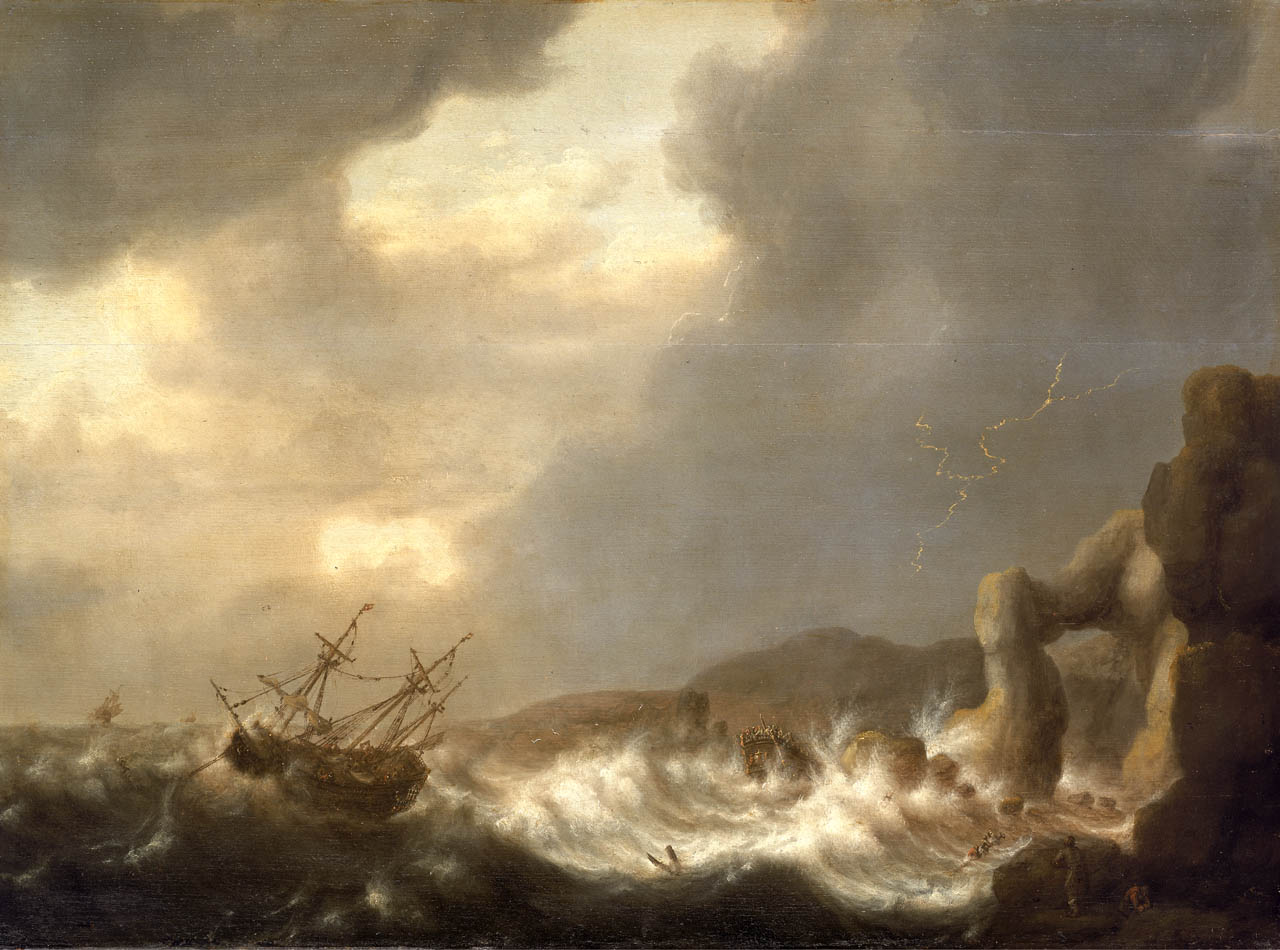
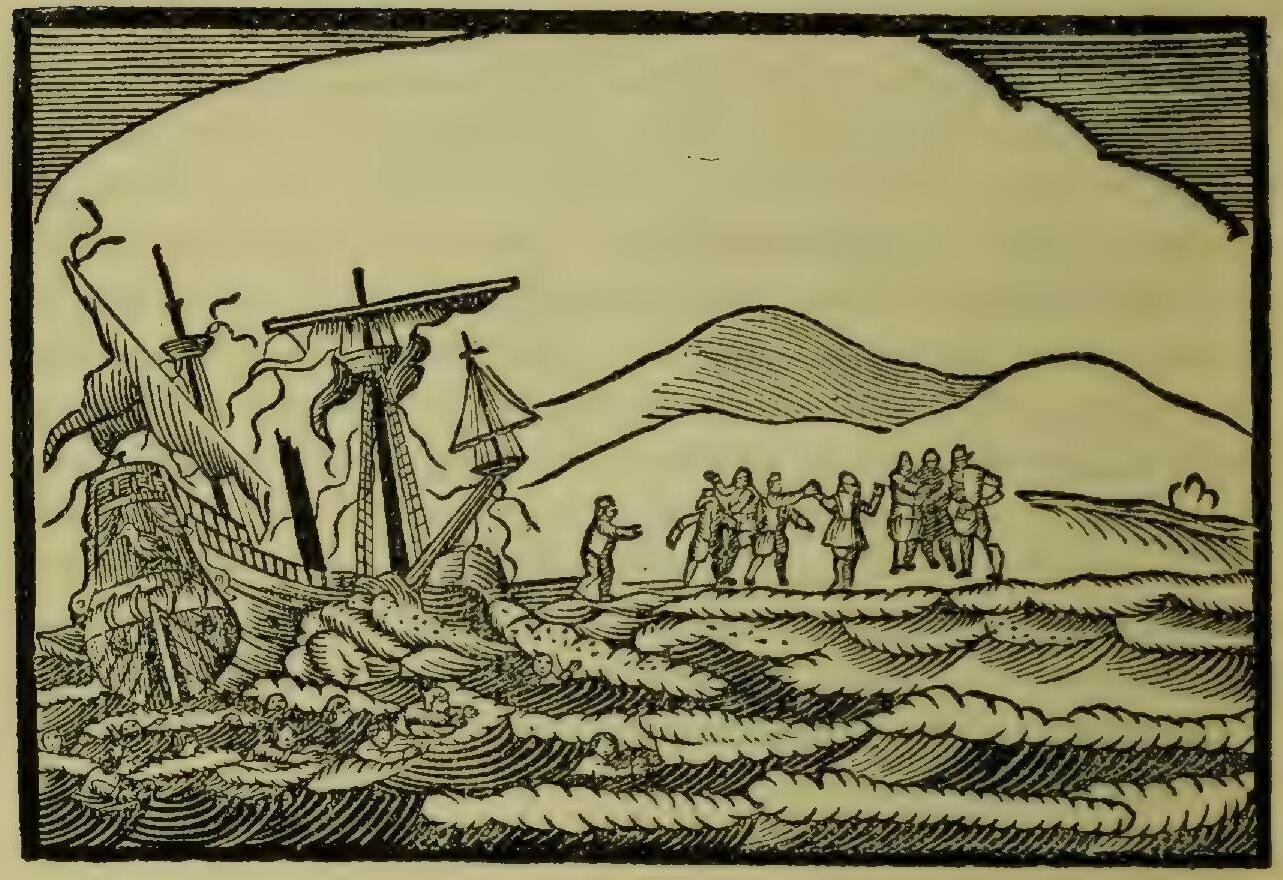
However, fate had other plans for the Sperwer and its crew. The voyage quickly devolved into a desperate struggle against the elements. The ship was repeatedly assailed by alternating periods of debilitating calm and violent storms, pushing it perilously close to the coast of China. By August 15, the battered vessel was caught in a cyclonic tempest that threatened to tear it apart. The ship began to take on water at an alarming rate, losing vital equipment including one of its small boats, the bowsprit, and a significant portion of its stern gallery. The crew, under immense pressure, battled valiantly to repair the ship, but the relentless storm proved too powerful. In a desperate bid to prevent the ship from capsizing, they were forced to cut away the mainmast, leaving the Sperwer an ungovernable hulk, adrift and at the mercy of the raging seas.
Amidst the chaos and despair, a cry from the lookout pierced the storm: "Land!" This sudden sighting offered a flicker of hope, yet it also signaled impending disaster. The tumultuous waters made anchoring impossible, and the ship was rapidly disintegrating. With no other option, some men plunged into the churning sea, while others were simply swept overboard by the monstrous waves. Of the 64 men who had set sail from Taiwan, only 36 managed to cling to life and struggle ashore when the storm finally abated. The captain was lost, the Sperwer reduced to splinters, and the survivors found themselves marooned, with little food or supplies beyond a few salvaged cases.
First Contact and the Joseon Kingdom’s Isolation
The dawn of August 16, 1653, revealed a desolate scene. The survivors, a mere fraction of the original crew, regrouped on the unfamiliar shore, taking stock of their dire situation. Their initial attempts to seek help were met with apprehension. A lone figure glimpsed in the distance fled upon seeing them. Later, a trio of men appeared, only to disappear before any communication could be attempted. As evening fell, a larger group, perhaps a hundred armed men with muskets and bows, arrived, surrounding the shipwrecked Europeans from a cautious distance. Unsure how to proceed, and exhausted from their ordeal, the Dutchmen reportedly "shrugged" and settled down for the night.
The following morning, the situation escalated. Several thousand local Koreans, clearly organized, converged on the site. The Dutch survivors, attempting diplomacy, sent their remaining officers to negotiate. Predictably, the language barrier proved insurmountable. The Korean leader, however, recognizing the pitiful state of the castaways, demonstrated remarkable compassion. He ordered food and drink for the starving men and dispatched his own people to salvage what they could from the wreck. From their makeshift shelter, Hamel and his companions watched as the Koreans meticulously stripped the Sperwer of its contents, documented every item, and then ritually burned the wooden remains – a clear indication of a society governed by strict procedures, even for unexpected foreign arrivals.
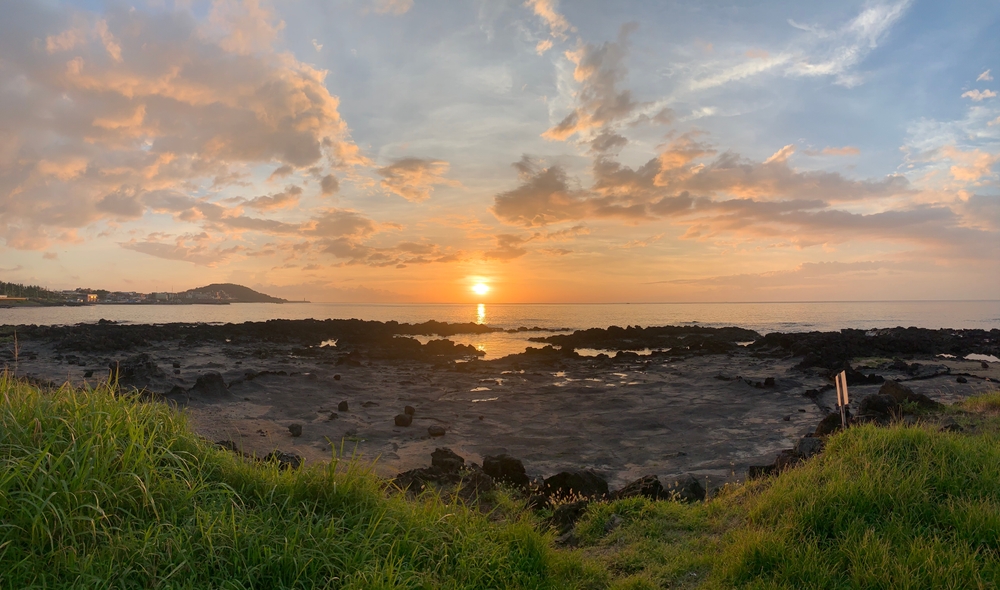
The chief navigator, using what limited instruments and knowledge they possessed, identified their location as Quelpaert Island, now universally known as Jeju Island. This volcanic island, with its rugged coastlines and unique culture, was part of the Joseon Kingdom, a dynastic state that had ruled Korea for centuries. At the time of Hamel’s arrival, Joseon was under the reign of King Hyojong, a monarch deeply committed to maintaining his kingdom’s strict isolationist policies. The Joseon court viewed foreign contact with deep suspicion, largely due to a history of devastating invasions, including the Imjin War (1592-1598) with Japan and two Manchu invasions (1627, 1636-1637) from China, which had instilled a profound desire for self-preservation and minimal external entanglements. The official policy, reinforced by these traumatic experiences, dictated that any foreigners who entered Korea were not permitted to leave, a measure intended to prevent the leakage of sensitive information and to maintain social and political stability.
The Korean commander, faced with the unprecedented administrative burden of 36 European castaways, decided to move them inland. Hamel noted that despite their captivity, they were well-fed and their injured were cared for. They were eventually brought to "Moggan" (likely Mokgan, a historical administrative center on Jeju), where they were presented before the island’s governor. It was here that the castaways encountered an astonishing sight: an older white man, sporting a bushy red beard, seated beside the governor. This man, speaking their own language, would reveal a tale even more incredible than their own.
The Precedent: Jan Janse de Weltevree, a Dutchman in Joseon
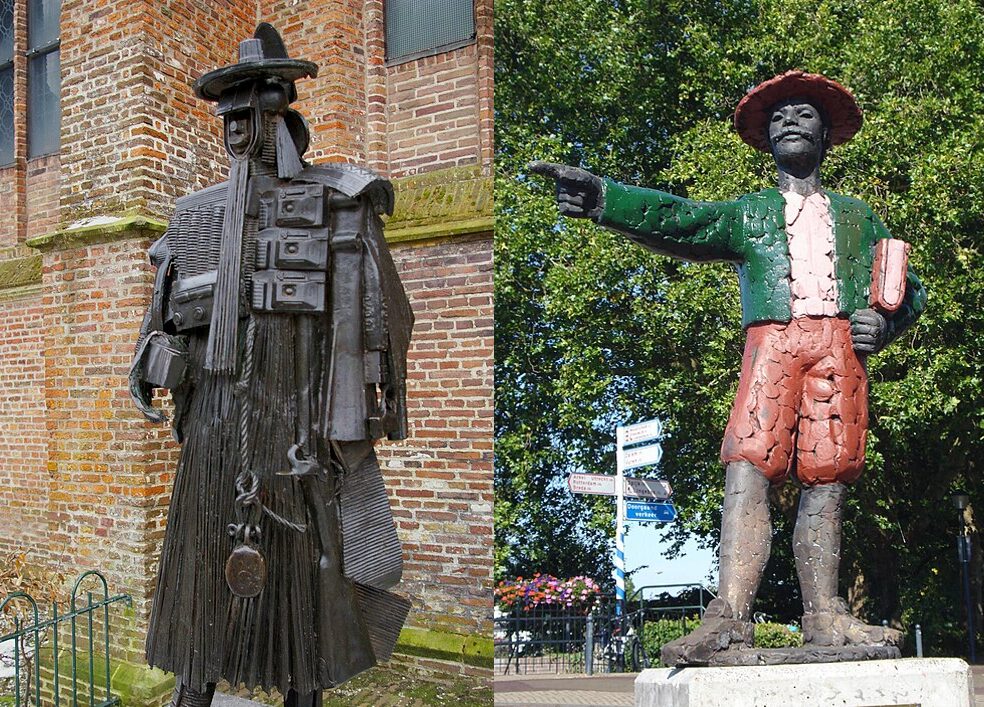
The bearded Dutchman introduced himself as Jan Janse de Weltevree, born in Holland in 1595. His story provided a chilling precedent for Hamel and his men. Weltevree had arrived in Korea 27 years prior, in 1627, under eerily similar circumstances. He had sailed from Batavia (modern-day Jakarta) on the Ouwerkerck, which, after capturing a Chinese junk, was driven by fierce winds onto the coast of a Korean island. Weltevree and two shipmates, Dirk Gijsbertsz and Jan Verbaest, had gone ashore to fetch water, only to be immediately apprehended by locals and handed over to authorities.
Korean historical records corroborate Weltevree’s account, detailing how Joseon officials, unsure how to handle these unexpected Europeans, contacted Japanese authorities. However, the Japanese, themselves committed to a policy of Sakoku, showed no interest in taking custody of the Dutchmen. Consequently, Weltevree and his companions were transported to Seoul, the Joseon capital. There, they were put to work, likely under duress, in the manufacture of artillery – a critical military technology, especially given Joseon’s recent conflicts and the need to bolster defenses against external threats.
Weltevree’s life took a dramatic turn during the second Manchu invasion in 1636, when the Chinese Qing dynasty launched a full-scale assault on Joseon. All three Dutchmen served in the Korean military, a testament to their integration and the kingdom’s pragmatic use of their skills. Tragically, Gijsbertsz and Verbaest perished in battle. Weltevree, however, survived and continued to adapt to his new life. He was given the Korean name Pak Yon, married a Korean woman, had children, and even passed the rigorous civil service examination to become a government official. Despite his repeated pleas to the governor for permission to leave, he was consistently denied. By the time he met Hamel, Pak Yon had made peace with his fate, embracing his life in Korea and seemingly abandoning any hope of returning to his homeland. His presence served as a stark, living embodiment of Joseon’s unyielding foreign policy and the remarkable capacity for human adaptation.
Years of Semi-Captivity: From Jeju to the Royal Court
Pak Yon’s narrative confirmed the fears of Hamel and his men: they too would likely spend the remainder of their lives in Korea, cared for but never free to leave. This prospect was deeply unsettling. Their conditions on Jeju Island soon deteriorated further when a new governor arrived and drastically reduced their rations to mere barley meal and water. This hardship spurred them to plot their first escape attempt. They located an unattended boat, and five men managed to sneak out and take possession of it. However, their efforts to launch the vessel were spotted, leading to their recapture and a severe beating for the escapees, a clear demonstration of the consequences of challenging Joseon law.
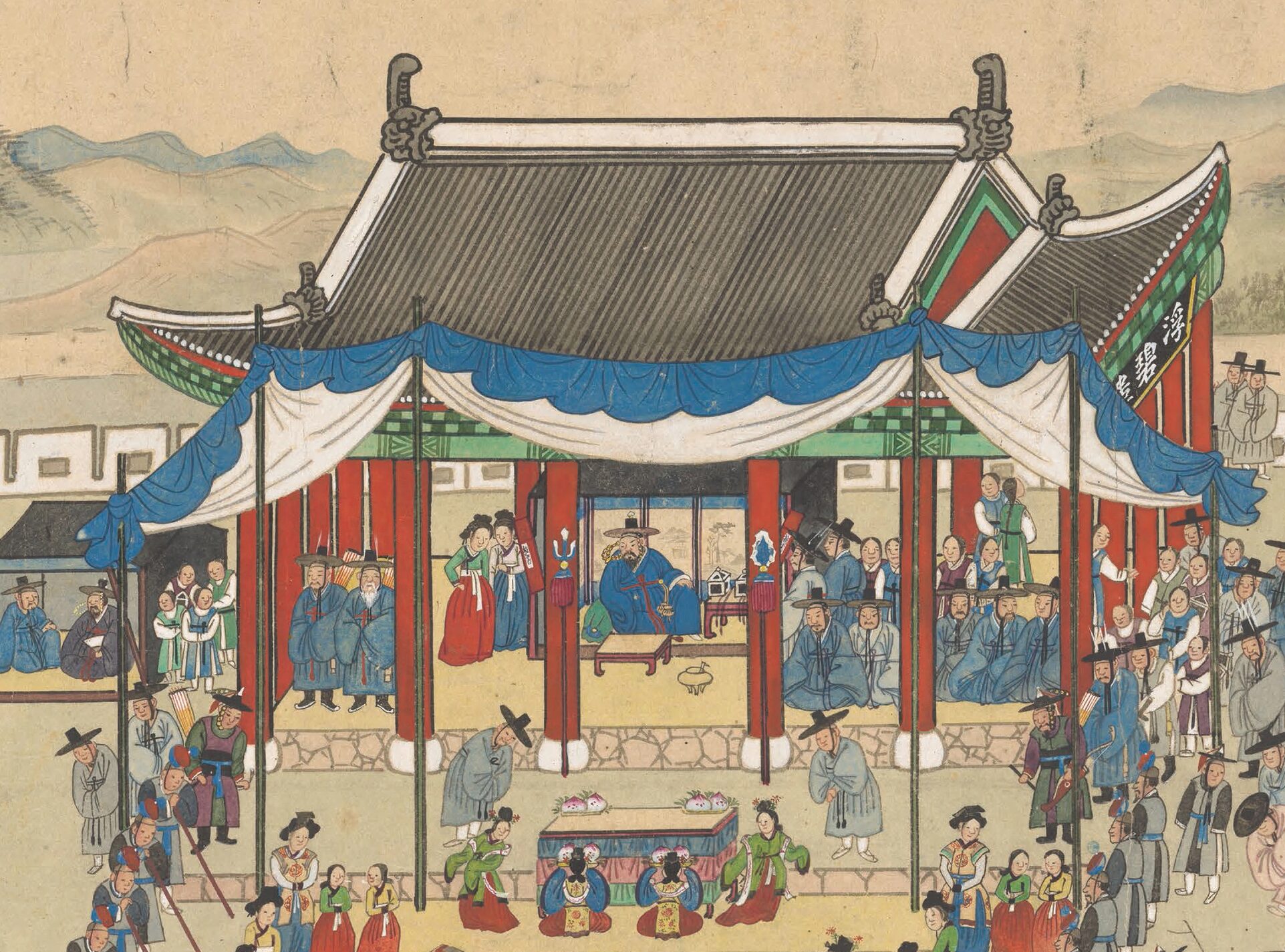
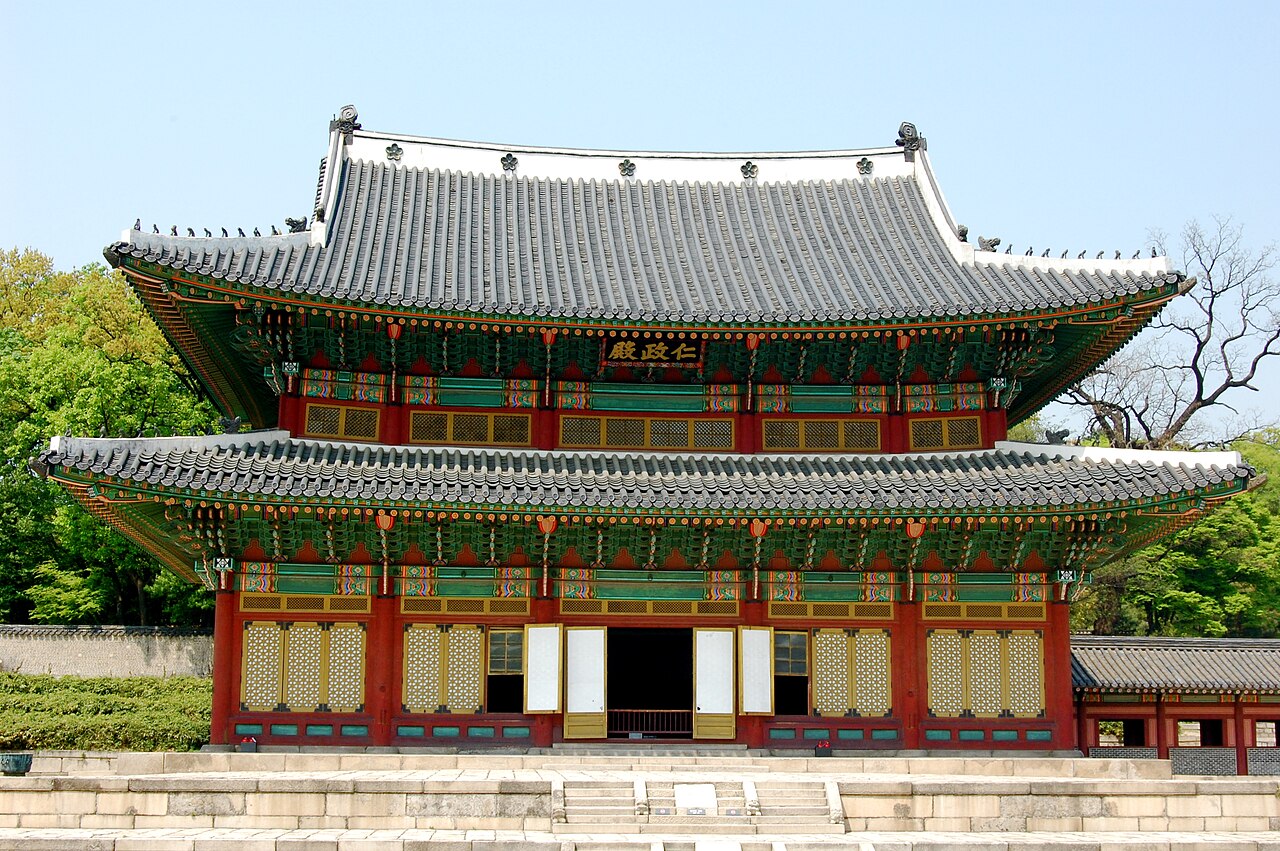
While the injured men were recovering, a royal summons arrived, ordering the castaways to the mainland. A short sea journey brought them to the Korean peninsula, from where they were escorted inland to the imperial court in Seoul. Here, Hamel and his companions found themselves in the presence of King Hyojong himself, with Pak Yon serving as interpreter. They presented their desperate plea to be allowed to return to the Dutch trading post in Nagasaki. King Hyojong, however, reiterated the unyielding law: "Law and custom," he declared, "did not allow foreigners to leave once they had entered." He assured them that all their needs would be met. The audience then took an unexpected turn as the king, perhaps curious about European customs, requested the sailors to dance and perform Dutch songs for his amusement. Their performance must have been well-received, as the king bestowed upon them gifts of cloth to fashion Korean-style clothing.
Following this audience, the men were enlisted into the king’s personal guard, a position that came with a salary, official papers, and the provision of tutors to instruct them in the Korean language and customs. This period offered Hamel and his crew an unprecedented glimpse into Joseon society. From humble sailors, they became objects of great curiosity, frequently dining with prominent officials and even entertaining the children of the elite with their foreign dances and songs. Despite these privileges and the relative comfort, the yearning for freedom remained potent.
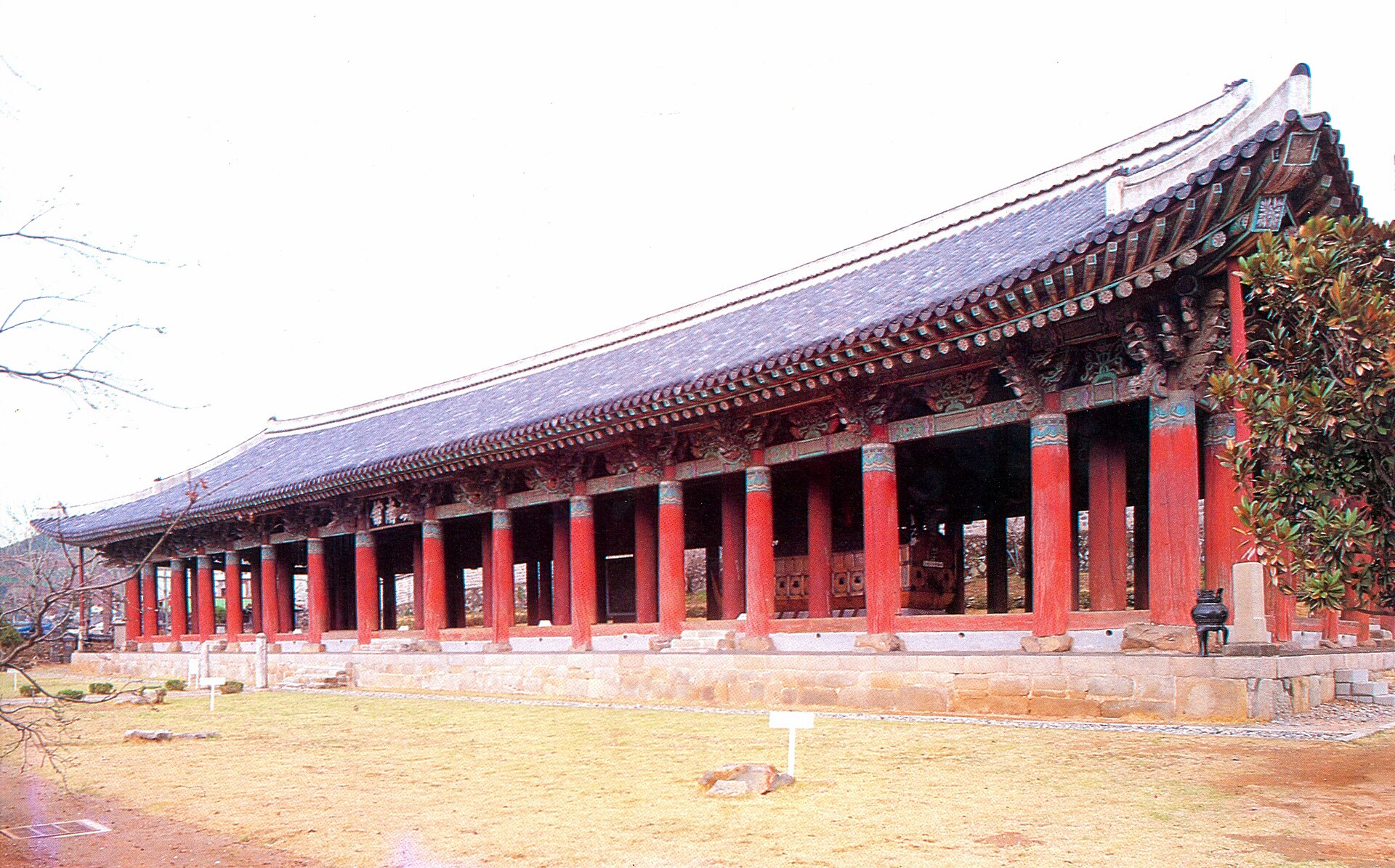
This yearning led to a second, more audacious, escape attempt. Two men, Hendrick Janse and Hendrick Janse Bos (a common name, indicating the limited pool of names among the crew), saw an opportunity when emissaries from the Qing dynasty of China arrived at court. Despite attempts by Korean officials to keep the Westerners out of sight, the two men managed to ambush the Qing ambassador. The ambassador, unable to comprehend their pleas, called for an interpreter – none other than Pak Yon. Pak Yon, bound by his loyalty to the Joseon court, immediately reported the incident to King Hyojong. Janse and Janse Bos were promptly imprisoned. Hamel, in his later account, speculated they died of natural causes, but Korean historical documents confirm a more tragic end: the two men perished after going on a hunger strike, an act of desperate defiance against their captivity. To prevent further international incidents and maintain the kingdom’s diplomatic posture, King Hyojong decided to disperse the remaining Dutchmen, sending them away to Jeolla province, a southwestern region of the peninsula.
For years, the surviving Dutchmen lived in military barracks under the care of various local officials, some of whom were