The Ultimate Seven-Day Scotland Itinerary: A Comprehensive Guide to the Highlands and Historic Cities

Scotland remains one of the most resilient and sought-after travel destinations in Northern Europe, characterized by a unique blend of rugged natural topography, ancient architectural heritage, and a burgeoning spirits industry. While the country is geographically compact, its logistical demands—ranging from single-track Highland roads to ferry schedules across the Hebrides—require meticulous planning. This itinerary provides a structured approach for travelers seeking to balance the urban sophistication of Edinburgh with the wilder, remote landscapes of the Inner Hebrides and the Great Glen.
Strategic Planning and Logistical Considerations
Travelers embarking on a tour of Scotland must account for specific regional challenges. Transport remains a primary consideration; while rail links between major cities like Glasgow and Edinburgh are efficient, the Highlands and islands are best navigated via private vehicle. Prospective drivers should note that traffic moves on the left side of the road, and rural routes often consist of "single-track" roads with designated passing places.
Furthermore, the Scottish government has recently moved toward modernizing its tourism infrastructure through legislative changes. Beginning in July 2026, Edinburgh will implement a 5% visitor levy on overnight stays, including hotels and short-term rentals. This revenue is earmarked for city maintenance and infrastructure improvements, reflecting the city’s status as a global tourism hub that attracts millions of visitors annually. According to data from the National Records of Scotland, tourism contributes significantly to the national GDP, supporting over 200,000 jobs.
Day 1: Arrival and the Gateway to the Isles
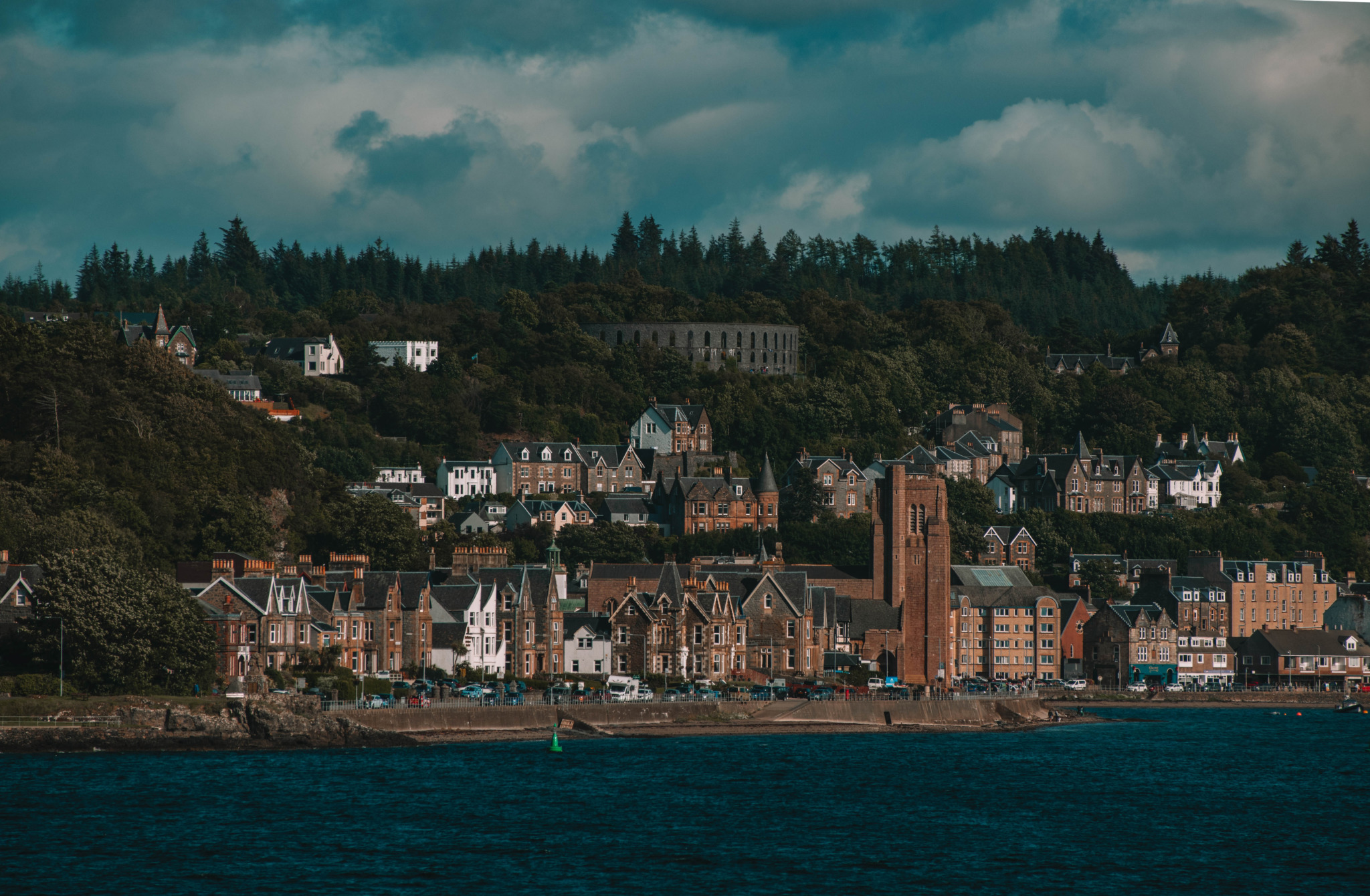
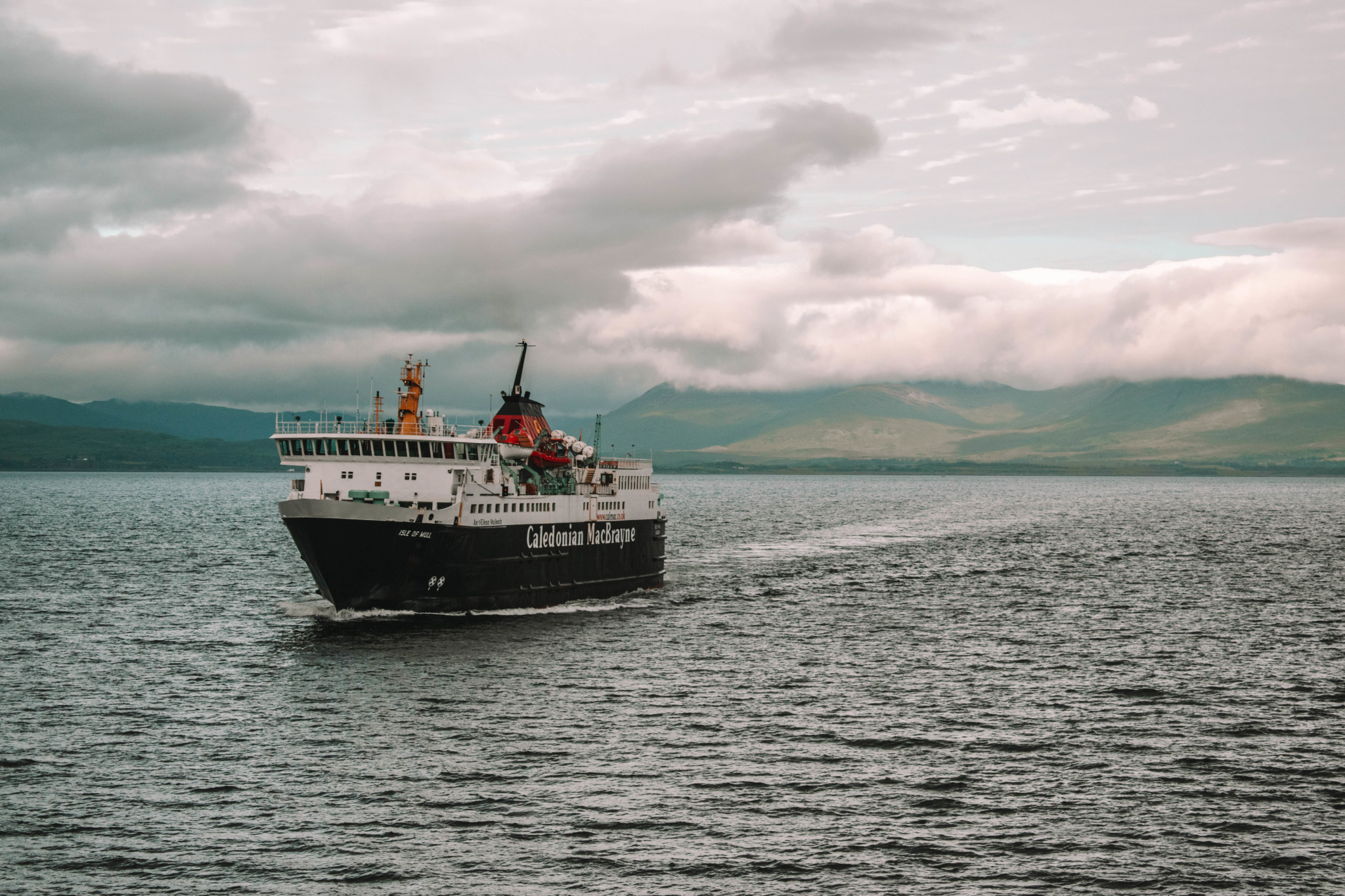
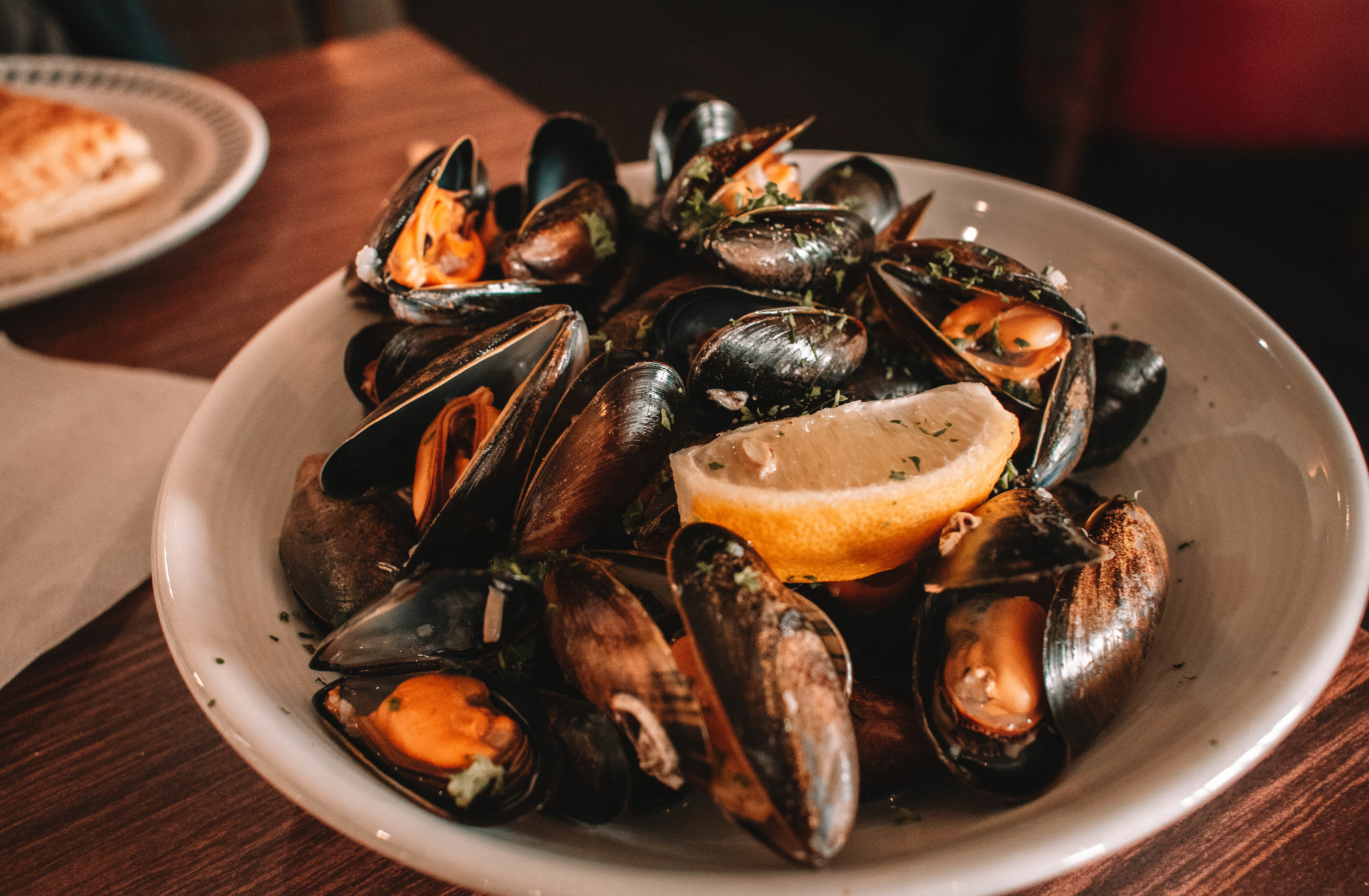
The journey begins with an arrival at Edinburgh Airport, followed by a westward transit toward Oban. Known as the "Seafood Capital of Scotland," Oban serves as a critical maritime hub for the Inner Hebrides. The three-hour drive from the capital transitions from the urban sprawl of the Lothians into the lush, mountainous terrain of the Loch Lomond and The Trossachs National Park.
For many travelers, Oban offers a vital introduction to the Scottish hospitality sector. Accommodations such as the Fairhaven B&B provide traditional lodging, often at a price point that reflects the town’s role as a transit point rather than a luxury resort.
Day 2: Maritime Exploration of Mull, Staffa, and Iona
The second day is dedicated to a "Three Island Tour," a seasonal operation running from April to October that highlights the geological and ecclesiastical history of the region. The excursion begins with a ferry crossing to the Isle of Mull, the second-largest island of the Inner Hebrides.
The Geological Significance of Staffa
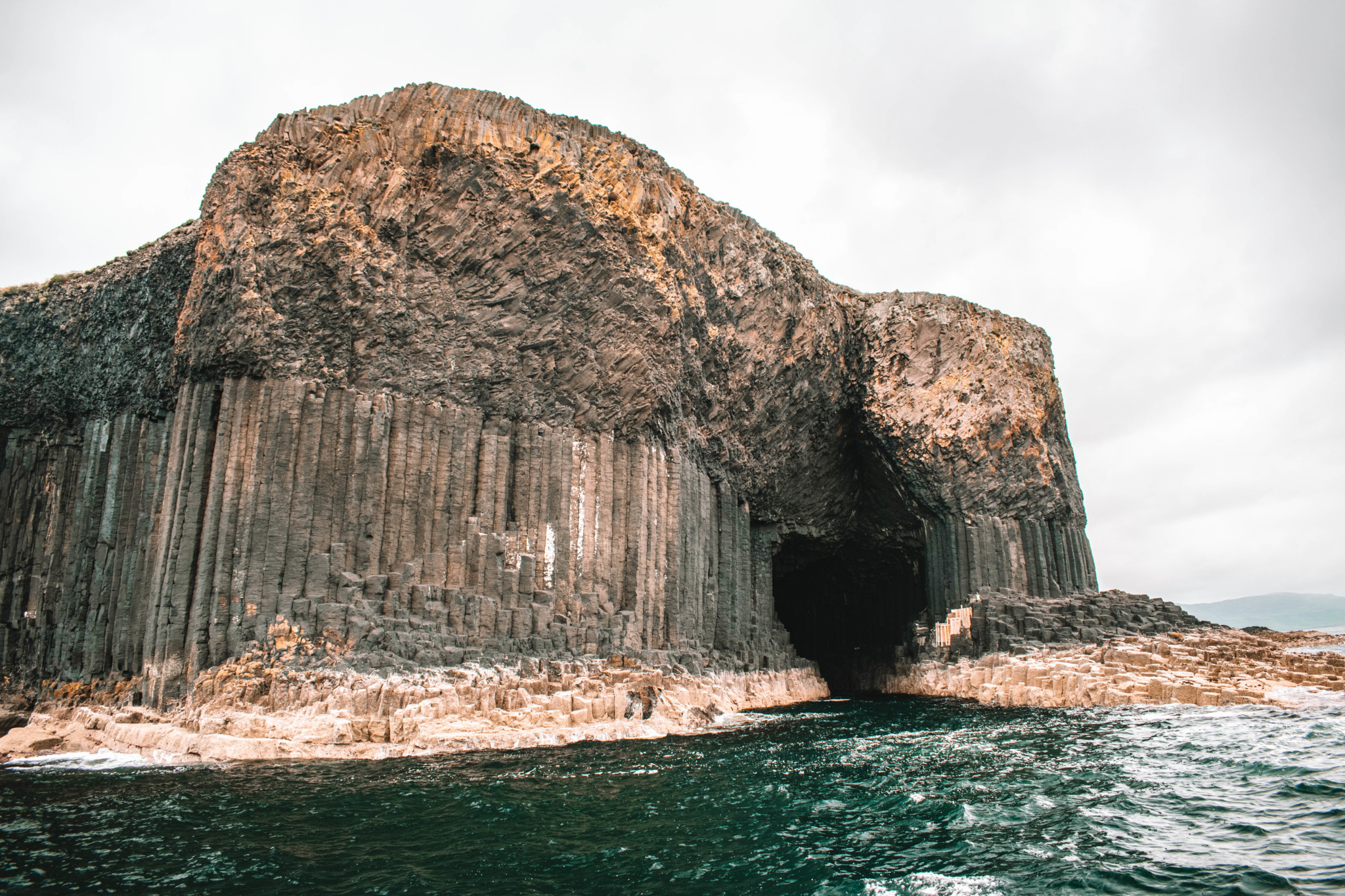
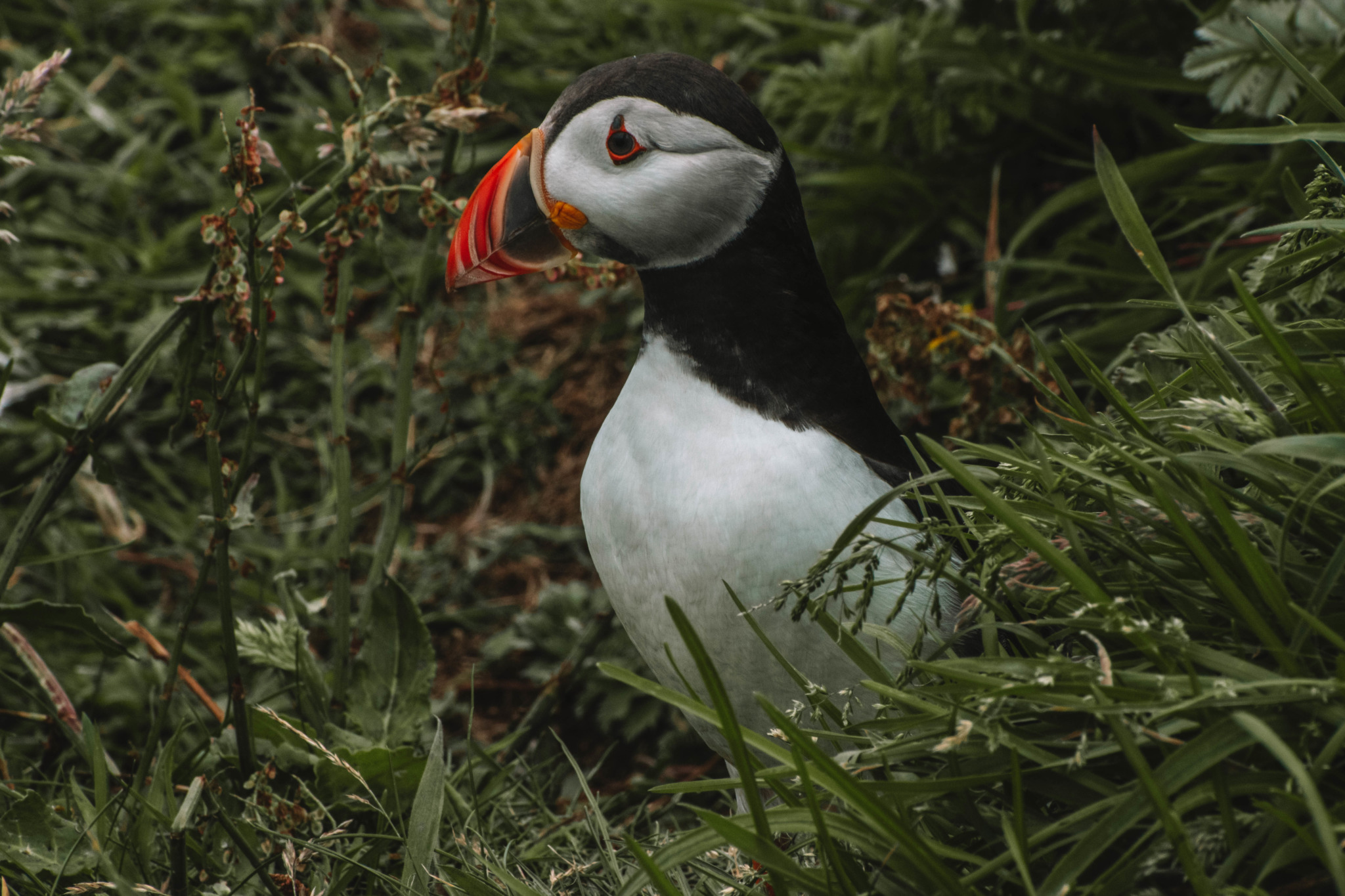
From Mull, travelers proceed to the uninhabited island of Staffa. This site is internationally recognized for Fingal’s Cave, a sea cave formed entirely from hexagonally jointed basalt columns, similar in origin to the Giant’s Causeway in Northern Ireland. These formations resulted from a massive Paleocene lava flow. The island is also a significant site for ornithologists; between April and September, it hosts large colonies of Atlantic puffins.
The Ecclesiastical Heritage of Iona
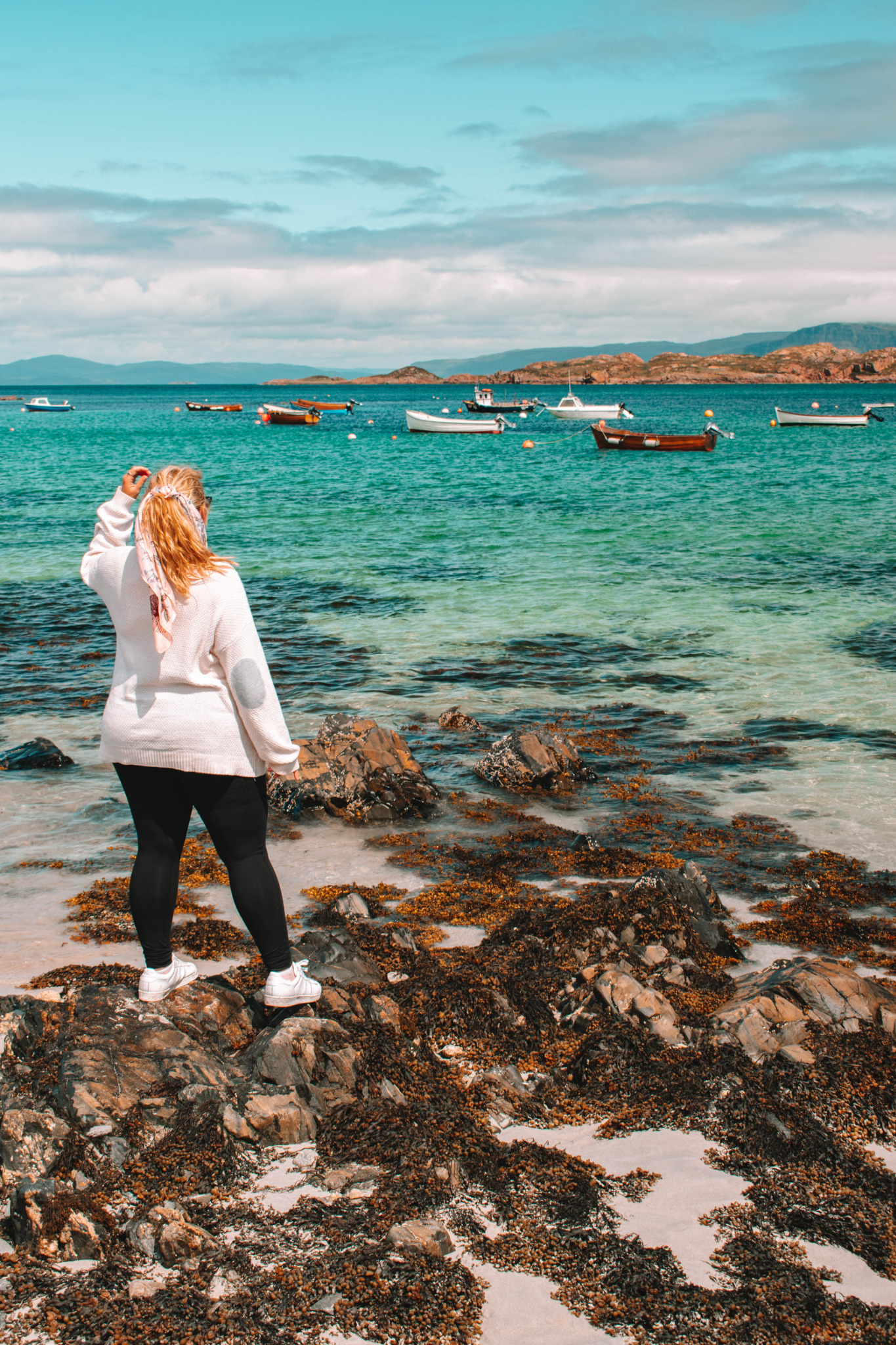
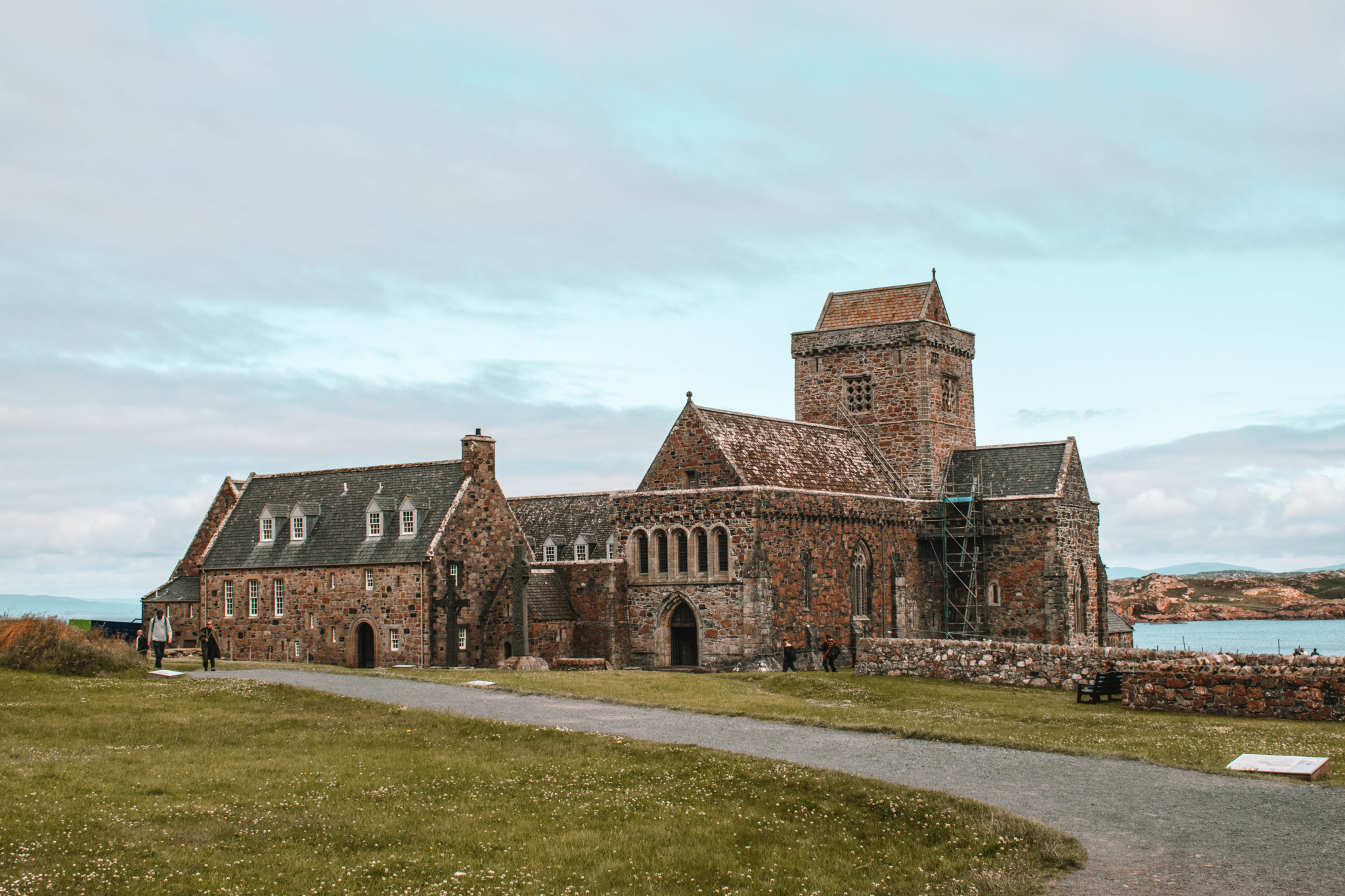
The final leg of the maritime tour reaches Iona, an island that holds a central place in the history of Christianity in Scotland. St. Columba arrived here from Ireland in 563 AD, establishing a monastery that became one of the most influential in Western Europe. Today, the restored Iona Abbey stands as a testament to the island’s enduring role as a site of pilgrimage.
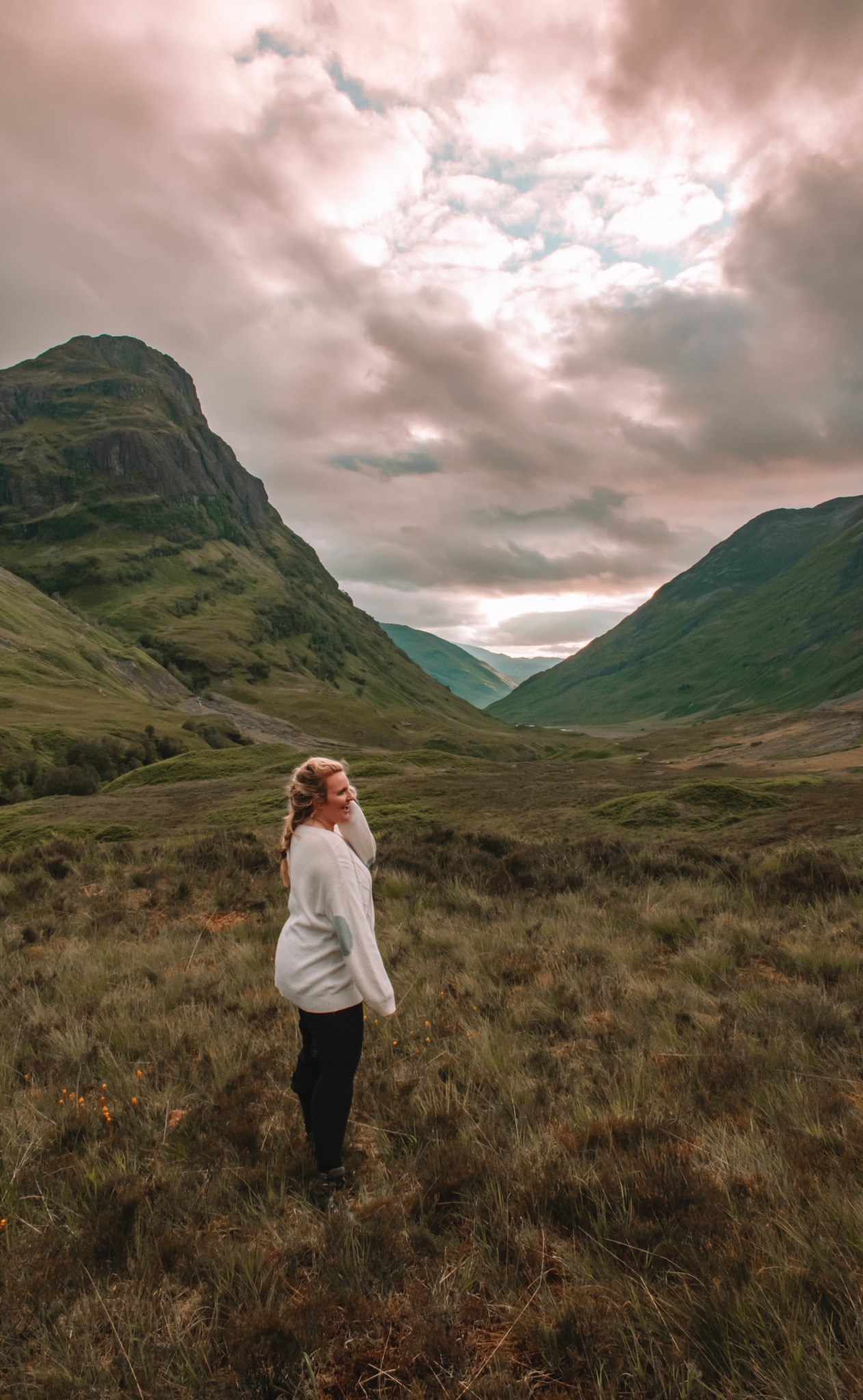
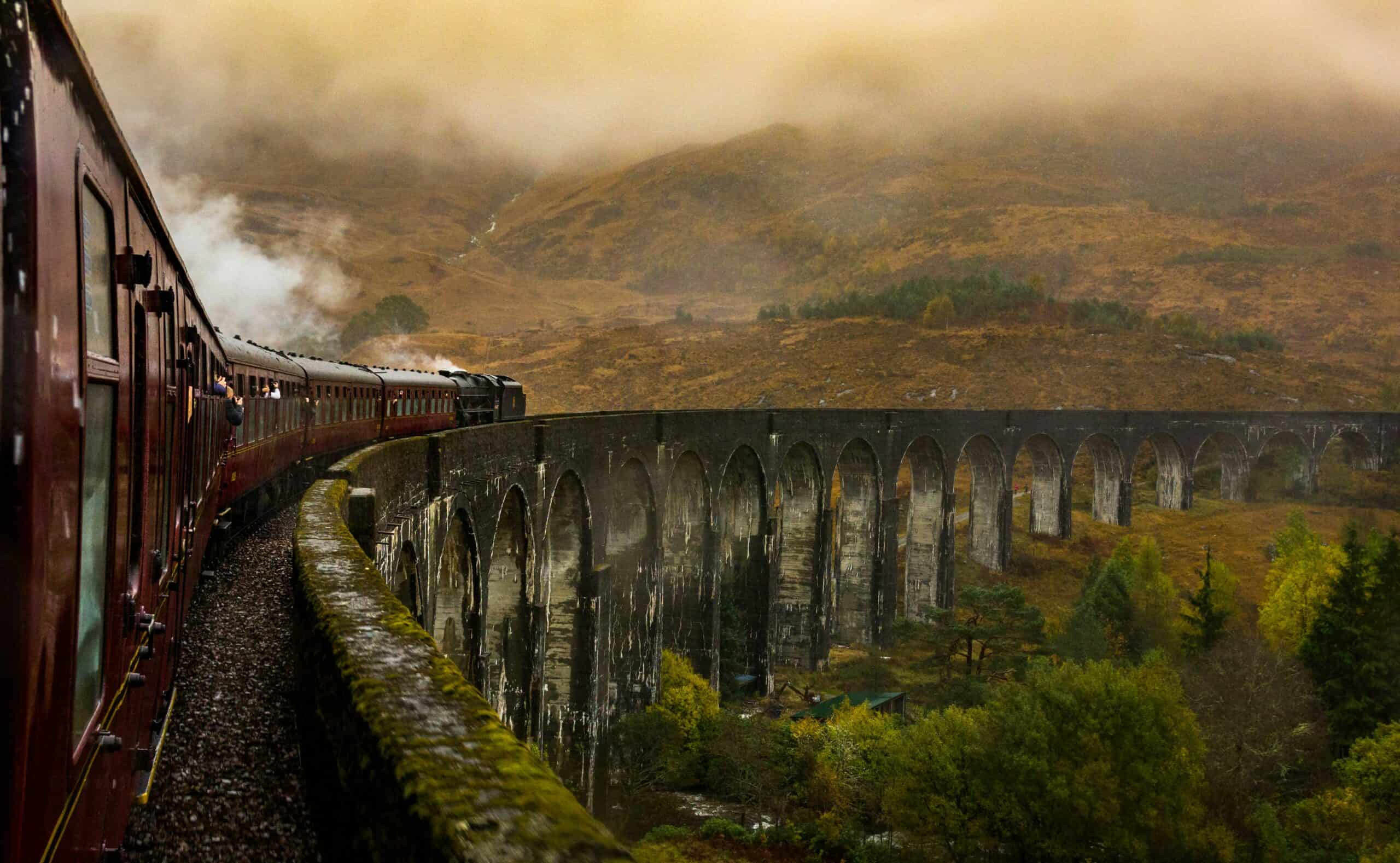
The day concludes with a return to the mainland and a drive toward Glencoe. This glen is not only a masterpiece of volcanic geology but also the site of the 1692 Massacre of Glencoe, where members of the Clan MacDonald were killed by government forces. This event remains a poignant chapter in the history of the Jacobite uprisings.
Day 3: The Isle of Skye and the Whisky Industry
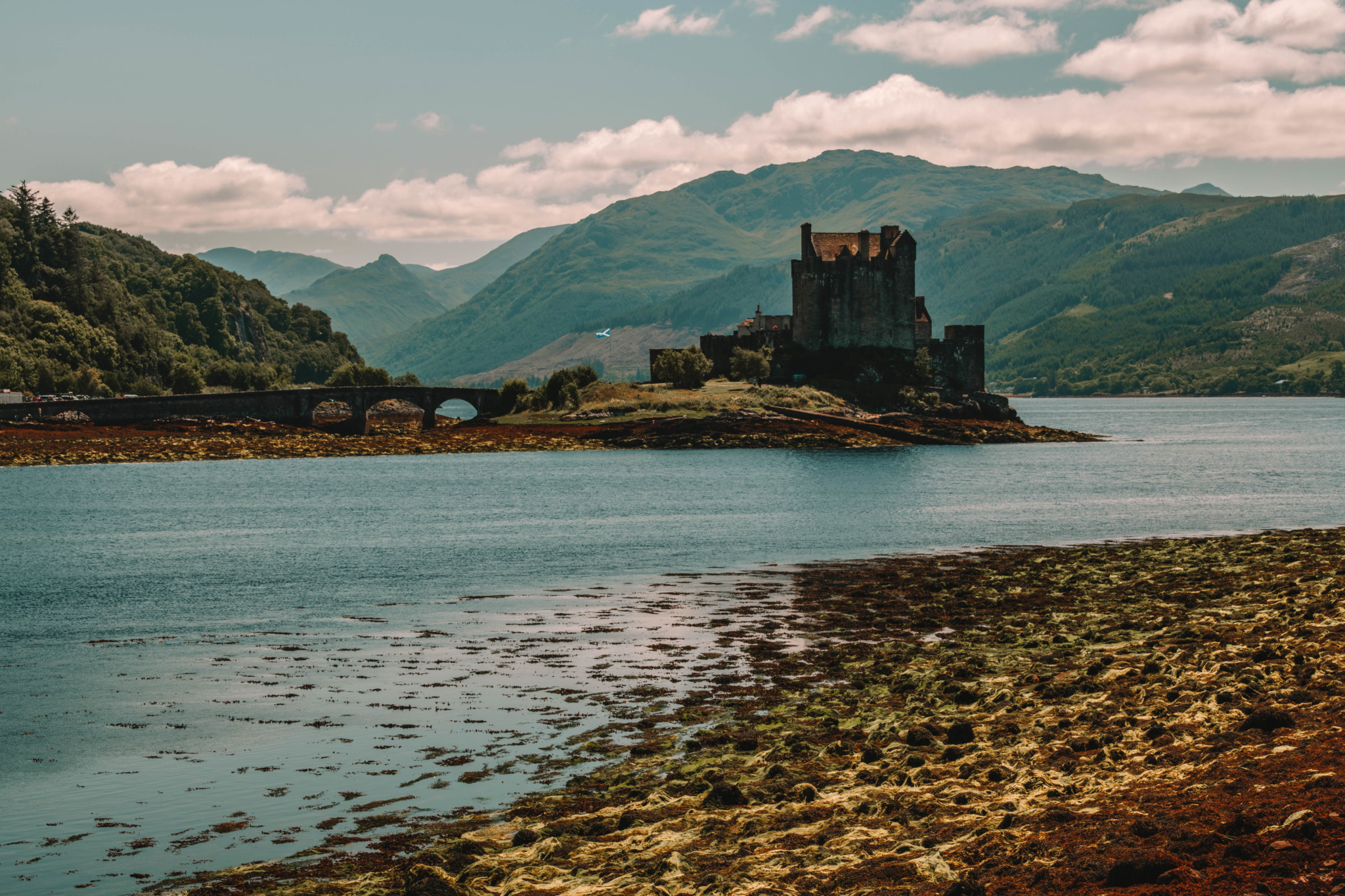
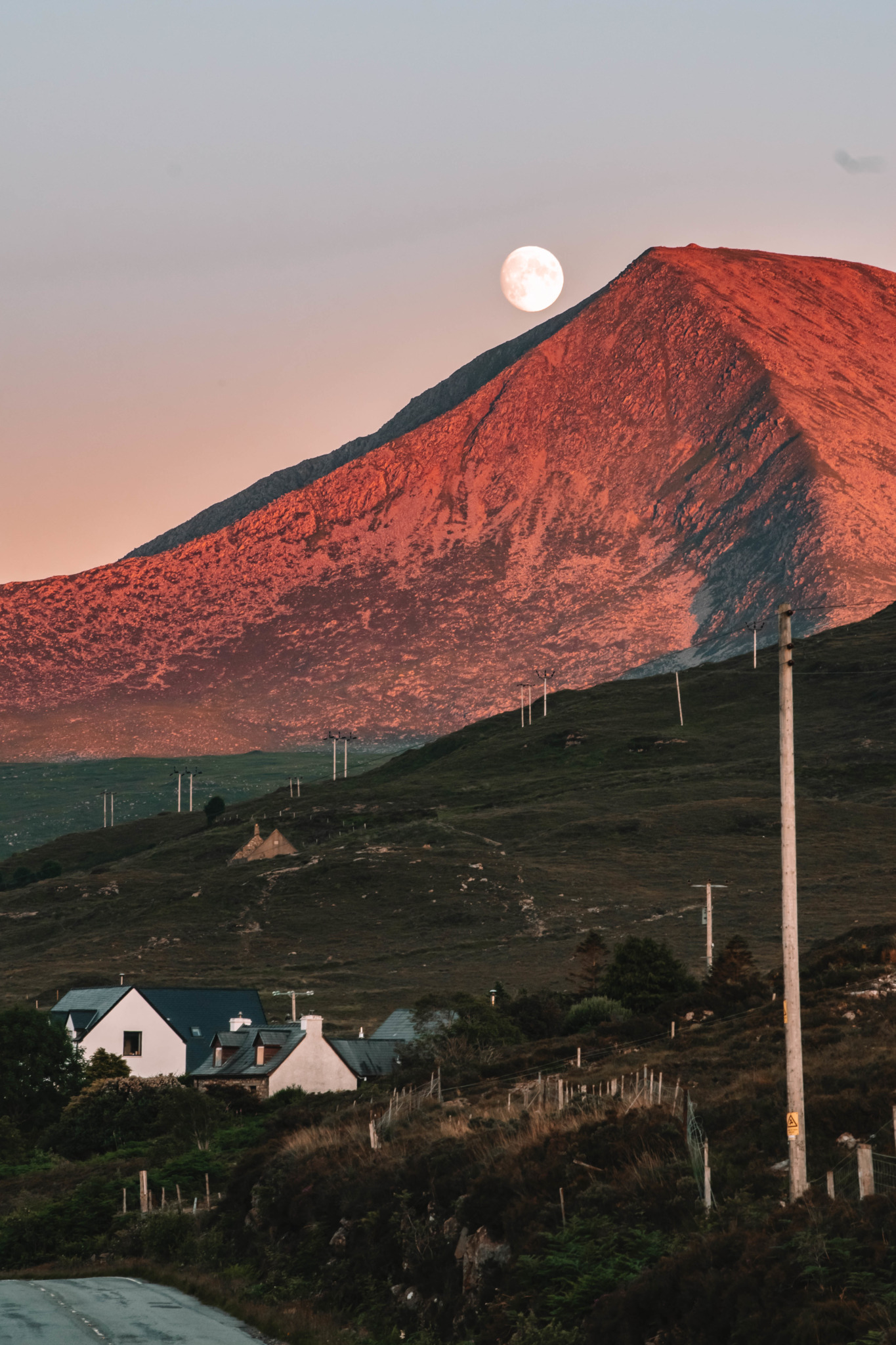
Day three involves a transit to the Isle of Skye, crossing via the Skye Bridge near the iconic 13th-century Eilean Donan Castle. Skye’s economy is heavily driven by its natural landmarks and its contributions to the Scotch whisky industry.
The Talisker Distillery and Economic Impact
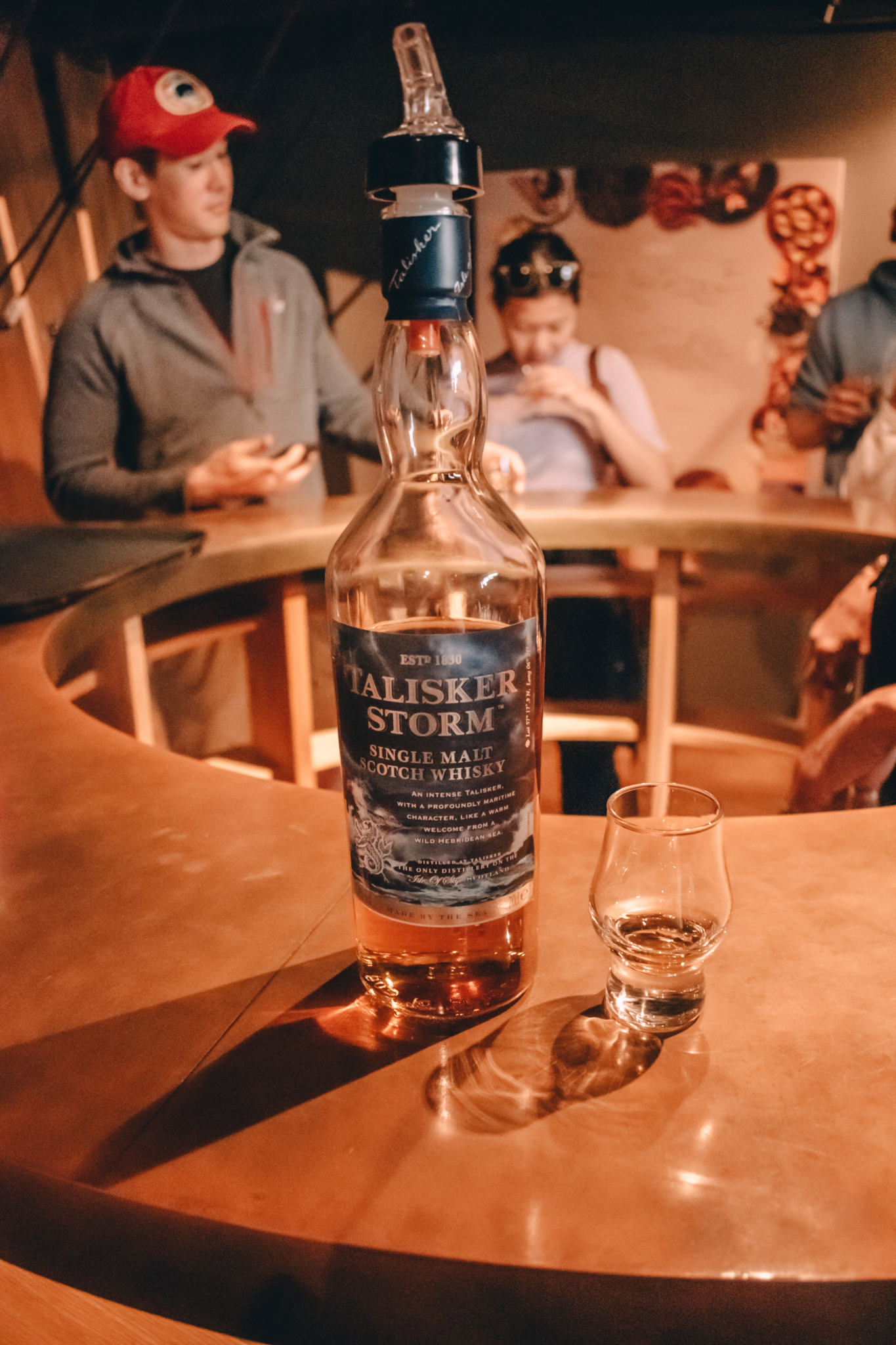
The Talisker Distillery, located on the shores of Loch Harport, is the oldest working distillery on the island. Scotch whisky is a vital export for the United Kingdom, with the Scotch Whisky Association reporting that the industry adds billions of pounds to the UK economy annually. A tour of the distillery provides insight into the maturation process, where the interaction between the spirit and the wood of the casks—some holding up to 53,000 liters—defines the final flavor profile.
Natural Landmarks: The Fairy Pools
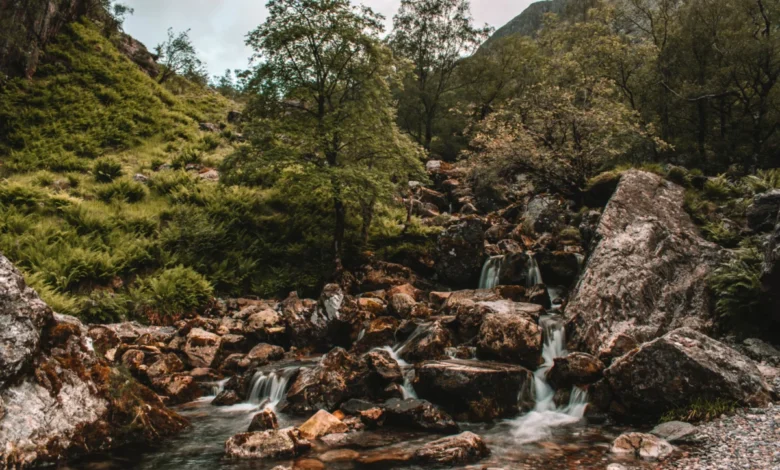
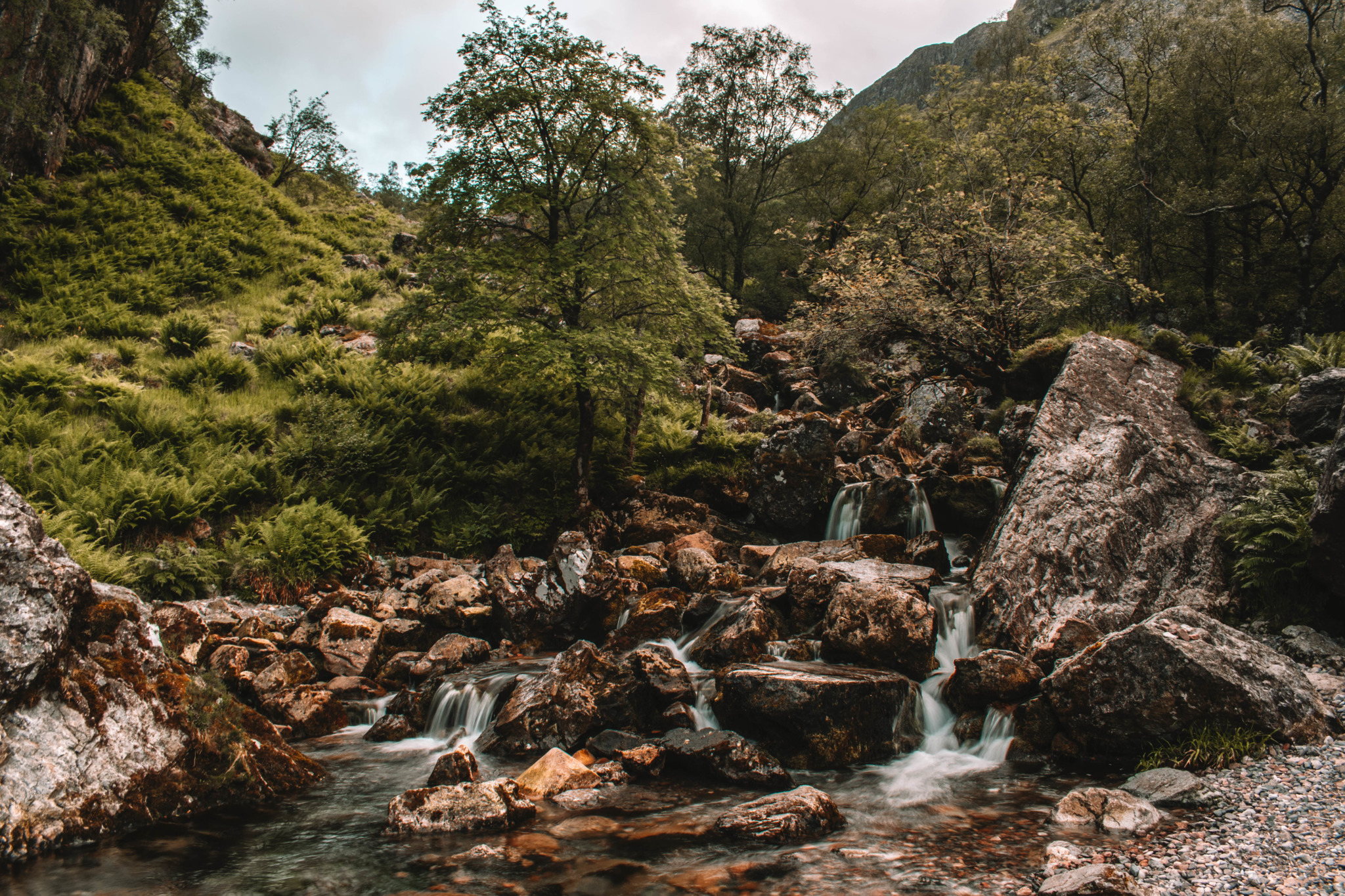

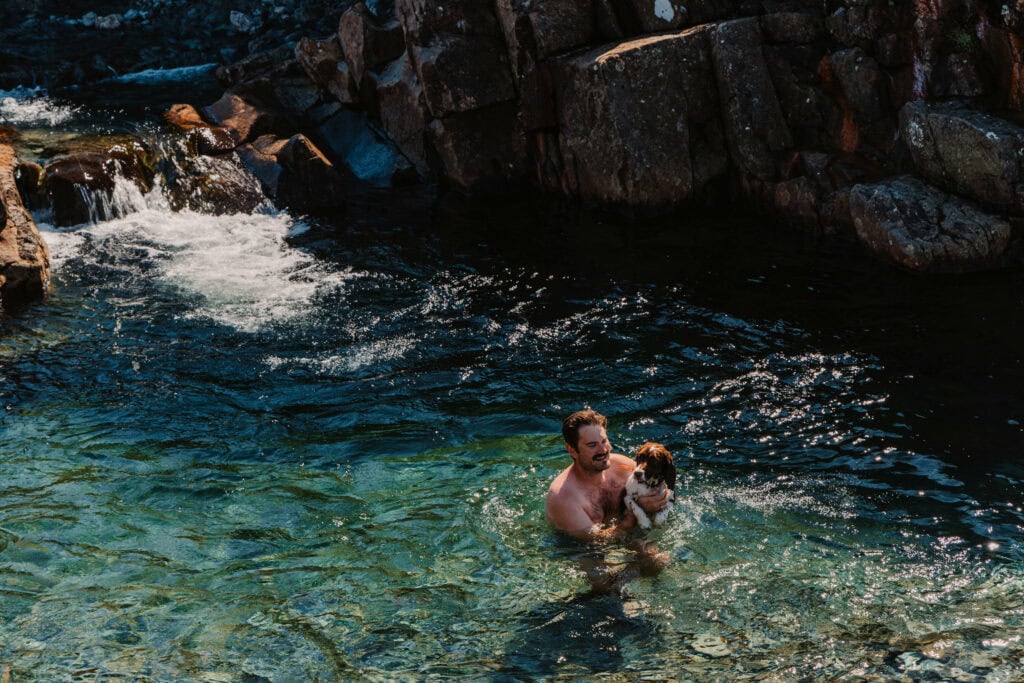
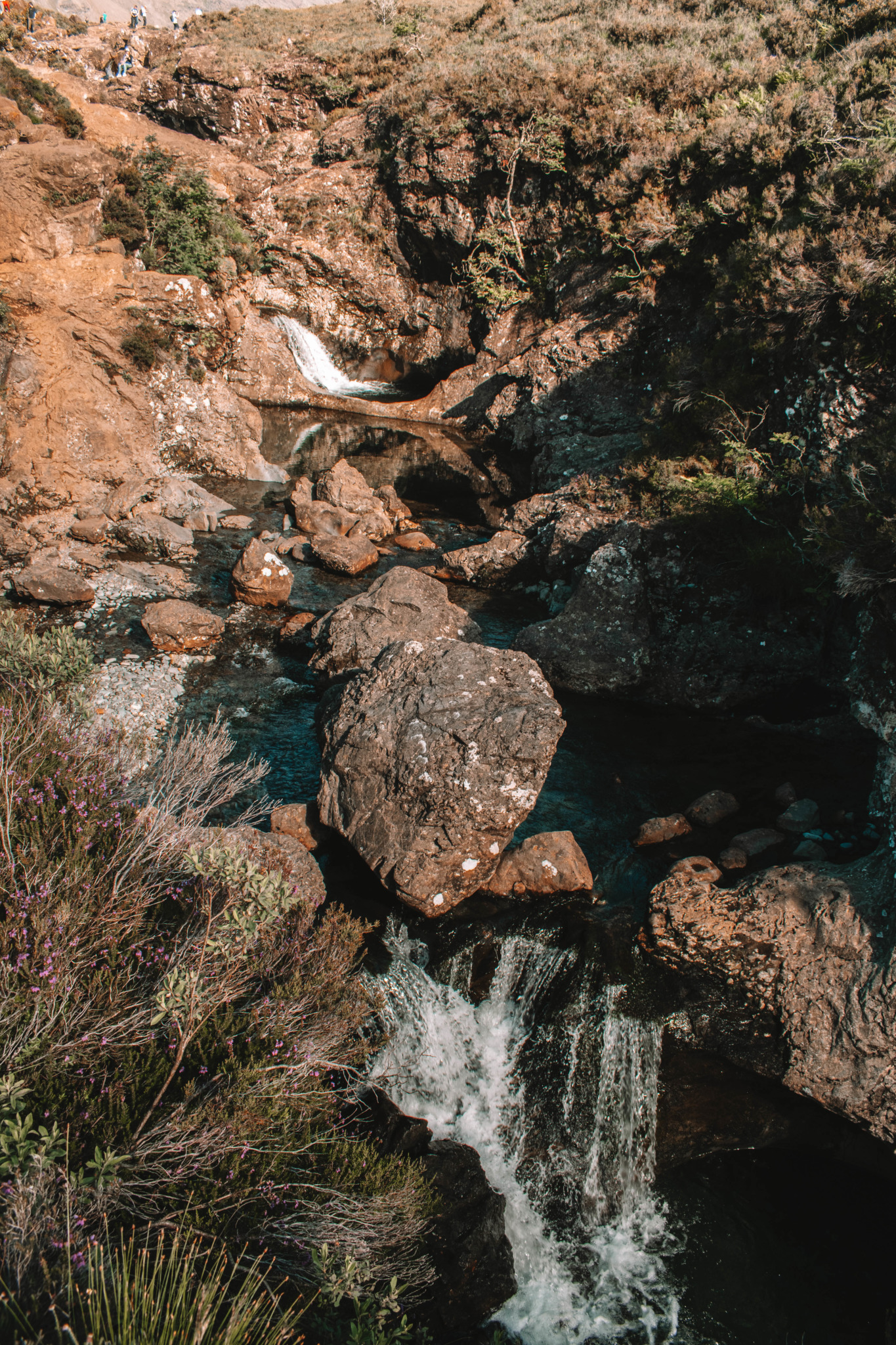
Following the distillery, the itinerary moves to the Fairy Pools at the foot of the Black Cuillin mountains. These crystal-clear rock pools and waterfalls are a primary draw for hikers. The surge in "set-jetting"—tourism driven by film and television locations—has significantly increased foot traffic to Skye, prompting local authorities to invest in expanded parking and trail maintenance to preserve the delicate ecosystem.
Day 4: Northern Skye and Island Folklore
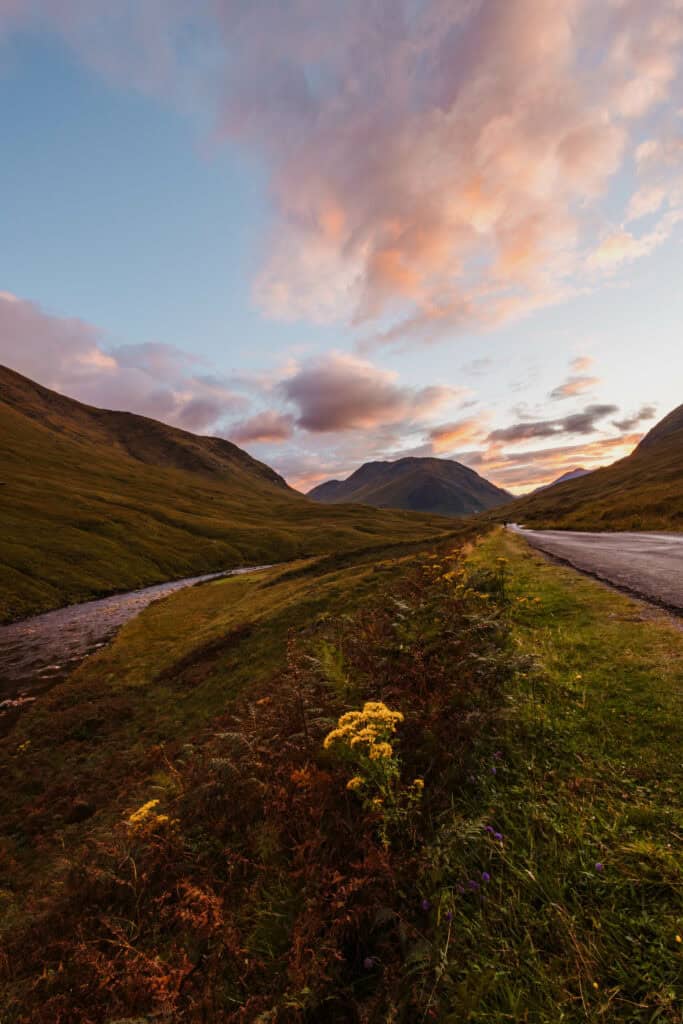

The fourth day focuses on the Trotternish Peninsula, home to some of Skye’s most dramatic landscapes.
The Quiraing and the Old Man of Storr
The Quiraing is a massive landslip on the eastern face of Meall na Suiramach. This geological feature continues to move, requiring annual road repairs. Nearby, the Old Man of Storr, a large pinnacle of rock, dominates the skyline. These sites are steeped in Norse and Gaelic folklore, often described as the remnants of giants.
Cultural Preservation: The Skye Museum of Island Life
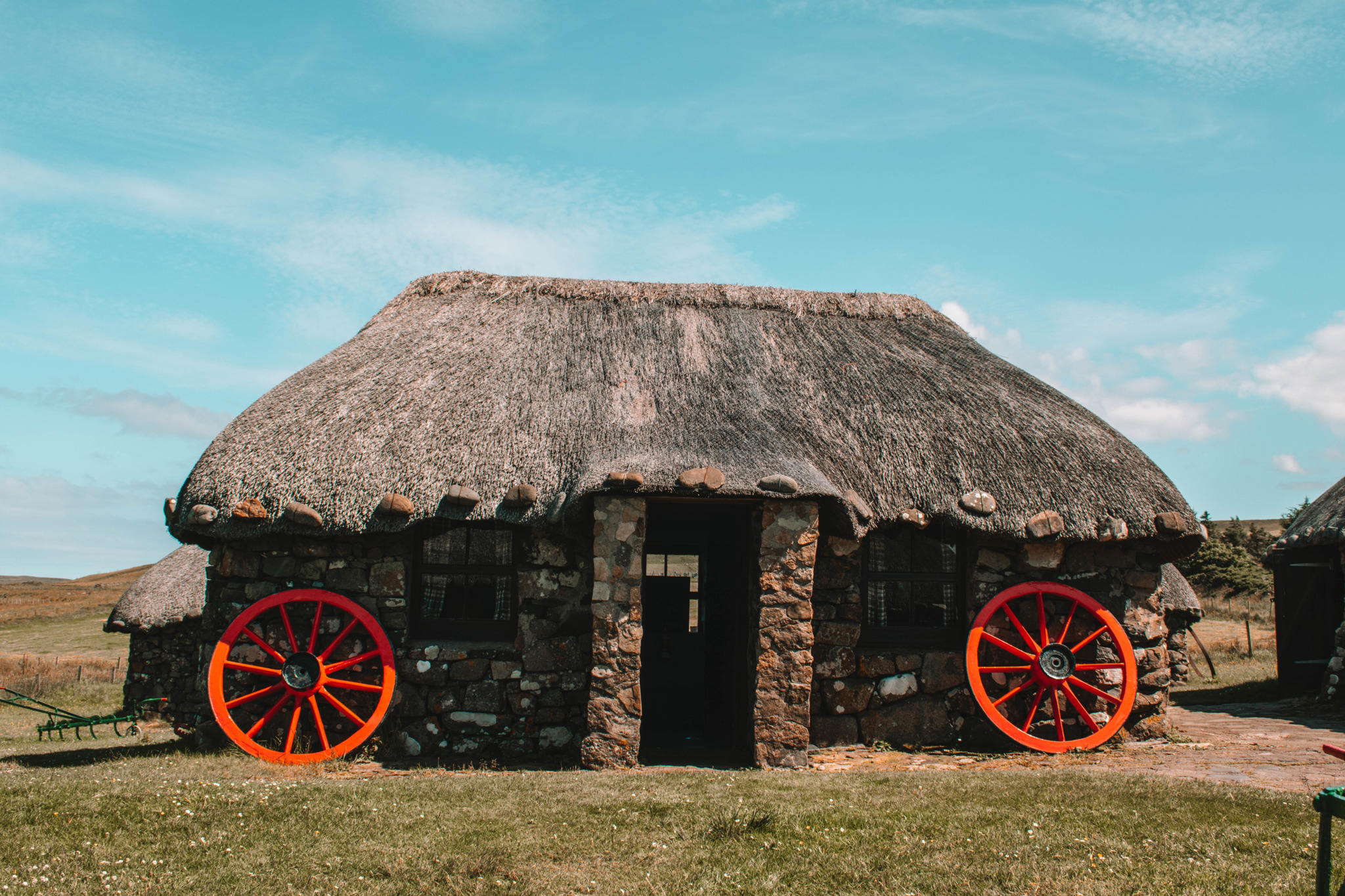
To understand the human history of the region, the Skye Museum of Island Life at Kilmuir offers a preserved township of thatched "blackhouses." These structures provide a factual look at the crofting system that defined Highland life in the 19th century, where large families and livestock often shared cramped, peat-heated quarters.
Day 5: Loch Ness and the Great Glen
The itinerary turns eastward toward Loch Ness, the largest body of water by volume in the British Isles.
The Mystery and Marketing of Nessie
Since the first modern "sighting" in 1933, the Loch Ness Monster has become a cornerstone of Scottish tourism marketing. While scientific surveys, including DNA water sampling, have found no evidence of a prehistoric monster, the legend generates an estimated £41 million for the Scottish economy each year. Visitors typically explore the ruins of Urquhart Castle, which offers a strategic vantage point over the loch’s deepest section (230 meters).
The Highland Games
If timing permits, attendance at a local Highland Games event is essential. These gatherings, featuring heavy athletics like the caber toss (throwing a 175-pound log), Highland dancing, and bagpiping, are formal celebrations of Scottish heritage. These events are often patronized by the Royal Family, particularly the Braemar Gathering.
Day 6: Edinburgh’s Royal History
The final segment of the trip returns to Edinburgh, a city divided between the medieval Old Town and the neoclassical New Town, both of which are UNESCO World Heritage sites.
The Royal Mile and Edinburgh Castle
The Royal Mile serves as the city’s primary artery, connecting Edinburgh Castle—perched on an extinct volcano known as Castle Rock—to the Palace of Holyroodhouse. Historical records indicate that the castle has been a royal residence since at least the 12th century and has survived 26 sieges, making it one of the most besieged places in the world.
The National Museum of Scotland
For a comprehensive historical overview, the National Museum of Scotland on Chambers Street houses over 20,000 artifacts. These range from the Lewis Chessmen to Dolly the Sheep, the first mammal cloned from an adult cell. The museum’s architecture, particularly the Grand Gallery, is a landmark of Victorian design.
Day 7: Cultural Nuances and Modern Edinburgh
The final day explores the city’s literary and quirky side. Edinburgh was the first city to be designated a UNESCO City of Literature.
Literary Connections and Dean Village
Fans of the Harry Potter franchise often visit The Elephant House Cafe, which reopened in 2026 following a period of restoration. It is one of several locations where J.K. Rowling authored the early novels. For a quieter experience, Dean Village, a former grain milling hamlet on the Water of Leith, offers a glimpse into the city’s industrial past with its well-preserved 19th-century buildings.
The Underground City
A guided tour of the Real Mary King’s Close provides a somber look at the 17th-century streets buried beneath the Royal Exchange. These subterranean dwellings were once the epicenter of the plague in Edinburgh, and the tour uses historical research to recreate the lives of the residents who once lived there.
Conclusion and Broader Implications
A seven-day traversal of Scotland offers more than just aesthetic appeal; it provides a window into a nation balancing its ancient traditions with the pressures of modern tourism. The introduction of the visitor levy in Edinburgh and the ongoing efforts to manage infrastructure in the Highlands suggest a country that is acutely aware of its value on the global stage. As tourism continues to evolve, Scotland’s ability to protect its natural "isles and lochs" while maintaining its historic "granite cities" will remain the benchmark for its success as a premier destination. For the traveler, the experience is a reminder that Scotland’s beauty is matched only by the depth of its history and the complexity of its landscape.