The high-altitude climbing season on 8,163-meter Manaslu has reached a critical juncture, characterized by an unprecedented concentration of climbers and a compressed window of opportunity dictated by increasingly volatile weather patterns. As the eighth-highest peak in the world faces the imminent threat of a cyclonic system brewing in the Bay of Bengal, the mountain has transformed into a theater of high-stakes logistics, where the window for a successful summit is closing faster than the expedition teams can navigate the hazardous, snow-choked slopes.
The Race Against the Elements
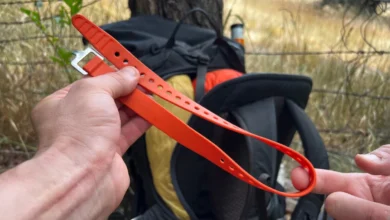
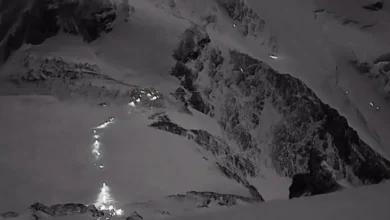
The urgency intensified significantly following the successful fixing of ropes to the summit on the night of September 17. A specialized team of rope-fixers, led by Chhiring Bhote and supported by an elite group of Sherpas, completed the arduous task at 9:25 pm, working through darkness to ensure a path for the hundreds of foreign clients currently stationed at the mountain’s base. This achievement was not without struggle; a localized avalanche earlier in the week had destroyed significant sections of the existing line, necessitating a secondary deployment of 1,300 meters of additional rope and equipment.
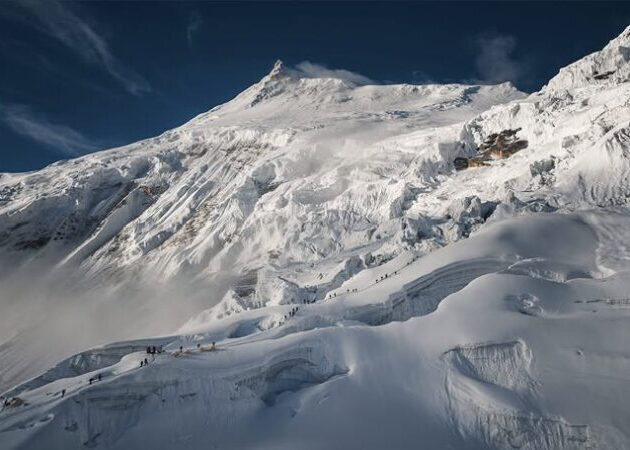
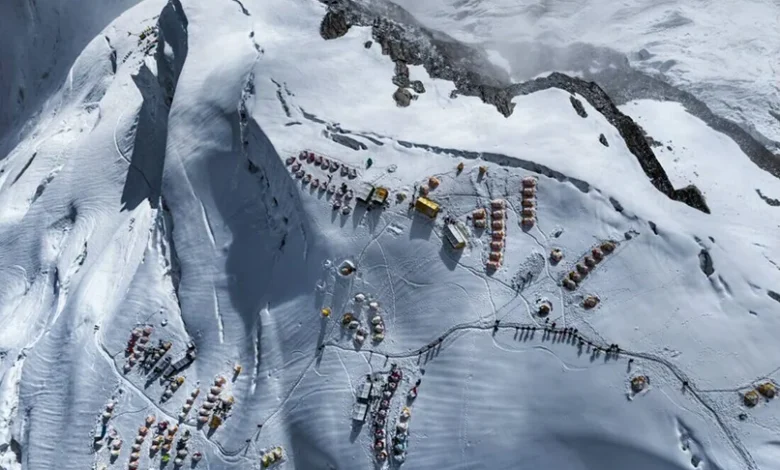
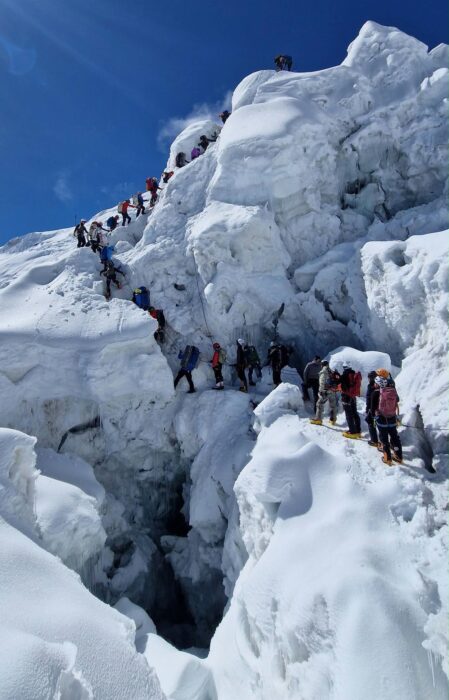
The current situation represents a departure from historical norms. In previous years, the route to the summit was typically secured by September 20, providing a more gradual timeline for acclimation and summit bids. This season, however, the combination of a record-breaking number of permits—with 493 foreign climbers officially listed—and the looming meteorological instability has created a logistical bottleneck. With each climber requiring one or two support Sherpas, there are more than 1,000 individuals navigating the mountain’s various camps, placing immense strain on the infrastructure of the route.
Chronology of the Summit Push
The sequence of events over the past 72 hours underscores the precarious nature of this season’s ascent:
- September 16: An avalanche strikes the upper mountain, damaging critical rope lines and forcing a temporary halt to progress.
- September 17: A reinforcement team of Sherpas from various agencies, including 8K Expeditions, carries 1,300 meters of additional gear to mend the route. They summit in the dark, officially opening the path to the top.
- September 18: Base Camp officials report heavy snowfall and the transition of rain to snow at lower elevations, forcing teams to pause their ascent.
- September 19: Meteorological models confirm the development of a low-pressure system in the Bay of Bengal. Expedition leaders begin re-evaluating their strategies, with most teams targeting a narrow window between Sunday and Wednesday for their summit pushes.
The Human and Logistical Toll
The sheer density of climbers on Manaslu has raised significant safety concerns, particularly in the notoriously difficult sections between Camp 1 and Camp 2. This area is dominated by unstable seracs, which pose a constant threat of icefall. The congestion observed on these sections earlier in the week has already resulted in logistical friction, with teams struggling to maintain pace in the face of deep, fresh snow.
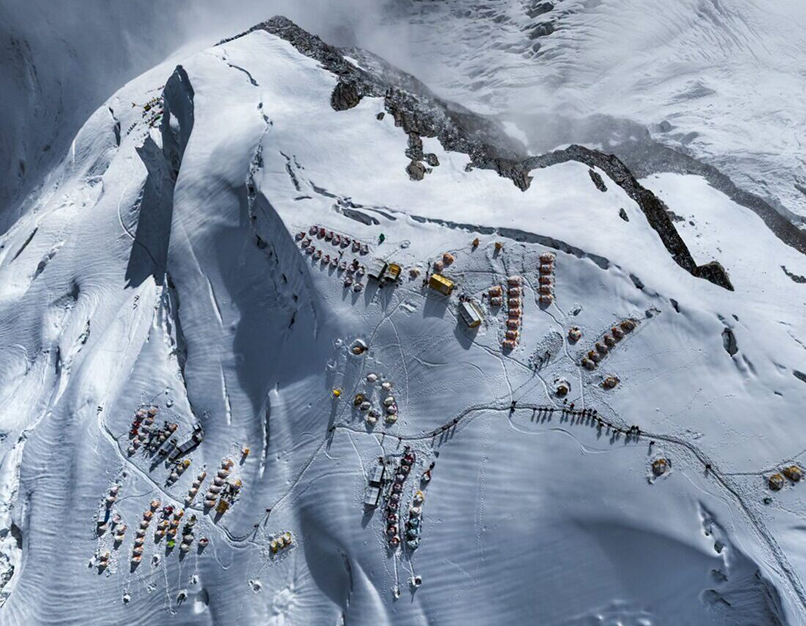
While the exact casualty figures for the current window remain unconfirmed, reports have circulated regarding a fatal incident involving a Singaporean climber who succumbed to altitude sickness above Camp 2. Furthermore, social media documentation from guides, including Tenzi Sherpa of Madison Mountaineering, shows helicopter evacuations being conducted from Camp 2, highlighting the high risk of medical emergencies in the "death zone." The inability to properly stage rest days due to the incoming weather system means that many climbers are forced to push toward higher camps with minimal recovery, significantly increasing the likelihood of exhaustion-related accidents.
Meteorological Context and Long-term Implications
The climate of the Nepal Himalayas during the post-monsoon season is increasingly influenced by erratic weather patterns in the Indian Ocean. The current cyclonic threat is a manifestation of these wider shifts. The Department of Hydrology and Meteorology of Nepal has issued warnings regarding the lingering influence of westerly winds that have kept the monsoon front further south than is typical for late September.
This meteorological anomaly has left the Central Himalayas vulnerable to precipitation events that are heavier and more sustained than historical averages. The multimodel forecasting systems utilized by expedition leaders—such as Mountain-forecast.com—show a brief period of instability followed by a potentially catastrophic period of heavy snow starting Thursday. This forecast has essentially turned the mountain into a "sprint" environment, where teams must balance the drive for the summit against the hard reality that a failure to descend before the cyclone hits could result in being trapped at high altitude.
Industry and Regulatory Response
The Nepalese Department of Tourism (DoT) has been under scrutiny for the high volume of permits issued for Manaslu. The mountain’s summit is notoriously narrow and physically incapable of hosting large groups simultaneously; typically, it can accommodate only one or two people at a time. The bottleneck created by the current crowd levels is not merely an inconvenience but a structural safety hazard.
Guide services, such as Climbing The 7 Summits, have publicly expressed that the "pressure to fix the ropes" is directly correlated with the necessity to bypass the incoming weather. The result is a compressed summit window that forces hundreds of individuals onto a narrow, high-risk ridge in a very short span of time. While expedition operators are working in coordination to manage the flow, the lack of sufficient "buffer days" for weather—a staple of safe mountaineering practice—is clearly absent this season.
Broader Outlook
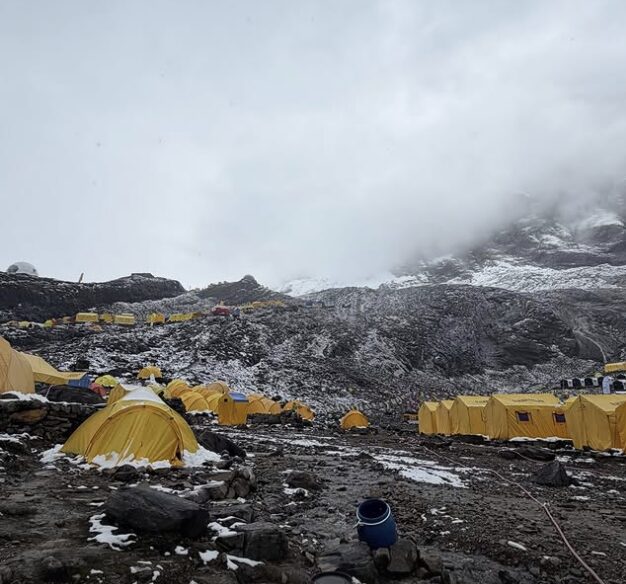
As of now, the mountain remains a scene of forced retreat and cautious planning. The decision by several teams to descend to Base Camp during the current period of snowfall reflects a pragmatic shift in strategy. Professional mountaineers recognize that the risk of being caught in the upper reaches of the mountain during a cyclonic weather event far outweighs the potential reward of a summit.
The situation on Manaslu serves as a critical case study for the future of high-altitude mountaineering in the Himalayas. As demand for these "trophy" peaks continues to grow, the reliance on mass-market, high-volume expeditions necessitates more robust safety protocols and, potentially, tighter regulations on the number of climbers allowed on the mountain at any given time. Until such measures are implemented, the safety of both the climbers and the Sherpa support staff will continue to be at the mercy of both the mountain’s inherent dangers and the increasingly unpredictable climate of the region.
Looking ahead, the next 48 to 72 hours will be decisive. If the weather window holds as predicted, a large majority of the current expedition teams will attempt to clear the mountain by mid-week. If the cyclone moves faster or brings more intense precipitation than currently projected, the search and rescue capabilities of the local agencies will be tested to their absolute limits. The global mountaineering community is watching closely, hoping for a safe conclusion to a season that has already tested the limits of logistical endurance.