Navigating the Aftermath: How Nepal is Balancing Disaster Recovery with the Survival of Its Vital Tourism Economy

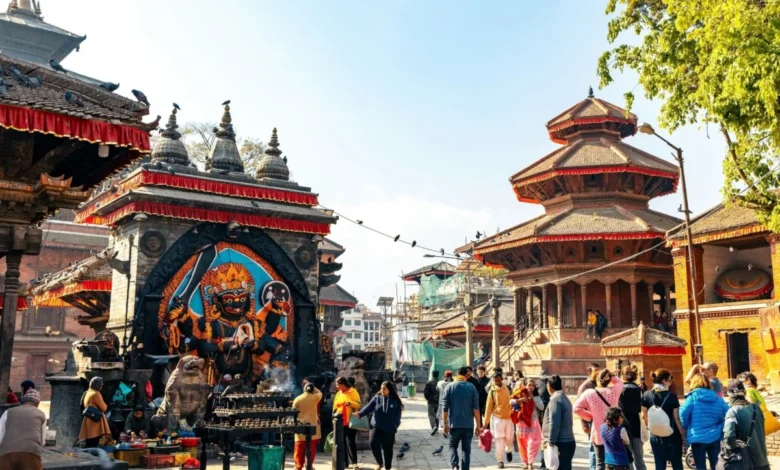
The devastating natural disasters that struck Nepal and Tibet in late August have left an indelible mark on the region, causing widespread infrastructure collapse and claiming at least 1,386 lives, with thousands more remaining unaccounted for. As emergency responders, local communities, and international aid agencies continue the arduous process of search, rescue, and restoring essential services, the Himalayan nation faces a secondary, deeply complex dilemma. Government officials, tourism boards, and industry leaders are urgently appealing to international travelers not to cancel their upcoming trips. Treading a delicate line between respecting an ongoing humanitarian crisis and preventing a broader economic collapse, Nepal must determine when and how to welcome visitors back safely without overwhelming recovering infrastructure.
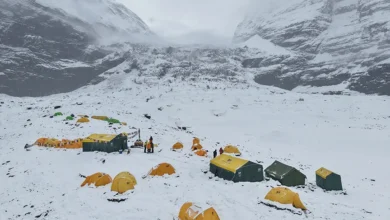
The catastrophic floods, triggered by intense and unseasonal monsoon downpours, rank among the most severe weather events to hit the region in recent history. Swollen rivers breached their banks, sweeping away homes, vital bridges, highways, and agricultural lands. Power grids failed, and remote mountain communities were temporarily cut off from the rest of the country. In the immediate wake of the disaster, the national priority was unambiguous: mobilize emergency aid, evacuate stranded trekkers and residents, and provide medical relief to the injured and displaced. However, as weeks have passed and the floodwaters recede, the conversation has inevitably expanded from immediate survival to long-term recovery. A nation that relies heavily on the steady influx of foreign travelers now faces the reality that a prolonged tourism vacuum could inflict economic wounds far exceeding the initial physical damage.
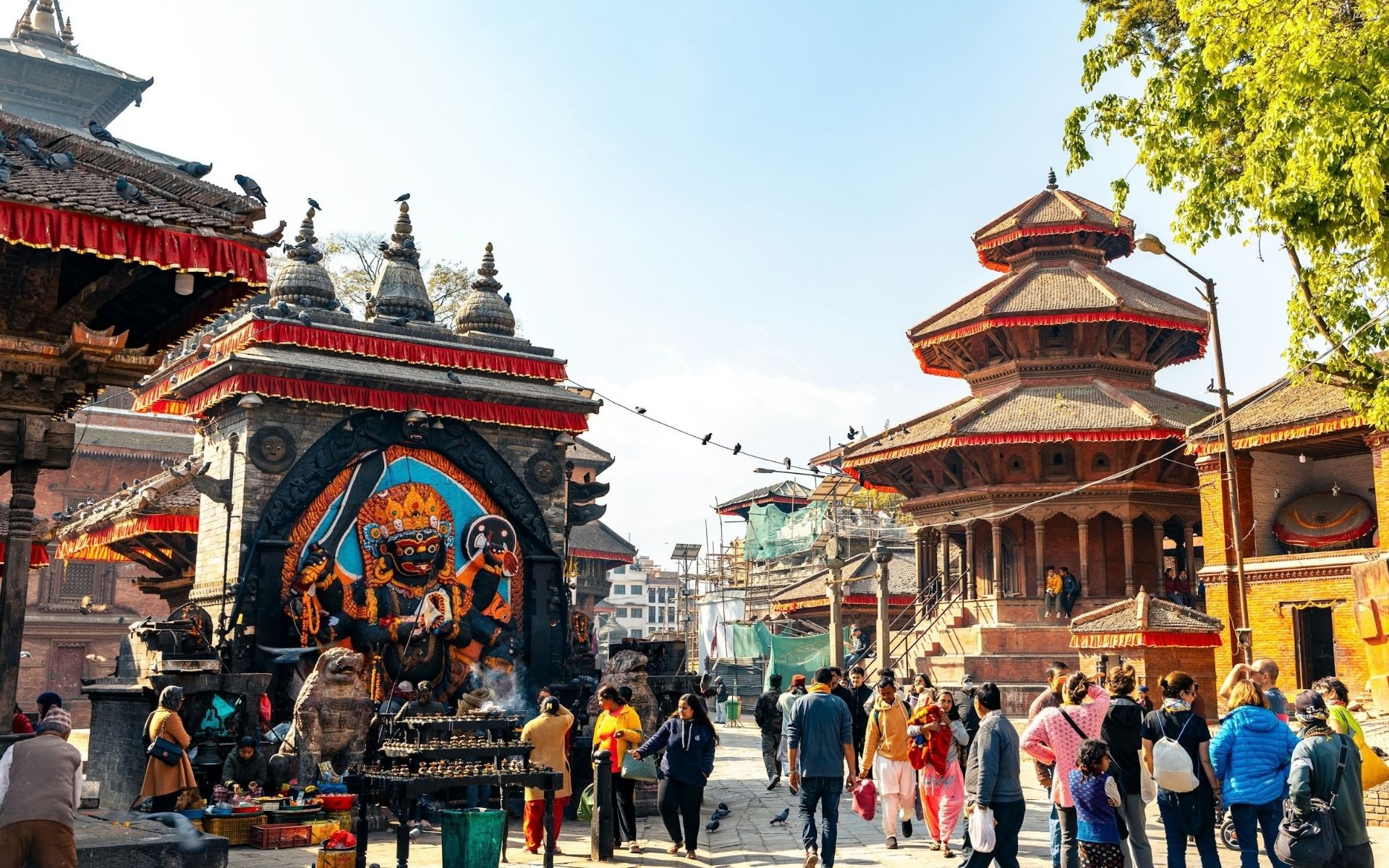
Tourism is the lifeblood of Nepal’s economy, driving livelihoods across urban centers and remote Himalayan valleys alike. Last year, the country welcomed approximately 1.16 million foreign tourists, marking its strongest performance since the devastating COVID-19 pandemic. The sector directly accounts for roughly six to eight percent of Nepal’s gross domestic product and supports approximately 15 percent of the national workforce—translating to nearly one in every seven jobs. From luxury hotels in Kathmandu and bustling trekking agencies in Pokhara to independent mountain guides, local porters, family-run teahouses, and regional transport operators, millions of Nepalis depend on visitor spending to feed their families and rebuild their lives.
Yet, historical precedent dictates that economic recovery following a major disaster is fraught with missteps. Encouraging tourists to return prematurely can strain scarce local resources, burden fragile infrastructure, and impede active relief operations. Conversely, waiting too long to reopen or failing to communicate accurately can plunge tourism-dependent communities into a secondary economic depression. The central challenge for policymakers is avoiding the "perception footprint"—a psychological phenomenon where distant travelers and international media conflate localized devastation with total national unsafety.
This challenge is not unprecedented for Nepal. Following the catastrophic Gorkha earthquakes in April and May 2015, which claimed over 8,800 lives, international tourist arrivals plummeted by 32 percent that year compared to the previous period. Crucially, this drop occurred despite major tourism hubs such as Pokhara and Chitwan escaping major structural damage. Graphic media coverage of damaged heritage sites in Kathmandu Valley created a widespread global impression that the entire country had been rendered impassable and dangerous. It took extensive public relations campaigns, active engagement with international media, and grassroots social media advocacy by travelers to demonstrate that many parts of Nepal remained open, safe, and fully operational. By 2017, visitor numbers rebounded, reaching a then-record 940,000 arrivals as confidence slowly returned.

Similar patterns have been documented globally. During the catastrophic 2011 Queensland floods in Australia, which affected an area comparable to the combined sizes of France and Germany, academic studies revealed deep uncertainty among potential travelers regarding whether visiting would help or hinder recovery efforts. Research into subsequent disasters, such as Cyclone Marcia, highlighted critical lessons for destination management. Studies consistently show that travelers who have visited a region multiple times in the past are significantly more likely to return quickly after a crisis compared to first-time visitors, largely due to their familiarity with local geography and existing personal ties with local residents, friends, and family.
Capitalizing on these insights, the Nepal Tourism Board and various government ministries have launched proactive communication strategies, utilizing digital platforms and the hashtag #NepalCalling to disseminate real-time, verified updates regarding which regions, trails, and accommodations are ready to receive guests. These official updates aim to counteract speculative and sensationalized media reporting, ensuring that travelers can make informed decisions based on factual assessments of risk rather than generalized panic.
Nevertheless, experts emphasize that reopening must be methodical and transparent. Travelers planning to visit Nepal in the coming months are advised to consult official government foreign travel advisories—such as those provided by Australia’s Smartraveller, New Zealand’s Safetravel, and the United States Department of State—alongside local updates issued by Nepalese authorities. Essential inquiries for prospective visitors include verifying the operational status of specific trekking routes, checking the availability of medical and transport infrastructure, and ensuring that their presence will directly support community recovery rather than divert emergency resources.
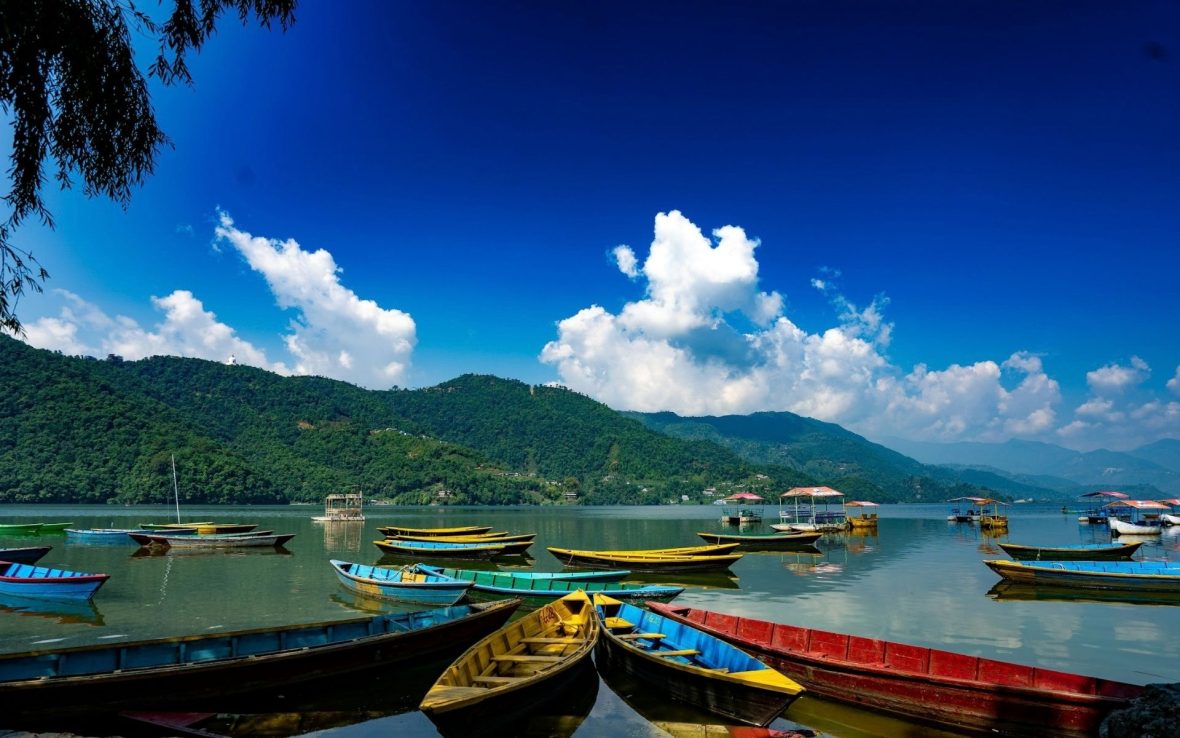
Ultimately, Nepal’s path forward requires a nuanced approach that transcends a binary "open or closed" narrative. By targeting repeat visitors and friends of the country who possess a deep understanding of local conditions, and by maintaining rigorous transparency regarding infrastructure readiness, Nepal can chart a course toward sustainable recovery. Ensuring that tourism returns at the right time and in the right places will allow visitors to play a vital role in revitalizing Nepalese communities, turning travel into a powerful instrument of solidarity and economic renewal.