Albania’s Environmental Crossroads: Rewilding Efforts Clash with Luxury Development on Europe’s Last Wild River

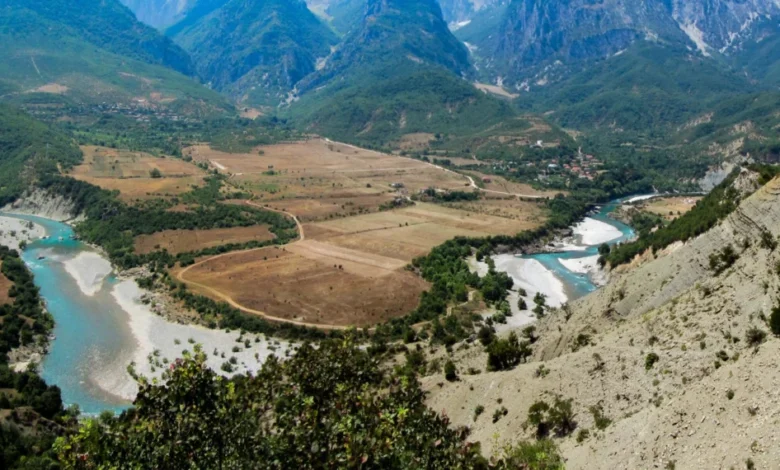
Albania, a nation emerging from a complex environmental legacy shaped by decades of isolationist dictatorship and subsequent rapid development, finds itself at a critical juncture where its burgeoning rewilding efforts are clashing with ambitious luxury tourism projects. At the heart of this conflict lies the Vjosa River, Europe’s last major untamed waterway, and the controversial proposal for a large-scale luxury resort backed by Jared Kushner and Ivanka Trump on what is currently protected land. This situation has ignited widespread protests and drawn international attention, highlighting the delicate balance between economic growth and ecological preservation in a country striving to define its environmental future.
Albania’s Environmental Legacy: A History of Exploitation
In the 1990s, as Albania transitioned from five decades of rigid communist rule under Enver Hoxha, the country embarked on a frantic quest for economic stability and modernization. This era saw significant infrastructure development, particularly in energy, where the nation sought to harness its abundant river power. Energy consultants, including writer Suzy Pope’s father, played a role in planning the construction of dams and hydroelectric plants across Albania’s rivers and lakes. While these projects aimed to provide essential power and drive economic recovery, they often came at a severe environmental cost.
During this period, illegal logging decimated forests, and uncontrolled riverbed extraction further degraded fragile ecosystems. The immediate imperative for economic survival overshadowed environmental concerns, leading to widespread habitat destruction and a significant decline in biodiversity. While other European nations had experienced their own post-war hydroelectric booms, constructing vast concrete structures on rivers like Switzerland’s Alpine waterways or France’s major arteries, Albania’s rapid and often unregulated exploitation led to what many consider the fastest biodiversity loss in Europe. The focus was on taming nature for immediate human benefit, a paradigm that would later be challenged by a growing global environmental consciousness.
The Vjosa River: A Fortuitous Anomaly and National Treasure
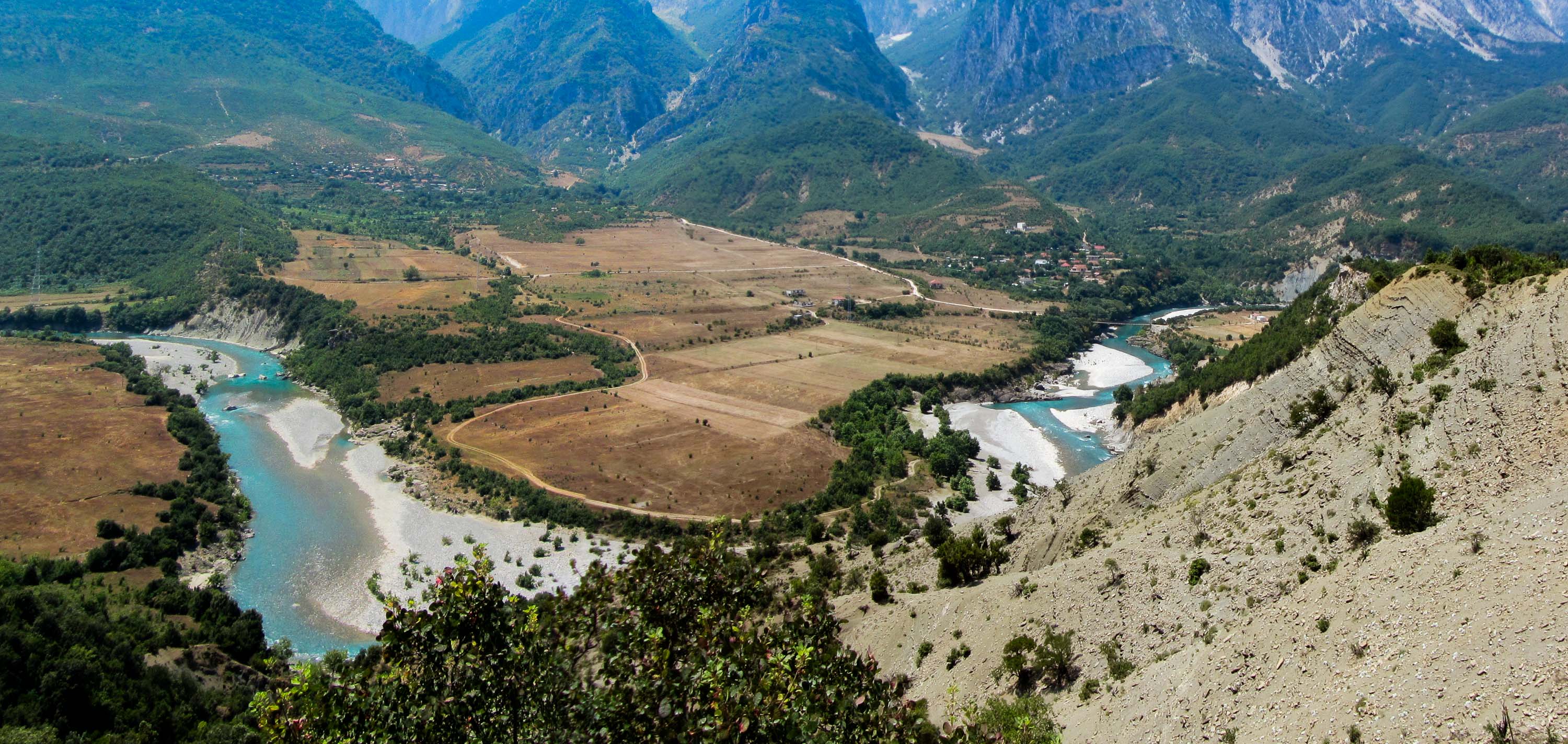
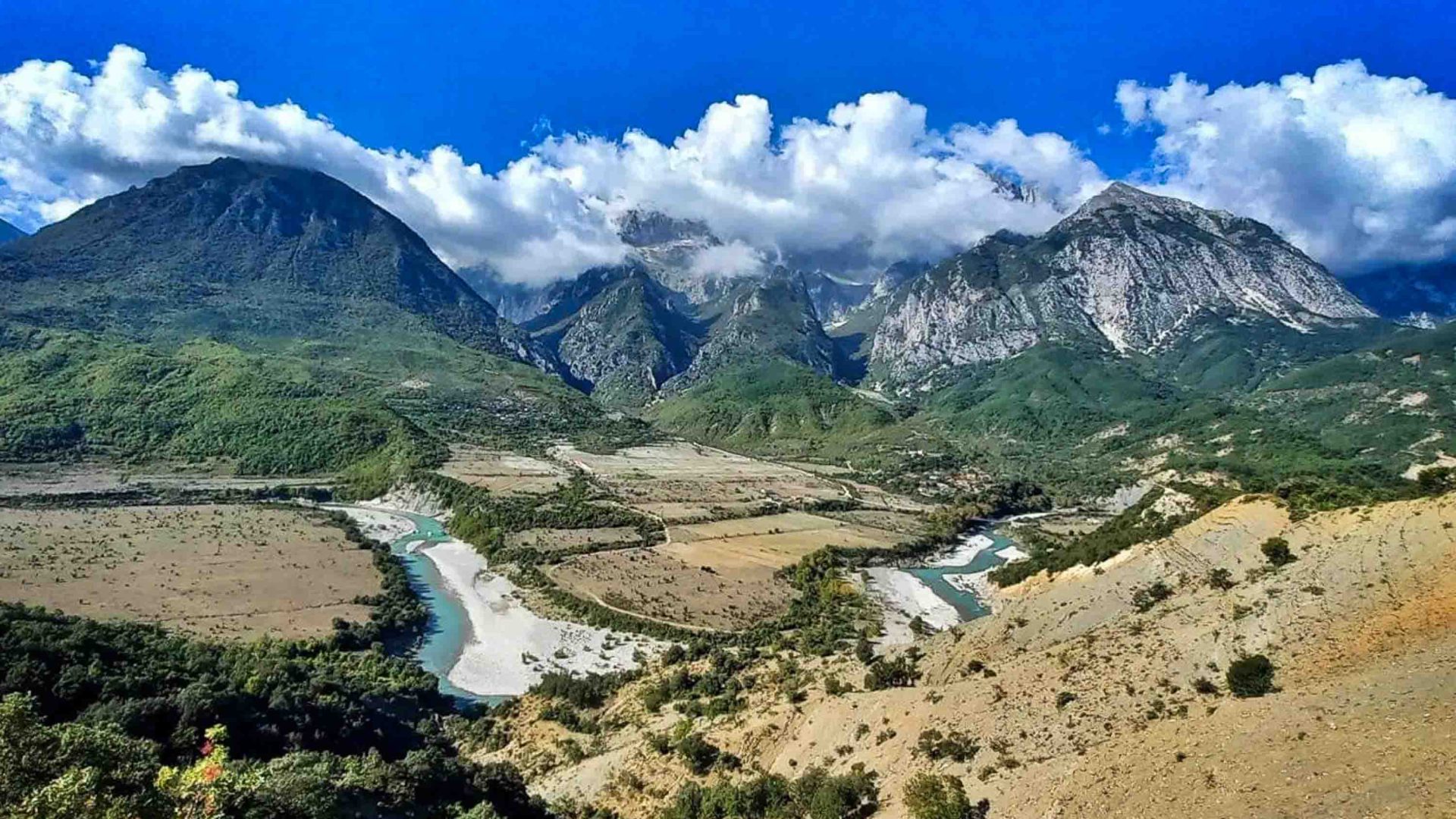
Amidst this history of environmental degradation, the Vjosa River stands as a remarkable exception. Flowing freely for approximately 270 kilometers from its source in Greece’s Pindus Mountains, through southern Albania, and into the Adriatic Sea near Vlorë, the Vjosa has miraculously escaped the widespread damming that has industrialized most of Europe’s major rivers. This untamed status makes it Europe’s last major wild river, a dynamic ecosystem where natural processes dictate its course, supporting an extraordinary array of biodiversity.
Historical attempts to dam the Vjosa were indeed made, both during the communist dictatorship and in the post-communist era. According to local rafting guide and national park ranger Tinor "Uncle Tini," studies during the dictatorship revealed that proposed dams would lead to catastrophic flooding, submerging vast tracts of valuable farmland in the Vjosa Valley. Later, after the fall of communism, financial constraints inadvertently protected the river. As Tini recounts, "It was too expensive to dam the Vjosa River – it was too wide, and too wild… There was not enough money in Albania to tame a river of this power." Around 45 hydroelectric dam projects were planned for the Vjosa at various times, but each was ultimately canceled. This series of fortunate failures preserved the river’s natural flow, allowing it to meander, cut through rock, and shape its unique landscape over millennia.
The ecological significance of the Vjosa is immense. Its dynamic flood pulse creates diverse habitats, supporting over 1,100 species, including 13 globally threatened species and 39 European threatened species. Among these are the critically endangered European eel, the Dalmatian pelican, and various migratory fish species that depend on free-flowing rivers to complete their life cycles. The river and its delta are also crucial nesting and feeding grounds for numerous bird species, including hundreds of flamingos and the endangered Egyptian vulture, which, after decades of absence, has remarkably returned to Albania.
Recognizing its unparalleled ecological value, the Albanian government, under Prime Minister Edi Rama, took a monumental step in March 2023, designating the entire Vjosa River and its major tributaries as a National Park. This historic move created Europe’s first and only Wild River National Park, offering legislative protection against logging, riverbed extraction, and human development. It was widely hailed as a triumph for conservation, a beacon of hope, and a significant step towards reversing the disastrous biodiversity loss suffered during Albania’s communist and post-communist eras.
The Kushner-Trump Resort: A Direct Challenge to Conservation
Barely a year after the celebrated designation of the Vjosa Wild River National Park, its integrity and the broader commitment to environmental protection in Albania faced an unprecedented challenge. In 2024, the Albanian government passed a controversial law that specifically allowed luxury tourism projects from foreign investors to infringe on protected land. This legislative maneuver paved the way for a massive, luxury resort project on Sazan Island and the surrounding Vjosa-Narta landscape, spearheaded by former US presidential advisor Jared Kushner and his wife Ivanka Trump.
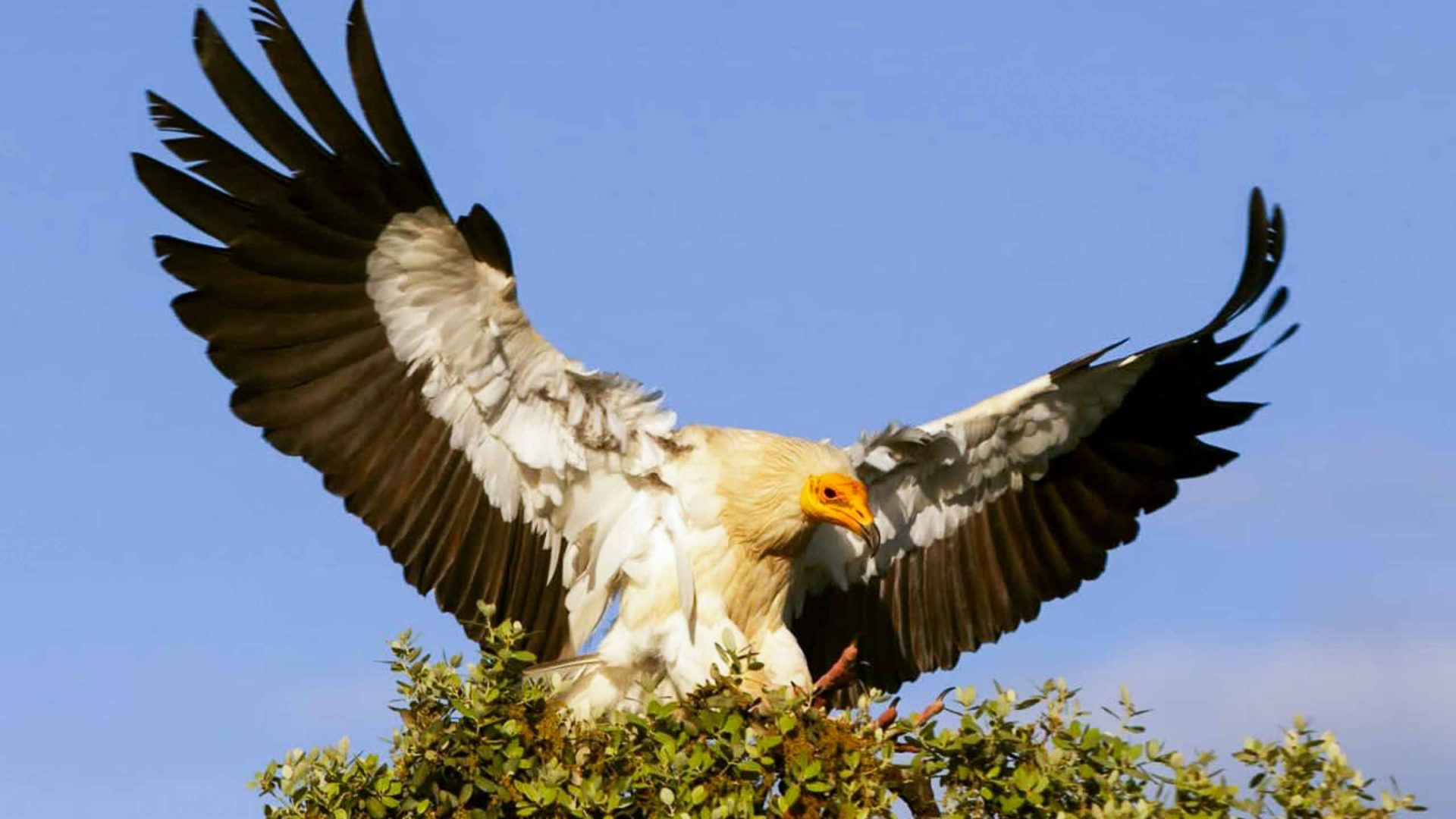
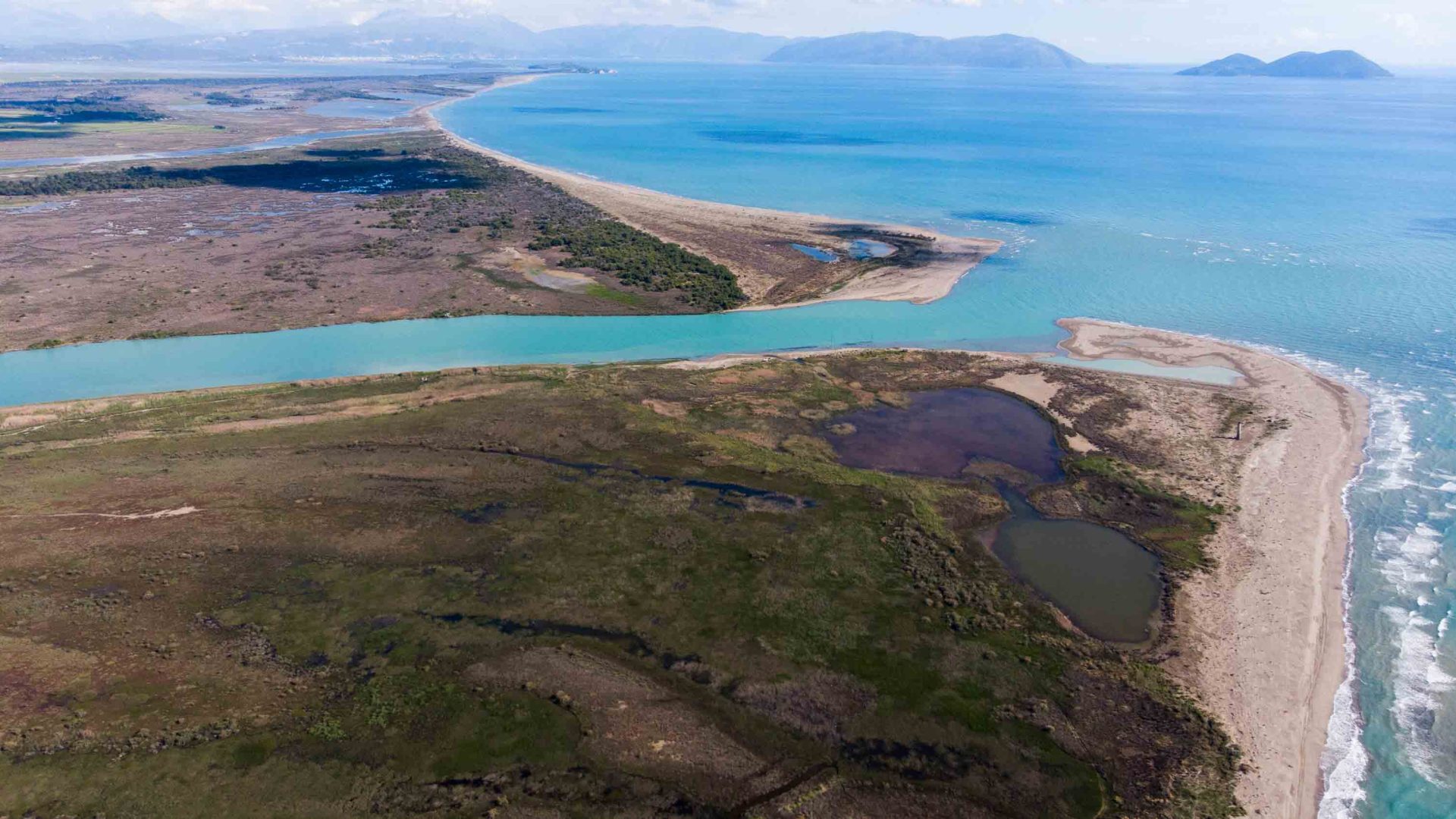
The proposed resort location is situated within the Vjosa delta near Vlorë, a region that is not only part of the recently designated National Park but also a vital ecological corridor. Fencing has already been erected to commence work, raising alarm bells among environmentalists and local communities. The project directly threatens critical habitats for hundreds of flamingos, which have become a powerful symbol of resistance, and the nesting grounds of the endangered Egyptian vulture, a species whose return to Albania was celebrated as a sign of nature’s recovery.
Critics argue that the project not only undermines the very purpose of the National Park and other protected areas but also completely erodes the concept of "public land" in Albania. The 2024 law is seen by many as a loophole designed to prioritize high-profile foreign investment over established environmental safeguards and the public interest. This move has sparked accusations of governmental reneging on its environmental promises and a profound concern that the nation’s unique natural heritage is being sacrificed for short-term economic gains, benefiting a select few rather than the broader Albanian populace.
Public Outcry and the "Flamingo Revolution"
The announcement and progression of the Kushner-Trump resort project have ignited a fierce wave of public opposition across Albania. For weeks, thousands of citizens have filled the center of Tirana, the capital, to protest the government’s decision. This grassroots movement, often referred to as the "flamingo revolution," symbolizes the fight to protect the iconic birds and their habitat, representing the broader struggle for environmental justice and the preservation of Albania’s natural beauty.
Environmental organizations, both local and international, have condemned the project. Groups like EcoAlbania, Riverswatch, and the World Wide Fund for Nature (WWF) have highlighted the irreversible damage such a development would inflict on the Vjosa-Narta wetland complex, which is internationally recognized as an Important Bird and Biodiversity Area (IBA) and a candidate for Natura 2000 status. They emphasize that large-scale construction, associated infrastructure, and increased human activity would disrupt delicate ecosystems, displace wildlife, and degrade the pristine character of the region.
The protests have garnered significant support from prominent figures, including Albanian-British pop star Dua Lipa, who publicly called the demonstrations "inspiring," amplifying the voices of local activists on a global stage. This widespread opposition underscores a growing environmental awareness among the Albanian populace, who are now keenly aware of the long-term consequences of unchecked development, especially given the country’s past experiences with environmental degradation. The conflict represents a deep ideological divide: between those who prioritize large-scale, often foreign-led, luxury development as a path to prosperity, and those who advocate for sustainable, community-based tourism and the intrinsic value of preserving wild nature.
The Global Rewilding Movement: A Stark Contrast
The situation in Albania presents a stark contrast to a powerful and growing movement across Europe: rewilding. While Albania fortuitously preserved the Vjosa due to historical and economic factors, many other European countries are now spending millions, if not billions, on actively restoring their lost natural waterways. This involves removing concrete barriers, defunct dams, and weirs that have fragmented rivers over the last century, reconnecting waterways, and allowing natural processes to take hold.
For instance, the Jukajoki Restoration Project in Finland is correcting man-made ditching and draining in river basins to restore free flow to the sea, thereby revitalizing habitats for species like trout, wading birds, and even brown bears. In Poland and Germany, extensive efforts are underway to rewild the Oder Delta, re-flooding peatlands, re-connecting tributaries, and re-introducing species such as Eurasian Lynx and roaming bison, transforming once-degraded areas into thriving natural landscapes. France, once a leader in hydroelectric dam capacity, has now rewilded over 800 kilometers (500 miles) of river through more than 30 different initiatives, recognizing the ecological and societal benefits of healthy, free-flowing rivers.
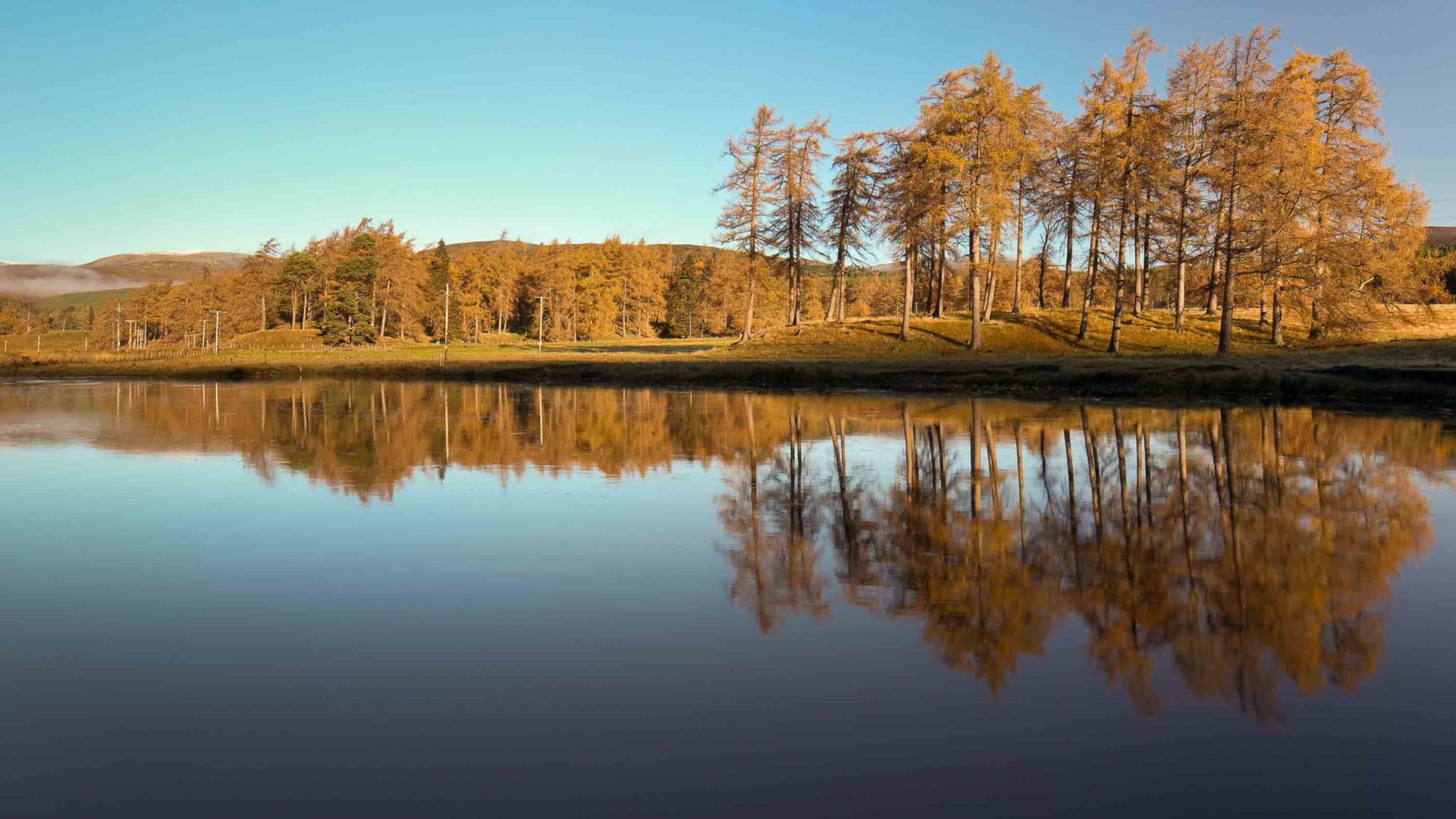
Even in Scotland, where Suzy Pope resides, significant shifts are occurring. The Garlogie Dam on the River Dee in Aberdeenshire was strategically destroyed to enable endangered Atlantic salmon to thrive, re-opening ancestral spawning grounds. Similarly, a £1.6 million (USD 2.2 million) investment from the Scottish Government’s Water Environment Fund has seen trout return to the previously barren waters of Levern Water near Glasgow. These examples highlight a broader European commitment to undoing past environmental mistakes and investing in ecological restoration, making Albania’s current trajectory with the Kushner-Trump project seem profoundly anachronistic and counterproductive.
Sustainable Tourism vs. Mass Development: Two Visions for Albania’s Future
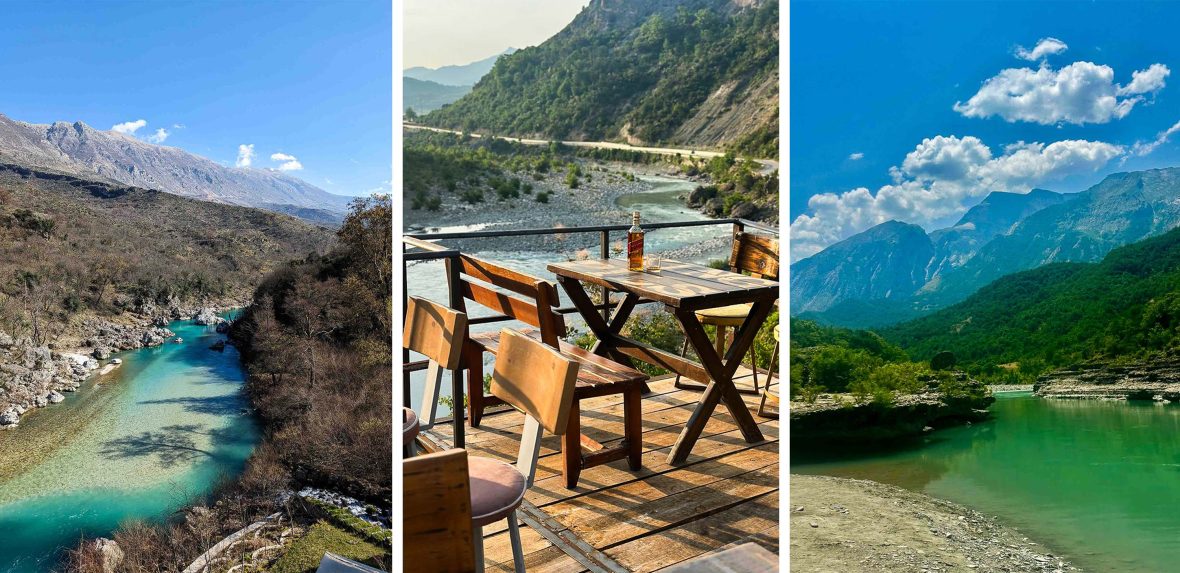
The ongoing debate in Albania also encapsulates two fundamentally different visions for its economic future, particularly concerning tourism. On one hand, there is the model exemplified by communities like Përmet, a charming riverside village situated on the Vjosa. Here, tourism is integrated with the natural environment, fostering local entrepreneurship and offering authentic experiences. As Uncle Tini articulates, "During Communism, I was rafting this river using old truck wheel chocks… I never thought we would have tourists here in Përmet. It is a lifeline for us now. They come to raft the river but stay in local guesthouses. People here can set up a small business by the riverside and make a living."
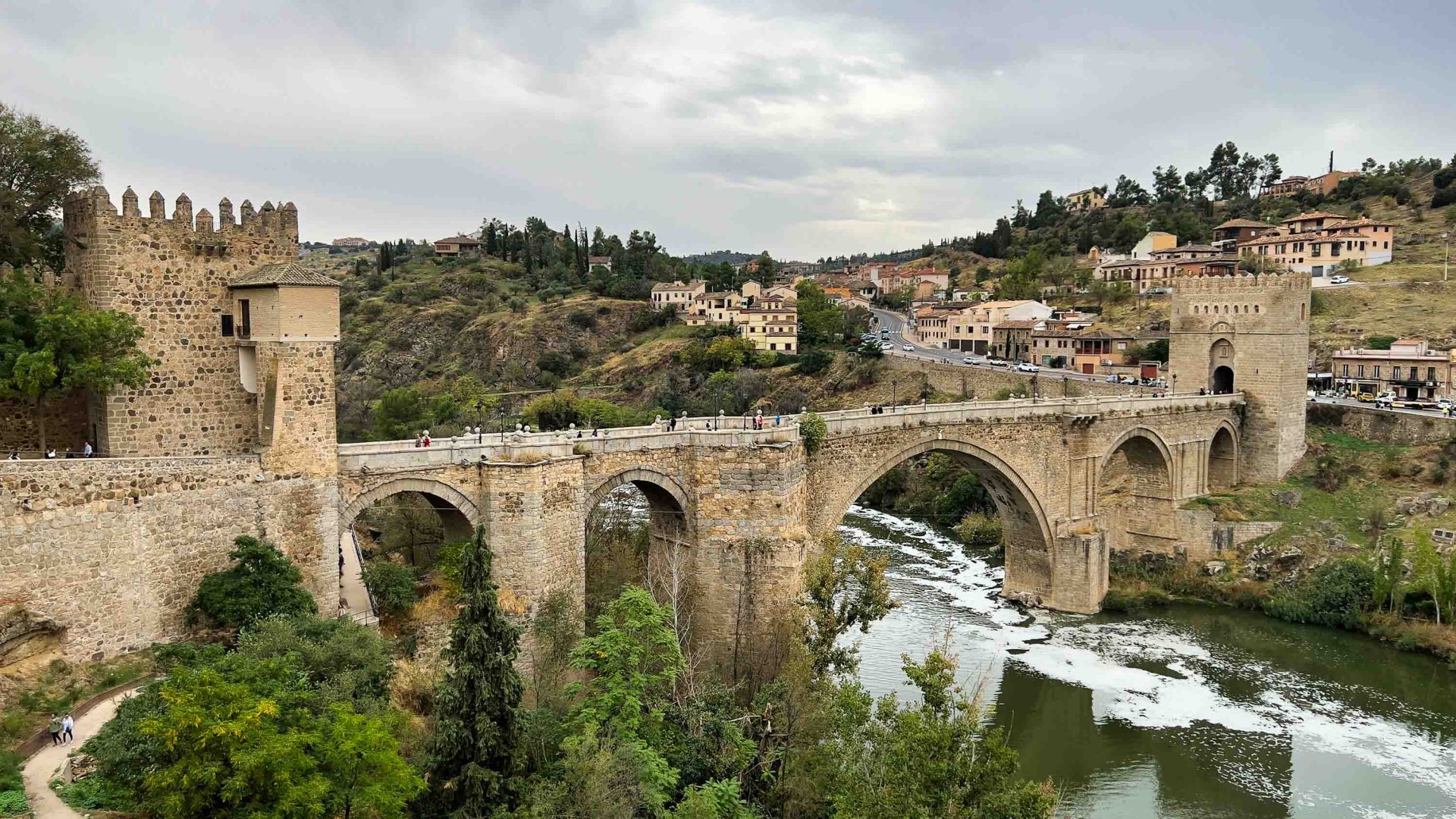
Përmet thrives on a sustainable model: local guesthouses run by families, restaurants serving traditional dishes like cornbread soaked in sheep’s cheese, and lamb slow-cooked on a spit. Tourists engage in activities like rafting the wild rapids of the Vjosa, hiking in surrounding areas, and soaking in natural thermal baths like Benjë, where the Langarica River joins the Vjosa. This type of eco-tourism directly benefits local communities, creating livelihoods that are intrinsically linked to the preservation of the natural landscape. It offers an immersive experience, allowing visitors to witness the return of wildlife, from small wading plovers and majestic herons to kingfishers and the soaring Egyptian vultures, whose delicate migratory patterns Tini diligently monitors.
In stark contrast stands the proposed luxury resort model. While promising high-end tourism and foreign investment, such projects often entail large-scale construction, significant environmental footprints, and a tendency to create enclosed, exclusive spaces that offer limited direct economic benefits to the broader local population. They frequently displace existing communities or alter their traditional ways of life, prioritizing international capital over indigenous livelihoods and cultural heritage. This model raises critical questions about equity, sustainability, and national sovereignty, especially when it involves overriding protected status and potentially marginalizing local businesses that have grown organically around nature-based tourism.
Implications and Future Outlook
The controversy surrounding the Kushner-Trump resort in Albania carries significant implications for the country’s environmental policy, its international standing, and the delicate balance between economic development and conservation. Should the project proceed as planned, it would set a dangerous precedent, signaling that environmental protections can be easily circumvented for politically connected foreign investors. This could undermine the credibility of Albania’s recently established National Park system and deter future conservation efforts.
Furthermore, it could jeopardize Albania’s aspirations for European Union membership, as adherence to environmental directives is a key requirement. International environmental bodies and advocates are closely watching the situation, and a failure to uphold environmental laws could damage Albania’s reputation as a burgeoning eco-tourism destination.
The protests highlight a growing civic engagement and a desire among Albanians to protect their natural heritage. The choice before the Albanian government is profound: to uphold its commitment to preserving Europe’s last wild river and fostering sustainable, community-led tourism, or to prioritize large-scale, potentially environmentally destructive luxury development. As visitors, the choice to support small, riverside communities like Përmet, who are actively striving to protect their environment and its unique wildlife, becomes a powerful act of solidarity. This support not only contributes to their livelihoods but also sends a clear message that the true value of Albania’s natural wonders lies in their preservation, not their exploitation. The future of the Vjosa River, and indeed Albania’s environmental destiny, hangs in the balance.
Related posts: