A Comprehensive Guide to the Culinary Landscape of Melaka: Malaysia’s Historic Food Capital

The coastal enclave of Melaka, situated along the southwestern coast of Peninsular Malaysia, has long occupied a unique position in the nation’s cultural and gastronomic geography. Recognized globally for its rich tapestry of historical influences—spanning centuries of Malay, Chinese, Indian, and Peranakan interactions—Melaka offers a distinct regional cuisine characterized by complex spice profiles, heavy utilization of indigenous herbs, and bold chili combinations. As culinary tourism continues to drive regional travel within Southeast Asia, Melaka stands out as a primary destination for travelers seeking authentic, heritage-driven dining experiences.
Background Context and Historical Significance
Melaka’s status as a premier culinary destination is deeply rooted in its history as a major international trading port during the 15th-century Malacca Sultanate, followed by successive periods of Portuguese, Dutch, and British colonial rule. This confluence of maritime trade routes facilitated an exchange of ingredients and cooking techniques that birthed the distinctive Peranakan (or Nyonya) cuisine, alongside localized variations of traditional Malay and Chinese dishes.

In recent years, food tourism has emerged as a critical economic driver for the historic town, which holds UNESCO World Heritage status. Visitors flock to the state not only for its architectural landmarks but for specialized regional delicacies that are difficult to replicate elsewhere. Culinary researchers and travel journalists frequently cite Melaka’s distinct flavor profiles—balancing sourness, heat, and aromatic herbs—as central to the broader narrative of Malaysian gastronomy.
Chronological Itinerary of Iconic Melaka Dining Establishments

A systematic exploration of Melaka’s culinary offerings requires navigating a diverse array of establishments, ranging from historic coffeeshops to bustling seaside seafood grills. Below is a structured examination of five prominent culinary institutions that define the local dining landscape.
- Kedai Kopi Chung Wah: The Pinnacle of Hainanese Chicken Rice
Situated at the intersection of Melaka’s famed Jonker Street, Kedai Kopi Chung Wah represents a cornerstone of traditional Hainanese-Chinese cuisine in the region. Operating within a classic coffee shop environment, the establishment is renowned for its signature dish: Hainanese chicken served alongside compressed rice balls.
The preparation of the rice balls involves shaping warm, garlic-infused chicken broth-cooked rice into compact spheres, imparting a distinct smoky aroma and dense texture. This is paired with poached chicken characterized by its tender meat, gelatinous skin, and a specialized vinegar-and-garlic dipping sauce. Culinary historians note that the rice ball format was originally developed by early Chinese laborers in Melaka to keep the rice warm and portable during long working hours, a functional necessity that has evolved into a regional specialty.

- Asam Pedas Pak Man: Mastery of Sour and Spicy Broths
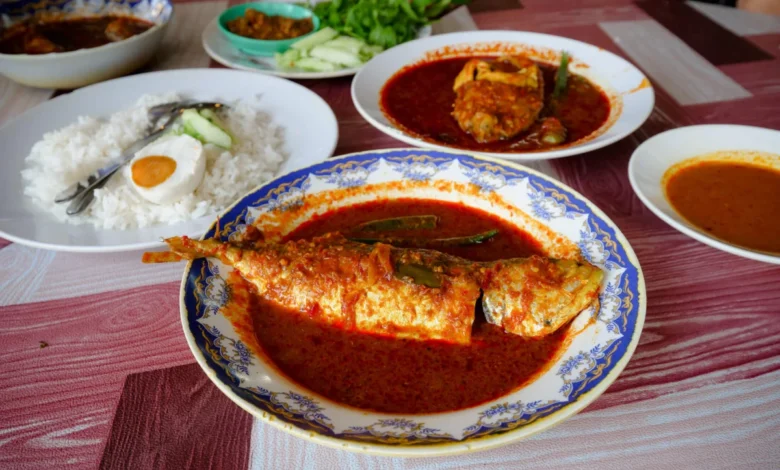
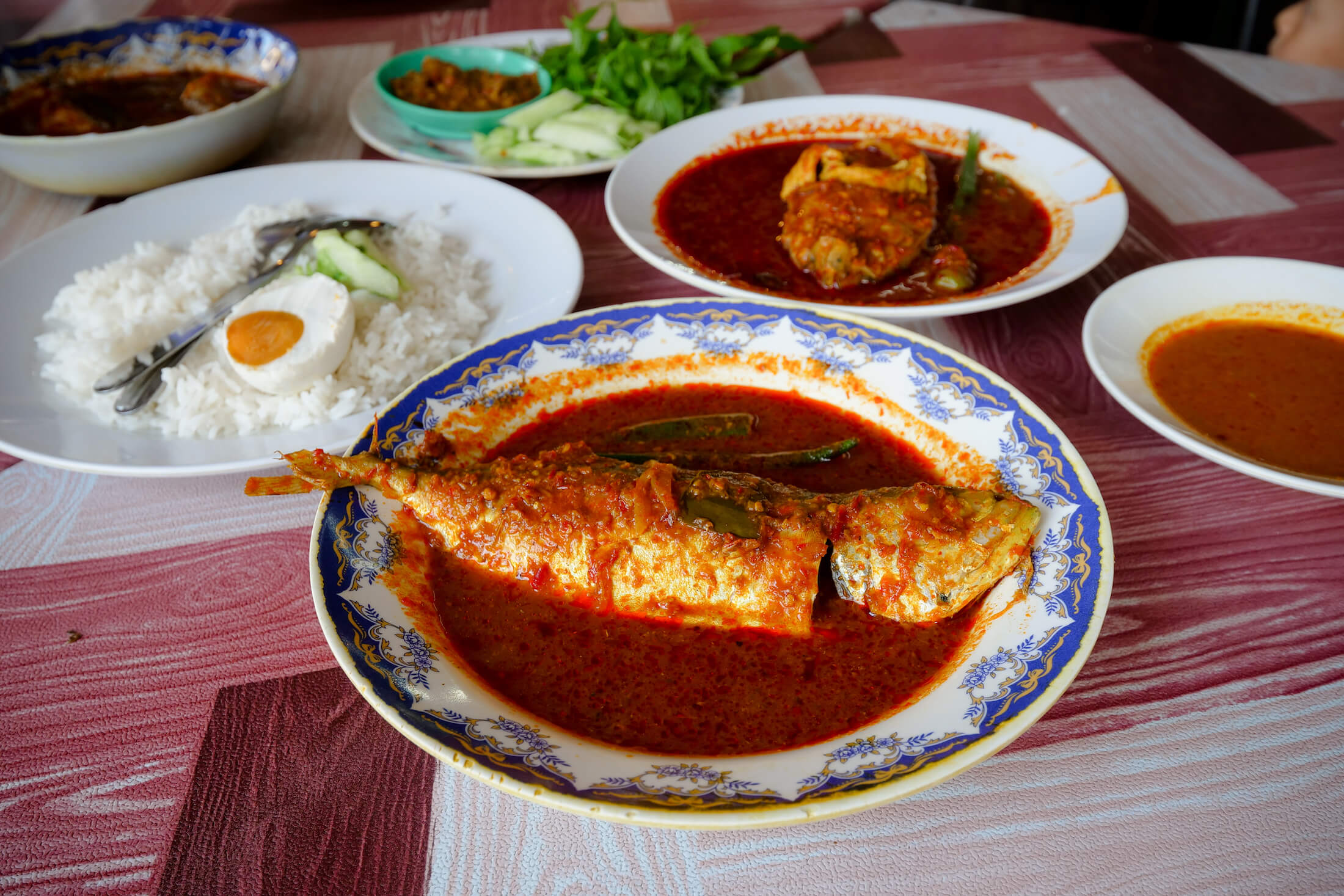
Moving into traditional Malay cuisine, Asam Pedas Pak Man highlights the region’s mastery of bold, acidic, and fiery flavor profiles. Asam pedas, translating literally to "sour spicy," is a tamarind-based curry soup enriched with chili peppers, ginger torch flower, and Vietnamese mint.
The restaurant, situated within the city, sources daily catches from local fishermen, frequently featuring baramundi (local-language ikan tongol) or skipjack tuna. The fish is simmered for hours in the pungent broth, allowing the proteins to absorb the complex flavors. Alongside its core offering, the establishment is noted for its adherence to traditional breakfast items, including roti canai and a wide selection of Peranakan coconut-based confectionries known as kuih, which frequently sell out within hours of opening.
- Klebang Original Coconut Shake: Modern Refreshment in a Historic Town
Addressing the tropical climate of Peninsular Malaysia, the Klebang Original Coconut Shake has evolved from a local roadside stall into a prominent beverage destination. Located a short distance outside the immediate downtown core near the coastline, the establishment specializes in blending fresh coconut water and tender coconut flesh with crushed ice and vanilla ice cream.
The operational scale of the business underscores the massive demand for localized refreshment, with thousands of servings prepared daily using freshly husked coconuts. The site also functions as an informal hub for casual Malay street food, offering items such as nasi lemak and fried fish products (keropok), reflecting the commercial viability of pairing innovative beverage concepts with traditional staples.

- Ban Lee Siang Satay Celup: Communal Dining and Interactive Cuisine
Satay celup is a uniquely localized dining concept that merges Chinese steamboat methodologies with traditional Malay peanut sauce flavor profiles. At Ban Lee Siang, patrons select from an extensive array of raw and semi-processed skewers—including meats, seafood, vegetables, and tofu—and cook them communally in a boiling pot of rich, spiced peanut and chili gravy located at each table.
The interactive nature of the meal transforms dining into a communal activity. The billing system relies on the physical counting of discarded wooden skewers, providing a transparent and efficient metric for both the consumer and the establishment. Food anthropologists often highlight satay celup as a prime example of culinary syncretism in Malaysia, seamlessly bridging communal eating habits across cultural divides.
- Ikan Bakar Hj Musa: Coastal Charcoal-Grilled Seafood
Concluding a comprehensive tour of Melaka’s gastronomic offerings, Ikan Bakar Hj Musa provides insight into the coastal seafood culture of the state. Specializing in charcoal-grilled fish, squid, and crustaceans, the open-air restaurant utilizes a unique ordering system where patrons select fresh seafood by weight, pair it with preferred cooking styles, and await preparation over open flames.
A defining characteristic of the establishment is its proprietary chili sambal, which is applied to the hot seafood immediately upon removal from the charcoal grill. The residual heat partially cooks the cool sambal, transforming it into a textured, jam-like glaze infused with chili peppers, shallots, and aromatic herbs. Offerings such as grilled stingray (ikan pari) and salted shrimp demonstrate the technical proficiency of local grill masters in balancing smoke, spice, and natural seafood sweetness.

Comparative Price Points and Economic Accessibility
A notable aspect of Melaka’s culinary sector is its high degree of economic accessibility. Based on field observations across these primary establishments, meals remain exceptionally cost-effective relative to international dining standards.

- Kedai Kopi Chung Wah: A standard meal for patrons averages approximately 28 RM (approx. $6.77 USD).
- Asam Pedas Pak Man: Comprehensive meals featuring multiple fish selections and side dishes average around 73 RM (approx. $17.75 USD).
- Klebang Original Coconut Shake: Specialty beverages are priced between 2.40 RM and 2.95 RM (approx. $0.55 to $0.70 USD).
- Ban Lee Siang Satay Celup: Individual skewers are priced at 1 RM each (approx. $0.22 USD), allowing for flexible budgeting based on consumption.
- Ikan Bakar Hj Musa: Extensive seafood feasts for multiple diners average approximately 99 RM.
This pricing structure ensures that traditional gastronomy remains accessible to both domestic working-class residents and international tourists, supporting a vibrant local economy centered around food service and agriculture.
Broader Implications and Future Outlook of Melaka’s Food Sector

The sustained popularity of Melaka’s traditional eateries carries significant implications for the region’s socio-economic fabric. As culinary tourism gains momentum through digital media platforms and international travel guides, heritage food vendors face the dual challenge of scaling operations to meet rising demand while preserving the authenticity of multi-generational recipes.
Local municipal authorities and tourism boards increasingly leverage these culinary assets in promotional campaigns, recognizing that food serves as a primary ambassador for cultural heritage. Furthermore, the reliance on regional supply chains—such as local fisheries for Asam Pedas and coconut smallholders for beverage operations—ensures that the economic benefits of tourism permeate the broader agricultural and primary sectors of the state.

In conclusion, Melaka’s culinary landscape functions as a living archive of Malaysia’s multicultural history. Through dishes that demand meticulous preparation and historical continuity, the town maintains its standing as an indispensable destination for those seeking to understand the complexities of Southeast Asian gastronomy.