The Ultimate Guide to Essential Fall Camping Gear for Wilderness Expeditions and Car Camping Trips

As the autumnal equinox marks the transition toward shorter days and plummeting temperatures, the logistics of outdoor recreation shift significantly. Fall camping presents a unique set of challenges compared to mid-summer excursions, necessitating a strategic approach to thermal regulation, energy management, and equipment durability. Whether planning a multi-day backpacking trek through changing foliage or a localized car camping retreat, the difference between a successful outing and a safety hazard often rests on the technical specifications of the gear deployed. This comprehensive assessment outlines the essential hardware and apparel recommended for maintaining core body temperature, sustainable energy independence, and logistical efficiency during the shoulder season.
The Thermal Science of Fall Camping
The primary obstacle during autumn camping is the rapid fluctuation in ambient temperature. Meteorological data indicates that overnight lows during September and October can drop by as much as 30 to 40 degrees Fahrenheit in mountainous regions. Physiological studies on thermoregulation suggest that maintaining extremities—specifically the feet—is vital to preventing systemic hypothermia and preserving peripheral circulation.
For base-layer foot comfort, materials such as Peruvian alpaca wool have gained traction among outdoor professionals due to their high warmth-to-weight ratio and natural moisture-wicking properties. Unlike traditional sheep’s wool, alpaca fibers are semi-hollow, creating a superior insulating barrier. Brands like PAKA have integrated these fibers into high-performance hosiery, ensuring that hikers remain dry during strenuous ascents while retaining heat during stationary periods at camp.
Energy Independence and Sustainability in the Backcountry
Modern camping has evolved beyond the traditional campfire. Today, the integration of portable energy solutions allows for greater safety and extended stay durations. The industry has seen a pivot toward solar-powered infrastructure and bio-energy.
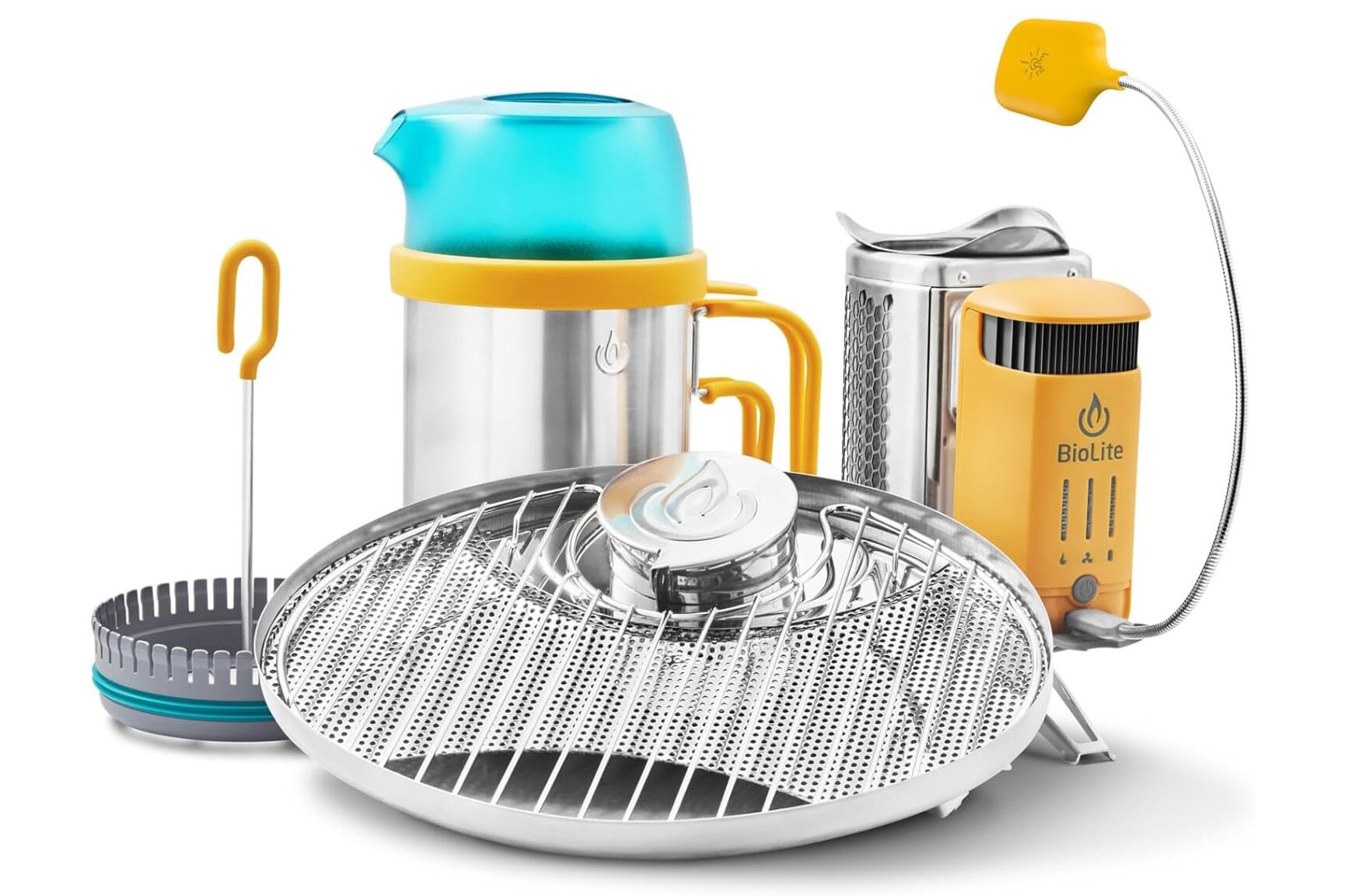
The BioLite Campstove 2 exemplifies this technological shift. By utilizing thermoelectric generation, the stove converts waste heat from burning biomass into usable electricity, stored in an internal battery. This provides a dual-purpose utility: cooking fuel and a power bank for mobile devices. According to environmental impact reports from the outdoor sector, the adoption of biomass-burning stoves reduces the necessity for disposable pressurized propane canisters, which are a significant contributor to landfill waste in national parks.
For those requiring higher output—such as those operating camera equipment or medical devices—portable power stations from companies like Jackery have become standard. These lithium-ion battery arrays, when paired with foldable photovoltaic panels, provide a closed-loop energy system. Field tests demonstrate that a 1,000-watt-hour system can sustain an entire campsite’s lighting, heating, and communication needs for several days, provided there is adequate solar exposure.
Logistical Efficiency: Cooking and Hydration
Fall conditions often mandate rapid caloric intake to fuel the body’s metabolic response to cold. The JetBoil Flash Cooking System remains a benchmark in the industry for its heat-transfer efficiency. By utilizing a flux-ring design, the system minimizes wind interference and maximizes heat distribution, boiling water in approximately 100 seconds. This efficiency is critical in high-altitude environments where oxygen levels are lower and flame consistency is difficult to maintain.
To complement these systems, vacuum-insulated stainless steel vessels, such as the YETI Rambler series, are essential. Thermal retention is not merely a matter of comfort but of safety; maintaining a steady intake of warm fluids is a recognized method for preventing early-stage dehydration and hypothermia in cold-weather conditions.
Apparel Systems: The Layering Strategy
The "three-layer system"—base, mid, and outer—remains the gold standard for fall expeditions. The objective is to manage perspiration during activity and heat retention during inactivity.
- Mid-Layers: Flexible, thermal-regulated garments like those produced by Voormi provide the necessary breathability. Their use of "dual-surface" wool technology allows for active moisture movement, meaning the wearer does not need to constantly adjust layers to prevent overheating.
- Outer Layers: The down jacket has seen a resurgence in design sophistication. The Cotopaxi Fuego, for instance, utilizes 800-fill, responsibly sourced goose down. The importance of the "responsible sourcing" label cannot be overstated; it represents a broader industry commitment to supply chain transparency and ethical animal husbandry, a trend that has been codified by organizations like the Textile Exchange.
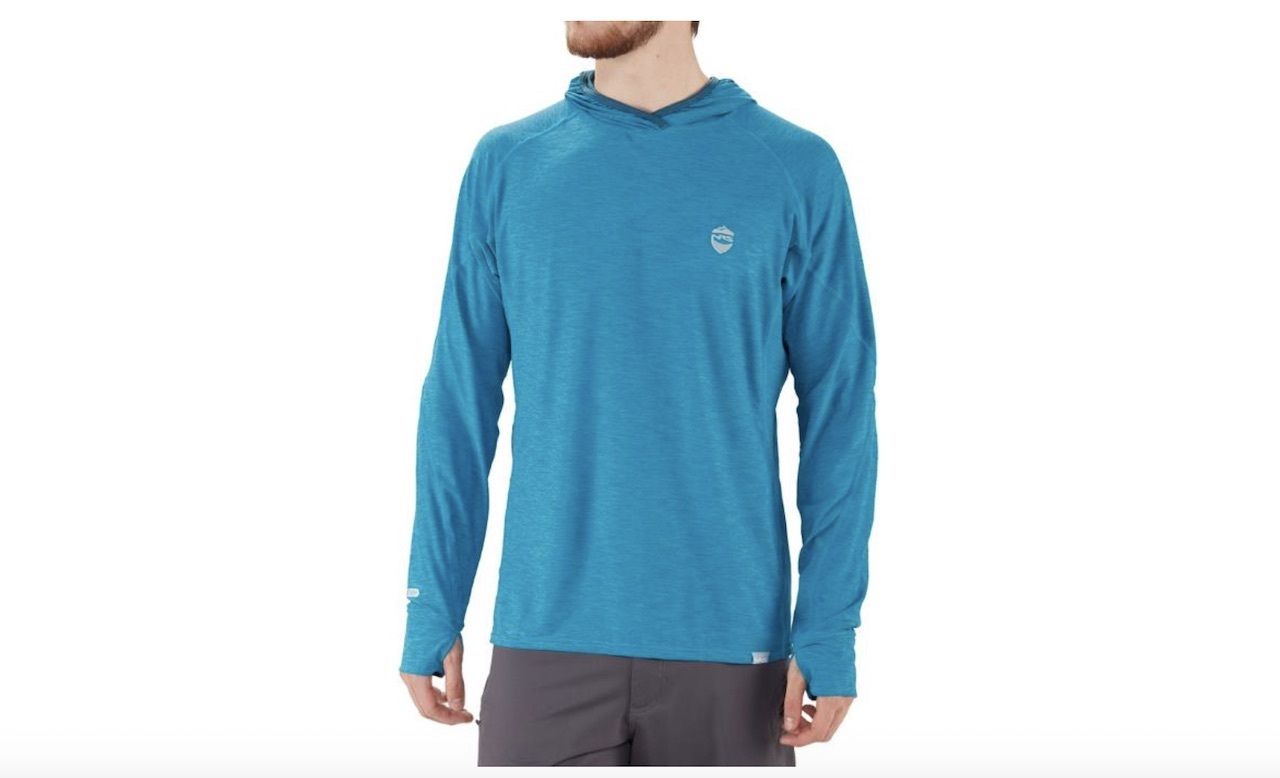
- Sun Protection: Even in autumn, UV radiation at altitude is intense. Sun-protective clothing, such as the NRS H2Core Silkweight series, is engineered with synthetic fabrics that offer UPF 50+ protection. This is a critical departure from traditional sun-blockers, which can be messy and require frequent reapplication.
Ergonomics and Load Distribution
A critical failure point for many fall campers is the improper selection of carrying systems. As trips grow longer and gear gets heavier to account for extra layers, the structural integrity of the backpack becomes paramount. The 2021 redesign of the Osprey Ariel and Aether series focused on injection-molded back panels. This engineering approach allows for a customized fit that conforms to the user’s spinal curvature, effectively shifting the load from the shoulders to the iliac crest. For a 60-liter pack, this distribution is essential for preventing long-term muscular fatigue.
Broader Implications and Industry Outlook
The fall camping gear market is currently experiencing a maturation phase. Consumers are prioritizing multi-functional, durable, and sustainable products over disposable "fast-gear." Market analysts note that the average spend per trip for fall camping has increased by approximately 15 percent over the last three years, largely driven by investments in high-end, long-lasting equipment.
This shift suggests that outdoor enthusiasts are increasingly viewing camping as a year-round activity rather than a seasonal pursuit. Consequently, manufacturers are under pressure to provide products that perform across a wider spectrum of environmental variables. The integration of recycled materials, such as those found in the RUMPL Original Puffy Recycled Blanket, is no longer a niche preference but a consumer expectation.
Strategic Planning for the Season
As weather patterns become more volatile, the importance of preparedness cannot be overstated. A well-equipped camper in late October is one who has accounted for both the warmth of the afternoon sun and the freezing temperatures of the midnight hours.
- Site Selection: Always prioritize proximity to natural windbreaks and avoid low-lying drainage areas where cold air settles.
- Energy Management: Always carry a redundant power source. Solar panels should be deployed early in the day to maximize the sun’s angle.
- Apparel Maintenance: Ensure that all down-filled items are kept dry; down loses its insulating properties entirely when saturated. Use waterproof stuff sacks to protect these items within the pack.
- Nutrition: Focus on high-fat, high-protein meals that require minimal prep time, as fuel reserves must be guarded during long, cold nights.
The gear listed above—ranging from specialized footwear to solar-powered generators—represents the current technological ceiling for recreational camping. By selecting equipment based on durability, energy efficiency, and thermal performance, campers can extend their season well into the late autumn, fostering a deeper connection with the wilderness while ensuring personal safety and comfort. As the industry continues to innovate, the barrier between extreme-condition mountaineering and casual weekend camping continues to blur, offering the average enthusiast unprecedented access to high-performance tools once reserved for professional explorers.