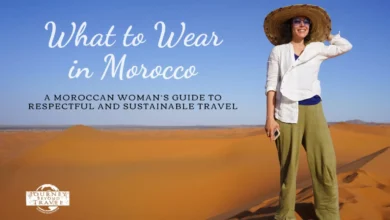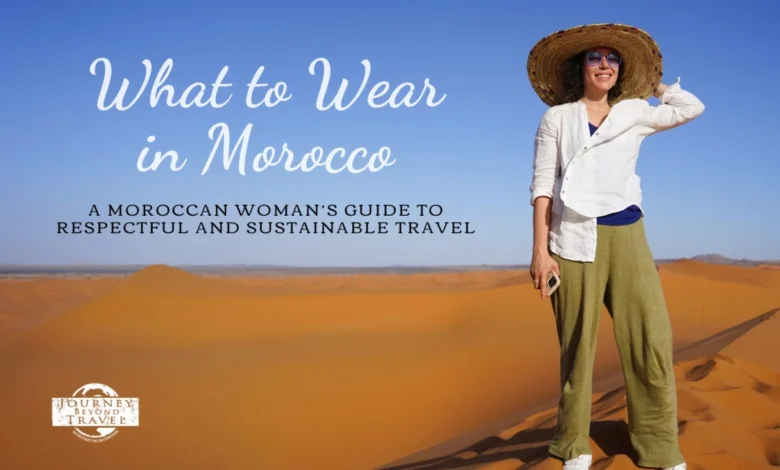
The question of what to wear in Morocco is a frequent point of inquiry for international travelers, reflecting a growing awareness of the intersection between personal style, climate demands, and cultural etiquette. While Morocco does not mandate a legal dress code for visitors, the North African nation balances a liberal, modern outlook with deeply rooted conservative traditions. Understanding these nuances is essential for travelers seeking to minimize their environmental footprint, respect local customs, and ensure a seamless experience across the country’s diverse urban and rural landscapes.
A Cultural Landscape in Transition
Morocco’s social fabric is defined by its history as a melting pot of Berber, Arab, and European influences. Throughout the 20th century, especially in cosmopolitan hubs like Tangier and Casablanca, fashion was often an eclectic mix of traditional jellabas—long, hooded tunics—and Western-style silhouettes. However, the social landscape has shifted in the last two decades. While the country remains an open society, urbanization and increased global connectivity have prompted a dialogue regarding public modesty.
Sociological observations indicate that in many regions, women have gravitated toward more conservative attire as a strategic choice to navigate public spaces and mitigate unwanted attention. This trend is particularly pronounced in smaller, rural, and mountainous communities, where local customs are more strictly adhered to than in the rapidly evolving tourist districts of Marrakesh or the coastal surf villages of the Atlantic.

Climatic Considerations and Seasonal Packing
Morocco’s geography ranges from the Mediterranean coast and the snow-capped High Atlas Mountains to the arid, scorching expanse of the Sahara Desert. Packing strategies must therefore be modular to accommodate significant temperature fluctuations.
Spring and Summer Dynamics
During the spring, the weather is generally temperate, though regional microclimates exist. Chefchaouen, the "Blue City," may experience rainfall and temperatures near 55°F, while the Sahara can see daytime highs exceeding 110°F. Summer months are characterized by extreme heat, particularly in the interior. In Marrakesh, temperatures frequently reach 100°F, necessitating the use of lightweight, breathable fabrics like linen and organic cotton. These materials are not only functional for heat dissipation but also align with the growing demand for sustainable travel practices.
Fall and Winter Realities
Fall is widely considered the optimal season for travel, offering moderate temperatures between 60°F and 90°F. As the year turns to winter, the climate becomes polarized. Coastal cities remain mild, but nighttime temperatures in the interior and the desert can plummet toward freezing. Travelers are advised to pack high-quality merino wool layers, fleece, and heavier coats to handle the cold during mountain excursions, where snowfall is a regular occurrence.
The Pragmatics of Sustainable Packing
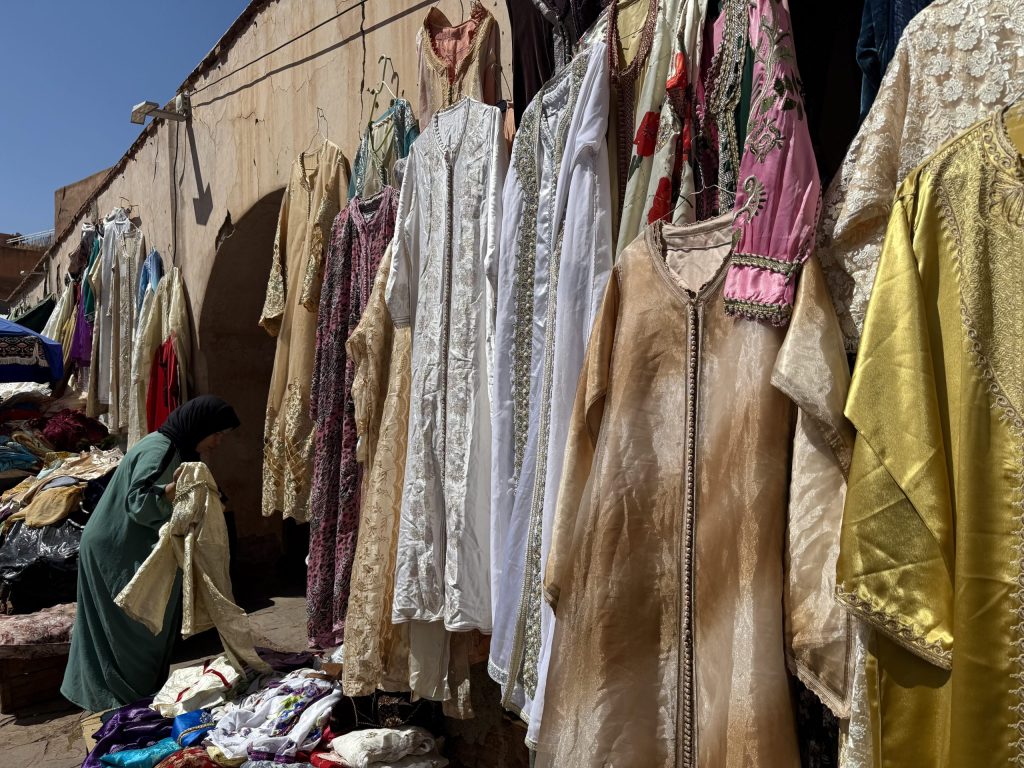
Modern travel trends emphasize the "less is more" philosophy. Beyond the environmental benefit of carrying less weight, Morocco offers a rich market of local artisanal goods. Engaging with the local economy by purchasing handmade garments—such as kaftans, embroidered tunics, or leather footwear—serves as a sustainable alternative to importing mass-produced fast fashion.

Industry experts suggest prioritizing natural fibers. Linen, in particular, is a staple for Moroccan travel; while it is prone to wrinkling, it remains the most effective material for sun protection and moisture-wicking. For those concerned about garment maintenance, the prevalence of traditional Riads means that professional ironing services are almost always available, providing a practical solution to clothing care.
Footwear and Terrain Management
The geography of Morocco demands a versatile approach to footwear. The medinas, with their narrow, uneven cobblestone alleys, require shoes that offer significant support and traction. While sandals are appropriate for casual settings, closed-toe walking shoes are recommended for extended city exploration to protect against dust and debris. In the desert, breathable sneakers or specialized hiking gear are mandatory to navigate shifting sands and rocky trails. Furthermore, purchasing locally crafted raffia footwear supports traditional artisans while providing a lightweight, breathable option suitable for the Moroccan climate.
Essential Accessories and Modesty Guidelines
Though headscarves are not mandatory for visitors—and, in fact, the niqab and burqa are strictly regulated by the state—a versatile scarf or shawl remains the single most important item in a traveler’s inventory. A lightweight scarf serves multiple functions: it acts as a sun shield, a modest cover for religious sites or rural villages, and an extra layer for chilly desert nights.
Sun protection is a year-round requirement. Due to the intensity of the North African sun, travelers are encouraged to use mineral-based, reef-safe sunscreens. Many local pharmacies stock high-quality, locally produced argan oil, which serves as a multipurpose moisturizer, reflecting a move toward chemical-free and low-waste self-care routines.
Navigating Social Etiquette
When selecting an outfit, travelers should adopt the "three C’s" framework: Comfort, Climate, and Customs. While Western tourists are rarely expected to adhere to the same standards as local residents, showing cultural awareness is a hallmark of the responsible traveler.
In popular tourist destinations, local fashion is often an avant-garde fusion of traditional and modern influences. However, when visiting families or rural areas, it is standard practice to ensure that shoulders, cleavage, and legs are covered. This is not a formal restriction but a social gesture that acknowledges local norms and fosters mutual respect. In upscale dining establishments or hotels, dress codes may lean toward "smart casual," and it is recommended to confirm any specific requirements at the time of reservation.
Economic Impact and Local Craftsmanship
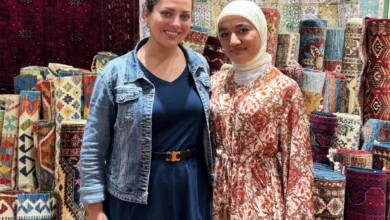
The decision of what to pack has broader implications for Morocco’s artisanal sector. By choosing to buy clothing locally, travelers directly contribute to the livelihoods of weavers, tailors, and cobblers.
- Marrakesh: Known for the Chabi Chic brand and the historic Souk L’ghzal, where vintage textiles and wool products are sold.
- Tangier: Home to boutique concept stores like Las Chicas and the Kasbah Collective, which showcase local designers.
- Essaouira: Renowned for high-quality raffia footwear and artisanal leatherwork.
- Rabat: The center for contemporary, minimalist silver jewelry, often incorporating traditional Berber motifs.
Conclusion and Strategic Implications
The integration of fashion into the broader travel experience in Morocco serves as a bridge between the visitor and the host culture. By moving away from restrictive packing lists and toward a philosophy of respectful, locally-integrated style, travelers enhance their own comfort while supporting the preservation of Moroccan craftsmanship. As the country continues to develop as a global tourism destination, the ability of travelers to adapt their personal presentation to local realities will remain a key component of ethical, sustainable, and meaningful travel. Whether navigating the vibrant souks or the quiet expanse of the Atlas Mountains, the modern traveler is encouraged to view their wardrobe as a tool for cultural connection rather than a mere necessity.