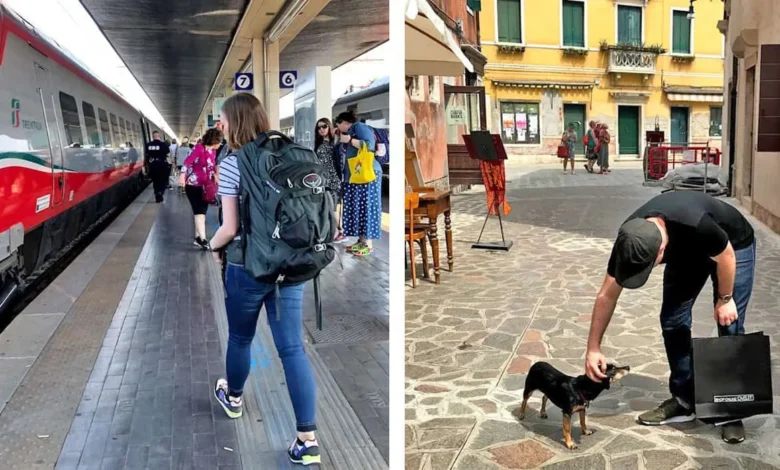
Choosing the correct footwear is widely recognized by seasoned globetrotters as one of the most critical yet frustrating components of international travel preparation. When embarking on an extended journey—particularly to historic European destinations featuring uneven cobblestone streets, sprawling museums, and sprawling metropolis centers—tourists routinely log between five and ten miles of walking per day. Consequently, investing in appropriate footwear is not merely a matter of personal style, but a physiological necessity to prevent fatigue, blisters, and joint strain.

The challenge lies in balancing aesthetic appeal with ergonomic support. Travelers frequently struggle to find shoes that harmonize with local European fashion sensibilities while offering the rugged durability required for high-mileage daily exploration. To streamline this process, comprehensive footwear evaluations categorized by activity and style provide a reliable framework for both men and women navigating the global retail landscape.
Essential Factors for Evaluating Travel Footwear
Before committing to a specific pair of travel shoes, consumers must weigh several functional criteria. Ergonomists and travel experts recommend evaluating arch support, breathability, weight, and weather resistance. Footwear that lacks adequate cushioning can exacerbate the impact of hard pavement, while non-breathable materials frequently lead to moisture buildup and subsequent blistering.
Furthermore, weight is a critical consideration for packing efficiency. Heavy boots or rigid soles add unnecessary bulk to luggage, making lightweight, versatile designs the preferred choice for modern minimalists. When purchasing footwear online, sizing discrepancies across international brands can pose significant hurdles. Retailers such as Zappos have mitigated this friction by offering expedited shipping and complimentary return policies, allowing consumers to order multiple sizes to ensure an optimal fit before embarking on their journey.
Categorical Footwear Recommendations: Sneakers and Casual Options
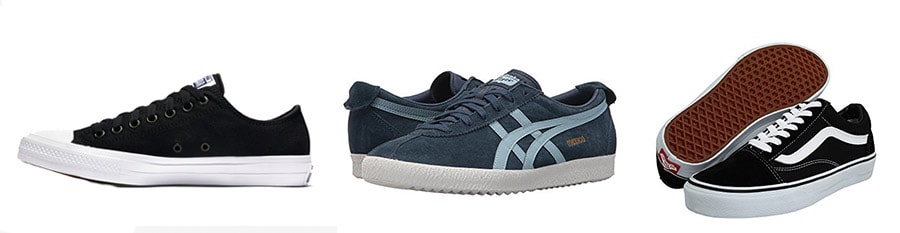
Contrary to outdated travel myths, wearing sneakers abroad no longer instantly marks an individual as an uninformed tourist. Contemporary European fashion heavily embraces sporty-casual footwear, provided the silhouettes are sleek and well-maintained.
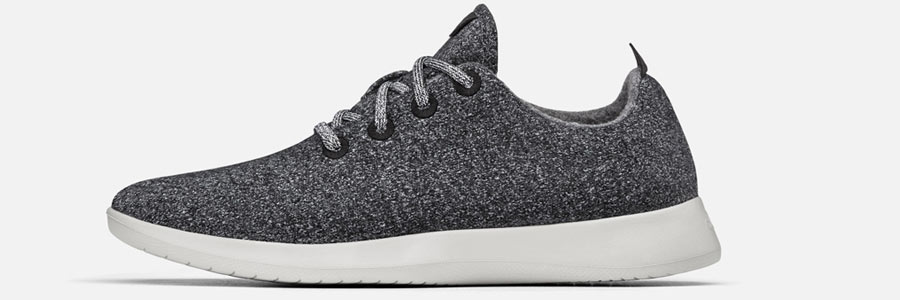
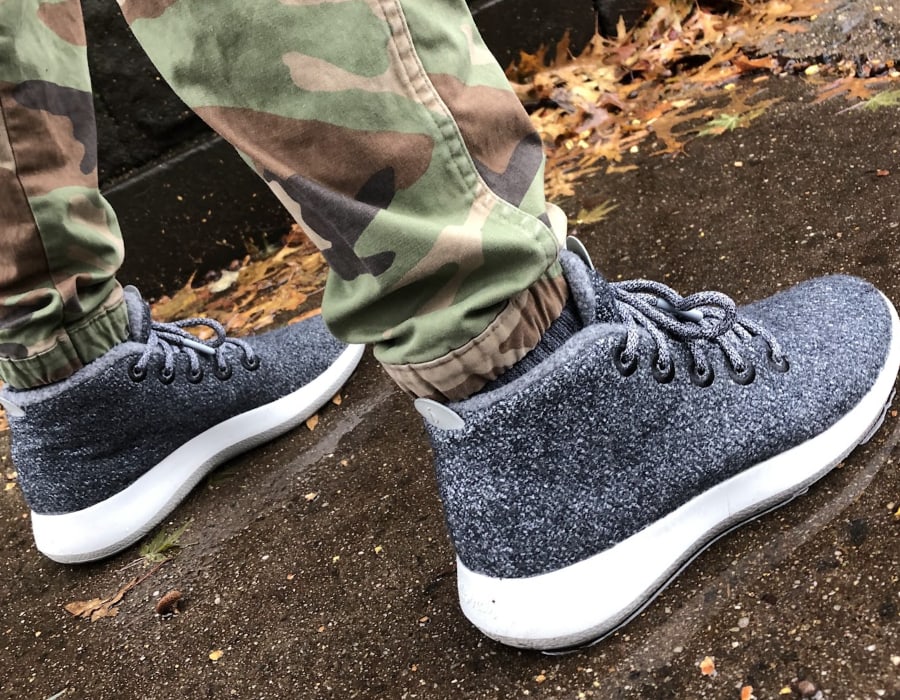
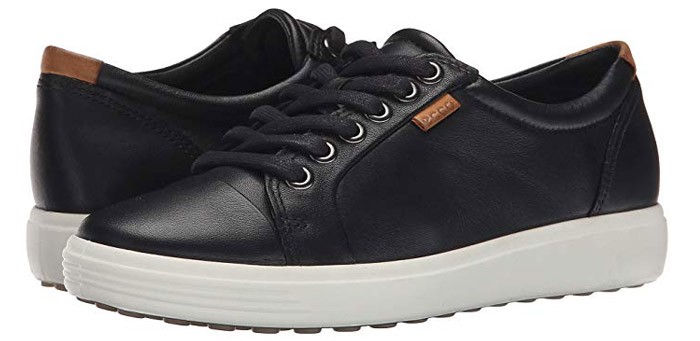
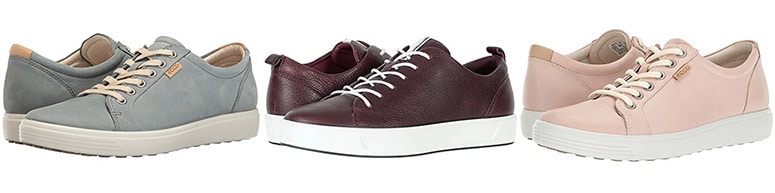
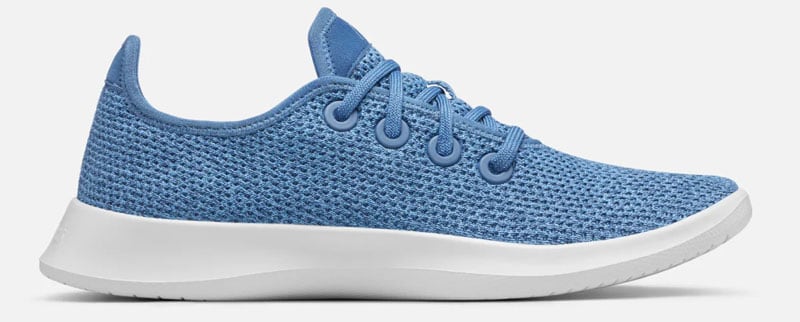
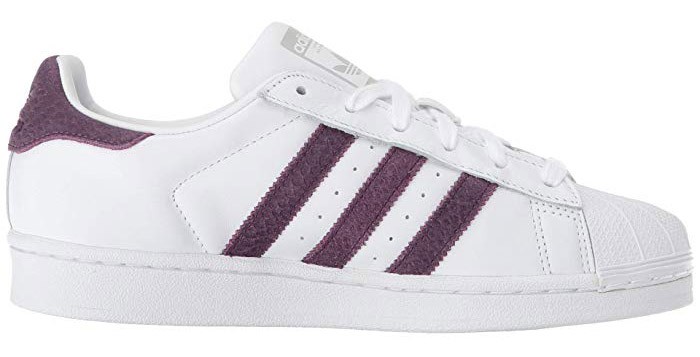
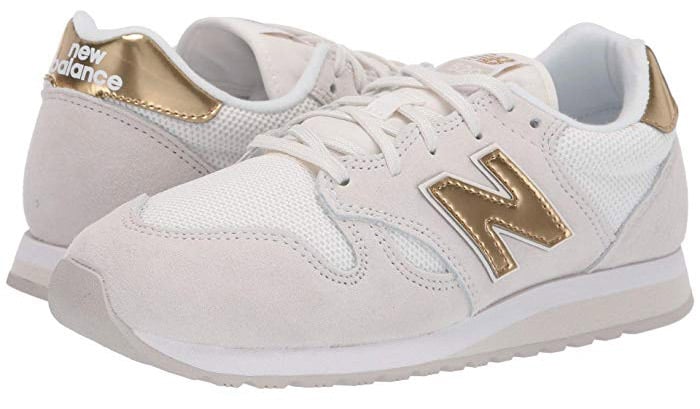
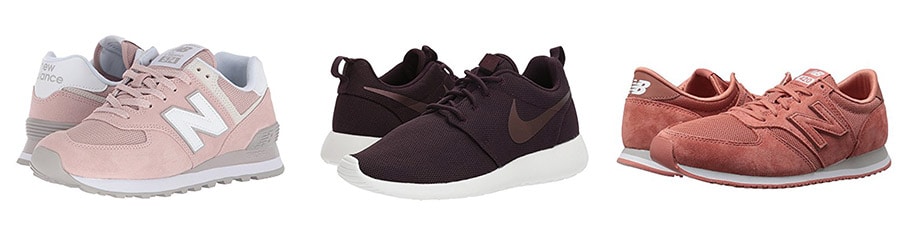
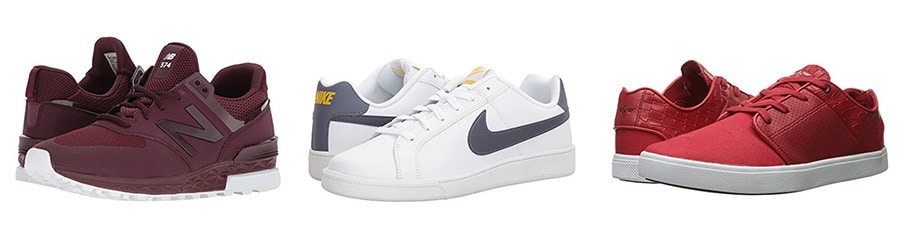
For women and men seeking versatile, everyday urban sneakers, brands like Ecco, Allbirds, Adidas, and New Balance dominate current travel trends. Allbirds, renowned for utilizing sustainable materials such as merino wool and eucalyptus pulp, have gained international traction due to their lightweight construction, odor-resistant properties, and packability. Similarly, classic silhouettes like the Adidas Superstar and New Balance 574 offer a timeless retro aesthetic that seamlessly transitions from daytime museum tours to evening dining.
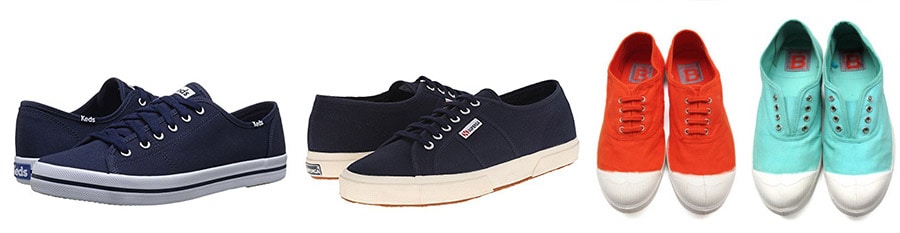
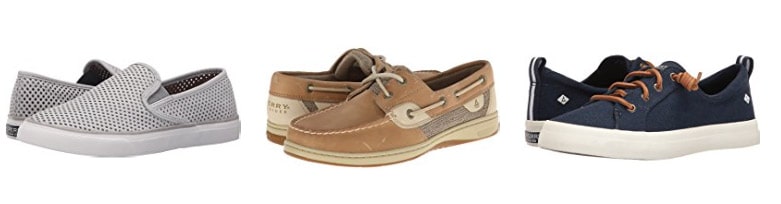
For travelers prioritizing low-profile canvas alternatives, brands such as Superga, Keds, and Sperry Top-Siders provide reliable spring and summer options that pair effortlessly with shorts, skirts, or denim. Meanwhile, individuals requiring maximum athletic cushioning frequently turn to performance-driven casuals like the Adidas Ultra Boost or Nike Air Max series.
High-Performance Athletic Walking and Running Shoes
For travelers whose itineraries demand relentless daily movement, traditional athletic running and walking shoes remain the gold standard for pure comfort. While historically dismissed by fashion purists, maximalist athletic footwear has experienced a significant cultural shift, driven by endorsements from high-profile celebrities and comfort-conscious urbanites alike.
Hoka has emerged as a dominant force in the comfort footwear market, with models such as the Clifton and Bondi receiving critical acclaim for their superior shock absorption and thick foam soles. Similarly, the Brooks Ghost line is universally lauded by podiatrists and marathon runners for its exceptional structural support. For those seeking lower-profile athletic options, Nike Free and New Balance Arishi models deliver athletic performance without overwhelming bulk.
Weather-Resistant and Waterproof Hiking Footwear
When travel plans involve unpredictable weather, winter conditions, or excursions into rural countryside and mountainous terrain, standard casual sneakers prove insufficient. Waterproof or weather-resistant hiking and trekking shoes offer enhanced traction, ankle stability, and moisture protection.
While traditional hiking boots can be excessively heavy and rigid for urban environments, low-profile trail runners and hybrid hikers bridge the gap effectively. Brands such as Merrell, Keen, and New Balance manufacture robust waterproof models—such as the Merrell Moab series and Keen Presidio—utilizing GORE-TEX and treated leather membranes. These options ensure dry feet during heavy rainstorms while maintaining enough aesthetic restraint for city exploration.
For travelers committed to traditional hiking boots, options like the Danner Mountain 600, Vasque Sundowner, and Columbia Newton Ridge offer old-school craftsmanship coupled with modern footbed technology. However, experts emphasize the necessity of breaking in leather boots at least two to three weeks prior to departure to prevent severe blistering.
Casual Boots, Flats, and Sandals for Warm-Weather Travel
Transitioning to seasonal travel requires specialized footwear categories, including casual boots, flats, and sandals. Chelsea boots—exemplified by brands like Blundstone, Frye, and modern innovators like Amberjack—offer an ideal blend of style and airport convenience due to their elastic side panels, which facilitate rapid removal during security screenings.
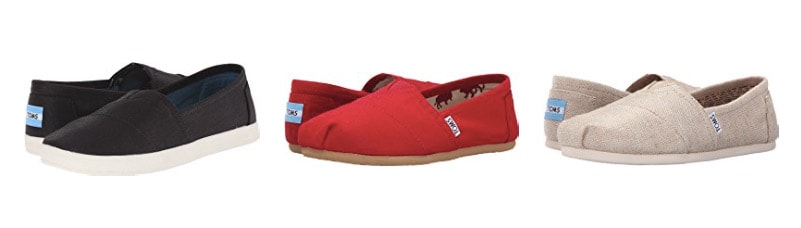
For female travelers navigating warm-weather urban environments, structured flats from Clarks, Born, and Cole Haan provide a dressier alternative to sneakers. However, because many traditional flats lack robust arch support, podiatrists strongly advise supplementing them with removable orthotic insoles or gel inserts.
When temperatures peak, sandals become indispensable. Sporty and ergonomic sandals from Chaco and Birkenstock deliver exceptional anatomical support for navigating ancient European cobblestones, whereas minimalist designs from Naot and Crocs offer lightweight, packable elegance for resort and coastal destinations.
Foot Care Advice and Post-Travel Implications
Even the most advanced ergonomic footwear cannot entirely eliminate foot fatigue after twelve consecutive hours of standing and walking. Travel medicine specialists recommend packing proactive foot-care supplies, including moleskin, hydrocolloid blister bandages, anti-chafing balm, and compression socks to enhance circulation during long-haul flights.

The broader economic and retail implications of the travel footwear market reflect a fundamental shift in consumer priorities. As remote work and flexible lifestyles drive an increase in "bleisure" travel—combining business and leisure trips—footwear manufacturers increasingly prioritize hybrid designs that merge technical athletic performance with professional aesthetics. Ultimately, investing in high-quality, supportive travel footwear is a vital health measure that safeguards the physical well-being of the modern traveler, ensuring that structural pain does not overshadow the cultural enrichment of global exploration.
Related posts: