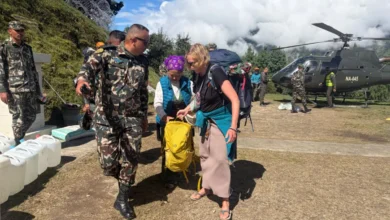
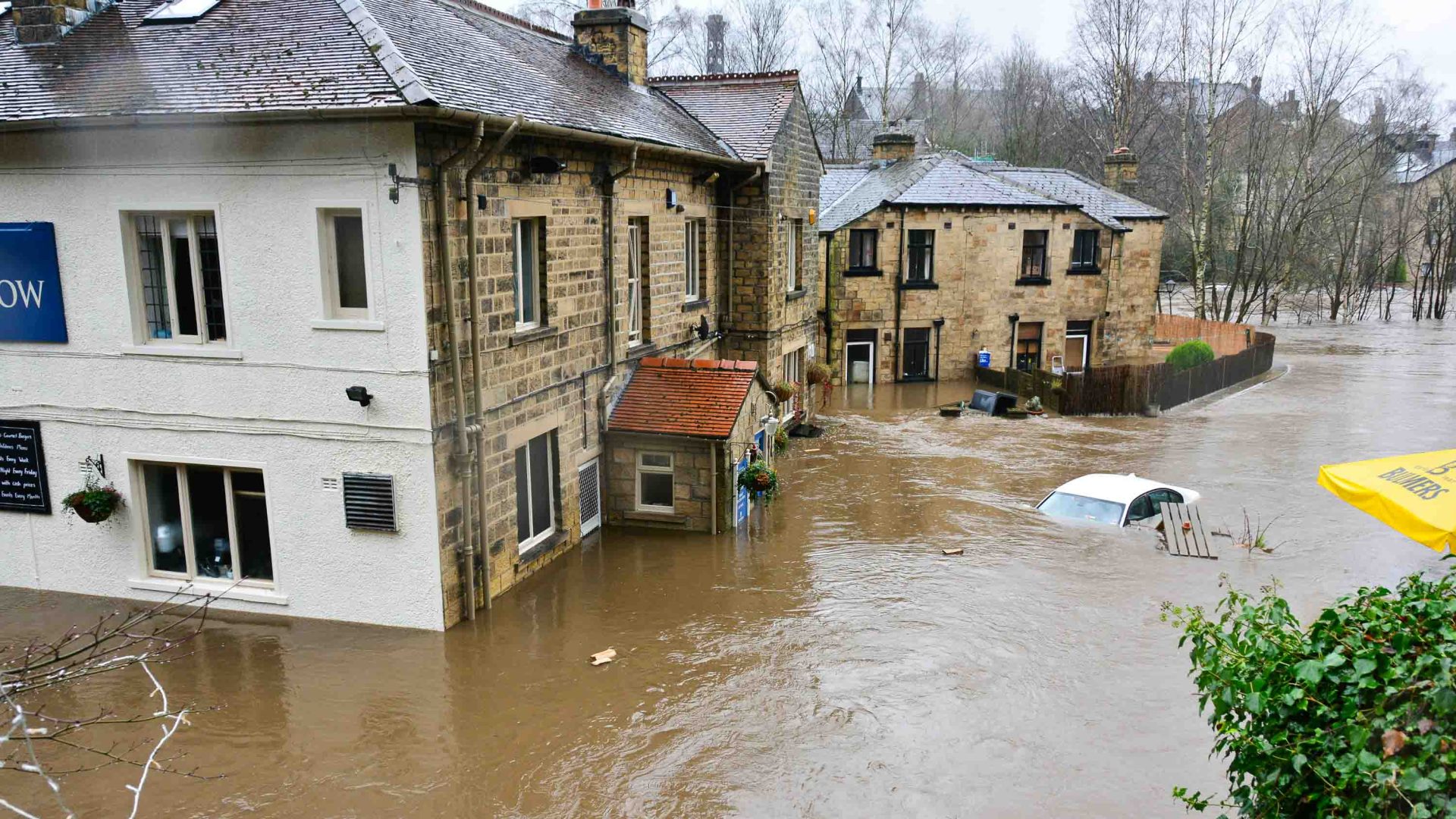
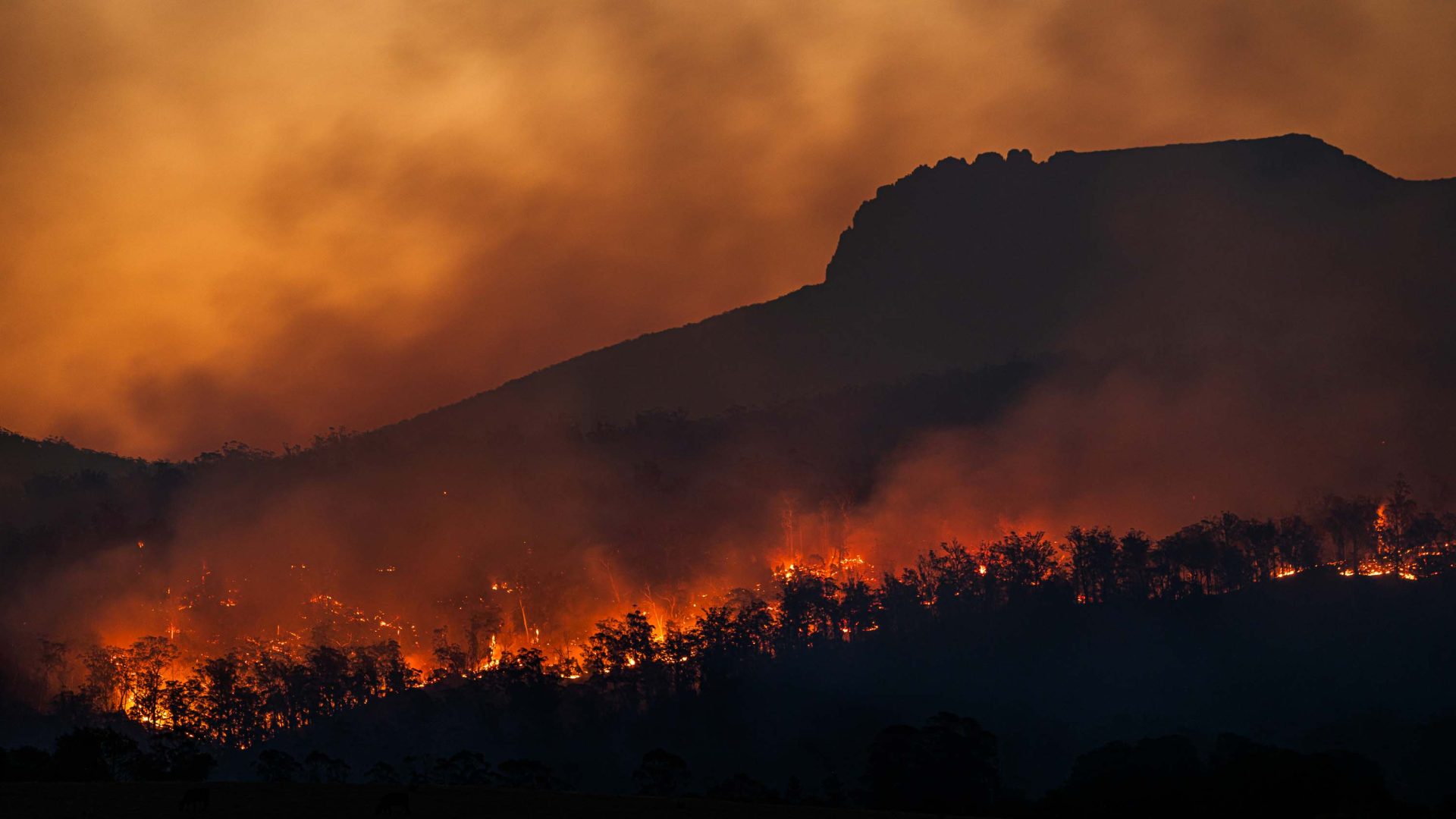
The global climate crisis is fundamentally upending traditional patterns of human mobility, forcing a structural reevaluation of when and where people travel. As extreme weather events—ranging from devastating wildfires in Borneo and severe droughts in Panama to unprecedented floods in Nepal and record-shattering heatwaves across Europe—become increasingly frequent and severe, the foundational assumptions of the tourism industry are being dismantled. The traditional demarcation between peak and off-peak travel seasons is dissolving, giving rise to an era of climate-driven itinerary shifts that are altering local economies, straining municipal resources, and testing the limits of destination resilience.
The Summer of Extremes in Western Europe
The transformation of global travel habits was laid bare during the Northern Hemisphere summer, a period marked by historic meteorological anomalies. In France, the national weather agency, Météo-France, reported the hottest summer since national records began in 1900. This milestone carried acute consequences in a nation historically resistant to mechanical air conditioning. Due to a combination of aesthetic preferences and architectural traditions centered around external shutters and passive cooling design, only 25 percent of French households are equipped with air conditioning, compared to 50 percent in neighboring Spain and Italy.

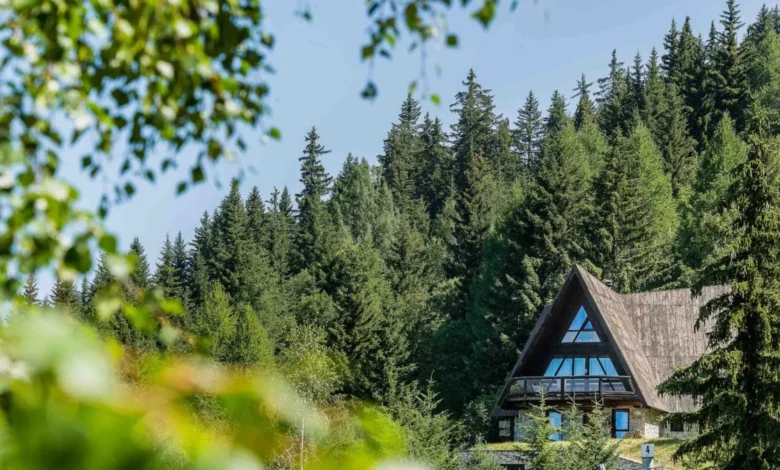
This infrastructure gap heightened the vulnerability of residents and visitors alike during intense heatwaves. Regions previously prized for their temperate climates, such as Brittany in northwestern France, recorded punishing peak temperatures reaching approximately 42.5°C (108.5°F). Consequently, travelers bypassed traditional southern coastal hotspots in favor of elevated alpine terrain, which offered tangible relief from the oppressive heat.
This behavioral pivot reflects a broader industry trend toward "coolcations"—vacations purposefully booked in cooler latitudes and altitudes to escape rising global temperatures. However, travel analysts note that the phenomenon has evolved past simple destination substitution. The unpredictability of weather patterns has rendered traditional travel calendars obsolete, forcing a synchronized adaptation among both tourists and destination management organizations.

Overtourism, Resource Strain, and the Push for Shoulder-Season Travel
While travelers increasingly seek out cooler climes or off-season periods to avoid dangerous heat, this shift introduces complex socio-economic challenges, particularly regarding overtourism and resource management. The intersection of climate change and tourism density was starkly illustrated in June 2026 on the Spanish island of Menorca, a designated UNESCO Biosphere Reserve. Residents took to the streets of Mahón, deploying giant ant puppets in public demonstrations to protest what they described as crushing overtourism and unsustainable water management.
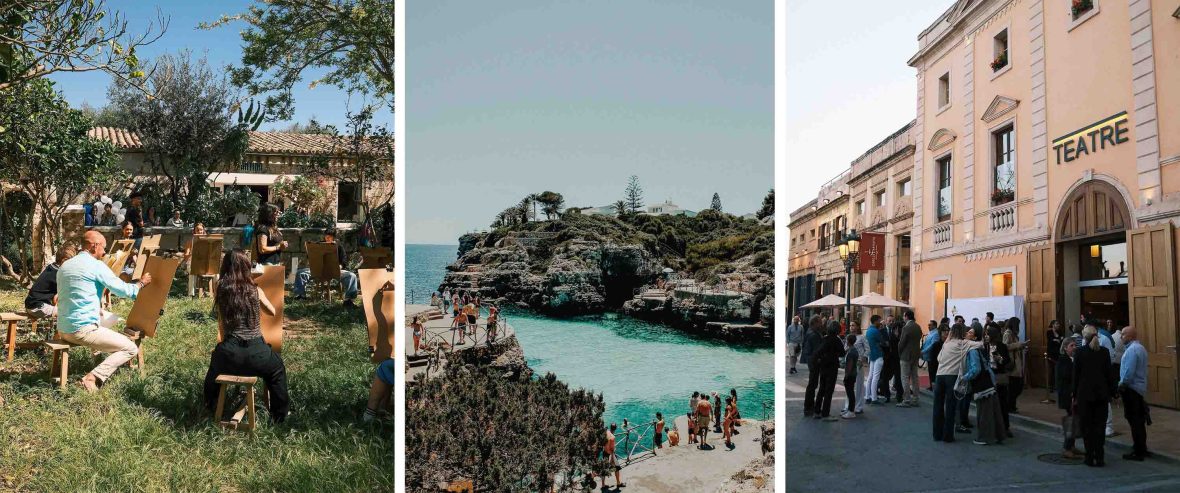
The Balearic island has remained under a drought pre-alert status since June 2023, leaving local aquifers severely depleted by the demands of peak summer visitor influxes. To mitigate the environmental strain of July and August concentrations, the Menorca Tourist Board launched an initiative in April 2026 titled Opening Menorca. This cultural and arts festival was designed to stimulate visitation during the spring shoulder season. The strategy yielded immediate results; according to the Balearic Islands Statistics Institute (IBESTAT), Menorca welcomed 97,569 tourists in April 2026, representing a 15 percent year-on-year increase and demonstrating the viability of seasonal redistribution.
Strategic Adaptation in Alpine and Polar Regions
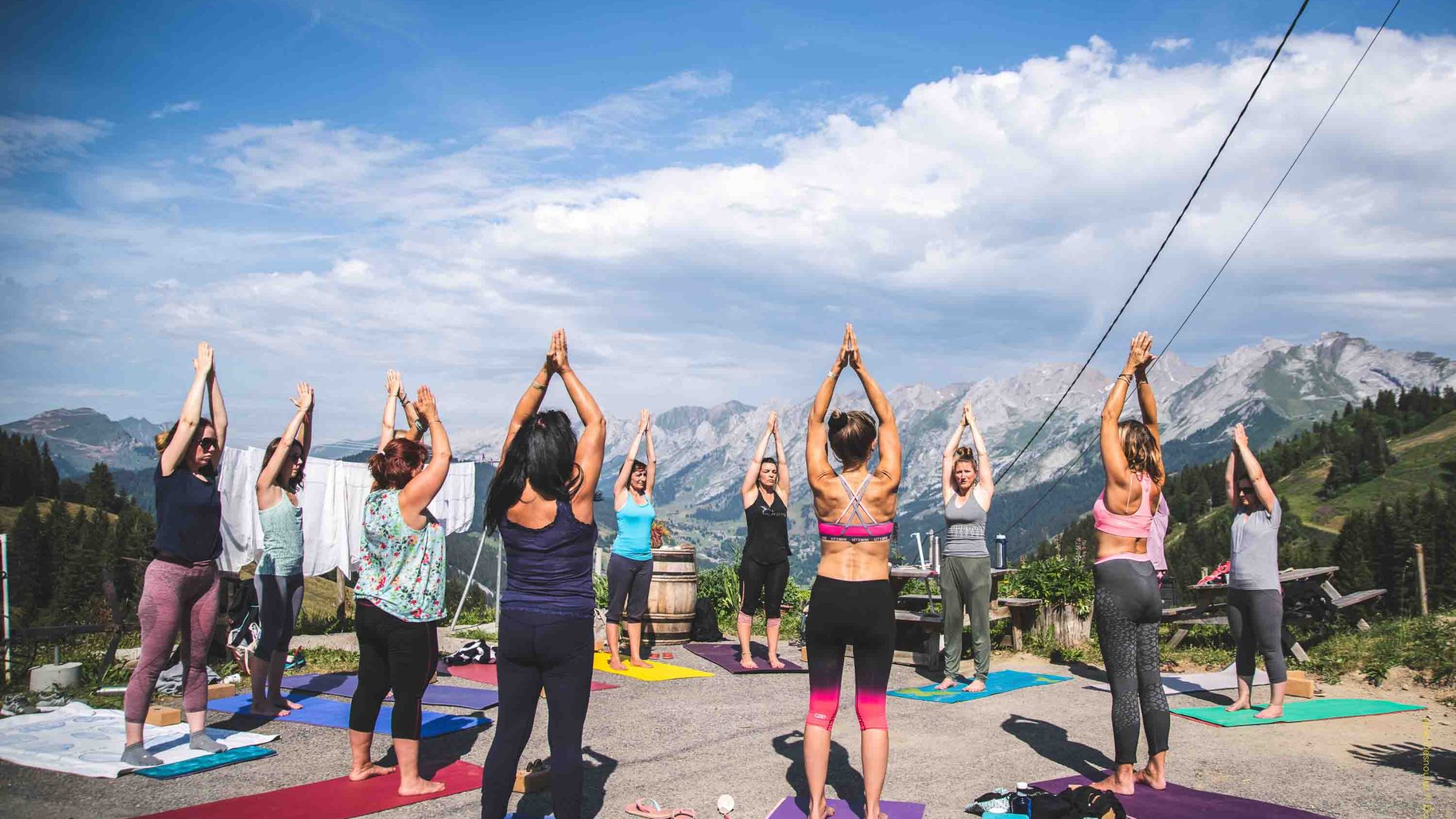
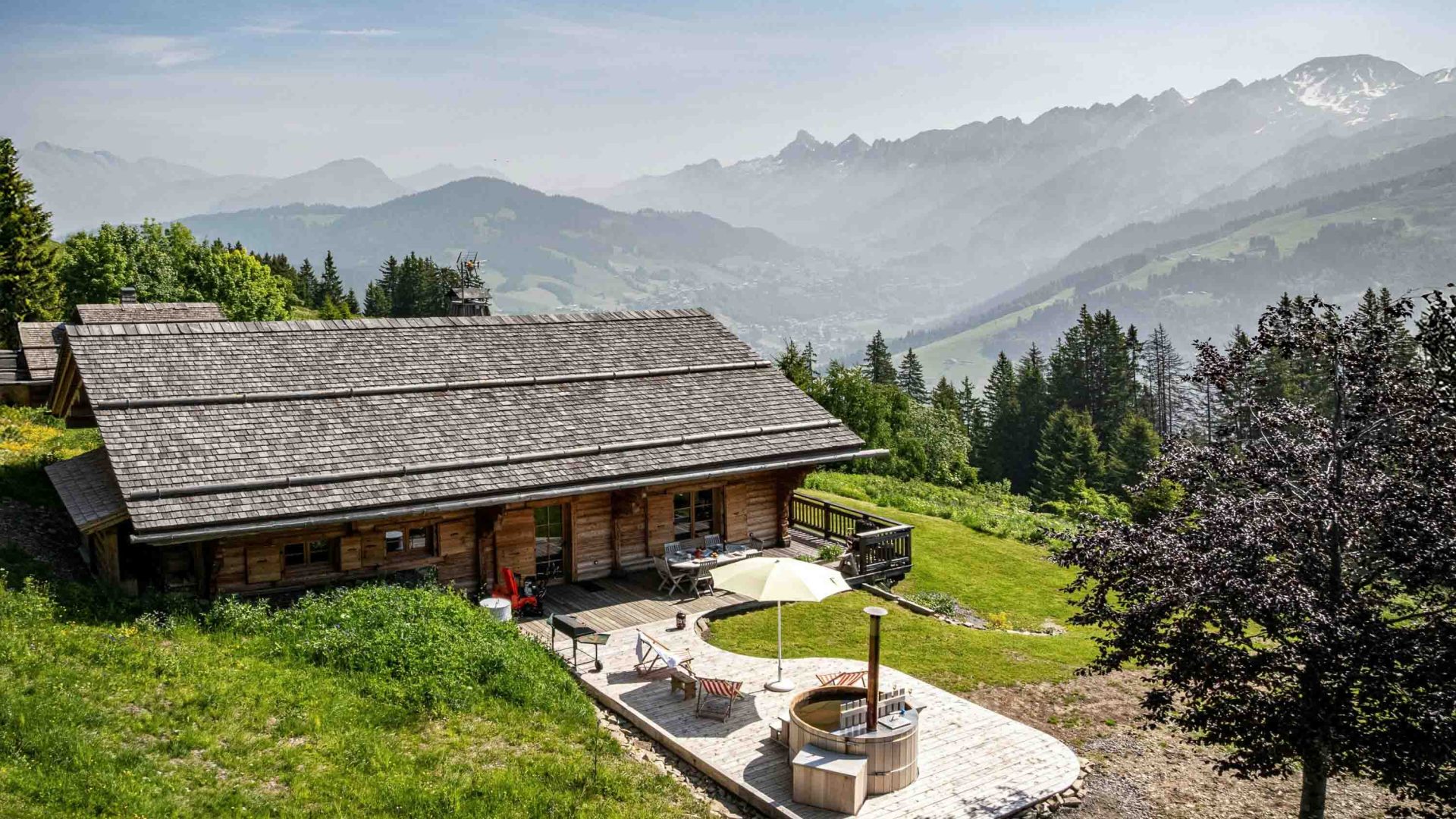
Mountain destinations traditionally reliant on winter ski economies are similarly restructuring their commercial models to capture year-round tourism. In the French alpine village of La Clusaz, summer initiatives like the annual July Yoga Festival attract wellness-focused visitors. Local property managers, such as the OVO Network, report that certain chalet rentals are now intentionally marketed exclusively for the summer season—periods when access and alpine recreation, such as hiking and biking, are optimal. Google Trends data underscores this consumer shift, revealing an 82 percent year-on-year increase in United Kingdom search interest for "alpine summer" travel.
A similar evolution is visible in Arc 1600, the pioneering French mountainside resort in Les Arcs. To cultivate demand independent of snowfall, the resort operates weekly architectural tours celebrating the contributions of modernist designer Charlotte Perriand, whose work sought to harmonize human habitation with the alpine landscape. Local data reflects this diversification: tour guide Jean-Marie Chevronnet recorded 1,522 participants in 2024 (75 percent winter, 25 percent summer), increasing to 1,750 participants in 2025 (60 percent winter, 40 percent summer), with summer tours continuing to draw record crowds.
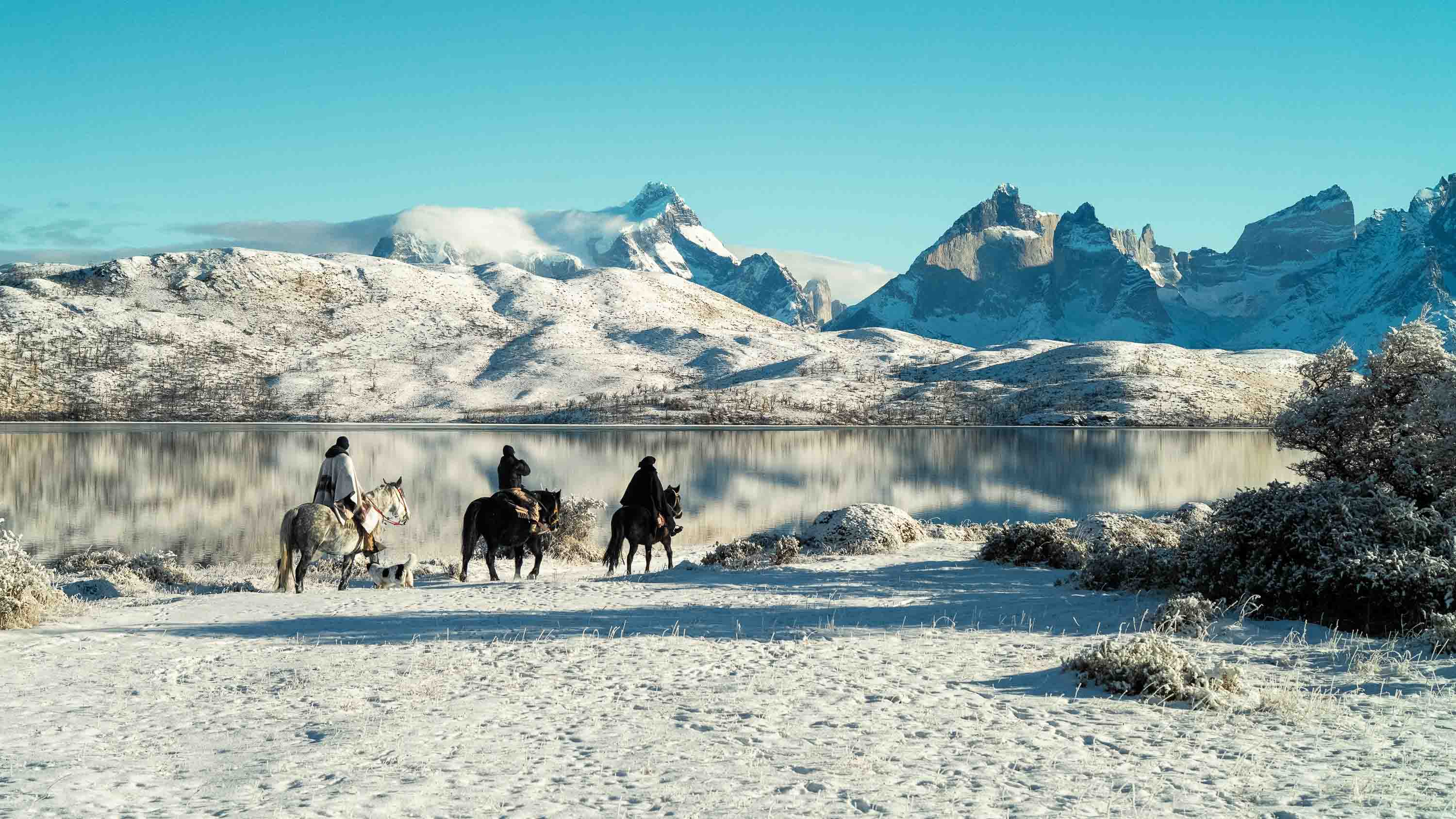
In the Southern Hemisphere, Argentinean and Chilean Patagonia are undergoing parallel transformations. Luxury lodges that traditionally closed for five months during the harsh southern winter are experimenting with year-round operations. Awasi Patagonia remained open through the winter for the first time, buoyed by increasingly mild, dry winter conditions. Management noted that the off-season offers distinct ecological advantages, such as enhanced wildlife viewing opportunities, including tracking pumas against snow-covered landscapes. However, this transition requires significant infrastructural investment, such as burying water pipes deeper to prevent freezing, and highlights labor complexities regarding whether local workforces desire year-round employment over traditional seasonal downtime.
Regulatory Interventions and Arctic Expedition Growth
At the planetary extremes, polar destinations are experiencing an unprecedented surge in demand driven by both the coolcation trend and a sense of urgency among travelers to witness vulnerable ecosystems—such as rapidly retreating glaciers—before they vanish. Small-ship expedition operators have expanded their portfolios accordingly. Aqua Expeditions launched its inaugural cold-climate itinerary to Svalbard and the Arctic in May 2026, while Hurtigruten introduced two new Svalbard routes to accommodate a 40 percent year-to-date surge in North American interest. Aurora Expeditions also deployed a new small vessel, the MV Douglas Mawson, for the 2026-2027 polar season.
This influx has prompted decisive government intervention to protect fragile polar environments. Following its transition away from a coal-mining economy, Norway instituted strict regulatory measures for the Svalbard archipelago. In January 2025, the Norwegian government capped cruise vessel capacity at a maximum of 200 passengers per ship and restricted landings to 43 designated sites. This policy aims to disperse visitors, reduce ecological degradation of tundra vegetation and wildlife haul-outs, and ensure that tourism revenue meaningfully supports local historical and cultural economies rather than overwhelming singular hubs like Longyearbyen.
Broader Industry Implications and Future Outlook
According to the 2027 Travel Trend Report published by UK-based PR agency Lemongrass Marketing, destinations can no longer realistically pursue "climate-proofing." Instead, the most resilient regions are those that assess localized vulnerabilities and proactively manage resource consumption while actively rewriting their tourism calendars.
As climate volatility continues to redefine global weather paradigms, the travel industry faces an ongoing imperative to adapt. Industry analysts emphasize that the privilege of leisure travel carries a responsibility to respect host communities. Ultimately, the future viability of global tourism will depend on the collaborative alignment of destination authorities, commercial operators, and travelers to ensure that tourism development respects ecological limits and local community self-determination.