Jackson Hole Wyoming: A Comprehensive Guide to Year-Round Adventure and Economic Impact

Jackson, Wyoming, has cemented its status as one of the premier gateway communities for the United States National Park system. Anchored by the proximity of Grand Teton National Park and the historic Teton Mountain Range, the region serves as a critical nexus for outdoor recreation, ecological tourism, and seasonal economic activity. While traditionally categorized by its winter sports industry, the valley has undergone a shift toward becoming a year-round destination, balancing the influx of seasonal tourists with the preservation of its fragile alpine environment.
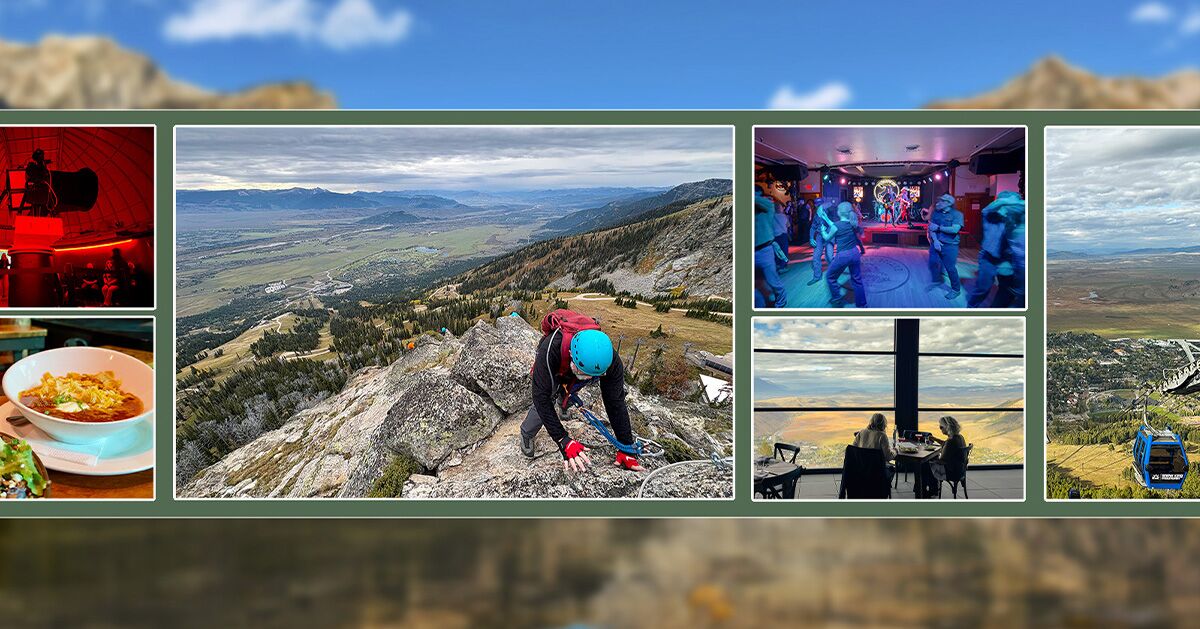
The Evolution of Jackson Hole Tourism
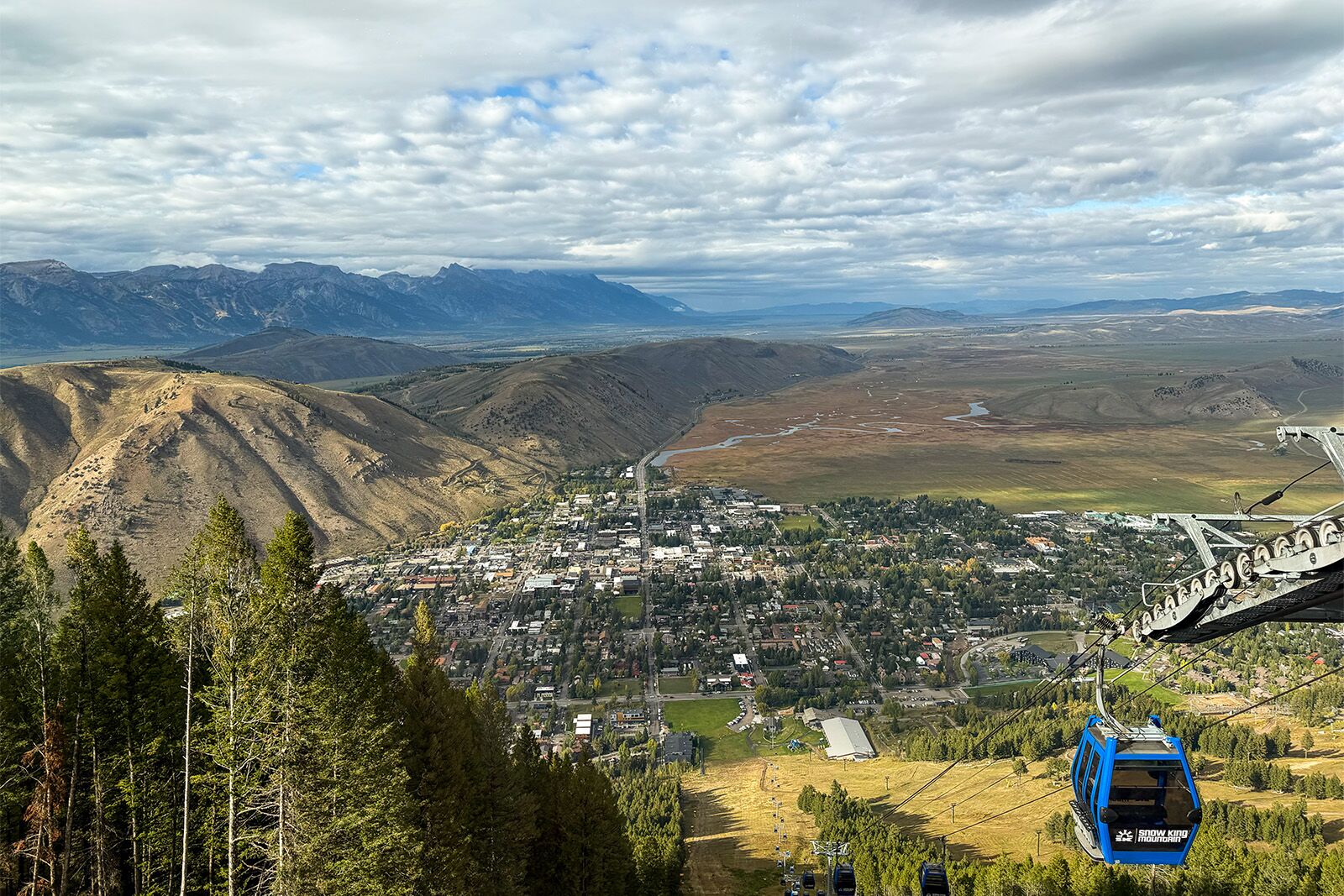
The development of the Jackson Hole valley as a recreational hub began in the mid-20th century. Snow King Mountain, established in 1939, holds the distinction of being Wyoming’s oldest ski area, predating the more expansive infrastructure of the Jackson Hole Mountain Resort (JHMR). Over the past several decades, the region has transitioned from a rugged western outpost to a sophisticated tourism economy.
Data from the Jackson Hole Chamber of Commerce indicates that tourism remains the primary economic driver of Teton County, accounting for over 70% of the local economy. The shift toward a four-season model—promoting summer hiking, rafting, and via ferrata climbing alongside traditional winter skiing—has been a strategic move to stabilize employment and tax revenue throughout the calendar year.
Chronology of Seasonal Operations
For visitors planning an excursion, understanding the seasonal operational timeline is essential. The region’s infrastructure is highly dependent on meteorological conditions and environmental management protocols.
- Mid-June to Early October: This window represents the peak summer and early autumn season. Key attractions, including the Aerial Tram at JHMR and the via ferrata courses, typically operate within this timeframe.
- Late November to Early April: The winter season is defined by the opening of Snow King and Jackson Hole Mountain Resort. Operations are subject to snowpack levels and avalanche safety assessments conducted by local authorities and resort staff.
- Shoulder Seasons: Mid-spring (April–May) and late autumn (October–November) are characterized by limited services. Many high-altitude facilities, including the Snow King Observatory, close during these periods to allow for maintenance and safety transitions.
Recreational Infrastructure and Biodiversity
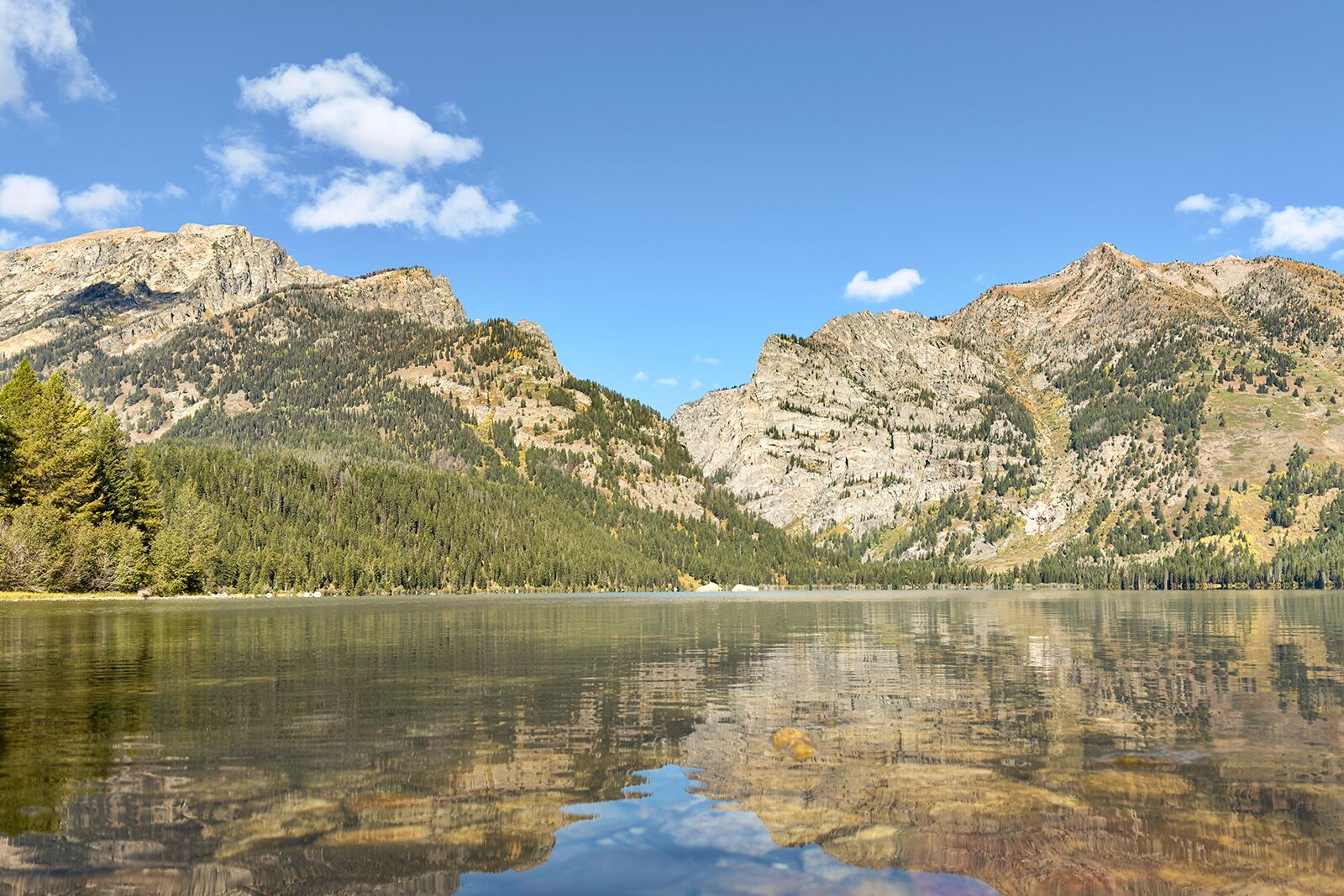
Grand Teton National Park encompasses over 200 miles of trails, ranging from the high-elevation Teton Crest Trail to the valley-floor pathways surrounding the Laurance S. Rockefeller Preserve. The preservation of these trails is a continuous effort managed by the National Park Service (NPS).
The ecological implications of increased foot traffic have necessitated strict adherence to safety guidelines. NPS regulations mandate a minimum distance of 100 yards from bears and wolves, and 25 yards from all other wildlife. These rules are not merely suggestions; they are enforceable statutes designed to mitigate human-wildlife conflict. According to park officials, the rise in backcountry popularity has required an expansion of educational outreach programs to ensure that visitors understand the risks associated with habitat encroachment.
Specialized Activities and Technical Terrain
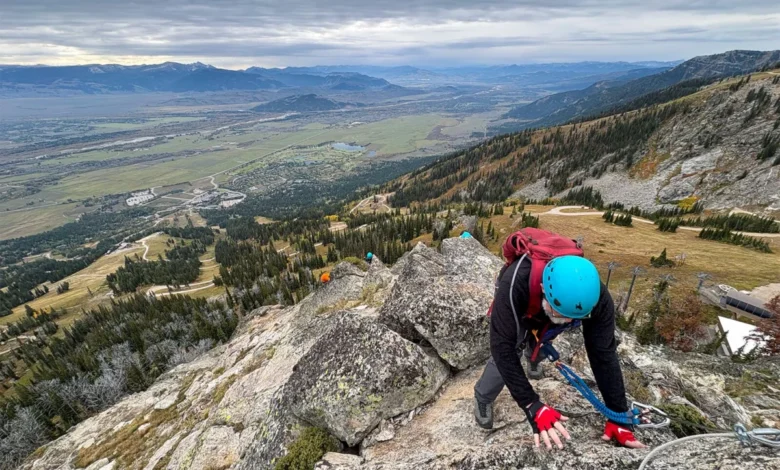
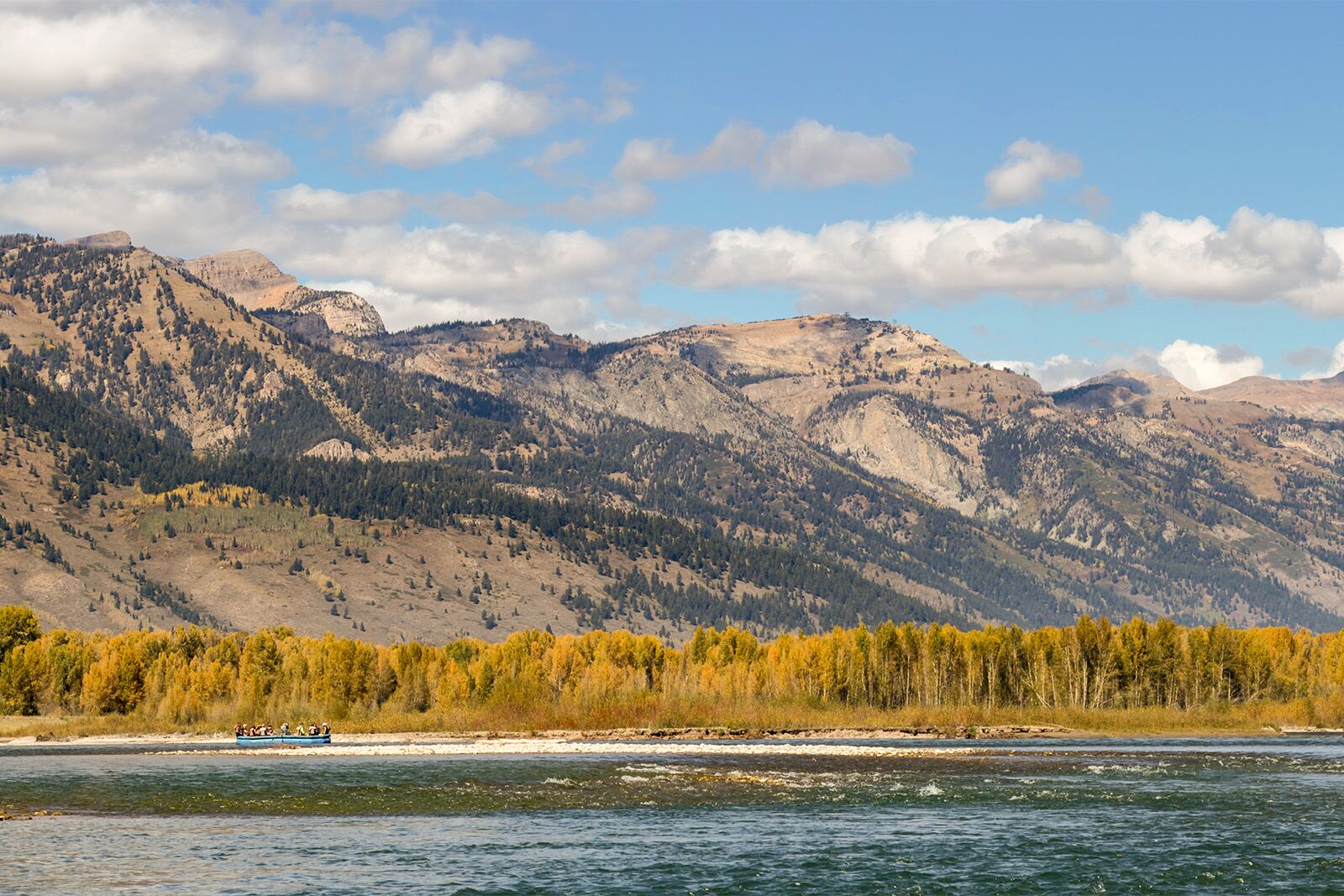
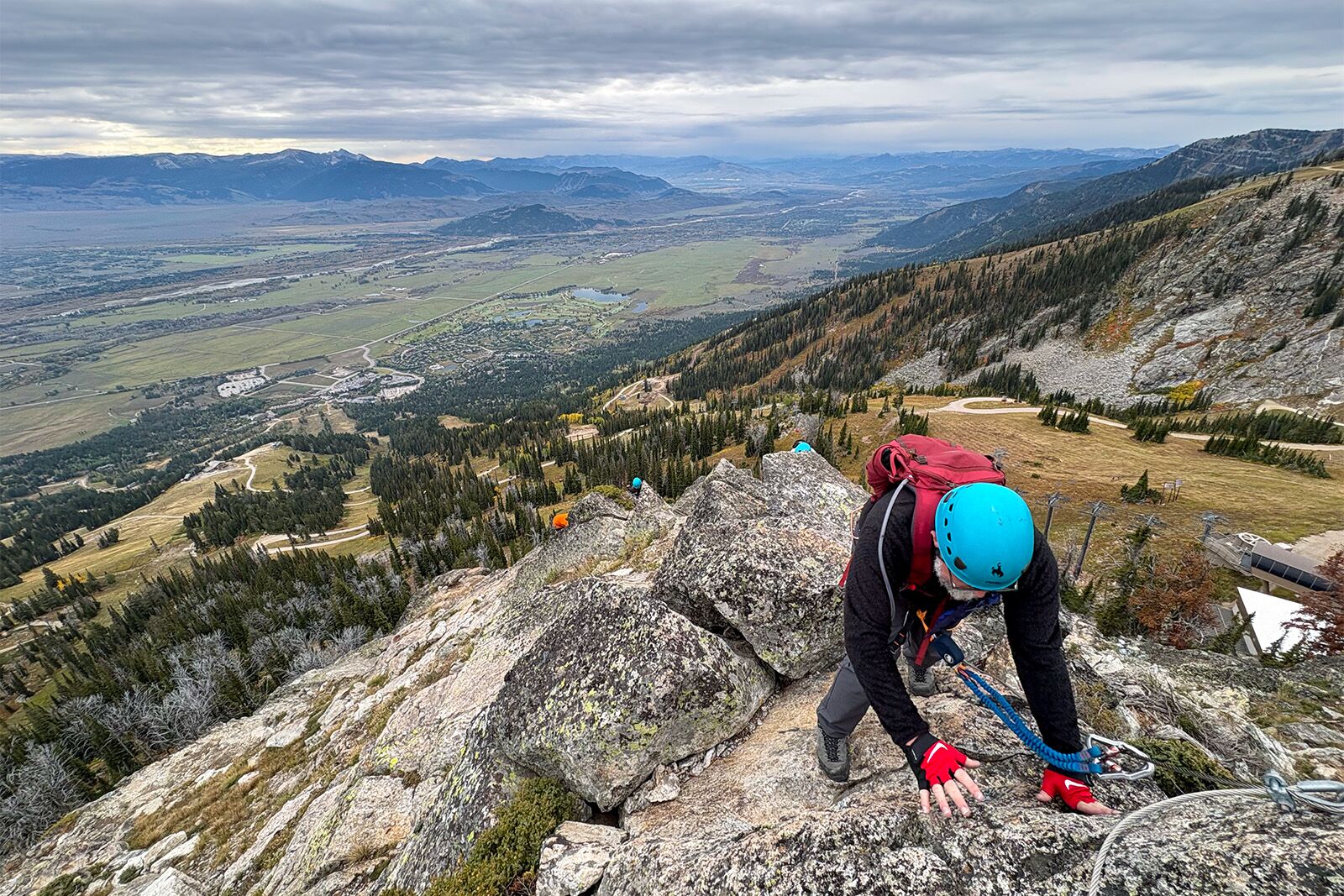
Beyond traditional hiking, the region has invested in specialized infrastructure to support high-adrenaline tourism. The via ferrata—a system of fixed iron rungs and safety cables—allows non-professional climbers to navigate vertical rock faces. This, alongside the Snake River float programs, provides a diverse range of physical challenges.
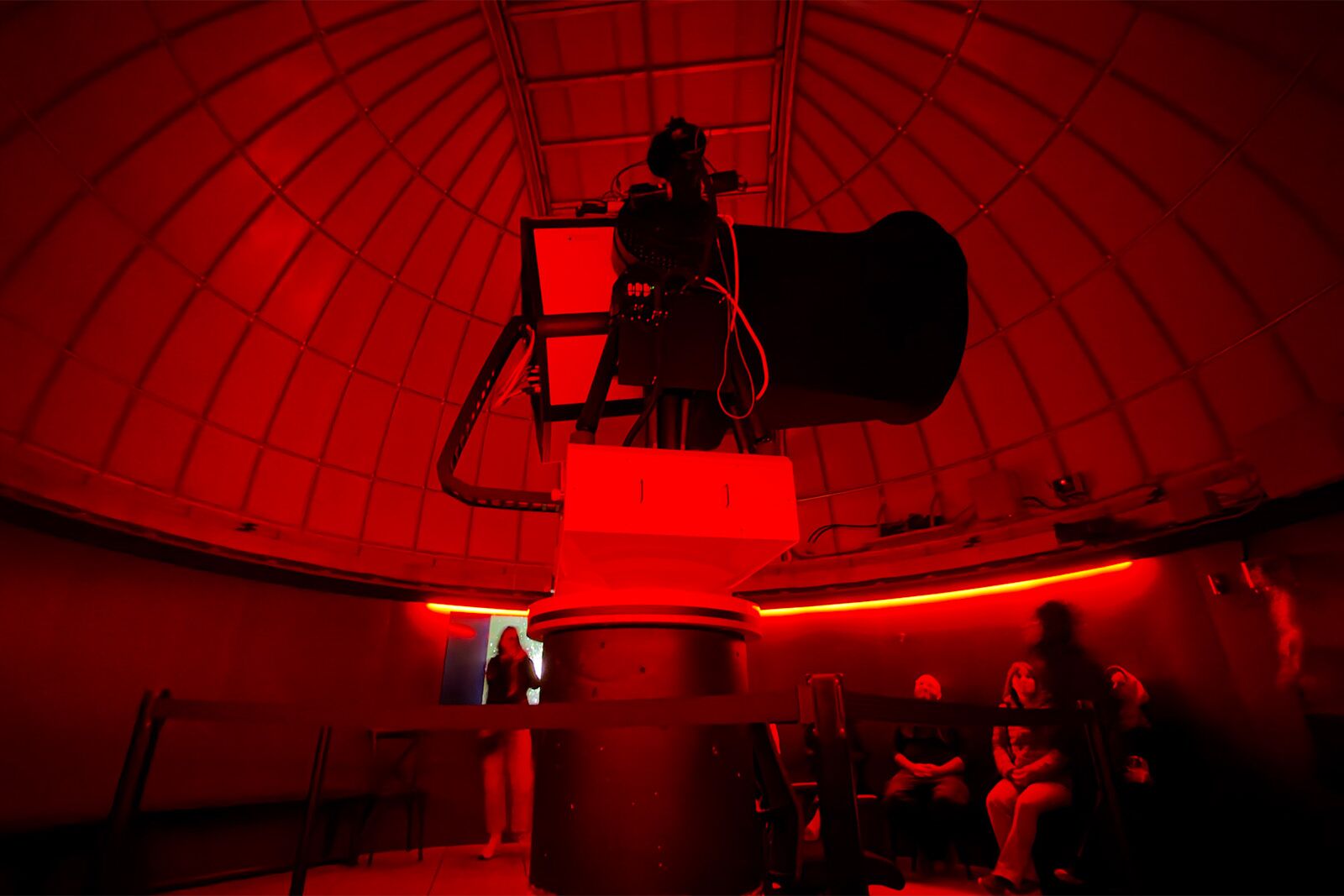
The Snow King Observatory & Planetarium represents a significant technical addition to the area’s infrastructure. Opened as a mountaintop facility, it features a 39-inch PlaneWave telescope, making it one of the largest public-access telescopes in the intermountain west. This facility serves both as an educational asset and a specialized tourism draw, capitalizing on the region’s status as a premier dark-sky zone.
Culinary and Hospitality Trends
The hospitality sector in Jackson has seen a modernization of its offerings, moving toward a mix of high-end boutique hotels and restored, historic institutions. Establishments like Gravity Haus and the iconic Million Dollar Cowboy Bar reflect this dichotomy. The former offers wellness-oriented, amenity-rich lodging, while the latter preserves the aesthetic and cultural heritage of the American West.
Economically, the concentration of dining and lodging in Teton Village and downtown Jackson serves to centralize the tourism impact, reducing the footprint of development in the surrounding national forests. The integration of local food sourcing, such as the use of regional ingredients at establishments like Wild Pine and Persephone Bakery, has also strengthened the local agricultural supply chain.
Logistics and Accessibility
Accessibility to Jackson Hole has been significantly enhanced by the expansion of the Jackson Hole Airport (JAC). As the only commercial airport located within a national park in the United States, it provides a critical link for domestic and international travelers.
- Direct Access: JAC currently offers direct flight paths from major hubs including Atlanta, Chicago, Dallas/Fort Worth, Denver, and New York, among others.
- Ground Transportation: While rental vehicles remain the preferred method for exploring the expansive Teton and Yellowstone landscapes, the introduction of the START (Southern Teton Area Rapid Transit) Bus system has provided a viable public transit alternative. The START On-Demand service has been particularly effective in reducing traffic congestion within the Jackson town limits, a growing concern for local infrastructure planning committees.
Socio-Economic Implications and Future Outlook
The rapid growth of the tourism sector in Teton County has brought both prosperity and logistical challenges. The influx of visitors has placed pressure on housing affordability, leading to ongoing municipal debates regarding short-term rental regulations and workforce housing.
Furthermore, the impact of climate change on the local ski industry remains a subject of ongoing analysis. Variable snowfall patterns have forced resort operators to adopt advanced snow-making technologies and sustainable energy practices to maintain the viability of their winter operations. As these businesses look toward the future, the emphasis has shifted toward "sustainable tourism," an approach that seeks to balance the demand for high-quality visitor experiences with the necessity of protecting the Teton ecosystem.
For the prospective visitor, the region offers an unparalleled convergence of high-altitude adventure and modern comfort. However, the success of these ventures depends heavily on the visitor’s ability to navigate the region responsibly. By utilizing public transit, respecting wildlife distance regulations, and adhering to the seasonal operational schedules, travelers can minimize their environmental impact while supporting the regional economy that sustains the Teton valley.
Whether one is exploring the depths of the universe at the Snow King Observatory or navigating the rapids of the Snake River, the Jackson Hole experience is defined by its scale and its commitment to maintaining the integrity of its natural landscape. As the area continues to evolve, the coordination between commercial entities, municipal governments, and federal land managers will be the decisive factor in preserving the character of this iconic American destination.