14 Essential Destinations and Historical Landmarks to Experience on the Greek Island of Milos

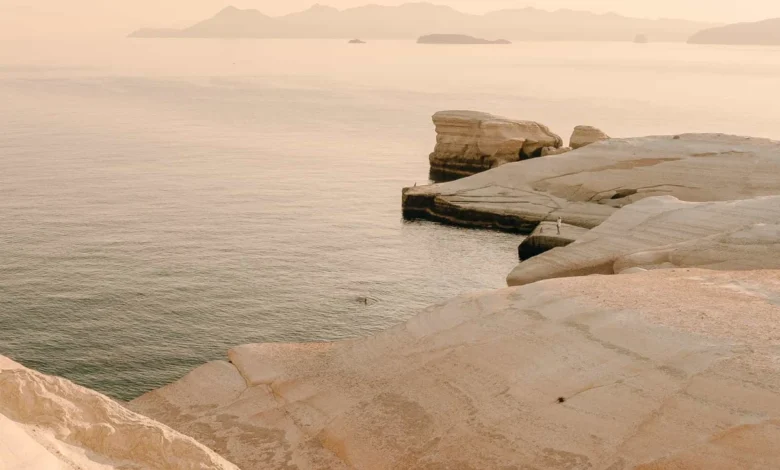
Milos, a volcanic island in the Cyclades group of the Aegean Sea, has emerged as a premier destination for travelers seeking an alternative to the high-traffic hubs of Mykonos and Santorini. While the island is renowned for its complex geological history, which has resulted in a diverse coastline featuring unique rock formations and mineral-rich deposits, it is increasingly being recognized for its blend of ancient archaeological significance and traditional Aegean hospitality. Unlike its larger counterparts, Milos maintains a slower pace of life, yet it is becoming a critical component of the regional tourism economy, with visitor numbers steadily increasing over the last decade.

Geographical Context and Accessibility
Milos covers an area of approximately 160 square kilometers and possesses one of the largest natural harbors in the Mediterranean, located in the town of Adamantas. Historically, the island’s economy was dominated by the mining and export of minerals such as bentonite, perlite, and kaolin. While this industry remains active today, the rise of specialized tourism has created a dual-track economic landscape.

Accessibility to the island has evolved significantly. While it lacks the capacity for large-scale international long-haul flights, it is connected to Athens via daily domestic services. Furthermore, high-speed ferry operators have integrated Milos into the central Aegean transit network, allowing for seamless travel from Piraeus, Santorini, and Mykonos. Maritime data suggests that peak-season ferry traffic to the island has grown by approximately 15% annually since 2021, reflecting a shift in traveler preference toward more rugged, authentic island experiences.

The Geological Wonder of Sarakiniko Beach
Sarakiniko Beach, situated on the northern coast, stands as the most iconic landmark on the island. Geologically, it is defined by volcanic white rock that has been sculpted over centuries by wind and sea erosion, creating a lunar-like landscape. Unlike traditional sandy beaches, Sarakiniko offers a unique topography that attracts geologists and photographers alike.

From a visitor management perspective, the site represents a challenge for local authorities. Due to the lack of natural shade and the extreme UV reflection from the white stone, local health officials frequently issue advisories regarding sun safety. The area is also devoid of commercial amenities, requiring visitors to prepare for a self-sufficient excursion. Despite this, the site remains a focal point for island tourism, with thousands of visitors recorded daily during the peak months of July and August.

The Maritime Economy and Boat Tourism
The rugged coastline of Milos, much of which is inaccessible by land, has fostered a robust maritime tourism sector. Boat tours have become the primary method for exploring the island’s hidden sea caves and remote coves. This sector is characterized by a variety of service levels, ranging from group catamaran excursions to private yacht charters.

Economic analysts note that Milos offers a more competitive pricing structure for these services compared to the luxury-saturated markets of the northern Cyclades. Key destinations for these tours include the Kleftiko Bay—a former pirate hideout featuring towering rock arches—and the Sykia Cave, a collapsed sea cave with an internal beach. The sustainability of these tours is currently a subject of local discussion, as the increased maritime traffic necessitates careful management to preserve the fragile marine ecosystem.

The Cultural Significance of Plaka and Historical Sites
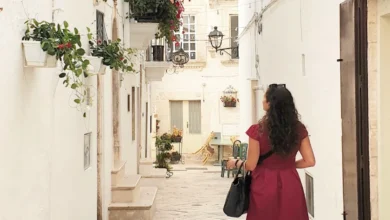
Plaka, the island’s capital, sits inland at a higher elevation, offering a panoramic view of the Aegean. It serves as the center for cultural preservation, housing the Venetian Castle and various ecclesiastical landmarks such as the Panagia Korfiatissa church. The town is built in the traditional Cycladic architectural style, characterized by whitewashed houses and narrow alleyways designed to provide shade and protection from the northern winds.

Parallel to the aesthetic appeal of the villages is the island’s deep archaeological history. The Ancient Theatre of Milos, dating back to the Hellenistic period, stands as a testament to the island’s prominence in the ancient world. Located near the site where the Venus de Milo was discovered in 1820, the theater is currently maintained by the Hellenic Ministry of Culture. Nearby, the Early Christian Catacombs offer a glimpse into the religious transition of the region during the 1st and 2nd centuries AD. These sites are not merely tourist attractions but serve as vital educational resources for the study of Mediterranean history.

Traditional Fishing Villages and Culinary Heritage
The villages of Mandrakia, Firopotamos, and Klima highlight the island’s maritime heritage. These settlements are defined by "syrmata"—traditional, colorful boat garages carved directly into the rock face at the water’s edge, topped with living quarters. These structures have become a symbol of the island’s architectural identity.

The local culinary scene in these villages has become an integral part of the visitor experience. Independent tavernas in Mandrakia and Klima are increasingly recognized for their "farm-to-table" approach, sourcing fresh Mediterranean seafood from local fishermen. The economic impact of these small, family-run enterprises is substantial, as they provide a buffer against the potential homogenization of the local hospitality sector. Data from the local chamber of commerce suggests that dining at these traditional establishments accounts for a significant portion of visitor expenditure.

Strategic Implications for Future Development
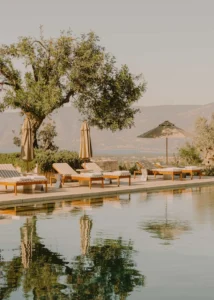
As Milos continues to grow in popularity, the local government faces the challenge of balancing infrastructure development with environmental preservation. The expansion of boutique, high-end accommodations—such as the private pool suites in the Adamantas and surrounding areas—indicates a move toward a more affluent visitor demographic.

However, the rapid influx of tourism has also placed pressure on local resources, particularly water supply and waste management. There is an ongoing dialogue among stakeholders regarding the implementation of sustainable tourism policies. These policies aim to limit the negative impacts of mass tourism while promoting the "slow travel" movement, which encourages longer stays and a deeper engagement with the island’s history and natural environment.

Conclusion
Milos represents a distinct model for Greek island tourism. By leveraging its geological uniqueness, historical depth, and traditional maritime identity, the island has positioned itself as a destination of choice for those seeking both exploration and tranquility. Whether it is the lunar landscape of Sarakiniko, the historical gravity of the Catacombs, or the quiet, colorful harbors of Klima, the island offers a multifaceted experience. For the traveler, Milos provides a rare opportunity to observe the intersection of ancient history, industrial heritage, and modern sustainable development in one of the most picturesque settings in the Mediterranean. Future success for the island will depend on the continued stewardship of these sites and the careful management of the visitor experience in the coming decades.