The Timeless Tradition of Collard Greens and the Culinary Significance of New Year’s Day Prosperity Rituals

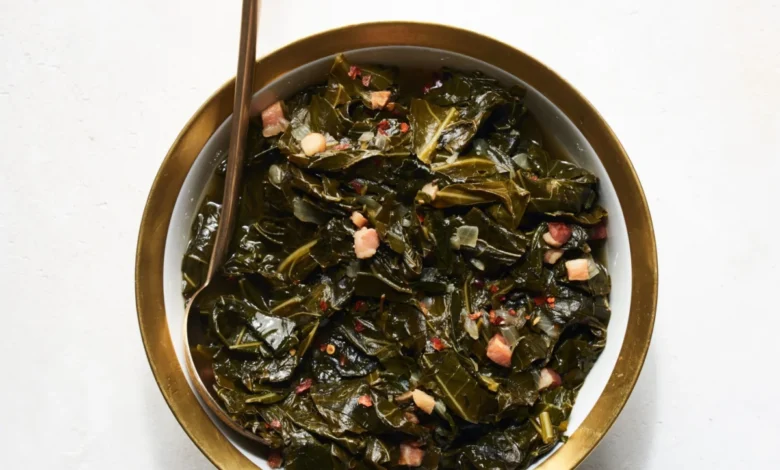
Collard greens serve as more than a simple vegetable side dish in the American South; they are a cultural institution steeped in history, superstition, and agricultural significance. As the calendar turns each January 1, millions of households across the United States participate in the annual ritual of consuming greens, a practice widely believed to invite financial prosperity and good fortune in the coming year. This tradition, often paired with black-eyed peas and cornbread, represents a confluence of African American culinary heritage, agrarian cycles, and the human inclination toward ritualistic hope at the start of a new temporal cycle.
The Historical and Cultural Roots of the Tradition
The association between greens and wealth is deeply rooted in the folklore of the Southern United States. The visual resemblance of collard leaves to paper currency—specifically folding money—has led to the enduring superstition that consuming them on New Year’s Day will result in increased financial stability. Black-eyed peas, frequently served alongside the greens, are similarly linked to prosperity, with their small, coin-like shape symbolizing wealth and abundance.
This culinary custom is not merely a modern affectation but a survival strategy and a cultural legacy that emerged from the enslaved communities of the antebellum South. Collard greens (Brassica oleracea var. viridis) are a cold-hardy crop, thriving in the frost-prone months of late autumn and winter. Historically, they provided essential vitamins and nutrients during periods when other produce was unavailable. The practice of "potlikker"—the savory, nutrient-dense broth remaining after the greens have been slow-cooked—became a staple of Southern diets, emphasizing the necessity of wasting nothing in resource-constrained environments.
Professional Perspectives on Seasonal Rituals
Chef Julia Sullivan, a prominent figure in the Nashville culinary scene and the proprietor of Henrietta Red, underscores the generational persistence of these rituals. According to Sullivan, the practice is a foundational element of her own upbringing. “It’s something my mom has always done, and I think my grandparents, too,” Sullivan observes. “It’s a superstitious thing.” Her professional approach to the dish involves a sophisticated balance of textures and flavors, utilizing bacon, onion, garlic, and red pepper flakes to achieve a smoky, savory base.
Sullivan’s methodology highlights the culinary evolution of the dish. While traditional preparation methods were often dictated by necessity and available fats—frequently pork-based—modern interpretations allow for a nuanced acidity. By finishing the greens with apple cider vinegar and a modest amount of sugar, chefs are able to cut through the heavy, earthy profile of the long-simmered brassicas, providing a "sweet-tart" brightness that distinguishes contemporary restaurant-quality preparations from more rustic, home-style versions.
Chronology of Preparation and Culinary Technique
The transformation of raw collard greens into a silky, tender final product is a process defined by specific mechanical and chemical stages.
- The Cleaning Phase: The prep work is arguably the most labor-intensive step. It begins with the removal of the fibrous center ribs and stems. The leaves are then stacked, rolled, and sliced into one-inch ribbons. A critical, often overlooked step is the agitation of the leaves in a large volume of water. Because collards grow close to the ground, they are prone to grit accumulation. Chefs emphasize that the greens must be lifted out of the water rather than drained, as the latter method causes the sediment to settle back onto the foliage.
- The Wilting Phase: Contrary to some delicate greens, collards benefit from a small amount of residual moisture during the initial cooking phase. This moisture aids in the wilting process, allowing the greens to soften before the addition of the braising liquid.
- The Simmering Phase: The cooking time for high-quality collards typically spans just under an hour. During this window, the connective tissues within the leaves break down, transforming their naturally coarse texture into a silky, tender consistency.
- The Acidic Finish: The addition of apple cider vinegar, typically a quarter-cup for a standard batch, is the final chemical adjustment. The vinegar acts as a counterbalance to the bitterness inherent in the plant, as well as the richness of the bacon and broth.
Nutritional and Botanical Context
From a botanical standpoint, collard greens belong to the cruciferous family, which includes kale, broccoli, and cabbage. These plants are rich in glucosinolates, sulfur-containing compounds that contribute to the slightly sharp, bitter flavor profile. When heated, these compounds break down, which is why the addition of an acid—like vinegar—is essential for balancing the flavor.
Data from the United States Department of Agriculture (USDA) suggests that dark leafy greens like collards are significant sources of Vitamin K, Vitamin A, and Vitamin C, as well as calcium and fiber. Their resilience to cold weather makes them an ideal crop for late-year harvests, which explains their prevalence in Southern winter traditions. The tradition of pairing them with legumes—specifically black-eyed peas—creates a nutritionally complete profile, as the amino acids in the peas complement the proteins found in the greens.
Adaptability and Modern Variations
The versatility of the collard green preparation allows for significant adaptation to dietary restrictions and regional preferences. While the traditional Southern preparation relies heavily on pork products like smoked ham hocks or bacon, these elements are increasingly viewed as modular.
For those adhering to vegetarian or vegan diets, the bacon can be omitted entirely. Savory depth, usually provided by the pork fat, can be effectively replicated using umami-rich ingredients such as miso paste, smoked paprika, or vegetable-based broths. This adaptability has allowed the dish to remain relevant in a modern landscape that prioritizes diverse dietary needs while maintaining the core identity of the meal.
Furthermore, the "greens" component itself is fluid. While collards are the standard, other sturdy greens such as mustard greens or turnip greens offer a sharper, more peppery experience. Kale, while widely available, requires careful monitoring of the heat, as its texture differs from that of the collard. Swiss chard, significantly more delicate, requires a drastically reduced cooking time to avoid over-softening.
Broader Economic and Social Implications
The market for collard greens sees a notable surge in late December, reflecting the sustained popularity of the New Year’s tradition. Retailers often experience localized supply chain pressures as demand spikes for fresh greens in the week leading up to the holiday. This economic phenomenon serves as a microcosm of how cultural traditions dictate consumer behavior.
The implications of this ritual extend beyond the plate. The ritualization of New Year’s Day meals serves as a social glue, reinforcing familial bonds and providing a sense of continuity. In an increasingly fast-paced and digital world, the deliberate, hour-long process of preparing greens forces a pause, encouraging the patience and reflection often associated with the transition into a new year.
The longevity of the tradition also speaks to the resilience of Southern foodways. Despite the industrialization of the food system and the rise of convenience eating, the "scratch-made" nature of collard greens remains a point of pride for home cooks and chefs alike. By maintaining these culinary practices, families ensure that historical narratives—even those as simple as "greens for money"—are passed down to the next generation, preserving the specific cultural identity of the region.
Ultimately, whether one approaches the dish with a belief in its superstitious power or simply as a nutritious winter staple, the collard green persists as a testament to the intersection of history, agriculture, and culinary technique. It is a dish that demands attention to detail, from the thorough washing of the leaves to the careful balancing of the vinegar, reflecting a commitment to craft that is as enduring as the tradition itself. As the first of January arrives, the simmering pots on stoves across the country serve as a reminder that some customs, through their sheer endurance and adaptability, remain indispensable to the human experience.