The culinary landscape for the modern household has undergone a significant transformation over the past decade, shifting away from the time-intensive preparations of traditional slow-braised proteins toward streamlined, high-efficiency meal solutions. Central to this transition is the reinvention of the classic meatball. Moving beyond the "Sunday-sauce" paradigm—characterized by hours of simmering and stovetop monitoring—contemporary culinary practices are increasingly prioritizing the oven-roasted method. This approach not only optimizes the nutritional profile of the meal but also addresses the logistical demands of time-poor professionals and families, effectively reducing active preparation time by approximately 60 percent compared to traditional pan-frying techniques.
The Science of Texture and Structural Integrity
The efficacy of the modern meatball lies in the strategic use of hydration and breadcrumb ratios. Culinary researchers note that the traditional reliance on meat-to-fat ratios for moisture is often insufficient in rapid-cooking environments. By incorporating a precise volume of panko breadcrumbs—a staple Japanese-style crumb—in conjunction with water, the structural integrity of the meatball is preserved without sacrificing tenderness.
This technique facilitates the creation of a "springy" texture that resists the common pitfall of becoming dense or rubbery, an issue frequently associated with lean ground meats. According to food science analysis, the breadcrumbs act as a moisture-retention matrix. When hydrated, they trap steam within the meatball during the roasting process, ensuring a uniform internal temperature and a consistent, succulent mouthfeel that rivals slow-braised alternatives.
Material Selection and Nutritional Considerations
While ground beef remains a popular choice for home cooks, the versatility of this specific recipe framework allows for a broader spectrum of protein integration. Chefs and nutritionists suggest that pork, lamb, and poultry are viable, provided that specific fat-content guidelines are observed. For poultry-based meatballs, the utilization of dark meat is critical. Dark meat contains a higher concentration of myoglobin and intramuscular fat, which are essential for maintaining flavor and moisture in the absence of the higher fat content found in red meats.
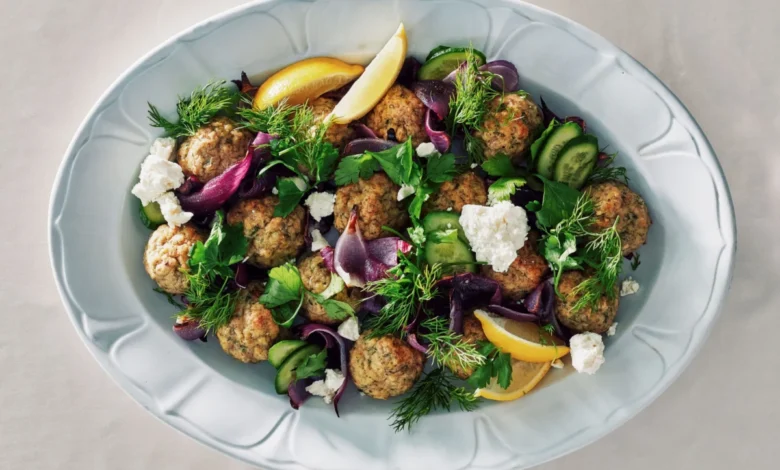
The inclusion of aromatics—specifically finely grated garlic, lemon zest, and a blend of dried oregano and cumin—serves to elevate the flavor profile without the need for complex sauce reductions. The red onion, sliced into substantial wedges, provides a roasted sweetness that serves as an acidic and textural counterpoint to the savory meat, reflecting a shift toward "one-pan" cooking methodologies that emphasize both ease of preparation and the reduction of dishware waste.
Historical Context and the Shift in Home Cooking
The evolution of the meatball can be traced through various cultural iterations, from the Italian polpette to the Swedish köttbullar. Traditionally, these dishes were designed to extend limited quantities of meat by incorporating fillers like bread, eggs, and herbs. In the mid-20th century, these recipes became symbols of domestic labor, requiring significant attention and time to ensure the sauce reached the desired consistency.
However, the late 2010s and early 2020s saw a sharp pivot in consumer habits. Market research indicates that "time-saving" has become the primary driver for grocery shopping and meal planning for 72 percent of urban households. The professional culinary sector responded by deconstructing traditional recipes to their essential elements. The transition to oven-roasting is a byproduct of this broader societal trend: the demand for high-quality, homemade nutrition that fits within a 30-minute operational window.
Comparative Analysis: Roasting vs. Frying
The decision to move away from stovetop frying is supported by both health and maintenance data. Frying, while effective for achieving a Maillard reaction—the chemical reaction that gives browned food its distinctive flavor—often results in the uneven distribution of heat, the risk of oil splattering, and the necessity for constant attendance.
- Active Time Reduction: Roasting requires roughly 5 to 7 minutes of active labor (shaping and mixing) and 20 to 25 minutes of passive oven time. Frying requires constant active labor for the duration of the cooking process.
- Cleanup Efficiency: Oven-roasting allows for the use of parchment-lined baking sheets, reducing post-cooking cleanup to near zero, whereas frying requires the degreasing of pans and the management of potentially hazardous waste oil.
- Consistency: The convective environment of an oven ensures a uniform cooking gradient, significantly lowering the statistical probability of undercooked centers or charred exteriors.
Strategic Ingredient Integration
The specific ingredient list highlights a shift toward "pantry-ready" components. The use of Diamond Crystal kosher salt is specifically recommended by culinary professionals due to its consistent flake size, which allows for more accurate seasoning control than standard table salt.
The inclusion of fresh dill and parsley at the conclusion of the process adds a necessary brightness that balances the heavier fats of the meat. Furthermore, the suggestion to serve these meatballs with fresh cucumber, feta, and country-style bread positions the dish as a "Mediterranean-style" meal, emphasizing a focus on fresh, uncooked accompaniments that provide textural contrast to the roasted meat.
Implications for Future Culinary Education
The rise of the "busy-workday meatball" suggests a broader democratization of culinary skills. By simplifying the technical barriers to entry—removing the need for constant monitoring or complex sauce-making—home cooks are more likely to engage in scratch cooking rather than relying on pre-processed convenience foods.
Industry analysts suggest that this trend has significant implications for the grocery retail sector. The demand for high-quality, pre-portioned aromatics (such as zested lemon and grated garlic) is rising, as consumers seek to replicate restaurant-quality flavors with minimal labor. Furthermore, the adaptability of the recipe—allowing for the substitution of various proteins—mirrors the current consumer focus on supply-chain flexibility and personal dietary preference.
Summary of Best Practices
For those intending to implement this methodology, the following procedural steps are considered the industry standard:
- Preparation of Aromatics: Ensure the garlic and onion are prepared in consistent sizes to allow for uniform cooking times.
- Hydration Phase: Allow the panko and water mixture to sit briefly before incorporating the meat; this ensures the breadcrumbs are fully hydrated and capable of holding moisture.
- Handling: Utilize olive oil on the hands during the shaping process to prevent the mixture from sticking and to ensure a smooth, uniform surface area, which aids in even roasting.
- Temperature Control: Preheating the oven is non-negotiable. Consistent heat is required to initiate the browning process immediately upon the meatballs entering the oven.
Conclusion
The modern approach to the meatball represents the intersection of historical culinary tradition and contemporary efficiency. By prioritizing techniques that minimize labor while maximizing flavor and nutritional value, home cooks can achieve results that meet the demands of a high-pressure lifestyle. The move toward oven-roasted preparations is not merely a shortcut; it is a refined culinary strategy that acknowledges the constraints of the modern home environment while refusing to compromise on the fundamental quality of the meal. As food consumption patterns continue to evolve, the meatball serves as an enduring testament to the versatility and resilience of simple, well-executed comfort food in an era of rapid technological and social change.