Navigating the Waters of Expedition Cruising: A Family Evaluation of National Geographic and Lindblad Expeditions in the Mediterranean

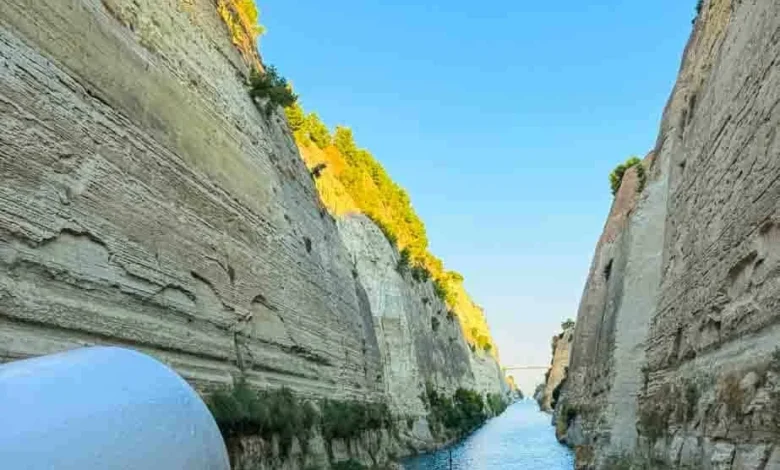
The modern travel landscape offers an increasingly diverse array of options for multi-generational families, ranging from massive floating resorts equipped with water parks and Broadway-style theaters to intimate, education-focused maritime voyages. Among the most prominent operators in the latter category is the partnership between National Geographic Expeditions and Lindblad Expeditions, a collaboration that marries high-end adventure travel with academic exploration. Designed to immerse travelers deeply in the marine biology, geology, local culture, and history of distinct global regions, these itineraries represent a substantial financial commitment. A critical examination of a recent voyage aboard the National Geographic Orion through the waters of Greece, Albania, and Croatia provides valuable insights into whether this specialized style of travel aligns with the expectations and needs of contemporary families.
Main Facts and Operational Overview
National Geographic and Lindblad Expeditions operate a fleet of specialized vessels engineered specifically for expedition cruising. Unlike traditional commercial cruise liners that dominate major ports, these smaller ships are capable of navigating narrow straits, shallow harbors, and remote coastal inlets inaccessible to larger vessels. This operational flexibility allows travelers to bypass heavily congested tourist hubs and access off-the-beaten-path destinations directly.
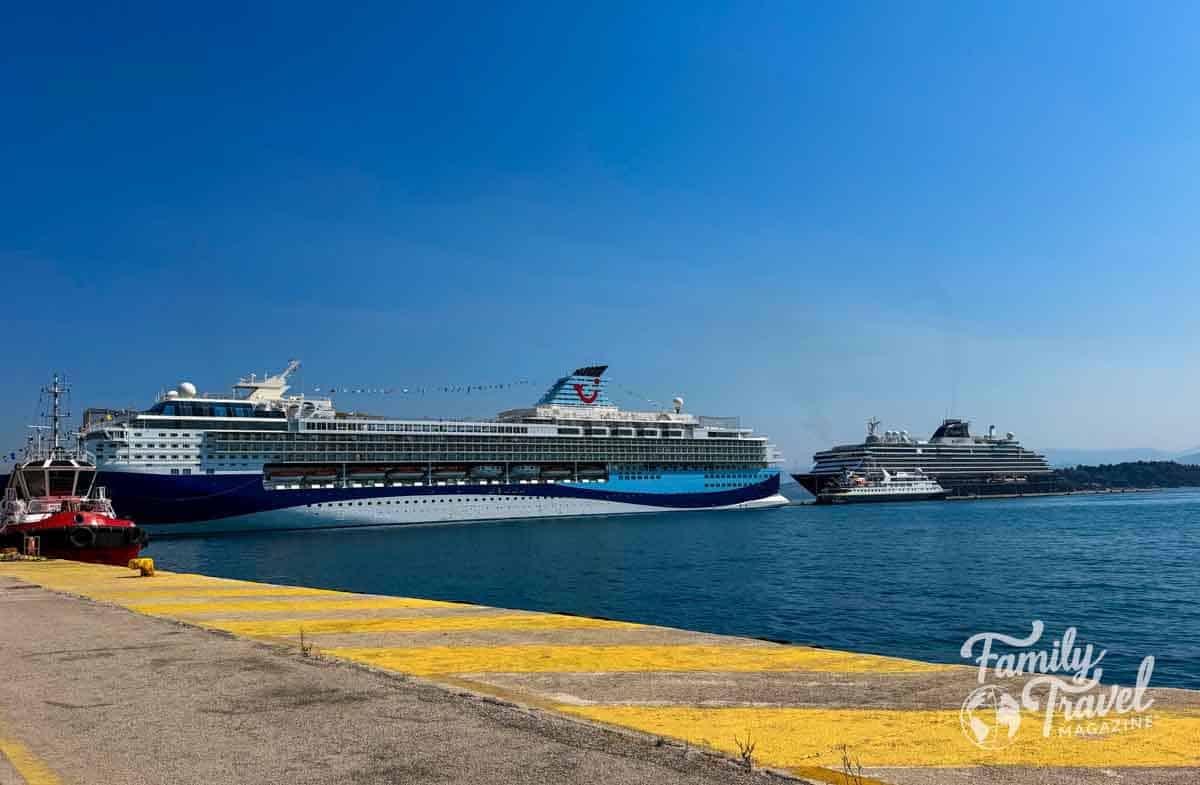
However, the physical infrastructure of the vessels reflects their purpose-driven design. Passengers accustomed to the sprawling entertainment complexes of mega-ships will find a starkly different onboard environment. The National Geographic Orion and its sister ships do not feature swimming pools, water slides, designated kids’ clubs, arcades, or multi-story sports decks. Instead, public spaces are configured to maximize educational programming, featuring observation decks, libraries, and lecture halls where marine biologists, historians, and naturalists lead daily briefings.
The voyage analyzed in this review—the Ancient Mediterranean itinerary—centered primarily on the rich historical and cultural tapestries of Greece, Albania, and Croatia, contrasting with other Lindblad itineraries that place a heavier emphasis on undersea life, wildlife tracking, and polar ecosystems. Consequently, the success of such a vacation hinges heavily on matching the specific itinerary’s academic focus with the personal interests of the participating family members.
Chronology and Typical Daily Itinerary
A standard day aboard a Lindblad-National Geographic expedition is structured around active, immersive exploration rather than passive leisure. Mornings typically begin early with a buffet breakfast served in the ship’s primary dining room, offering a broad selection of hot and cold items designed to fuel travelers for the day ahead.
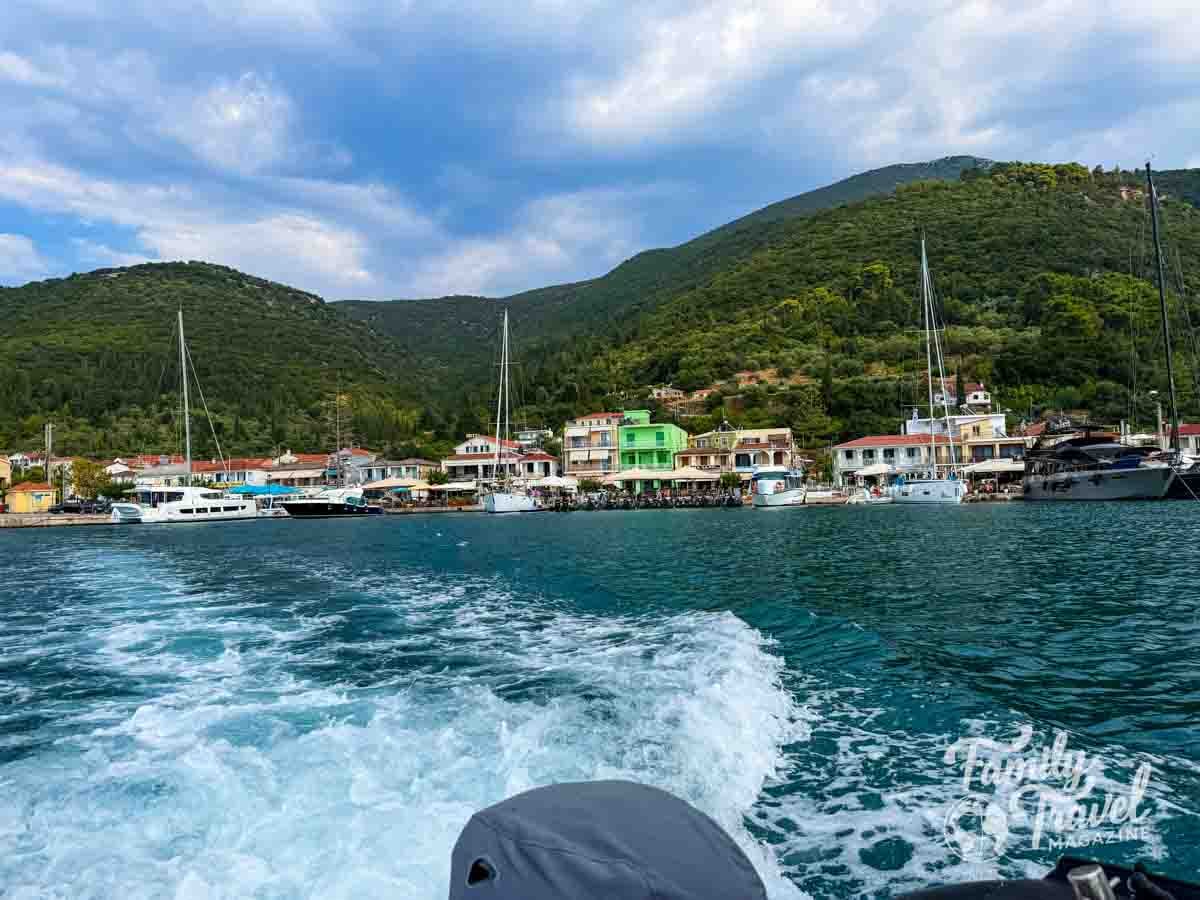
Following breakfast, passengers disembark for excursions. Depending on the geography of the port, the ship may dock directly at a pier, or passengers may be required to board Zodiac inflatable boats to reach remote coastlines. This process is tightly coordinated by the expedition staff, who call passengers by designated excursion groups to maintain efficiency and safety.
Excursion structures vary by location, with travelers generally given a choice of at least three distinct activities ranging from moderate walking tours of ancient ruins to more physically demanding hikes or cultural workshops. While the pace is not universally grueling, participants must possess a baseline level of mobility, particularly when navigating uneven terrain ashore or boarding Zodiacs in choppy waters.
Afternoon schedules frequently involve transit between ports, during which passengers can attend optional, expert-led lectures covering topics such as regional geology, marine ecosystems, smartphone photography, and local geopolitical history. Evenings commence with an open-seating, à la carte dinner service in the main dining room, offering a varied menu capable of accommodating diverse dietary preferences, including simpler options for younger or more selective palates. The day concludes without formal evening galas or large-scale stage productions, encouraging early rest in preparation for the following morning’s excursions.
Supporting Data and Financial Considerations
Expedition cruising occupies the upper tier of the luxury travel market, and pricing reflects the inclusion of comprehensive services. Fares for National Geographic and Lindblad Expeditions are notably higher than those of standard commercial cruises, but the upfront cost encompasses a broad array of typically ancillary expenses.
Industry data and operator disclosures indicate that standard expedition fares cover all onboard meals, group excursions, port fees, gratuities to ship crew and expedition staff, basic alcoholic beverages (excluding premium wines and spirits), specialty coffees, and snacks. Furthermore, the inclusion of expert personnel—ranging from National Geographic photographers to certified naturalists and cultural historians—adds significant educational value to the overall package.
To mitigate financial barriers for families, Lindblad Expeditions periodically offers targeted promotional incentives, such as their "Bringing the Kids" program, which provides reduced rates for minor children and young adults on select departures. Travel economists and industry analysts emphasize that when evaluating the cost of an expedition cruise, consumers must calculate the total projected vacation expenditure—accounting for shore excursions, tips, and onboard beverages that would otherwise accumulate as extra charges on a traditional cruise—rather than relying solely on the base ticket price.
Accommodations and Family Logistics
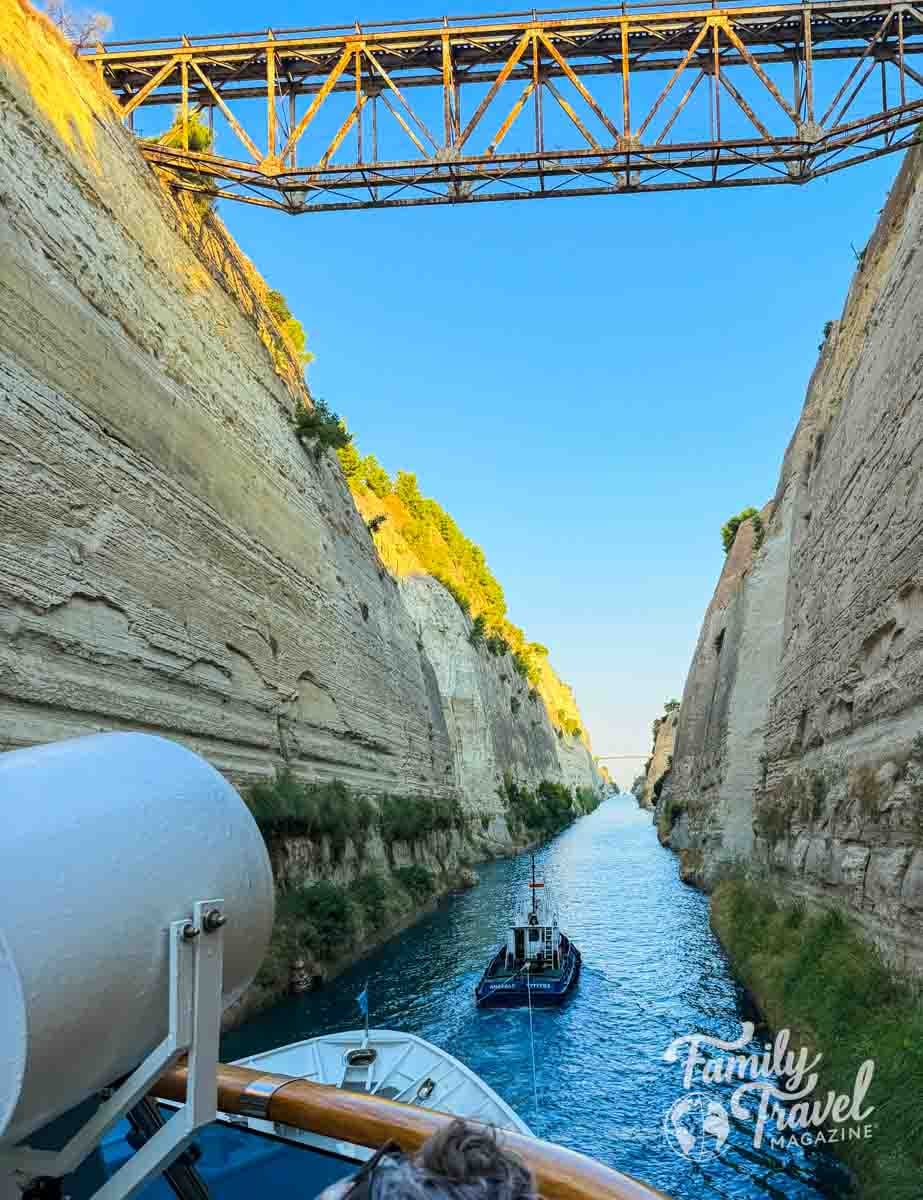
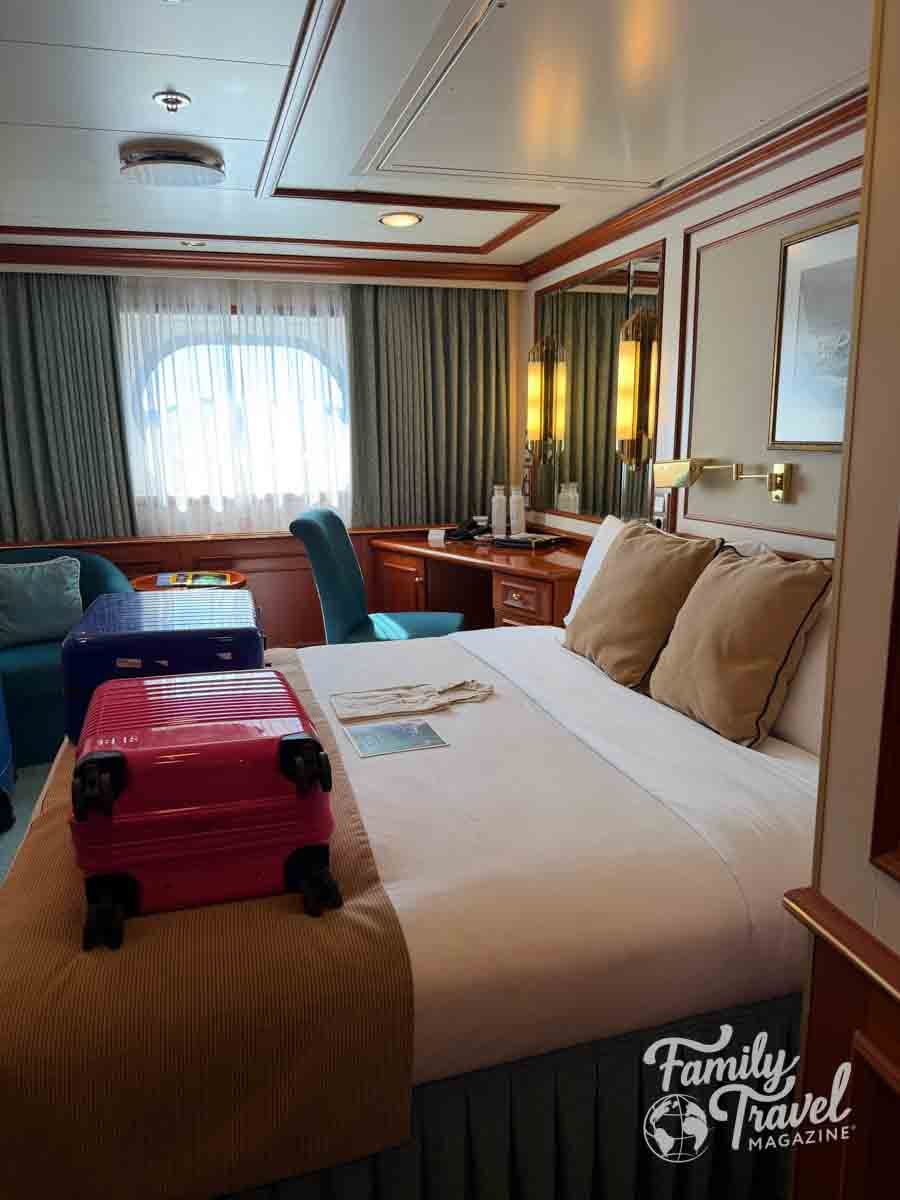
Accommodations on the National Geographic Orion are tailored to comfort and functionality. Stateroom configurations vary by vessel, categorized primarily by size, deck level, and amenity offerings such as French balconies or picture windows.
For multi-person families, room arrangements require careful planning. On the Orion, standard staterooms generally accommodate two guests, meaning families of four must book multiple rooms. While connecting doors are absent in many configurations, adjacent rooms are typically situated close to one another. Notably, cabin doors on the vessel remain unlocked unless secured from the inside or specifically requested otherwise by the occupants, allowing for fluid movement between family members throughout the trip. Certain vessels within the fleet do offer select triple-occupancy cabins or connecting staterooms, necessitating detailed review of deck plans during the booking process.
Official Responses and Industry Context
Representatives for adventure cruise operators maintain that the demand for experiential, education-based travel among families has grown steadily over the past decade. Industry trend reports indicate that post-pandemic travelers increasingly prioritize meaningful, destination-driven itineraries over traditional resort-style vacations, seeking opportunities for multi-generational bonding through shared learning.
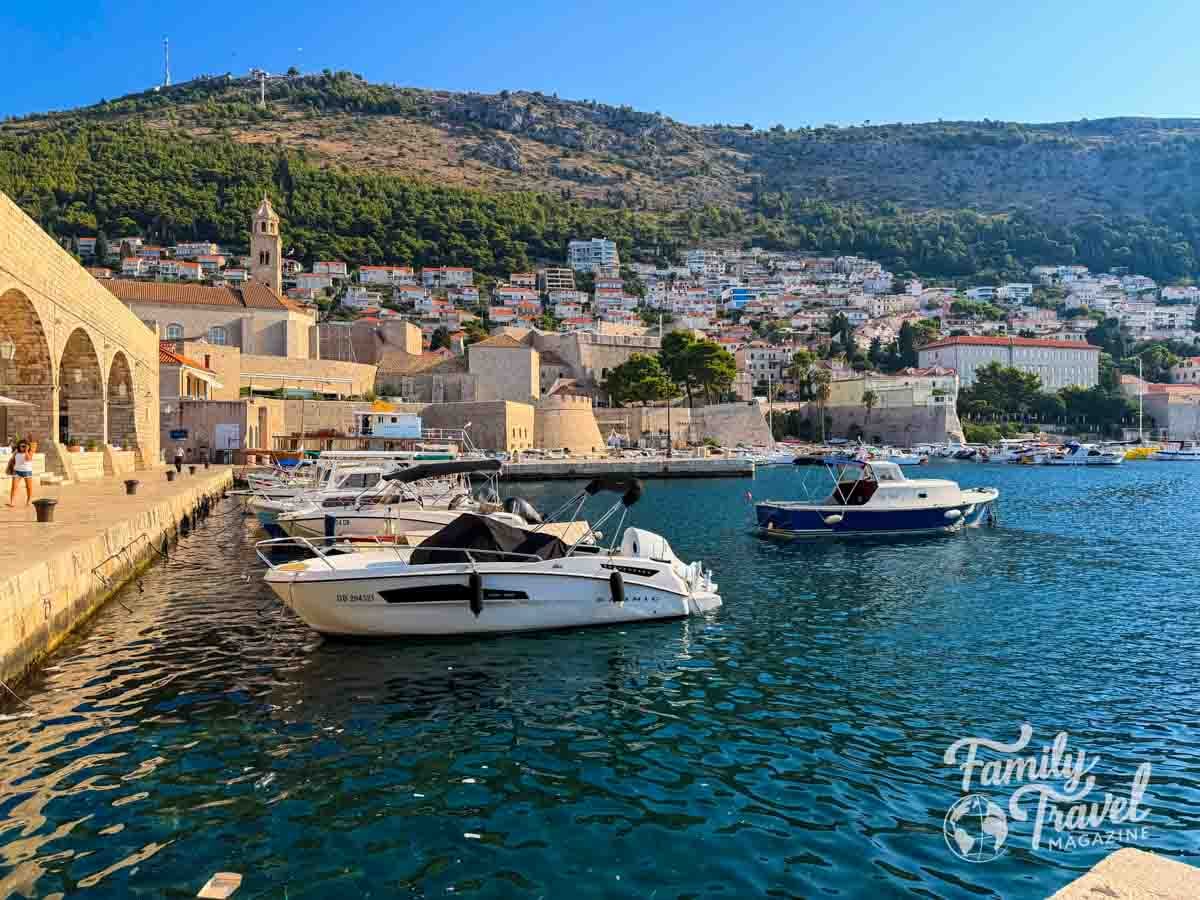
Expedition line leadership underscores that while their vessels are family-friendly, they intentionally avoid mimicking the entertainment models of mass-market cruise lines. The objective is to cultivate an environment of curiosity and intellectual engagement. Feedback gathered from family travelers consistently highlights the unique access provided by experts—such as private tours of archaeological sites led by leading historians or snorkeling sessions guided by marine researchers—as the defining differentiator of the National Geographic-Lindblad experience.
Broader Impact and Implications
Choosing an expedition cruise carries distinct implications for family dynamics and vacation satisfaction. For families characterized by older children, teenagers, and young adults who exhibit a genuine curiosity regarding history, geography, and the natural sciences, these voyages offer an unparalleled educational framework. The elimination of logistical hurdles—such as daily hotel check-ins, domestic flights, and long-distance train transfers—allows families to maximize their time in culturally rich regions.
Conversely, the model presents clear limitations for families whose members prioritize onboard recreation, structured youth programming, or extensive leisure time by a swimming pool. Travel experts advise parents to conduct thorough expectation-management discussions with their children prior to booking. Because expedition cruising requires active participation, flexibility in the face of changing weather conditions, and an appreciation for academic enrichment, it remains a highly specialized product suited to a specific demographic of inquisitive travelers rather than a universal vacation solution.