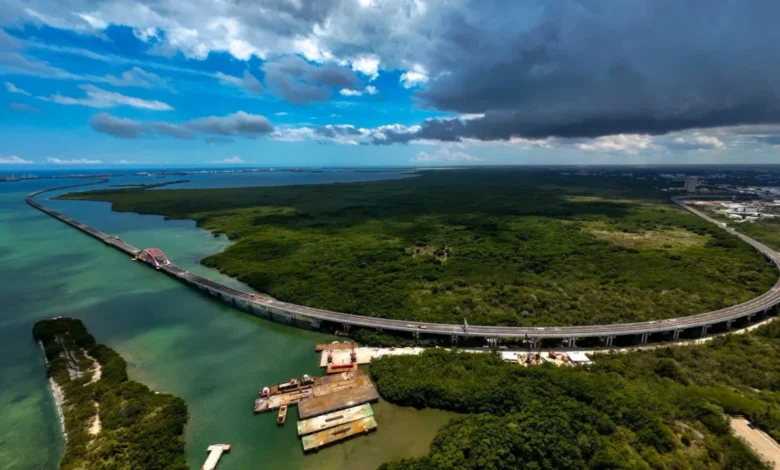
The inauguration of the Nichupté Bridge marks a definitive shift in the infrastructure landscape of the Mexican Caribbean, addressing long-standing logistical challenges that have defined the visitor experience in Cancún for decades. This monumental engineering project creates a vital, secondary artery linking the mainland urban core of downtown Cancún with the iconic, high-density hotel zone. By providing an alternative to the historically congested Kukulcán Boulevard—the sole primary road previously serving the hotel strip—the bridge aims to optimize the flow of both tourism and local commerce, effectively recalibrating the operational efficiency of one of the world’s most visited travel corridors.
Historical Context and Logistical Challenges
For over forty years, the structural limitations of the hotel zone’s accessibility have been a point of friction for stakeholders. As the Mexican Caribbean evolved from a small-scale tourism hub into a global powerhouse, the infrastructure struggled to scale at the same pace as the influx of international arrivals. During peak travel seasons, the congestion on Kukulcán Boulevard often resulted in transit times exceeding two hours for a journey that, under normal conditions, would take twenty minutes.
The "bottleneck effect" became a significant concern for the tourism board, as the quality of the visitor experience is often measured by the transition from the airport to the final destination. The frustration of stagnant traffic—often exacerbated by the high volume of service vehicles, public transit, and taxi fleets—became a recurring theme in traveler feedback. The Nichupté Bridge project was conceived not merely as a road, but as a strategic solution to mitigate these delays, ensuring that the reputation of the Mexican Caribbean as a premier destination remained untarnished by logistical inefficiencies.
Project Timeline and Development
The development of the bridge follows years of rigorous environmental impact assessments and engineering studies. The project was officially fast-tracked by federal and state authorities to coincide with the broader regional development goals, which include the expansion of the Maya Train network and the modernization of the Cancún International Airport.
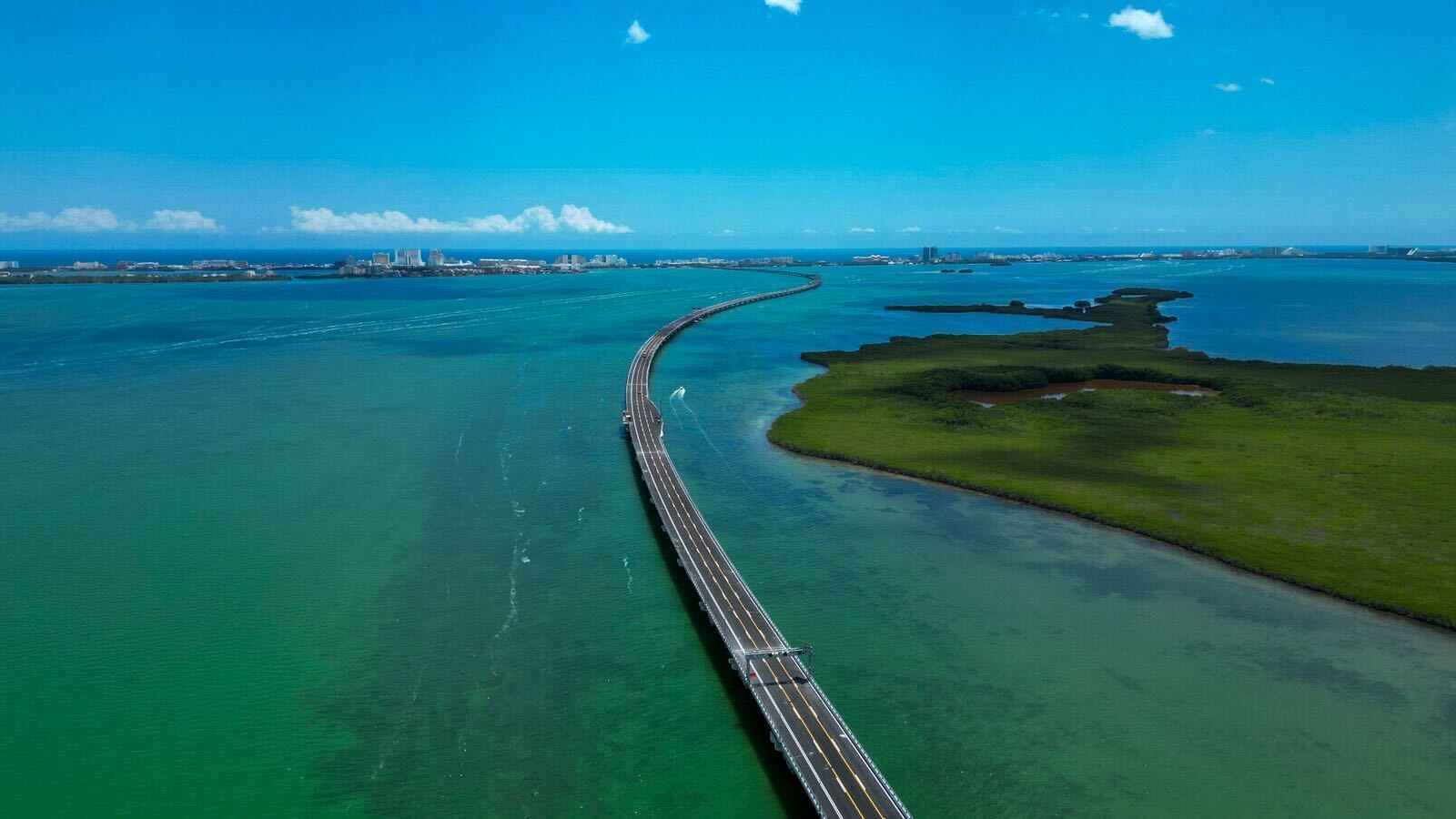
Construction phases were meticulously managed to minimize disruption to the local ecosystem of the Nichupté Lagoon, a protected area of high biodiversity. The structural design—a bridge spanning nearly nine kilometers—incorporates advanced maritime engineering techniques to accommodate the specific soil and climate conditions of the Yucatan Peninsula. The project reached its zenith in mid-2026, culminating in a ribbon-cutting ceremony that signaled a new era for local transportation. The bridge’s unveiling was a centerpiece of the discussions at the EDGE 2026 conference in San Diego, where global industry leaders gathered to analyze the future of international tourism infrastructure.
Economic and Data-Driven Implications
The economic implications of the Nichupté Bridge extend far beyond the convenience of a shorter commute. Preliminary data from the Secretariat of Infrastructure, Communications and Transportation suggests that the bridge is projected to reduce travel times between the airport and the hotel zone by approximately 40% during peak hours.
From an economic standpoint, the project facilitates a more fluid movement of labor and goods. By bridging the gap between the residential zones of downtown Cancún and the service-heavy hotel strip, the infrastructure reduces the operational overhead for resorts that rely on daily staff commutes. Furthermore, by easing the stress on the primary boulevard, the local government expects a significant reduction in vehicle emissions and fuel consumption, aligning with broader sustainability goals aimed at preserving the environmental integrity of the region.
Financial analysts monitoring the Mexican Caribbean suggest that this investment will likely bolster property values and encourage a more diverse range of businesses to operate in areas previously deemed "logistically isolated." The ability to move freely between the urban dining and cultural centers of downtown and the luxury offerings of the beach resorts allows for a more integrated travel itinerary, potentially increasing the total spending per visitor.
Official Responses and Strategic Vision
During the announcement of the 2027 edition of the EDGE conference in the Riviera Maya, the Mexican Caribbean Tourism Board underscored the bridge’s symbolic importance. Andrés Martínez Reynoso, CEO of the Board, characterized the structure as a "transformational project" that reflects a proactive stance toward the needs of the modern traveler.
"We are moving past the era of simply building more rooms," a representative for the regional planning department noted. "The focus is now on the ‘ecosystem of transit.’ When a guest arrives, the experience starts at the terminal. If that experience is seamless, their perception of the entire destination improves. The bridge is the most significant step in that strategy."
International industry experts have lauded the move, noting that many global destinations fail to update their internal infrastructure until it reaches a breaking point. By investing in the Nichupté Bridge while tourism demand is at an all-time high, the Mexican government is effectively future-proofing the region against the inevitable growth in visitor numbers expected over the next decade.
Analysis: The Future of the Mexican Caribbean
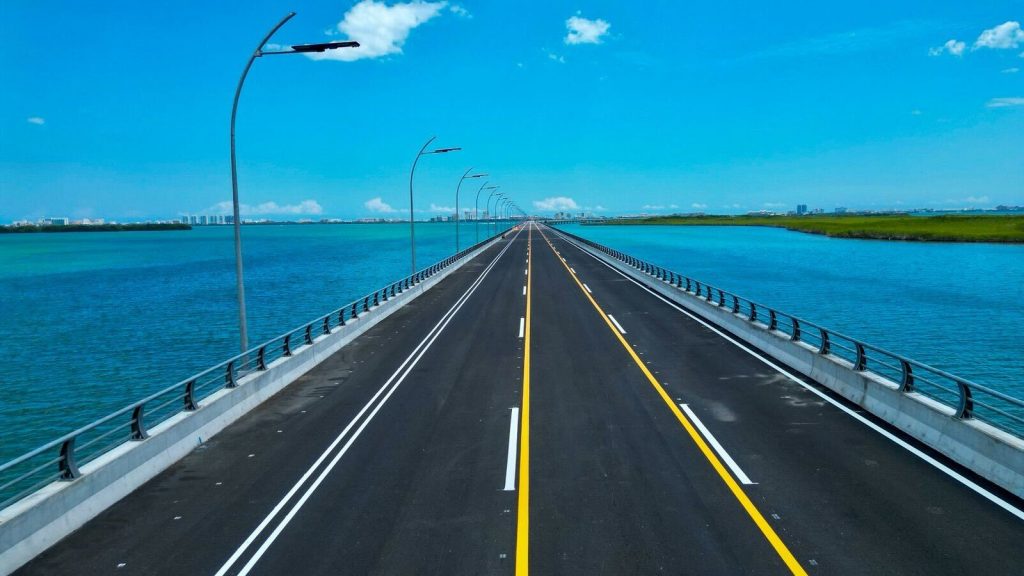
The shift toward infrastructure-led tourism is a defining characteristic of the post-2025 landscape. The Mexican Caribbean is transitioning from a model of reactive growth to one of proactive, sustainable development. This shift is clearly evidenced by the integration of the bridge with the regional rail network and the expansion of the airport’s capacity.
The "frictionless" travel experience is no longer a luxury; it is an expectation. Today’s travelers, increasingly accustomed to the digital efficiency of online bookings and contactless check-ins, are less tolerant of archaic transit systems. The Nichupté Bridge addresses this psychological hurdle. By minimizing the time spent in transit, the region is essentially reclaiming "vacation time" for the visitor, which is perhaps the most valuable commodity in the travel industry.
Broader Regional Impact
The implications of the bridge will likely ripple through to other neighboring destinations. Playa del Carmen and Tulum, which have also faced their own respective challenges with growth and traffic, are observing the Cancún model closely. There is a growing consensus among regional planners that the "in-between" spaces—the roads, the transit hubs, and the corridors—are just as vital as the beachfronts themselves.
As the region prepares for the EDGE 2027 conference, the focus will likely shift from the completion of individual projects to the long-term maintenance and integration of these new systems. The Nichupté Bridge stands as a case study for other developing tourism markets: success depends not just on the beauty of the destination, but on the invisible engineering that makes that beauty accessible.
In conclusion, the Nichupté Bridge represents a significant victory for regional planning. It effectively bridges the geographical divide that has hampered the Cancún visitor experience for years. As the Mexican Caribbean continues to refine its infrastructure, the bridge will likely be remembered as the cornerstone of a new, more efficient, and more sustainable era for one of the world’s most enduringly popular travel regions. For the traveler, it means more time on the sand and less time in the car; for the region, it means a more robust and capable foundation for the future of tourism.