The prevailing culture of modern tourism often encourages a frenetic, checklist-driven approach to city exploration, particularly within the Nordic capitals. In Helsinki, where the concentration of world-class cultural institutions is high, visitors frequently succumb to the pressure of attempting to navigate four or five galleries within a single afternoon. This "marathon" method, however, often leads to sensory overload and a diminished capacity for critical engagement with the art on display. By adopting the Finnish philosophy of rauhassa—a term denoting peace, tranquility, and, crucially, a deliberate lack of haste—travelers can recalibrate their experience to prioritize depth over volume. A curated, three-museum itinerary offers a more profound insight into the Finnish cultural landscape than an exhaustive, high-velocity tour ever could.
The Case for Curated Cultural Engagement
Data on visitor behavior in metropolitan museum districts suggests that the "diminishing returns" threshold for museum fatigue typically occurs after approximately three hours of sustained viewing. When visitors attempt to consume too many collections in rapid succession, the cognitive load exceeds their capacity for retention. The rauhassa approach mitigates this by limiting the day to two or three primary stops. This method allows for a more contemplative interaction with the curatorial intent, enabling the visitor to absorb the historical and aesthetic narratives presented by institutions like the Ateneum and Kiasma.
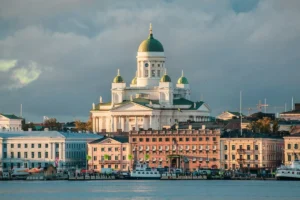
When the goal shifts from "collecting" institutions to experiencing them, the city of Helsinki itself becomes a bridge between collections. The geographic proximity of these museums allows for the integration of the city’s urban fabric into the visitor’s day. Walking through the streets between galleries provides a necessary psychological decompression, effectively acting as a transition between the varying historical epochs and artistic themes represented within the institutions.
Chronology of a Curated Helsinki Route
A logical and geographically efficient route begins at the Ateneum Art Museum, situated prominently beside the Helsinki Central Station. The building, a cornerstone of the Finnish National Gallery, offers an extensive overview of Finnish art history, ranging from the 19th century to the modern era.
Morning: The Historical Foundation at Ateneum
The Ateneum serves as an essential starting point for understanding the Finnish national identity through visual arts. Its collection features prominent works by Akseli Gallen-Kallela, whose epic portrayals of the Kalevala—the Finnish national epic—remain foundational to the nation’s cultural consciousness. The museum also houses significant pieces by Helene Schjerfbeck, whose modernist evolution provides a stark contrast to more traditional realist works.
Visitors are advised to arrive at the 10:00 a.m. opening time. At this hour, the galleries are typically less crowded, and the cognitive energy of the visitor is at its peak. Engaging with museum staff at the information desk can yield tailored recommendations, often uncovering hidden gems within the current exhibition schedule that might otherwise be overlooked in a cursory scan.
Midday: The Transition and Urban Context
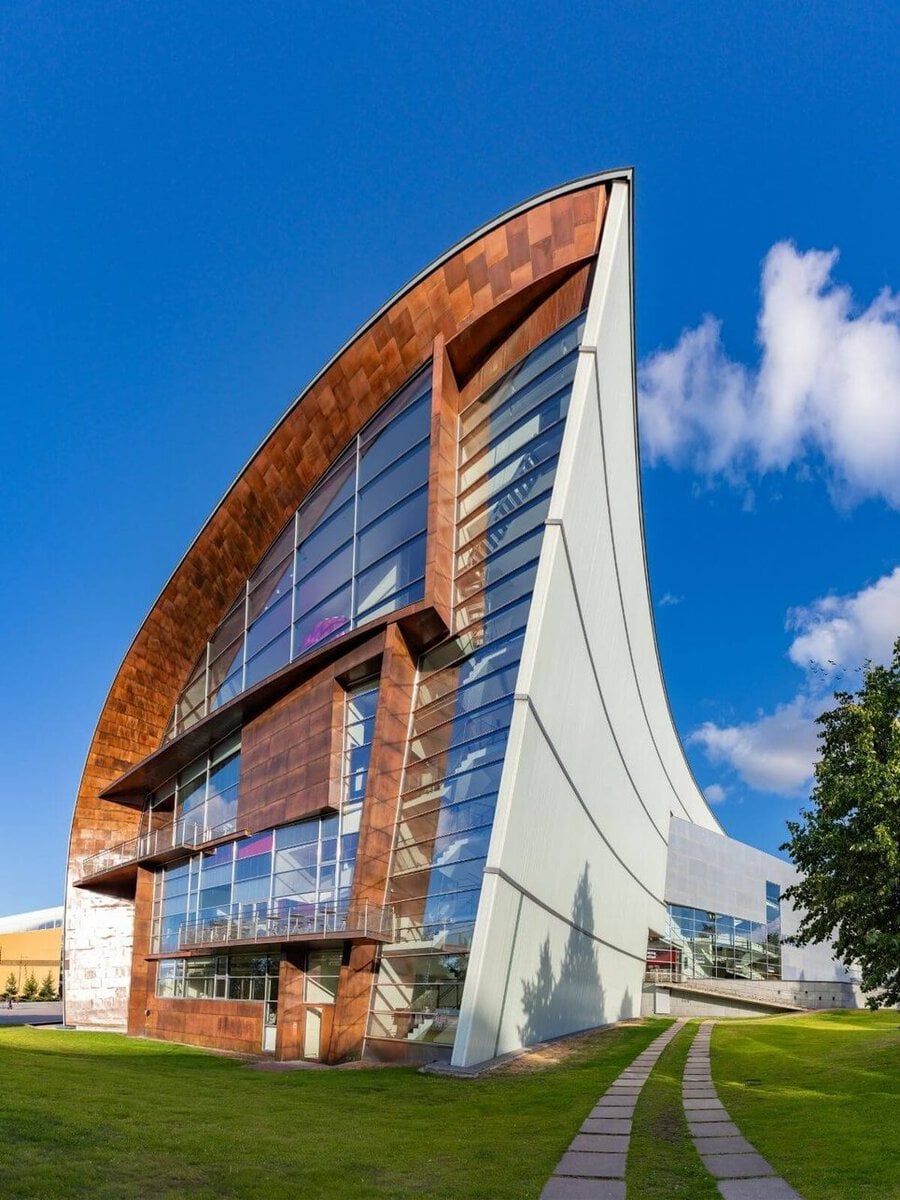
Following a morning at the Ateneum, a five-hundred-meter walk toward the city center leads to Kiasma, the Museum of Contemporary Art. This short transit time is a critical component of the day’s structure. It forces a change in scenery and pace, moving the visitor from the classical, ornate architecture of the Ateneum to the fluid, light-filled, and challenging geometry of Steven Holl’s Kiasma design.
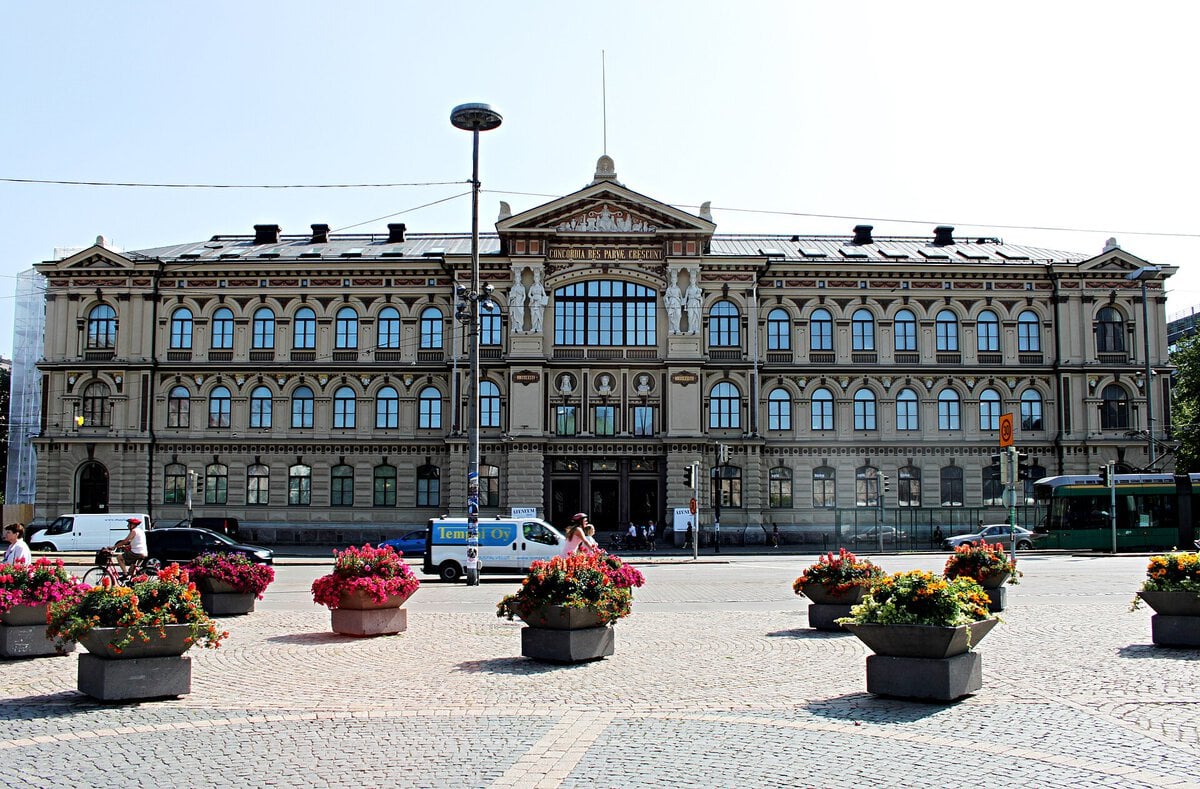
This juxtaposition is not merely physical; it is thematic. While the Ateneum establishes the historical bedrock of the Finnish identity, Kiasma represents the country’s ongoing dialogue with global contemporary issues. The architectural shift prepares the visitor for a change in perspective, moving from historical appreciation to modern inquiry.
Afternoon: The Third Stop and Conclusion
After concluding a visit to Kiasma, the day should be punctuated by a period of rest. Helsinki’s café culture is robust, and a mid-afternoon pause serves as a vital component of the rauhassa philosophy. Whether selecting a classic coffee house or a modern bistro, this break prevents the fatigue that inevitably follows a rushed schedule.
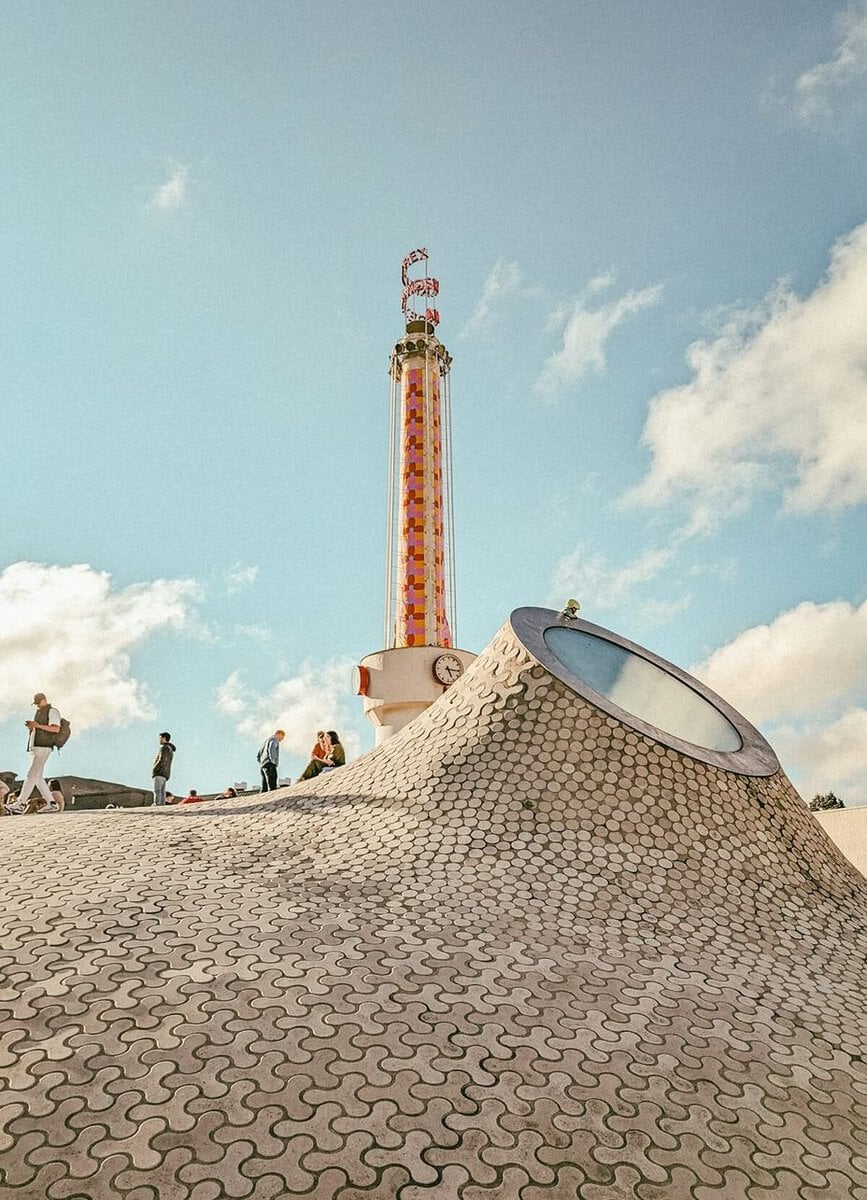
For the final stop, visitors typically choose between the Amos Rex, renowned for its subterranean, innovative architecture and experimental exhibitions, or the Design Museum, which chronicles the legacy of Finnish industrial and graphic design. By selecting one rather than attempting to visit both, the visitor ensures that their final impression of the city’s artistic output is not blurred by a rushed, shallow viewing.
Comparative Analysis: The Museum Card vs. Individual Admission
A point of contention for many travelers is the utility of the "Museum Card" (Museokortti) versus the broader "Helsinki Card." The Museum Card is a nationwide pass that offers access to over 300 museums across Finland for a period of 12 months. For a visitor staying in Helsinki for only one or two days, the financial viability of this card must be carefully calculated.
If a traveler’s itinerary includes only two or three museums, individual entry fees often amount to less than the cost of a long-term pass. However, for those intending to spend a full week or more exploring the wider Finnish cultural circuit, the card becomes a significant cost-saving mechanism. Conversely, the Helsinki Card provides a more comprehensive, albeit broader, range of benefits, including public transport and entry to non-museum attractions. A fact-based analysis of one’s planned activities is essential; blindly purchasing a pass under the assumption of "efficiency" is a common logistical error that rarely results in net savings for the short-term visitor.
Institutional Perspectives and Operational Realities
Museums in Helsinki generally operate with a standard schedule, though this is subject to fluctuation based on seasonal programming and national holidays. The Ateneum, for instance, maintains extended hours on Wednesday and Thursday evenings, which can be a strategic advantage for those who prefer to visit during quieter, post-work hours.
Financial policies are similarly standardized, with most major institutions offering reduced rates for students and seniors, and free admission for those under eighteen. The implementation of "free-entry" days—such as the first Friday of the month at various institutions—serves as an accessibility initiative, though it inevitably results in higher visitor density. Travelers prioritizing a quiet, introspective experience are encouraged to avoid these high-traffic periods in favor of mid-week slots.
Implications for Future Tourism Policy
The shift toward "slow tourism" in Helsinki is part of a broader movement within the Nordic travel sector to mitigate the negative externalities of mass tourism. By encouraging visitors to linger longer and visit fewer sites, these cities aim to reduce the carbon footprint associated with excessive transit and decrease the wear and tear on historical sites while simultaneously improving the quality of the visitor experience.
This model of engagement—focusing on the "why" and "how" of a museum visit rather than the "how many"—is being increasingly adopted by tourism boards. It posits that the true value of a destination lies in the depth of the connection established between the visitor and the local culture. By choosing to engage with two or three collections in a meaningful way, the visitor leaves with a coherent, lasting understanding of Helsinki’s historical trajectory and contemporary creative energy, rather than a fragmented memory of a whirlwind transit through gallery corridors.
Ultimately, the successful Helsinki museum day is defined by the ability to curate one’s own experience. It requires the rejection of the "checklist" mentality in favor of a deliberate, informed, and peaceful exploration of the city’s intellectual heart. By respecting the time required to genuinely appreciate each exhibit, the visitor gains not only a better understanding of Finnish art but also a more authentic, less stressful encounter with the city itself. Whether navigating the classical halls of the Ateneum or the cutting-edge installations of Kiasma, the lesson remains consistent: in the context of cultural exploration, less is, almost invariably, more.