The Ultralight Gear Market: A Shifting Landscape Where Niche Brands Thrive Amid Mainstream Entry

Published July 22, 2026 04:43PM
The specialized realm of ultralight outdoor gear, long championed and shaped by a vibrant ecosystem of small, independent "cottage" brands, is currently experiencing a significant transformation. For decades, this niche within the broader outdoor industry has been characterized by its unique entrepreneurial spirit, where smaller companies, often operating with minimal overhead, have driven innovation through experimental designs, direct customer engagement, bespoke features, and exceptional service. This model fostered a culture of risk-taking and rapid adaptation, allowing these brands to flourish by catering directly to a highly discerning community of backpackers and thru-hikers.
Historically, there has been an underlying apprehension among industry observers and enthusiasts that the success of these nimble innovators would eventually attract the attention of larger, well-financed outdoor corporations. The fear was that these mainstream giants, with their extensive production capabilities and marketing budgets, could quickly adopt ultralight trends, mass-produce goods at lower costs, and subsequently marginalize or even eliminate the smaller, pioneering businesses.
The Mainstream Incursion: A 2026 Snapshot
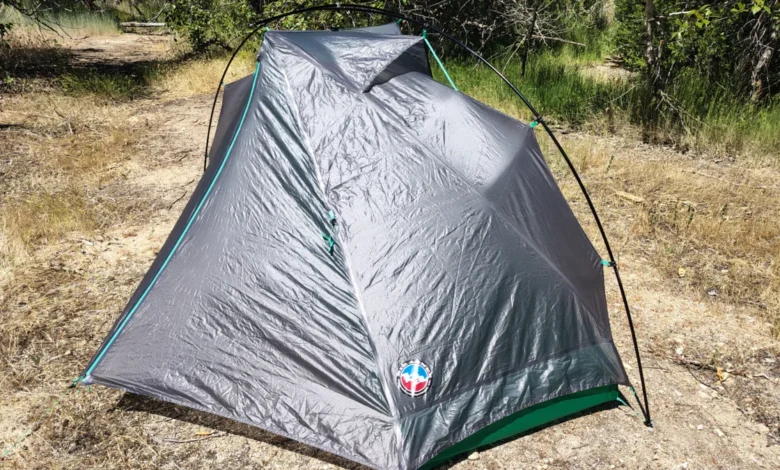
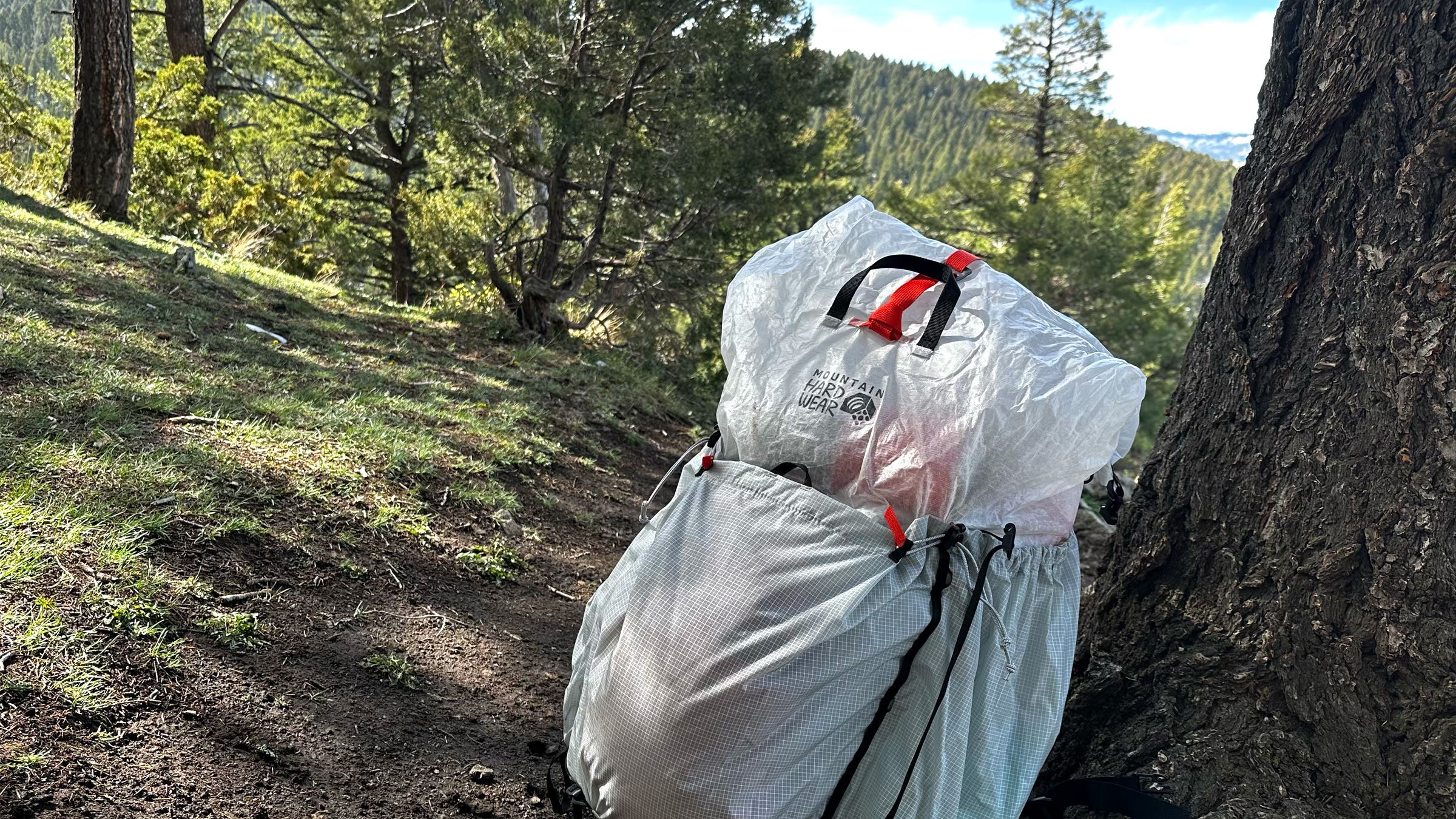
By 2026, a significant part of this prediction has indeed materialized: the mainstream outdoor industry has undeniably embraced the ultralight movement. Evidence of this widespread adoption is pervasive. Big Agnes, a prominent name in camping equipment, has launched a comprehensive line of single-wall shelters, notably including a trekking-pole tent designed for weight reduction. Similarly, major players such as Black Diamond, Arc’teryx, and Mountain Hardwear have introduced backpacks constructed with advanced composite fabrics like Ultra and Graflyte—materials previously synonymous with the cutting edge of cottage industry innovation, known for their exceptional strength-to-weight ratios. The proliferation of sleeping quilts, a lighter alternative to traditional sleeping bags, and the widespread use of Polartec Alpha Direct insulation across various apparel lines further underscore this shift. Indications from brands regarding their product pipelines for the coming year suggest that this mainstream commitment to ultralight principles is set to intensify.
This widespread entry raises critical questions about the future viability of the cottage brands that nurtured this segment. However, current market analysis suggests a counter-intuitive outcome: rather than being undercut, many of the new mainstream ultralight offerings are priced at a premium that often exceeds the budgets of the most dedicated, and often budget-conscious, ultralight backpackers. For instance, Mountain Hardwear’s Graflyte-constructed Alakazam 45-liter pack commands a price tag of $575. Big Agnes’s new single-wall tents range from $550 to $850, and notably, do not utilize the ultra-premium Dyneema composite fabric, which would push prices even higher. NEMO’s 1000-fill power Pulse quilt is available for $550. Even for simpler apparel items, such as Polartec Alpha Direct hoodies, mainstream brands struggle to offer a significant discount compared to their cottage counterparts. This phenomenon prompts a deeper investigation into how these smaller, specialized brands manage to maintain such robust competitiveness in a rapidly evolving market.
Dissecting the Ultralight Pricing Paradox
A common misconception in the broader outdoor community is that ultralight gear is inherently overpriced. While certain flagship products do carry substantial price tags, this is largely attributable to the formidable cost of specialized materials rather than exorbitant profit margins by ultralight brands. Premium components like high-fill-power goose down are expensive due to sourcing and processing. Dyneema Composite Fabric (DCF), a high-performance material made from Ultra-High Molecular Weight Polyethylene (UHMWPE) fibers, can cost upwards of $30 to $40 per yard. The newest generation of pack fabrics, such as Ultra and Graflyte (also UHMWPE composites), are even pricier due to their advanced engineering and limited production volumes.
While larger brands might achieve some marginal cost savings through increased purchasing volumes, the fundamental baseline cost of these highly specialized materials remains largely impervious to mass-market economies of scale. These fabrics are not produced en masse for a wide array of industries; their application is often niche, limiting the potential for significant price reductions based purely on quantity.
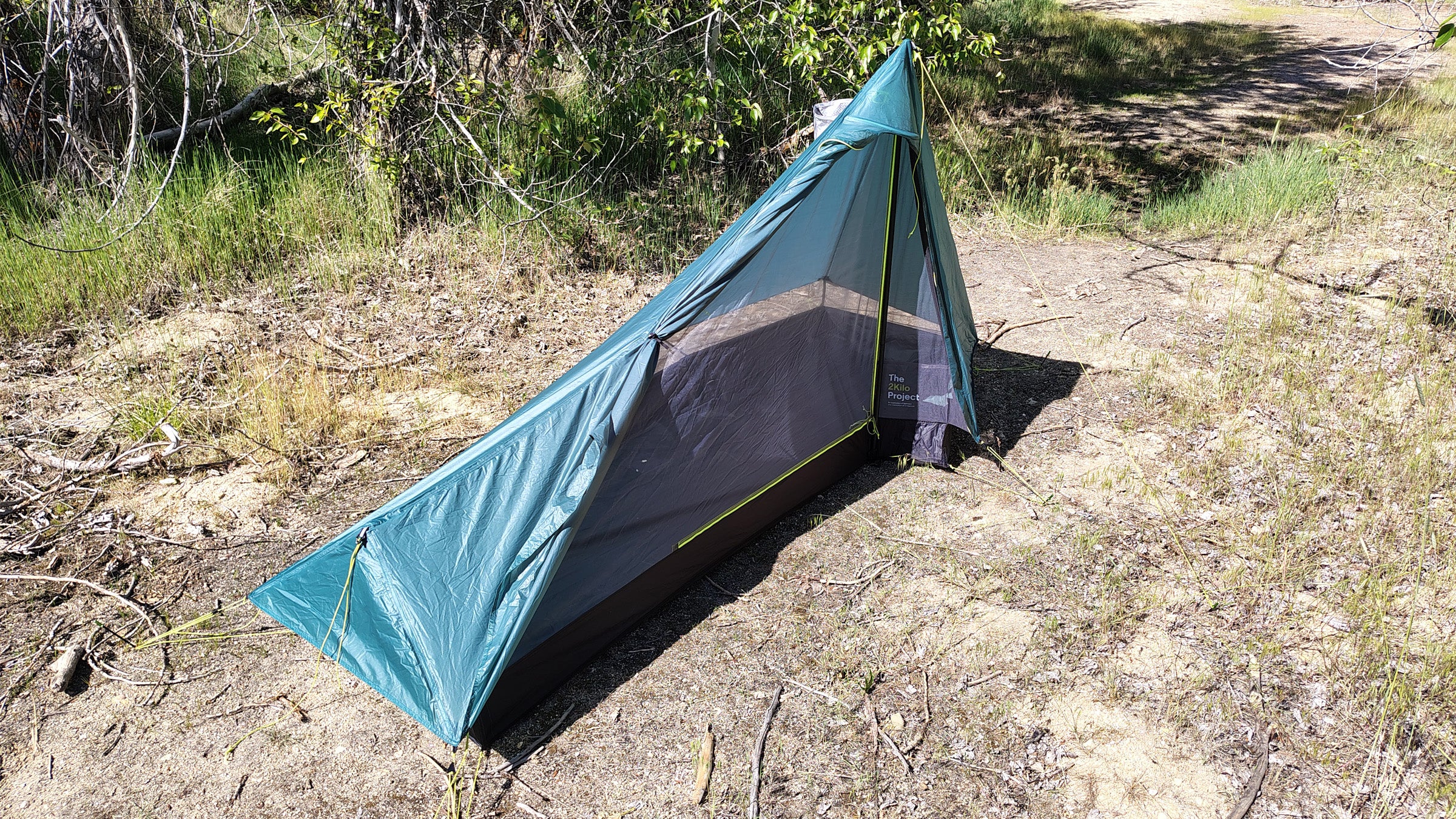
Conversely, a significant portion of ultralight gear remains remarkably affordable, especially when premium materials are not involved. The market offers a wealth of options constructed from more conventional yet still lightweight materials such as Robic nylon for backpacks or silpoly (silicone-coated polyester) for shelters. Brands like Granite Gear, known for its durable and reasonably priced packs, and Six Moon Designs, a long-standing pioneer in ultralight shelters, serve as prime examples that high performance ultralight gear does not necessarily equate to prohibitive cost. This segment of the market provides accessible entry points for new ultralighters and sustained value for experienced practitioners.
The Evolving "Cottage" Industry: Beyond the Garage
The term "cottage industry" itself has undergone a significant evolution within the ultralight space, contributing to the competitive edge of these brands. Many of the most popular and successful ultralight-specific brands have expanded well beyond their humble origins, blurring the lines between niche and mainstream. For instance, comparing a brand like Hyperlite Mountain Gear, a prominent ultralight manufacturer, with a traditionally "mainstream" brand such as NEMO Equipment reveals striking similarities in operational scale. Both companies employ approximately 50 individuals, design their products in-house, and frequently outsource production to overseas facilities. This shift indicates that many established ultralight brands have matured into substantial businesses, operating with efficiencies that belie their "cottage" moniker.
Hyperlite Mountain Gear stands as a prime example of an ultralight brand achieving widespread recognition and scaling its operations while retaining its core ultralight ethos. But this trend extends beyond the largest of the former "cottage" brands. Durston Gear, a relatively newer entrant, has rapidly gained traction. While still a lean operation, having only recently expanded its team beyond founder Dan Durston’s immediate family, Durston Gear has strategically leveraged established manufacturing relationships. Its tents and packs are produced in the same high-quality factories utilized by major outdoor brands such as Black Diamond and Big Agnes. This approach allows Durston Gear to benefit from economies of scale and sophisticated manufacturing processes from its inception, bypassing the traditional "garage-grown" phase entirely and committing to outsourced production from the very first prototype. This model is increasingly common among upstart ultralight brands, accelerating their path to market with professional-grade products.
Yet, the spectrum of business models within the ultralight industry remains diverse. Other ultralight mainstays, such as Zpacks and ULA Equipment, have successfully navigated growth while maintaining in-house production. Zpacks, for example, now boasts over 100 employees and manufactures all its products within the United States, yet still manages to offer competitive pricing relative to products made overseas. This demonstrates a unique blend of craftsmanship, quality control, and efficient domestic production. Furthermore, a resilient segment of genuinely small-scale brands continues to thrive, often intentionally limiting their growth to preserve direct control over production and product quality. Many solo brand owners report being content earning a modest wage while meticulously crafting gear, often with extensive customer waiting lists. These artisans prioritize bespoke quality and personal connection over mass expansion, and their existence, though small, helps to establish and maintain a benchmark for quality and pricing within the broader ultralight market.
Collectively, these varied business models—from scaling innovators to strategically outsourced startups and dedicated micro-producers—have forged an ultralight industry that is remarkably difficult to outcompete, even for large, established brands with decades of experience and substantial financial backing.
The Power of Community and Authenticity: Ultralighters’ Discerning Trust
Beyond pricing and production models, a crucial factor in the resilience of cottage brands is the unique marketing dynamic within the ultralight community. This demographic has, in essence, inverted traditional marketing paradigms. Brands like The North Face and Black Diamond, while possessing immense name recognition and broad appeal among general outdoor consumers, often find this status to be a hindrance rather than a help within the ultralight community. The perception of "making gear for the masses" can be viewed with skepticism, suggesting a compromise on the specialized features and extreme weight-saving principles that ultralighters prioritize.
Instead, ultralight brands predominantly rely on an exceptionally potent form of word-of-mouth marketing—a phenomenon most companies can only aspire to. While the average recreational backpacker might be unfamiliar with brands like Yama Mountain Gear or KS Ultralight Gear, a vast network of dedicated ultralighters actively recommends these and similar brands across influential digital platforms such as YouTube, Reddit, and Instagram. This community is characterized by its intensity and depth of knowledge; members are often repeat thru-hikers, skilled DIY gear makers, and material experts who possess an encyclopedic understanding of fabrics, insulations, and technical specifications. Their endorsements carry significant weight and are highly trusted, forming a powerful, organic marketing engine that is difficult for traditional advertising budgets to replicate.
In contrast, traditional brands face a considerable challenge in earning the trust of this discerning ultralight community. For years, ultralight hikers frequented conventional gear shops only to find a dearth of products that met their specific needs. While the landscape has changed with mainstream brands introducing ultralight lines, deeply ingrained habits and perceptions persist. It will likely take a sustained effort to convince the average ultralight hiker that these established brands are not merely "chasing ultralight credibility" as a trend, but are genuinely committed to the philosophy and performance standards of the gear.
The inherent rationality of ultralight consumers, however, presents an opportunity. Their purchasing decisions are primarily driven by objective metrics: quality, design, innovative features, competitive pricing, and, fundamentally, weight. Should traditional brands genuinely excel in these critical areas, demonstrating authentic commitment and superior value, the ultralight community is likely to welcome their contributions. Failure to meet these rigorous standards, however, will likely result in a rapid consignment of "fancy-looking" ultralight gear to the sale racks, underscoring the community’s unwavering demand for substance over superficiality.
Implications and Future Outlook
The current state of the ultralight gear market in 2026 suggests a maturing industry that remains highly dynamic. The entry of mainstream brands validates the ultralight philosophy and its growing appeal, potentially introducing these concepts to a wider audience. However, it also underscores the enduring strength and unique competitive advantages of the cottage industry.
The implications are multifaceted:
- Enhanced Innovation: Competition from both sides—established cottage brands pushing boundaries and mainstream brands investing in R&D—could accelerate innovation across the board, benefiting consumers with even lighter, more durable, and better-designed gear.
- Consumer Choice: The market now offers an unprecedented array of ultralight options, catering to different price points and brand preferences, from bespoke artisanal gear to mass-produced lightweight solutions.
- Direct-to-Consumer (DTC) Model Reinforcement: The success of many cottage brands, even those that have scaled significantly, often hinges on their DTC model, which fosters direct customer relationships and allows for agile product development. This model will likely continue to challenge traditional retail distribution channels.
- Authenticity as Currency: For mainstream brands, success in the ultralight space will depend less on traditional branding power and more on demonstrating genuine understanding, meticulous design, and verifiable performance that resonates with the community’s values.
- Sustainability Debates: As ultralight materials become more prevalent, discussions around their environmental footprint—from production to end-of-life—may also intensify, influencing future material choices and brand strategies.
In conclusion, the ultralight gear market has demonstrated remarkable resilience and adaptability. The initial apprehension that mainstream giants would simply overwhelm smaller innovators has not fully materialized due to a complex interplay of high material costs, the sophisticated evolution of "cottage" business models, and the powerful, discerning influence of the ultralight community. This vibrant ecosystem, characterized by its unique consumer base and innovative spirit, is poised to remain a fiercely competitive and continuously evolving segment of the outdoor industry, ensuring a dynamic future where both pioneering niche brands and strategic mainstream entrants vie for the trust and patronage of the weight-conscious adventurer.