Navigating the Waters of Expedition Cruising: A Comprehensive Evaluation of National Geographic and Lindblad Expeditions for Family Travel

The modern luxury travel sector has experienced a profound structural shift over the past decade, moving away from monolithic mega-ships toward hyper-specialized, educational expedition cruising. Among the foremost purveyors of this niche market is the collaborative venture between National Geographic Expeditions and Lindblad Expeditions. Designed to merge rigorous scientific exploration with immersive cultural tourism, these voyages target a specific demographic of travelers willing to invest heavily in experiential enrichment. Recently, industry analysts and travel consumer advocates have taken a closer look at how these high-end educational voyages accommodate family units, particularly those traveling with older teenagers and young adults.
Understanding the unique operating model of expedition cruising requires an examination of how these itineraries differ fundamentally from mainstream commercial cruising. Unlike massive liners that feature sprawling aquatic parks, Broadway-style theatrical productions, and structured youth programming, National Geographic and Lindblad vessels prioritize remote access, ecological education, and academic mentorship. As expedition tourism continues to capture a larger share of the luxury leisure market, evaluating the cost-benefit ratio, onboard logistics, and suitability for multi-generational families has become increasingly vital for consumers navigating high-ticket vacation investments.
Main Facts of the Expedition Model
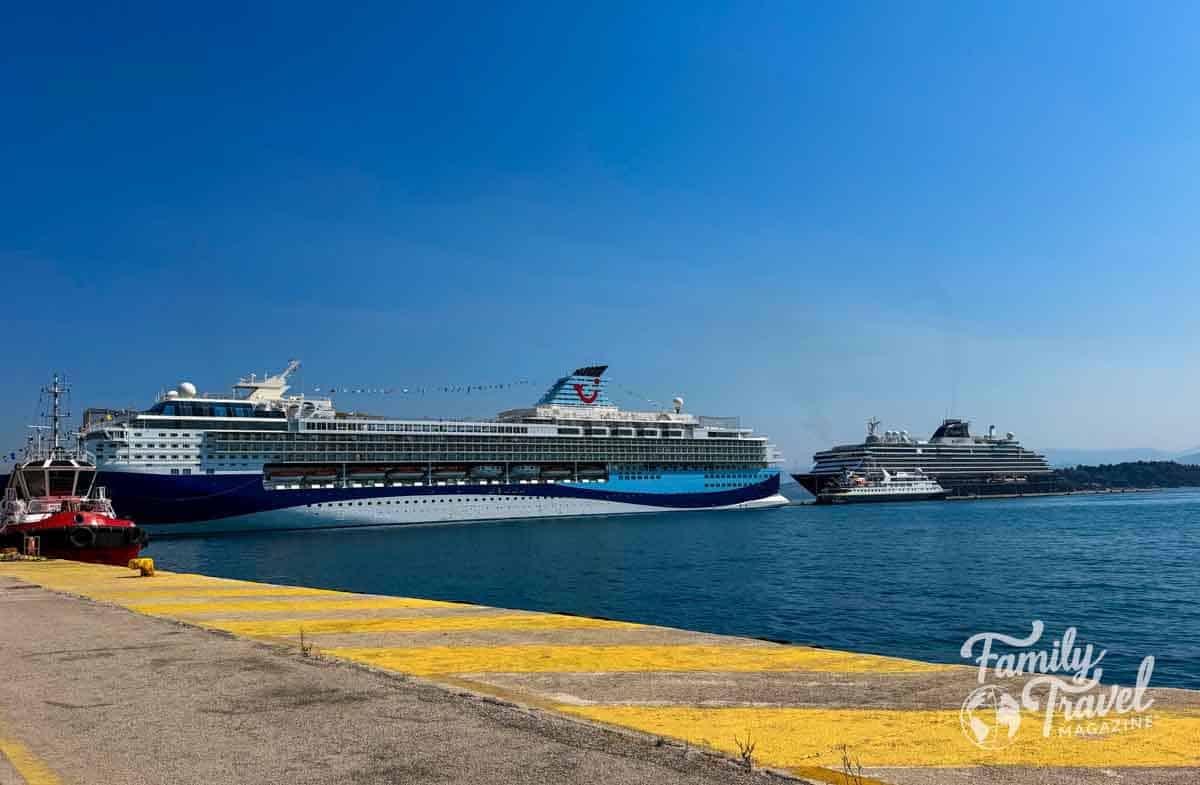
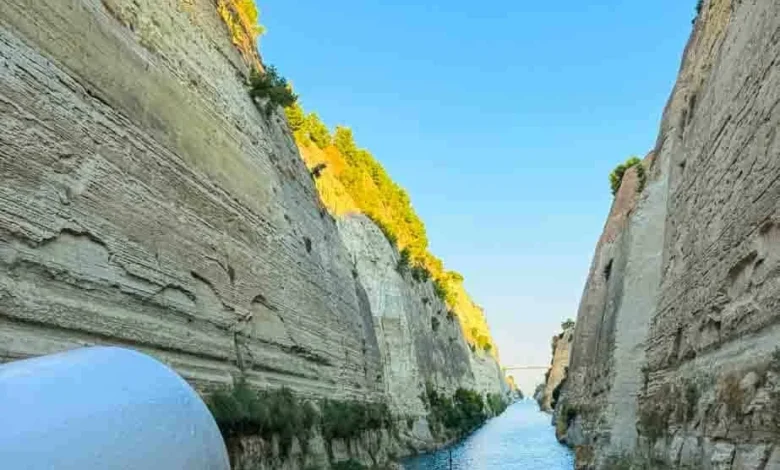
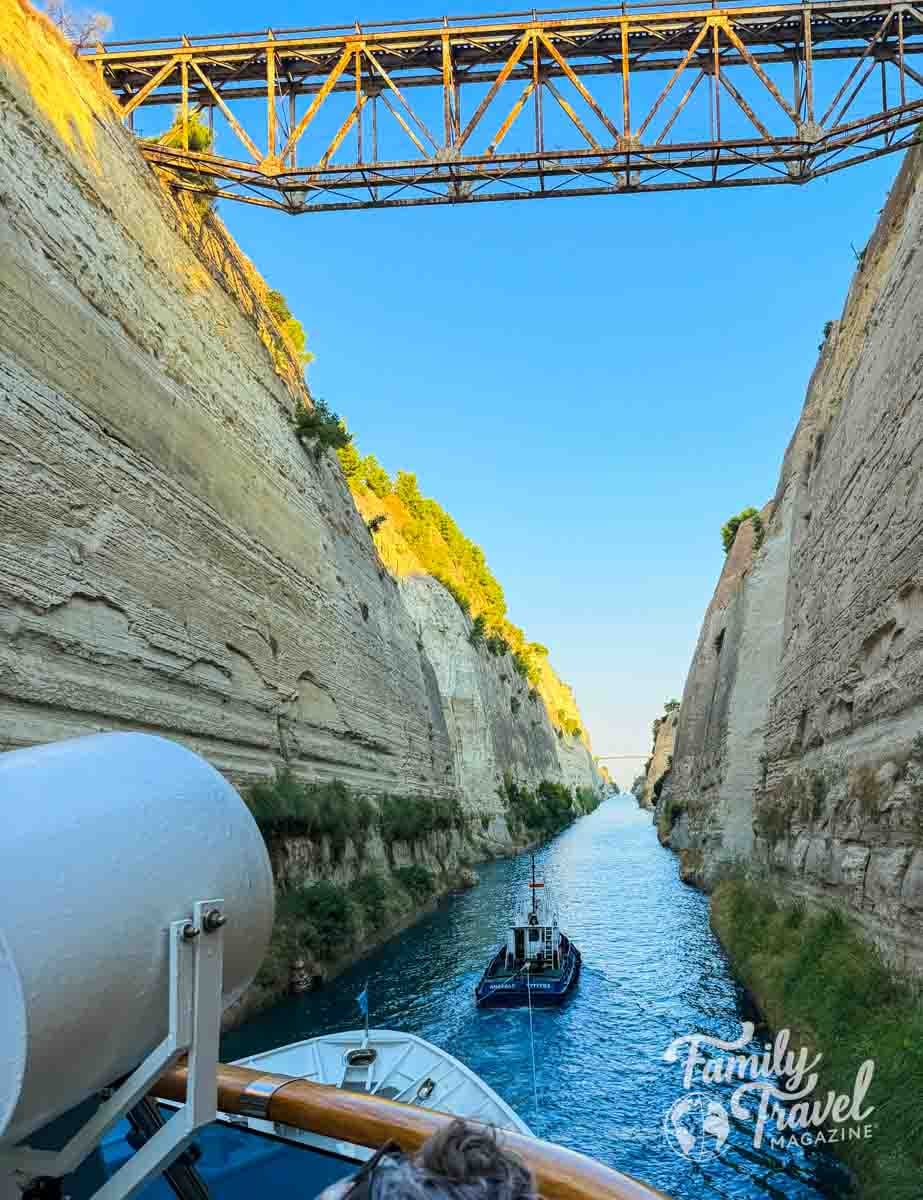
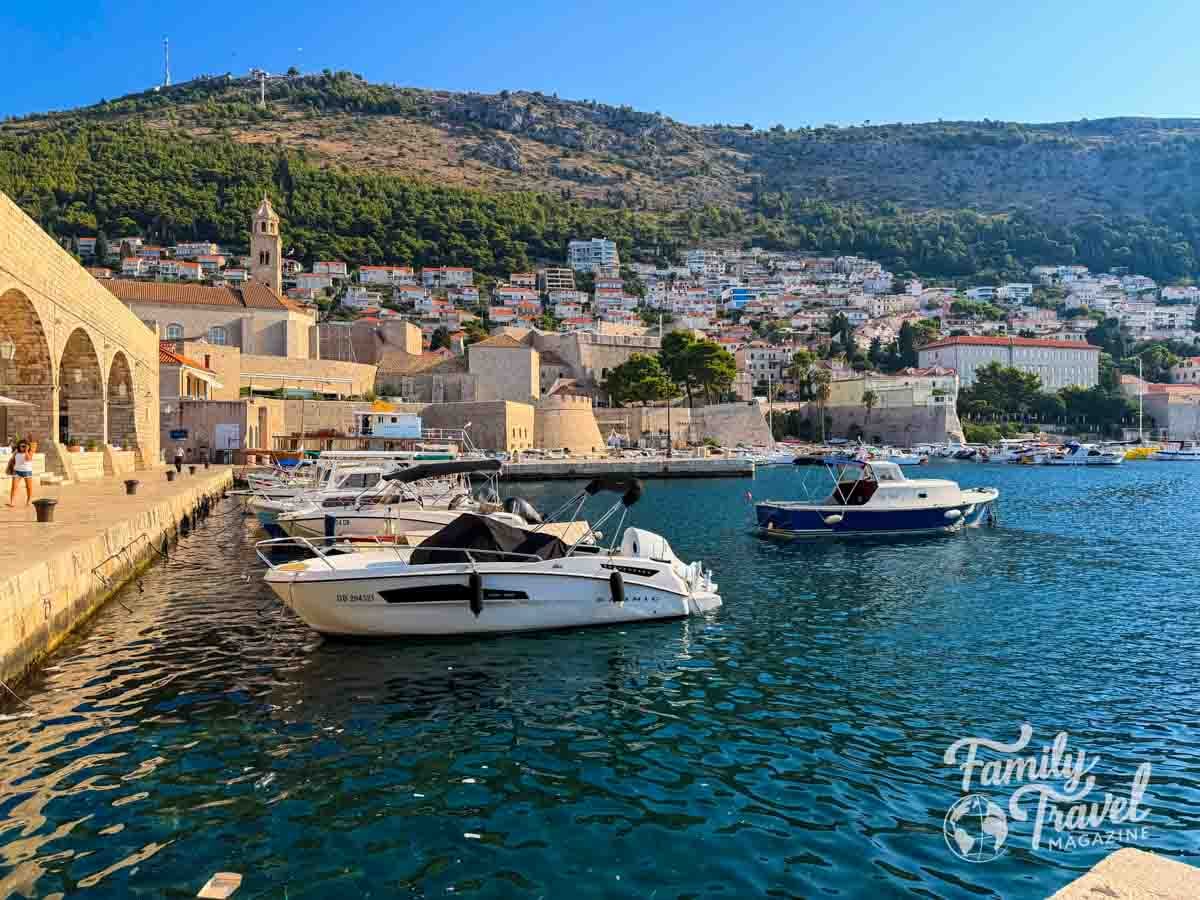
The operational philosophy of National Geographic-Lindblad voyages centers on deploying small-scale vessels capable of navigating shallow archipelagos, narrow straits, and isolated ports inaccessible to conventional cruise ships. A prime example of this operational capability is the National Geographic Orion, a vessel that frequently navigates historical waterways such as the Mediterranean, Adriatic, and Aegean seas. On a typical voyage traversing regions like Greece, Albania, and Croatia, the primary objective is destination immersion rather than shipboard entertainment.
Rather than relying on automated water parks or commercial arcades, the ship’s infrastructure is engineered to serve as a floating basecamp. Passengers are provided with direct access to marine biologists, historians, geologists, and professional National Geographic photographers. These experts do not merely lecture; they accompany travelers on daily excursions, deliver evening briefings, and mentor participants in real-time field techniques, ranging from smartphone and digital photography to marine ecology sampling.
Logistically, the ships operate on an all-inclusive pricing model that fundamentally alters the financial calculus of the trip. While the upfront booking fees represent a significant capital investment, the fare covers virtually all onboard meals, localized excursions, gratuities, specialized equipment usage, and standard alcoholic and non-alcoholic beverages. This eliminates the nickel-and-diming often associated with traditional cruise lines, though the baseline cost remains restrictive for average middle-class consumers.
Chronology of a Typical Expedition Day
A structured analysis of daily life aboard a Lindblad-National Geographic vessel reveals a fast-paced, highly organized itinerary designed to maximize field exposure. The chronological rhythm of each day is dictated by geography, weather, and educational opportunities rather than rigid commercial schedules.
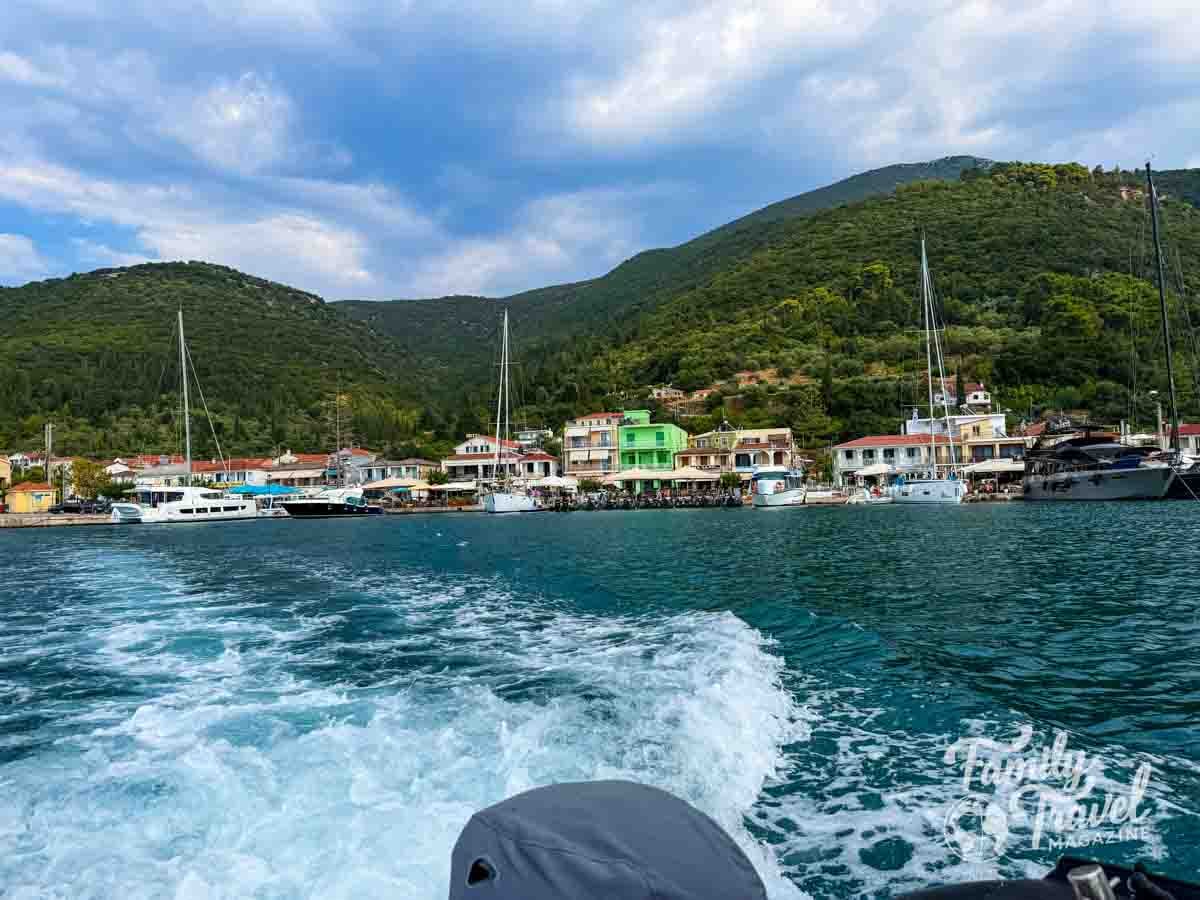
The day typically begins early with an open-seating buffet breakfast, allowing passengers to fuel up ahead of morning excursions. Following breakfast, guests assemble for departures, which are frequently coordinated through the deployment of Zodiac inflatable boats when ships drop anchor offshore rather than docking at commercial piers. This requires a baseline level of physical mobility and comfort with small-boat operations, factoring heavily into whether younger children or elderly family members can participate safely.
Excursions are categorized by physical intensity and thematic focus, with participants submitting their preferences days in advance. Once onboard, travelers receive customized daily agendas. Depending on the destination, excursions may span an entire day or last just a few hours.
Afternoon hours are often spent underway, transiting between regional ports. During these transit blocks, the expedition team hosts optional academic lectures covering marine geology, geopolitical histories, and environmental conservation. Evening routines include recap sessions detailing the following day’s itinerary, followed by a formal, a la carte dinner service in the main dining room. Open seating arrangements allow families to mix with other passengers or dine privately, accommodating diverse dietary preferences, including those of younger, selective eaters.
Supporting Data and Market Demographics
Industry data from the Cruise Lines International Association (CLIA) and luxury travel consortia indicate a persistent upward trend in multi-generational adventure travel. Families are increasingly willing to allocate discretionary income toward purposeful travel that enhances educational and cultural literacy.
Within the Lindblad-National Geographic ecosystem, demographic data demonstrates that the optimal age range for children participating in these voyages consists of older tweens, teenagers, and young adults aged sixteen to twenty-two. Younger children under the age of ten frequently struggle with the academic rigor of the lectures and the physically demanding nature of the excursions. Conversely, young adults find intellectual stimulation in the hands-on historical and geological fieldwork.
Pricing data reflects the ultra-luxury tier of the travel market. Per-diem costs often exceed several hundred to over a thousand dollars per person, positioning these trips as major financial commitments. However, Lindblad Expeditions periodically offers targeted promotions, such as their "Bringing the Kids" initiative, which provides tiered discounts for minors sharing a cabin with adults, slightly mitigating the financial barrier for families.
Official Responses and Industry Perspectives
Representatives for expedition cruise operators maintain that transparency regarding ship amenities is critical to ensuring customer satisfaction. In official statements and consumer guides, Lindblad Expeditions explicitly outlines what their vessels do not feature. By managing expectations regarding the absence of swimming pools, dedicated youth clubs, and late-night entertainment, the company aims to filter out consumers seeking conventional resort-style vacations.
Industry analysts note that this transparent positioning protects both the brand and the consumer. Educational travel operators emphasize that their target demographic values authentic engagement with local populations and pristine natural environments over manufactured onboard amusements. Leaders in the expedition sector argue that true luxury in the twenty-first century is defined by access—reaching remote UNESCO World Heritage sites, walking through uncrowded archaeological ruins, and interacting directly with leading scientists.
Broader Impact and Implications for Family Travel
The growing popularity of expedition cruising highlights a broader cultural shift in how families conceptualize leisure time. The traditional beach-resort vacation is increasingly being challenged by experiential tourism, where personal enrichment and environmental awareness take precedence over passive relaxation.
For families with the financial means to afford these journeys, the impact can be transformative. Teenagers and young adults exposed to geopolitical discussions, marine conservation projects, and cross-cultural exchanges often report heightened global awareness and clearer academic or career trajectories.
However, experts caution that expedition cruising is not a universal solution for family bonding. Families must engage in rigorous internal auditing before booking, assessing whether their children possess the patience for historical lectures, the physical stamina for rugged terrain, and the adaptability required for small-ship living. For families whose priorities align with the expedition ethos, National Geographic and Lindblad voyages offer an unparalleled educational vehicle. For those seeking traditional leisure and non-stop entertainment, alternative maritime options remain the superior choice.