Navigating the Rising Thermals: Essential Strategies for Safe Summer Hiking Amidst Record Heat

As global temperatures continue their relentless ascent, driven by a complex interplay of natural cycles and anthropogenic climate change, the simple pleasure of summer hiking is increasingly shadowed by significant health risks. What was once considered a seasonal challenge has evolved into a critical public safety concern, particularly for outdoor enthusiasts who venture into exposed or remote terrains. This year, regions from the arid Southwest to the humid East Coast and the mountainous West have already witnessed unprecedented heat waves, turning popular trails into potential hazards. The World Health Organization (WHO) starkly estimates that extreme heat is responsible for nearly half a million deaths globally each year, making it one of the deadliest natural disasters worldwide. For hikers, who often spend extended periods outside, sometimes far from immediate assistance, the danger is amplified.
The Global Heat Crisis and its Local Impact
The summer of 2026 has been marked by a series of intense heat events across the United States and beyond, serving as a potent reminder of the escalating climate crisis. In Colorado, where the middle of July typically brings warm but manageable conditions, temperatures have consistently hovered in the 90s Fahrenheit. Further south, parts of the Southwest have endured even more extreme heat, with daily highs regularly exceeding 100 degrees Fahrenheit, pushing the limits of human endurance. Concurrently, the East Coast is just emerging from a record-setting heat wave that saw urban centers and rural areas alike swelter under oppressive conditions. These regional phenomena are not isolated incidents but rather symptomatic of a broader trend: a warming planet is producing more frequent, more intense, and longer-lasting heat waves. Scientific consensus, underpinned by extensive meteorological data and climate modeling, indicates a clear trajectory towards hotter summers, making heat safety an ever more critical component of outdoor planning. The National Oceanic and Atmospheric Administration (NOAA) and the Centers for Disease Control and Prevention (CDC) have consistently issued warnings, highlighting the increasing public health threat posed by these extreme weather patterns.
Why Hikers are Uniquely Vulnerable
While excessive heat poses a risk to everyone, hikers face a unique confluence of factors that escalate their vulnerability. Between 2007 and 2023, the National Park Service reported that at least 76 individuals tragically succumbed to heat illness in U.S. national parks alone, a stark testament to the perils. The physical exertion of hiking elevates the body’s core temperature, demanding more efficient cooling mechanisms. However, the outdoor environment often hinders these processes. Direct sun exposure, particularly in open areas or at high altitudes, can significantly increase perceived temperatures due to radiant heat, making conditions feel 10 to 20 degrees hotter than the ambient air temperature. Limited access to shade, water sources, and emergency services further compounds the risk. Moreover, the very act of seeking solitude or challenging oneself in remote wilderness areas means that distress signals may go unnoticed, and rescue efforts can be delayed, turning a medical emergency into a life-threatening crisis. The combination of physical strain, environmental exposure, and potential isolation places hikers in a particularly precarious position during periods of extreme heat.
The Science of Heat Illness: Understanding the Threat
To effectively mitigate the risks, hikers must first understand the physiological impact of heat stress. The human body maintains a delicate internal temperature balance, typically around 98.6°F (37°C), through a process called thermoregulation. When exposed to heat, the body primarily cools itself through sweating and vasodilation (widening of blood vessels near the skin’s surface). However, these mechanisms can be overwhelmed by high temperatures, humidity, and physical exertion, leading to a spectrum of heat-related illnesses.
The initial stage is often heat cramps, characterized by painful muscle spasms, usually in the legs, arms, or abdomen, caused by electrolyte imbalance due to excessive sweating. If ignored, this can progress to heat exhaustion, a more serious condition marked by heavy sweating, weakness, dizziness, nausea, headache, and a rapid, weak pulse. The skin may be cool and clammy, but body temperature can still be elevated. While heat exhaustion is serious and requires immediate intervention (moving to a cool place, rehydrating), it is not life-threatening if treated promptly.
The most severe and life-threatening condition is heatstroke. This occurs when the body’s core temperature rises rapidly, often above 104°F (40°C), and its cooling system fails entirely. Symptoms include a high body temperature, hot and dry or profusely sweating skin, confusion, altered mental status, slurred speech, seizures, and loss of consciousness. Heatstroke is a medical emergency requiring immediate professional intervention, as it can cause permanent organ damage or death.
Beyond these well-known conditions, hikers face a specific risk: hyponatremia. Contrary to popular belief, drinking excessive amounts of plain water without adequate electrolyte replacement can be dangerous. Hyponatremia occurs when sodium levels in the blood become dangerously low, often because a person has overhydrated with water, diluting their body’s essential sodium. Symptoms can mimic heat exhaustion – nausea, headache, confusion – but can quickly escalate to seizures, coma, and even death. This highlights the critical balance required: sufficient hydration with adequate electrolyte intake. Understanding these distinct threats is the first step toward safeguarding one’s health on the trail.
Expert-Approved Strategies for Heat Safety: A Comprehensive Guide
While the dangers are real, giving up summer hiking entirely is not the only option. With proper preparation, knowledge, and adherence to safety protocols, outdoor enthusiasts can still enjoy the trails. The following five expert-approved tips, endorsed by outdoor safety organizations and medical professionals, provide a robust framework for navigating the heat safely.
1. Prioritize Proactive Hydration and Electrolyte Balance
The most fundamental rule for hiking in hot weather is proactive and intelligent hydration. While the general guideline suggests consuming approximately one liter of water per hour in hot temperatures, this can vary significantly based on individual physiology, exertion level, and environmental conditions (humidity, sun exposure). It is crucial to drink before thirst sets in, as thirst is already an indicator of mild dehydration. Aim for consistent sips throughout your hike rather than infrequent large gulps.
However, water alone is often insufficient. As discussed, excessive sweating depletes essential electrolytes – particularly sodium, potassium, and magnesium – which are vital for nerve function, muscle contraction, and maintaining fluid balance. Failing to replenish these can lead to heat cramps and, more dangerously, hyponatremia. To prevent this life-threatening condition, hikers must actively consume electrolytes. This can be achieved through various methods:
- Salty Snacks: Pretzels, nuts, jerky, and energy bars with sodium content are excellent choices.
- Electrolyte Drink Mixes: Numerous commercial products are available in powder or tablet form that can be added to water.
- Sports Drinks: While often high in sugar, they can provide necessary electrolytes in moderation.
- DIY Solutions: A pinch of salt added to water, or consuming foods rich in potassium (like bananas) and magnesium (like leafy greens, nuts) before and during the hike.
A practical indicator of adequate hydration is urine color; it should be light yellow or clear. If your water supply is dwindling, or if you realize you haven’t been adequately hydrating and replenishing electrolytes, it is a clear signal to turn around and return to safety. Carrying more water than you think you’ll need is always advisable, and for longer excursions, understanding water sources along your route and carrying purification tablets or a filter can be a lifesaver.
2. Master Route Selection and Strategic Rest
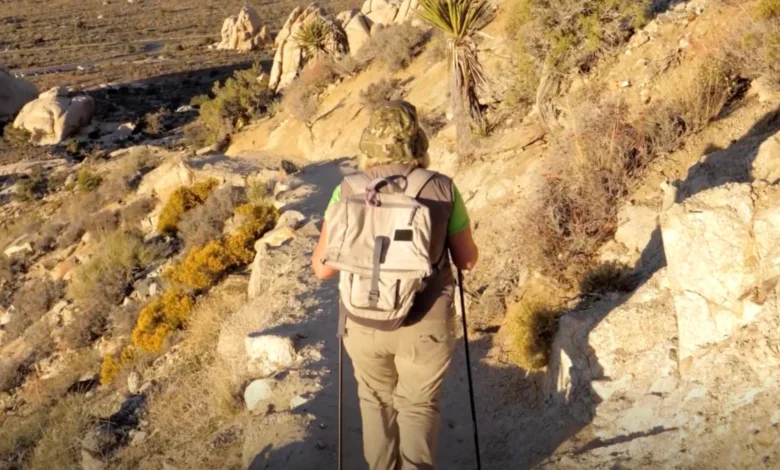
The adage "know your route" takes on heightened importance in hot conditions. The topography and environmental features of your chosen trail can dramatically influence the actual temperatures you experience. In desert environments, for instance, sunny, exposed sections can feel significantly hotter than shaded areas due to radiant heat reflecting off rocks and sand.
When planning a summer hike, actively seek out routes that offer natural shade. Deep canyons, dense forest canopies, or trails along north-facing slopes can provide crucial respite from direct sunlight. Utilize topographical maps and satellite imagery (e.g., Google Earth) during your planning phase to identify these shaded havens.
Equally important is the strategic placement of rest breaks. In hot weather, you will need to take more frequent and longer breaks than you typically would. Mark potential rest spots on your map – areas with reliable shade, near water sources (if applicable), or at scenic overlooks where you can truly pause and recover. During these breaks, elevate your feet, loosen your clothing, and actively rehydrate and consume electrolytes. A wide-brimmed hat and quality sunglasses are indispensable for protecting your head and eyes from the sun’s relentless rays, while applying broad-spectrum sunscreen with an SPF of 30 or higher is crucial for preventing sunburn, which can further impede the body’s ability to cool itself.
3. Acclimatization: Training Your Body for the Heat
A common misconception among hikers is that being in excellent physical shape automatically confers immunity to heat illness. While a high level of fitness is beneficial, it does not substitute for heat acclimatization. The body’s ability to efficiently cool itself is a specific adaptation. When exposed to heat gradually, your body undergoes several physiological changes:
- Increased Sweat Production: You start sweating earlier and more profusely, which is the body’s primary cooling mechanism.
- Lower Electrolyte Concentration in Sweat: Your sweat becomes more dilute, meaning you lose fewer essential salts with each drop, helping maintain electrolyte balance.
- Improved Cardiovascular Efficiency: Your heart becomes more efficient at pumping blood to the skin for cooling, reducing strain.
- Reduced Core Body Temperature: You can perform physical activity at a lower core temperature.
To achieve effective acclimatization, medical experts recommend a gradual training period of about two weeks before your strenuous hot-weather trip. Start with moderate hikes in somewhat warm temperatures (e.g., mid-70s to low 80s Fahrenheit). As your body adapts, progressively increase the duration and intensity of your activity, and expose yourself to higher temperatures. This might involve a strenuous hike or even a run in 90-degree weather for shorter durations. The effects of acclimatization typically last for one to two weeks after you stop regular heat exposure, so timing your training is key. This deliberate preparation is a critical investment in your safety, allowing your body to function more effectively and safely under thermal stress.
4. Rethinking Apparel: The Strategic Use of Cotton and Other Fabrics
In outdoor circles, the mantra "cotton kills" is deeply ingrained, and for good reason: in cold or wet conditions, cotton’s inability to wick moisture and its slow drying time can lead to dangerous hypothermia. However, in specific hot, dry environments, this very property can be a life-saving advantage.
On the hottest, driest days, cotton’s capacity to absorb and hold water allows for superior evaporative cooling. When a cotton shirt becomes saturated with water or sweat, the evaporation of that moisture from the fabric draws heat away from your body, effectively mimicking a personal misting fan. This effect is particularly potent in low-humidity environments where evaporation is rapid. Consider pre-soaking your cotton shirt before a hike, or carrying an extra liter of water specifically for pouring over your head and shirt. You can also soak your shirt in a cool creek or river if available.
While cotton excels in evaporative cooling, it’s important to understand its limitations. In high-humidity environments, evaporation is less efficient, and a wet cotton shirt can feel heavy and uncomfortable without providing much cooling benefit. For such conditions, or for trips where quick-drying is paramount (e.g., multi-day treks where you need clothing to dry overnight), lightweight synthetic fabrics that actively wick sweat away from the skin might be more appropriate. Always opt for light-colored, loose-fitting clothing made from breathable fabrics, as these reflect sunlight and allow for better air circulation. Crucially, even in the hottest deserts, temperatures can plummet dramatically at night. If your hike might extend past sunset, always pack a dry, warmer layer, regardless of your daytime apparel choice.
5. Optimize Your Schedule: Timing is Everything
The time of day you choose to hike can be as critical as your hydration strategy. While the middle of the day might be ideal for hiking during the cooler "shoulder seasons," it is unequivocally the worst time to be on the trail during summer’s peak heat. Observing desert animals offers a valuable lesson: most are crepuscular or nocturnal, active during the cooler hours of dawn, dusk, or night.
Adopt a similar strategy for your hikes. Plan to start your adventures extremely early, ideally before sunrise, and aim to be finished by around 10:00 a.m. This allows you to complete the most strenuous parts of your journey before the sun reaches its zenith and temperatures begin to soar.
For longer day hikes or multi-day expeditions, consider scheduling a prolonged siesta during the hottest hours of the day, typically between 10:00 a.m. and 4:00 p.m. This is an opportune time to find a shaded spot, enjoy a leisurely lunch, take a nap, read, or organize your gear. Resuming your hike in the late afternoon or early evening, as temperatures begin to drop, can make the experience far more enjoyable and significantly safer.
Night hiking is also an excellent option for escaping the heat, but it introduces its own set of challenges. A reliable, high-lumen headlamp with excellent battery life is indispensable, along with backup batteries. Navigation becomes more challenging in the dark, so a thorough understanding of your route, potentially aided by GPS devices, is crucial. Be mindful of wildlife that may be more active at night. Planning for shorter distances than you might cover in cooler conditions is also a prudent approach.
Broader Implications and Future Preparedness
The increasing frequency and intensity of heat waves represent a profound shift in the landscape of outdoor recreation, demanding not only individual adaptation but also systemic changes. Park services and land management agencies are grappling with the need to update safety protocols, enhance public information campaigns, and potentially even implement seasonal trail closures during extreme heat events. The financial and human resource implications for search and rescue operations also escalate with increased heat-related incidents.
For the outdoor industry, there’s a growing impetus to innovate in gear and apparel designed for extreme heat, moving beyond traditional cold-weather survival gear. Education, however, remains the cornerstone of preparedness. Organizations like the National Park Service, the CDC, and local outdoor clubs are continually refining their messaging, emphasizing the gravity of heat risks and providing actionable advice.
Ultimately, navigating the rising thermals safely requires a combination of personal responsibility, meticulous planning, and a deep respect for the power of nature. As Adam Roy, Editor-in-Chief of Backpacker magazine, aptly summarized, "When it comes to outdoor safety, there’s always more we could learn, but these tips are a great place to start." The era of casually underestimating summer heat is over; the future of outdoor adventure hinges on informed choices and proactive safety measures. By integrating these expert-approved strategies into every summer hiking plan, enthusiasts can continue to explore the natural world, even as the climate around them continues to warm.