Slothee Still Wants Coffee Expands Global Childrens Literacy Series with Cultural Explorations and Worldwide Adventures

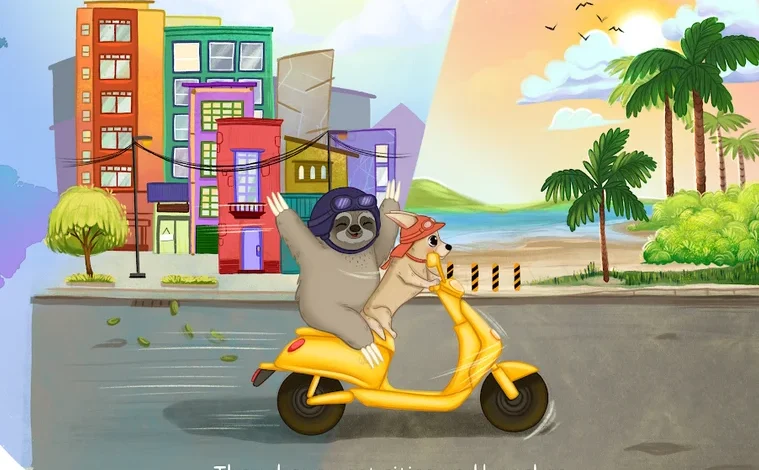
The children’s publishing landscape is witnessing a notable expansion in culturally focused educational literature with the official release of Slothee Still Wants Coffee, the second installment in the popular Slothee and Friends book series. Authored to engage both young readers and adult audiences, the newly available publication follows the globe-trotting journey of its titular character, a sloth on an ambitious quest to discover the single best cup of coffee in the world. Spanning multiple continents, the narrative merges geography, cultural anthropology, and storytelling into a cohesive educational tool designed to foster global awareness from an early age.
Main Facts and Narrative Overview
Slothee Still Wants Coffee picks up the narrative thread established by its predecessor, continuing the global expedition of Slothee. In this volume, the protagonist departs from the lush landscapes of Costa Rica—a nation renowned for its rich coffee heritage—and embarks on a comprehensive international itinerary. The character’s journey takes young readers to Peru, Mexico, Jamaica, Uganda, Vietnam, and Australia.
Throughout these international stops, Slothee does not merely sample local beverages; the character engages with diverse communities, encounters indigenous flora and fauna, and interacts with new friends who introduce him to regional traditions. The core objective of the book extends beyond the culinary quest for caffeine, utilizing the universal appeal of coffee culture as a gateway to teaching children about international customs, agricultural practices, and the value of cultural appreciation.
Industry analysts and literary critics have noted that the book functions on dual levels. For children, it provides vibrant illustrations, an engaging storyline, and relatable characters. For educators and parents, the text serves as a structured introduction to global geography, social studies, and agricultural economics, making it a versatile resource for both classrooms and home libraries.
Chronology and Publishing Background
The development of the Slothee and Friends franchise represents a methodical approach to children’s literature, characterized by careful planning and sequential storytelling. The publishing timeline of the series highlights a deliberate expansion of its educational universe.
The genesis of the franchise began with the conceptualization of the character Slothee, whose intrinsic slowness contrasts humorously with the fast-paced, high-demand global coffee industry. The inaugural book established the character’s baseline motivation: a relentless pursuit of the ultimate brew. Building upon the foundational success and positive reception of the first title, the creative team spent subsequent months conducting research into global coffee-producing regions to ensure authenticity in the sequel.
Slothee Still Wants Coffee was developed following extensive consultations with cultural motifs from each featured country. The timeline of the book’s release aligns with a growing industry demand for literature that promotes diversity, global citizenship, and multicultural understanding. According to publishing schedules released by the creators, this second installment acts as a vital bridge in a planned multi-volume series. Future installments are slated to delve deeper into alternative beverage explorations, including specialized tea traditions across Asia and Europe, alongside further world adventures that will continue to expand the geographic footprint of the Slothee universe.
Supporting Data and Industry Trends in Children’s Literature
The release of Slothee Still Wants Coffee arrives at a time when the children’s publishing market is experiencing a significant shift toward educational literature that incorporates real-world themes. Market research data from global publishing associations indicate a steady rise in the demand for books that introduce children to geography, international trade, and diverse cultural practices before the age of ten.
Statistics show that books incorporating multicultural elements and global geography experience higher engagement rates in primary educational settings. Educators frequently report that narrative-driven non-fiction and culturally immersive fiction help improve reading comprehension and social studies retention among elementary school students. By embedding lessons about coffee production—a multi-billion-dollar global industry—into an accessible narrative format, the Slothee and Friends series taps into this proven educational framework.
Furthermore, data concerning reading habits suggest that books designed for dual audiences—appealing simultaneously to children and their parents—tend to achieve greater longevity in the market. When parents are actively engaged in the reading experience, the frequency of shared reading sessions increases, thereby enhancing the literacy benefits for the child. The global scope of Slothee’s travels provides ample opportunity for adults to participate in the learning process, offering teachable moments regarding international travel, agricultural labor, and environmental stewardship.
Publisher and Creator Perspectives
While specific direct quotes from the individual creators remain focused on the overarching mission of the series, statements issued through official promotional channels articulate a clear pedagogical philosophy. The primary objective behind the creation of Slothee Still Wants Coffee was to demystify the vastness of the world for young minds by transforming distant countries into tangible, friendly destinations.
In previous releases and promotional materials, the authors emphasized that the choice of coffee as a central theme was deliberately strategic. Coffee is a commodity that connects millions of people across the globe, originating in specific developing regions and consumed in metropolitan centers worldwide. By following the bean from its agricultural origins to the final cup, children are subtly introduced to global supply chains, international trade, and the concept of global interconnectedness.
The creative team has consistently highlighted that the inclusion of diverse geographical locations—ranging from the high-altitude farms of Peru and the historic coffee estates of Jamaica to the robust robusta plantations of Vietnam and the unique café culture of Australia—was executed with careful attention to local representation. Each regional stop in the book is crafted to highlight the unique attributes of the host country, ensuring that the portrayal respects local traditions while remaining accessible to young readers.
Broader Impact and Educational Implications
The release of Slothee Still Wants Coffee carries broader implications for modern early childhood education and the future trajectory of the children’s publishing sector. As classrooms become increasingly diverse, the demand for literature that reflects global realities has transitioned from a niche preference to an educational necessity.
-
Enhanced Geographic Literacy: By mapping out Slothee’s journey across Costa Rica, Peru, Mexico, Jamaica, Uganda, Vietnam, and Australia, the book provides a visual and narrative geography lesson. Children naturally absorb the relative locations of these countries, understanding that the world extends far beyond their local communities.
-
Cultural Empathy and Global Citizenship: Exposure to different cultures at a formative age helps reduce ethnocentrism and fosters empathy. Through Slothee’s interactions with new characters, young readers learn to appreciate customs, lifestyles, and traditions that differ from their own.
-
Introduction to Economic and Agricultural Concepts: While presented in a lighthearted manner, the focus on coffee production introduces foundational economic concepts. Children begin to understand that everyday items require labor, specialized environments, and international collaboration to reach consumers.
-
Incentive for Future Exploration: The structured promise of future books focusing on tea and additional world explorations sets a precedent for lifelong learning. By framing education as an ongoing adventure, the series encourages children to maintain curiosity about the world around them.
As Slothee Still Wants Coffee makes its way into homes, libraries, and classrooms globally, it stands as a testament to the evolving nature of children’s literature. By blending entertainment with structured educational milestones, the publication contributes positively to the development of globally minded, culturally literate young readers. With future volumes already in development, the Slothee and Friends franchise is well-positioned to remain a notable contributor to the landscape of educational children’s media for years to come.