Inside Arizona’s First Next-Generation Dunkin Store: A Blueprint for the Future of Quick-Service Coffee

The quick-service restaurant industry has undergone a significant structural evolution over the past decade, driven by shifting consumer expectations, advancements in digital infrastructure, and a growing demand for experiential retail spaces. Among the legacy brands adapting to this modern landscape is Dunkin’—formerly known as Dunkin’ Donuts—which officially introduced its innovative "Next Generation" store concept to the state of Arizona. Located in Chandler, this flagship establishment serves as a physical manifestation of the brand’s broader corporate rebranding and modernization strategy, blending high-speed efficiency with the contemporary aesthetic of an urban artisan coffee shop.
The Evolution of a Legacy Brand: Corporate Context and Rebranding
The rollout of the Next Generation concept is part of a multi-million-dollar modernization initiative first announced by Dunkin’ leadership in 2018. The decision to drop "Donuts" from the official storefront signage was not merely cosmetic; it signaled a strategic pivot to position the company as a beverage-led, on-the-go powerhouse. While baked goods remain a foundational element of the menu, coffee, espresso, and specialty drinks command the primary focus of the new architectural and operational layout.
The Chandler location, situated at 4225 S. Gilbert Road between Chandler Heights and Ocotillo roads, represents the vanguard of this transition in the Southwest. By introducing a sleek, industrial-chic interior characterized by clean lines, warm woods, and bright, energy-efficient lighting, the franchise aims to capture a demographic of consumers who traditionally patronize independent, downtown specialty cafes.

Architectural and Technological Innovations
The redesign of the Next Generation stores encompasses several distinct technological and operational upgrades designed to optimize throughput and elevate the customer experience.
Beverages on Tap and Nitro Infusion
One of the most prominent operational shifts is the integration of an innovative tap system. Drawing inspiration from the craft beer industry, the Chandler location features a dedicated beverage bar where cold brews, iced teas, and infused drinks are dispensed directly from taps. This system increases service speed during peak morning rushes while ensuring a consistent pour.

A central feature of this beverage program is the introduction of nitro-infused cold brew. Utilizing pressurized nitrogen gas, the beverage develops a velvety, micro-foamed texture and a naturally sweet flavor profile that eliminates the traditional bitterness associated with iced coffee. Industry analysts note that nitro-infused offerings have become a critical differentiator in the competitive quick-service coffee sector, attracting discerning coffee enthusiasts willing to pay a premium for craft-style preparation.
Streamlined Visual Merchandising
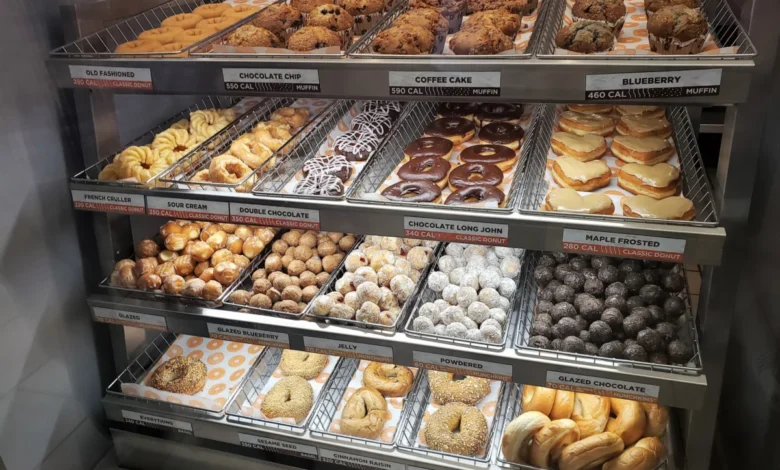
In traditional quick-service layouts, bakery displays were frequently positioned behind the service counter, creating friction during ordering as customers attempted to identify specific items from a distance. The Next Generation concept relocates and modernizes the donut display, placing a transparent, accessible case near the front of the customer journey. This layout empowers patrons—particularly parents and families—to make selections rapidly, thereby reducing transaction times at the register.

Infrastructure for the Remote Workforce
Recognizing the blurring lines between traditional workspaces and retail hospitality, Dunkin’ has integrated robust infrastructure for remote professionals and students. Unlike legacy locations where electrical outlets were scarce or restricted, the Chandler store features integrated AC power outlets and USB charging ports embedded directly into virtually every table. Combined with high-speed commercial Wi-Fi, these amenities transform the quick-service restaurant into a functional workspace, encouraging longer dwell times and fostering community engagement.
Chronology of the Next Generation Rollout
The deployment of the Chandler flagship follows a carefully planned national rollout strategy by parent company Inspire Brands (formerly Dunkin’ Brands Group):

- August 2018: Dunkin’ officially unveils its Next Generation concept store design, announcing plans to remodel hundreds of locations nationwide with an investment exceeding $100 million in store development.
- January 2019: Corporate leadership confirms the operational testing of beverage tap systems and specialized nitro-infusion hardware across select high-volume test markets.
- February 2019: The Chandler, Arizona location opens its doors, marking the official introduction of the Next Generation format to the state. The launch is accompanied by localized media previews and community engagement initiatives.
- 2019–Present: The design elements piloted in Chandler—including mobile-order pickup zones, front-facing bakery displays, and enhanced digital menu boards—become the global standard for new and remodeled franchise units.
Economic and Industry Implications
The opening of Arizona’s first Next Generation Dunkin’ highlights broader economic trends within the fast-casual and quick-service restaurant (QSR) sectors. As labor costs rise and consumer expectations for speed and convenience intensify, brands are increasingly forced to invest in capital expenditures that improve operational efficiency without sacrificing brand identity.
According to retail real estate analysts, incorporating amenities such as dedicated mobile pickup lanes, integrated device charging, and aesthetically pleasing interior architecture directly impacts customer retention and average ticket size. By appealing to remote workers and digital-first consumers who utilize mobile ordering applications, Dunkin’ positions itself to compete more effectively against both established coffee giants like Starbucks and independent specialty operators.

Furthermore, the physical separation of drive-thru traffic from in-store and digital pickup operations addresses longstanding congestion issues common in suburban QSR locations. The Chandler prototype incorporates an optimized drive-thru channel designed to expedite vehicular traffic, running parallel to the pedestrian-focused interior design.
Community Reception and Operational Dynamics
Initial public reception of the Chandler location has been largely positive, with local patrons and food bloggers highlighting the welcoming ambiance and the high quality of the beverage menu. Store management has noted an increase in foot traffic from local professionals utilizing the seating areas for informal meetings and remote work sessions.

Behind the scenes, the transition to a modernized layout requires specialized staff training. Baristas operating the tap systems and managing the high-volume espresso equipment undergo rigorous onboarding to maintain service speed during peak hours. Industry observers point out that empowering frontline staff with advanced equipment not only improves product consistency but also enhances employee morale through a more engaging and modern work environment.
Conclusion
The inauguration of the Next Generation Dunkin’ in Chandler, Arizona, transcends the opening of a single retail storefront; it illustrates the ongoing reinvention of a legacy brand determined to remain relevant in a rapidly transforming consumer market. By marrying high-efficiency beverage technology with the welcoming infrastructure of a modern neighborhood cafe, the franchise has established a compelling template for the future of suburban quick-service dining. As consumer habits continue to evolve toward convenience, digital integration, and experiential spaces, innovations of this scale will likely define the benchmark for success across the broader hospitality industry.
Related posts: