Your Ultimate Madrid Itinerary: A Comprehensive Guide to the Cultural and Gastronomic Heart of Spain

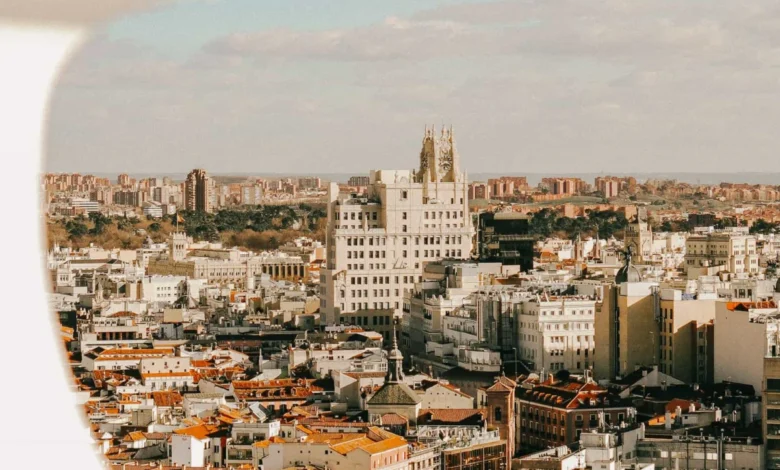
Madrid serves as the administrative, financial, and cultural epicenter of Spain, functioning as a primary destination for international tourism. With a population exceeding 3.3 million in the municipality and over 6.7 million in the metropolitan area, the capital offers a dense concentration of historical landmarks, world-class art institutions, and a sophisticated culinary ecosystem. For travelers, navigating the city requires a structured approach to balance its expansive offerings, which span from the 17th-century Habsburg architecture to the contemporary urban landscape.

Historical Context and Urban Development
The significance of Madrid as a tourism hub is rooted in its evolution from a medieval Moorish fortress to the seat of the Spanish Empire under King Philip II in 1561. This transition established the city as a center of power, reflected in the "Landscape of Light," a UNESCO World Heritage site that encompasses the Paseo del Prado and the Buen Retiro Park. This urban layout represents a unique model of city planning, blending cultural institutions with expansive green spaces designed for public enlightenment and leisure.

A Structured Chronology for Exploration
To optimize a five-day visit, observers and travel analysts recommend a thematic approach to the city’s districts.

Day One: Institutional Art and Historical Foundations
The primary focus of the first day is the Golden Triangle of Art. The Museo Nacional del Prado, inaugurated in 1819, remains the cornerstone of this circuit. Housing over 7,000 paintings, it provides a definitive record of European art history. Experts suggest focusing on the Spanish masters, specifically Diego Velázquez’s "Las Meninas" (1656), which serves as a critical study in perspective and royal court dynamics. Following this, the Museo Reina Sofía provides a contrast, focusing on 20th-century art, most notably Pablo Picasso’s "Guernica." This mural, a response to the 1937 bombing during the Spanish Civil War, remains a global symbol of anti-war sentiment.

Day Two: Culinary Infrastructure and Local Markets
The gastronomy of Madrid is a vital component of its economic activity. The Mercado de San Miguel, a historic structure dating back to 1916, serves as a high-traffic showcase for regional culinary excellence. Data suggests that such markets act as primary touchpoints for tourists, facilitating the distribution of artisanal products. Beyond the central markets, the Chamberí district and the neighborhood of La Latina offer insights into the local social fabric. The historical development of La Latina, centered on ancient streets from the Middle Ages, provides a backdrop for the "tapeo" culture—a social tradition that has significant implications for local hospitality businesses.

Day Three: Royal Heritage and Public Spaces
The Royal Palace of Madrid, the official residence of the Spanish monarch for state ceremonies, stands as the largest royal palace in Western Europe by floor area, covering 135,000 square meters. Its proximity to the Almudena Cathedral creates a cohesive historical precinct. The cathedral, consecrated by Pope John Paul II in 1993, represents the intersection of centuries-old religious tradition and modern architectural completion. Simultaneously, the Buen Retiro Park, which served as a private royal retreat until the late 19th century, illustrates the evolution of public land use in urban centers.

Day Four: Religious Architecture and Cultural Integration
The Monastery of Las Descalzas Reales and the Royal Monastery of La Encarnación offer a deeper look into the influence of the Hapsburg dynasty on the city’s spiritual and aesthetic life. These sites function as living museums, housing significant collections of religious art. The inclusion of the Temple of Debod—an ancient Egyptian structure gifted to Spain in 1968 as a token of gratitude for the assistance provided in saving the Abu Simbel temples—highlights Madrid’s role as a repository for global heritage.

Day Five: Urban Expansion and Contemporary Retail
The final phase of a stay typically shifts toward modern urban developments, such as the Casa de Campo. As one of the largest urban parks in Europe—spanning over 1,700 hectares—it provides a vital "green lung" for the metropolitan area. The subsequent exploration of neighborhoods like Las Salesas demonstrates the city’s shift toward specialized, high-end retail, reflecting broader trends in European urban commerce where boutique, independent sellers replace large-scale chain stores.

Economic and Cultural Implications
The tourism sector is a cornerstone of Madrid’s economy, accounting for a significant percentage of the regional GDP. According to recent reports from the Madrid City Council’s tourism board, the city has successfully transitioned from a transit hub to a primary destination. The strategic promotion of the "Landscape of Light" has not only boosted tourist numbers but also encouraged the preservation of architectural heritage.

However, this growth presents challenges in urban management. The concentration of visitors in central districts like Centro and Retiro has necessitated stricter regulations on short-term rentals and pedestrianization efforts to maintain the quality of life for residents. The integration of local markets and neighborhood-focused tourism, as outlined in this itinerary, is often cited by urban planners as a sustainable way to distribute economic benefits more evenly across the city.

Professional Guidance for Visitors
Travel industry professionals emphasize that successful navigation of the capital relies on pre-emptive planning. Due to the high volume of visitors, especially during peak seasons, securing entry for major institutions such as the Royal Palace and the Prado Museum is essential. Furthermore, the use of official municipal channels—such as the Madrid Destination website and the city’s official social media platforms—provides the most accurate, real-time information regarding seasonal events, exhibitions, and public transport adjustments.

The "siesta" culture, while often simplified in international media, remains a functional reality in the daily schedule of the city. Understanding the traditional rhythm of business hours—which often see shops and smaller eateries close in the mid-afternoon—allows for a more authentic experience and prevents logistical difficulties.

Conclusion
Madrid’s enduring appeal lies in its ability to reconcile its identity as a historic imperial capital with its function as a modern, progressive European metropolis. Whether through the preservation of its extensive art collections, the support of its traditional markets, or the management of its massive green spaces, the city demonstrates a commitment to maintaining its cultural significance while accommodating the demands of a globalized tourism economy. For the visitor, the key to experiencing Madrid lies in recognizing these layers—from the 17th-century subterranean wine cellars to the 21st-century culinary innovations—that collectively define the character of the Spanish capital.