The Slow Erasure of Split’s Midnight Bites: How Neighborhood Street Food is Yielding to Modern Convenience

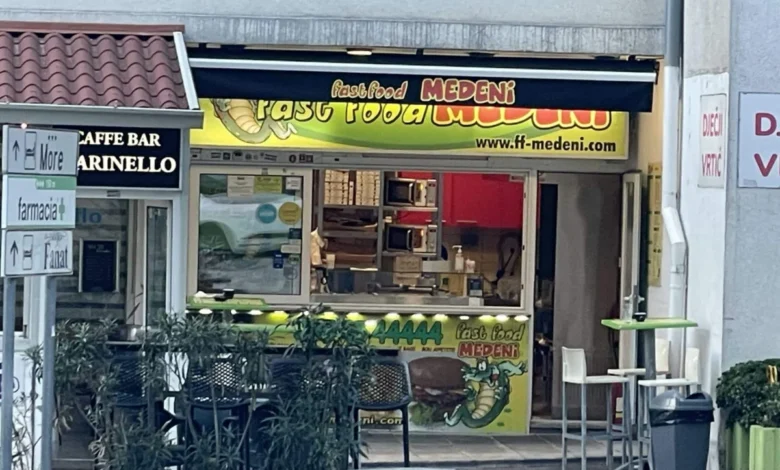
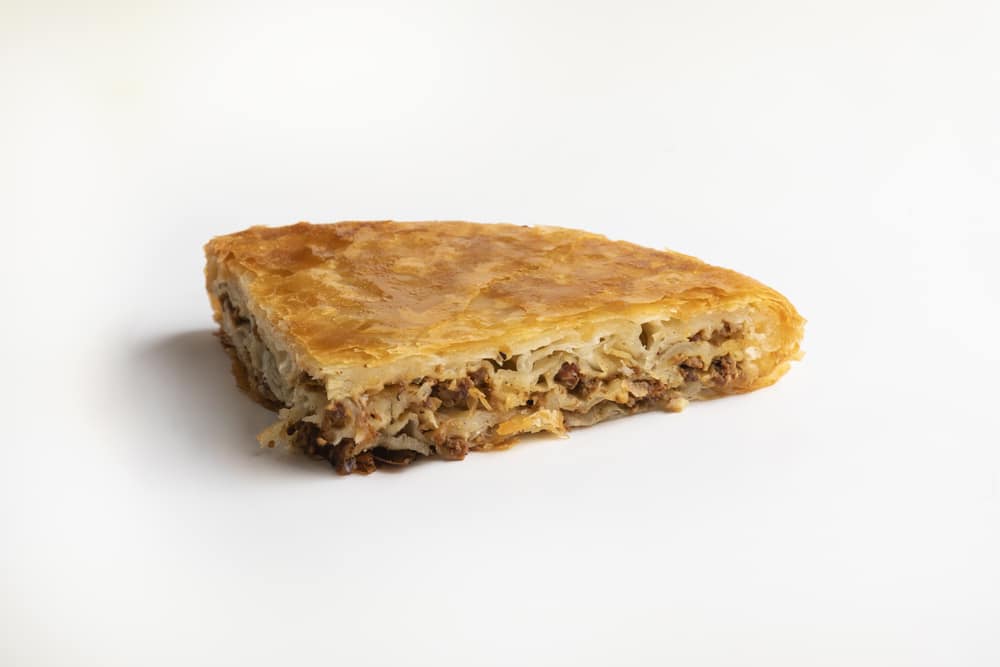
The culinary identity of Split, Croatia, is frequently defined by upscale dining experiences tucked within the ancient Roman stone of Diocletian’s Palace, seafood taverns in the historic Varoš district, and sun-drenched meals along the Riva promenade. Yet, far from the tourist-heavy epicenters, a distinct, unpretentious culinary subculture thrives in residential neighborhoods and along unglamorous concrete stretches. This is the domain of the local pekara (bakery), the compact 3-by-2-meter walk-up fast-food window, and the legendary night-shift grills that have sustained generations of residents through late-night shifts, football matches, beach excursions, and 3:00 AM returns from social outings. For decades, these establishments have offered a dependable matrix of caloric comfort—ranging from greasy parcels of flaky burek and powdered, jam-filled krafne to oversized toasted sandwiches and piletina u tijestu (chicken wrapped in pizza dough).
However, this deeply ingrained urban food culture faces an invisible yet accelerating erosion. While the demand for quick, affordable neighborhood meals remains high, shifting consumer habits, the encroachment of global fast-food franchises, the rise of food delivery apps, and the restaurant-style gentrification of traditional street food are fundamentally altering how Split eats. Urban planners, cultural preservationists, and longtime residents are increasingly questioning whether the city’s neighborhood snack culture can survive an era dominated by indoor air conditioning, corporate uniformity, and digital convenience.

The Anatomy of Split’s Neighborhood Street Food Culture
Unlike the American fast-food model dominated by drive-thrus and sprawling corporate chains, or the mobile cart culture of many global metropolises, Split’s street food ecosystem is rooted in stationary, hyper-local architecture. The infrastructure is divided primarily into two categories: the traditional bakery and the micro-format fast-food kiosk.
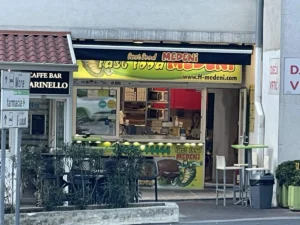
Bakeries operate on a high-volume display system, featuring glass counters packed with trays of sweet and savory pastries that cater to morning commuters, schoolchildren, and midnight wanderers alike. Meanwhile, the local fast-food kiosk—frequently measuring no larger than a standard bedroom—relies on a minimal footprint comprising a service window, a high-heat flat-top grill, a toaster, and occasionally a pizza oven. Positioned deliberately within high-density residential zones rather than tourist corridors, these kiosks function as communal anchors. They provide low-cost, high-calorie sustenance generally priced between two and five euros, filling the nutritional gap for university students between lectures, manual laborers without access to formal lunch breaks, and youths navigating the city after dark.
Among the enduring symbols of this culture is Bobis Bakery near the Pazar green market, which has maintained 24-hour operations to serve a steady procession of post-clubbing youth, taxi drivers, and off-duty law enforcement officers. Similarly, institutions like Popaj—established in 1989—and Medeni—founded in 2001—have achieved such deep cultural penetration that they are frequently invoked in regional hip-hop lyrics and pop music, functioning as geographic and emotional landmarks for locals.

A Chronology of Resilience and Transformation
To understand the trajectory of Split’s neighborhood food culture, one must examine its evolution over the past half-century. The timeline of this culinary landscape reflects broader socioeconomic shifts in coastal Croatia:
- 1967: Kantun Paulina opens its doors in Split, establishing a blueprint for dedicated, high-speed cevapi service that encourages standing consumption on the public sidewalk.
- 1989: Family-run fast-food institution Popaj opens its first location, eventually expanding across multiple neighborhoods and embedding itself into local youth culture and regional arts.
- 2001: Medeni launches its operations, later scaling to multiple branches across Split and neighboring Kaštela, proving that neighborhood-centric fast food can sustain multi-unit growth without sacrificing its local character.
- 2020–2021 (The COVID-19 Pandemic): Public health restrictions and lockdown protocols catalyze a massive migration toward digital delivery platforms such as Wolt and Glovo. Almost overnight, traditional walk-up establishments are forced to integrate third-party courier services to survive, permanently altering the foot-traffic dynamics of neighborhood kiosks.
- Present Day: The accelerated expansion of international franchises (McDonald’s, KFC, Burger King) into suburban shopping malls contrasts sharply with the static or declining physical queues at independent neighborhood windows. Concurrently, traditional street foods like ćevapi increasingly migrate from sidewalk kiosks to sit-down restaurant tables at elevated price points.
The Mechanics of the Menu: Staple Offerings and Regional Divergence
The uniqueness of Split’s street food lies not only in its venues but in its specific culinary offerings, which often contrast sharply with other regions in Croatia.
Take, for example, the krafne (Doughnut). In cities like Zagreb, doughnuts are predominantly daytime bakery commodities or seasonal treats tied specifically to the February carnival (maškare) season. In Split, however, acquiring warm krafne dusted with powdered sugar and filled with apricot jam, chocolate, or custard via a bakery’s back door at 10:00 PM on an ordinary Tuesday is an established urban ritual.
Similarly, the preparation of localized fast-food staples emphasizes customization and structural integrity. The topli sendvičić (toasted sandwich) starts with a base of a bun, ham, and cheese—available in small or foot-long sizes—which is pressed flat in a commercial toaster before the customer selects from an array of cold toppings including mayonnaise, ketchup, corn, pickles, tomatoes, boiled eggs, and onions. Piletina u tijestu follows a parallel assembly line, encasing grilled chicken pieces inside raw pizza dough before baking them in high-temperature ovens, with the most famous variations historically originating just outside the city limits at Bili Pivac in Podstrana.
Perhaps the most ubiquitous regional export of the Western Balkans is the ćevapi: minced meat formed into small cylinders, grilled, and served inside flatbread (somun or lepinja) with raw onions, ajvar, or kajmak. While historically consumed rapidly while standing on public pavements—typified by institutions like Kantun Paulina, operational since 1967—market forces are actively reshaping this dynamic.
Economic Implications and Socioeconomic Pressures
Economic analysts and cultural historians point to several converging pressures threatening the viability of independent neighborhood eateries in Split. The primary driver of change is not a drop in local appetite for quick, affordable food, but rather a fundamental restructuring of consumer behavior.

The proliferation of multinational fast-food chains in suburban retail parks has introduced a competing value proposition: predictable standardization, climate-controlled dining rooms, sit-down seating, and free parking. For families and vehicle owners, driving past a local neighborhood kiosk in favor of a suburban mall franchise offers multi-purpose convenience—combining grocery shopping, dining, and errand-running under one roof.
Furthermore, the mainstream adoption of digital food delivery applications has introduced a double-edged sword for small-scale operators. While delivery apps temporarily cushioned businesses against foot-traffic losses during pandemic restrictions, they also decoupled the food from the physical public space. The traditional model relied on the street as a social commons—a place where queues formed organically, brief conversations were exchanged between strangers, and urban life was visibly enacted. When food is ordered exclusively through an app and consumed in isolation at home, the communal vitality of the neighborhood kiosk is diminished.
Compounding this shift is the commercial gentrification of street food. As culinary tourism expands and real estate values climb, classic street-level items like ćevapi are increasingly being co-opted by mid-to-high-tier restaurants. Served on ceramic plates at seated tables with wine menus, these foods are rebranded at significantly higher price points, effectively pricing out the traditional demographic of students, blue-collar workers, and late-night revelers who relied on them as accessible daily nourishment.

Broader Impact and Future Outlook
The potential decline of Split’s independent neighborhood snack culture represents a loss that extends far beyond municipal gastronomy. Urban anthropologists note that the 3:00 AM queue at a bakery or the shared counter space at a fast-food kiosk serves as a vital equalizer in an increasingly stratified urban environment. In these spaces, taxi drivers, police officers, students, and corporate workers momentarily occupy the same physical plane, bound by a shared local ritual.
If current trends continue, the physical infrastructure of Split’s neighborhood food culture risks contracting further. While corporate franchises and delivery-only ghost kitchens will likely ensure that calories remain available on demand, the spontaneous, pedestrian-oriented street life that defined post-war and late-20th-century Split faces an uncertain future.
The question facing the city is not whether its residents will continue to eat burek, krafne, and toasted sandwiches, but whether the cultural spaces that produced them will survive the relentless march of digital convenience and commercial homogenization. For now, independent stalwarts like Popaj, Medeni, and Kantun Paulina continue to hold their ground in the residential quarters—reminding anyone willing to step off the tourist track that a city’s true pulse is often found sizzling on a flat-top grill at midnight.
Related posts: