The ultimate guide to the healing thermal springs and geothermal retreats across the Arab world

For centuries, the arid landscapes of the Arab world have concealed a profound secret: a vast, subterranean network of mineral-rich thermal springs that have served as epicenters for wellness and communal healing. From the lush, palm-fringed valleys of Oman to the remote, sun-drenched oases of the Egyptian Western Desert and the limestone foothills of the United Arab Emirates, these geothermal phenomena offer more than just a reprieve from the heat. They represent a convergence of geological wonder and ancient therapeutic tradition. As modern travelers increasingly seek "slow tourism" and holistic wellness experiences, these natural spas have emerged as critical nodes in the region’s growing luxury and medical tourism sectors.
The Historical Significance of Thermal Bathing
The tradition of thermal bathing in the Middle East and North Africa predates modern clinical medicine. Ancient civilizations—ranging from the Nabataeans in Jordan to the Berber tribes of the Maghreb—recognized that the water emerging from the earth held specific curative properties. Historically, these sites were not merely places for hygiene; they were social hubs and centers for convalescence.
Archaeological evidence suggests that Roman influence in the Levant and North Africa significantly expanded the infrastructure around these springs, turning natural pools into sophisticated bathhouses. By the medieval period, the practice was formalized through the culture of the hammam, though the original mineral-rich spring sites remained the primary destinations for those seeking to treat chronic ailments such as rheumatism, dermatological conditions, and respiratory distress. Today, these sites are undergoing a renaissance, with governments and private investors upgrading facilities to meet international standards while preserving the environmental integrity of the surrounding landscapes.
Regional Case Studies: A Geographic Overview
1. Khatt Hot Springs, United Arab Emirates
Situated in the emirate of Ras Al Khaimah, the Khatt Hot Springs are a testament to the UAE’s geological diversity. These springs emerge from deep limestone strata, maintaining a constant temperature of 104°F (40°C). The water is highly mineralized, containing high concentrations of sulfur, which is widely cited in dermatological studies for its ability to treat inflammatory skin conditions. The development of high-end resorts surrounding the springs has effectively transitioned the site from a local wellness secret to a destination for international travelers.
2. Moulay Yacoub Hot Springs, Morocco
Located approximately 12 miles from the historic city of Fez, the Moulay Yacoub springs are among the most famous in North Africa. The water here is sourced from a depth of nearly 1,500 meters and is characterized by its high mineral salt, calcium, and magnesium content. Local health authorities have long recognized the site’s efficacy in treating ENT (ear, nose, and throat) conditions. The recent modernization of the thermal center has integrated medical-grade hydrotherapy, drawing thousands of visitors annually who seek relief from chronic musculoskeletal pain.
3. Ma’in Hot Springs, Jordan
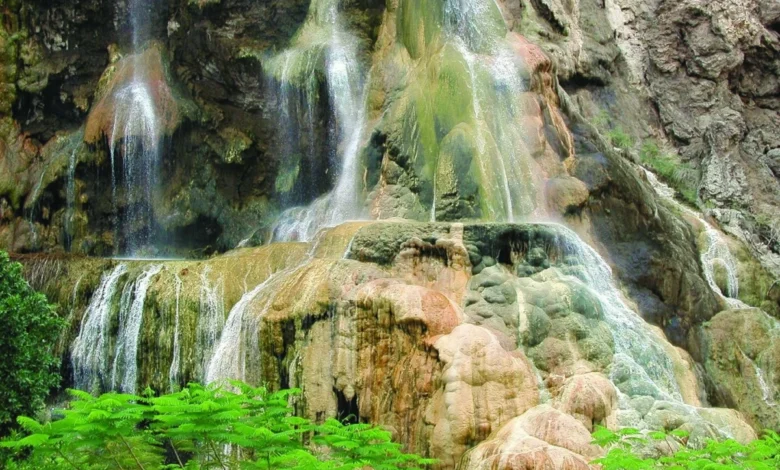
The Ma’in Hot Springs, nestled in the Madaba region, represent one of the most spectacular geological formations in the Arab world. Fed by meteoric waters that are heated by deep-seated volcanic activity, the water cascades down basaltic cliffs before collecting in a series of natural pools. With temperatures reaching up to 145°F (63°C) at the source, the site serves as a primary hub for wellness tourism in Jordan. The mineral composition—including potassium, magnesium, and calcium—is particularly beneficial for circulatory health and joint rejuvenation.
4. Siwa Oasis, Egypt
The Siwa Oasis, located in the Western Desert, provides a unique glimpse into the ancient world. The Cleopatra Spring is perhaps the most iconic, a stone-lined pool that has remained in constant use for millennia. Unlike other springs that are developed for modern luxury, the Siwa springs remain deeply tied to the traditional Bedouin and Berber way of life. The water here is known for its high mineral content, which is believed by locals to aid in skin vitality and metabolic balance.
5. Ad-Dal’a and Al-Jubah, Saudi Arabia
Saudi Arabia’s Vision 2030 initiative has placed a renewed focus on the country’s natural assets, including the thermal springs in Al-Kharj and the Wadi Ad-Dawasir region. The Ad-Dal’a hot spring is a scientific marvel, with a depth of 30 meters and a complex connection to the Samha spring. These sites are currently being evaluated for expanded tourism infrastructure, aiming to balance the preservation of the delicate desert ecology with the demand for therapeutic, accessible wellness retreats.
6. Korbous and Nakhal
In Tunisia, the village of Korbous offers a coastal alternative to desert springs, with temperatures ranging between 44°C and 60°C. These springs are heavily utilized by the local population for arthritis management. Conversely, Oman’s Nakhal Hot Springs (Ain Al Thawarah) offer a blend of history and nature. Located near the 17th-century Nakhal Fort, these springs are a prime example of how the region is successfully integrating cultural heritage with natural wellness assets.
Scientific Foundations and Health Implications
The therapeutic efficacy of thermal springs is rooted in the principles of balneology—the study of therapeutic bathing. The process of immersion in mineral-rich water produces three primary effects:
- Hydrostatic Pressure: The pressure exerted by the water assists in reducing joint swelling and improving blood circulation.
- Thermal Effects: The heat promotes vasodilation, which increases blood flow to muscles and tissues, facilitating the removal of metabolic waste products and reducing pain.
- Chemical Absorption: The skin absorbs minerals such as sulfur, silica, and magnesium, which can modulate the immune system and reduce systemic inflammation.
Recent studies conducted in clinics near these springs indicate that patients suffering from chronic inflammatory conditions, such as rheumatoid arthritis, report significant improvements in mobility and pain reduction after a 10-to-14-day course of "thermal therapy."
Economic and Societal Impact
The rise of the wellness economy is having a measurable impact on the Arab world’s tourism sector. According to market data from the Global Wellness Institute, the Middle East and North Africa region is currently one of the fastest-growing wellness tourism markets globally. The shift from "sun-and-sand" tourism to "health-and-rejuvenation" tourism is creating sustainable revenue streams for rural communities located near these natural springs.
Furthermore, these sites act as an economic buffer for local regions. By developing infrastructure such as roads, boutique hotels, and medical facilities, the state ensures that these natural resources are preserved rather than depleted. Officials from various tourism boards across the region have noted that the goal is to position these springs as "wellness sanctuaries" that offer a quiet alternative to the high-paced urban centers of Riyadh, Dubai, or Cairo.
Challenges and Future Outlook
Despite the potential, the sector faces significant challenges. Climate change and groundwater extraction threaten the flow rates of several springs. In regions like Saudi Arabia and the UAE, where water scarcity is a critical concern, the management of these springs requires sophisticated hydrological modeling to ensure that tourism does not negatively impact local water tables.
Additionally, there is the challenge of standardization. While some sites like Ma’in and Khatt operate at international luxury standards, others remain informal. The industry is now moving toward a framework of "Certified Thermal Heritage" sites, which would establish uniform safety and hygiene standards while protecting the historical integrity of the springs.
Conclusion: A Synthesis of Nature and Tradition
The Arab world’s thermal springs offer a unique intersection of geological rarity and human history. As the world becomes increasingly digitized and fast-paced, the demand for "unplugged" rejuvenation is expected to grow. Whether through the sulfuric waters of Ras Al Khaimah, the desert oases of Siwa, or the basaltic cascades of Jordan, these sites provide a vital service: the restoration of the body and the quiet reflection of the mind. By investing in the sustainable development of these thermal havens, the region is not only preserving its ancient customs but is also carving out a specialized, high-value niche in the global tourism landscape.
Related posts: