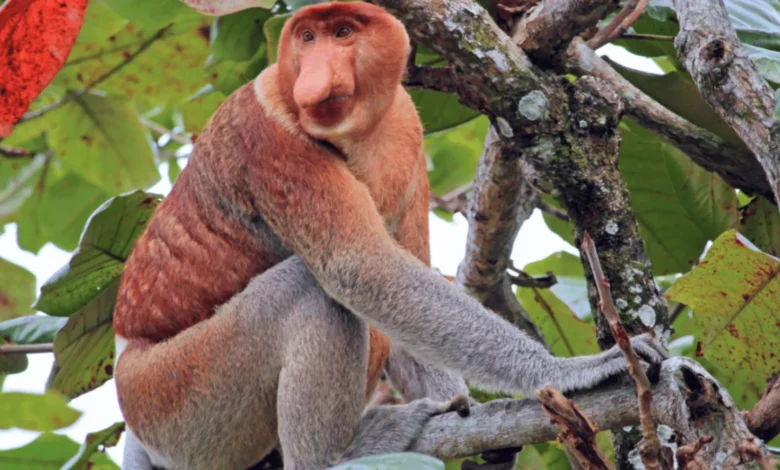
Most visitors arrive in Kota Kinabalu with a carefully curated list of attractions: pristine beaches, iconic wildlife, and vibrant cultural sites. The objective often becomes to tick every box before their departure. However, what frequently goes unnoticed is the profound essence of Sabah that exists in the spaces between these popular highlights – the tranquil hush of a river, the genuine warmth of local smiles, and the shared, breathless moment when a proboscis monkey materializes in the verdant canopy, bringing an entire boat to a reverent stillness.
A well-designed Kota Kinabalu day trip offers a comprehensive immersion into this less-trodden Sabah. It seamlessly integrates the exploration of islands, the dense rainforest, the vibrant riverine ecosystems, breathtaking coastal scenery, and authentic local culture, all without the pressure of a hurried itinerary. While Kota Kinabalu serves as the convenient gateway, the true journey unfolds beyond its urban sprawl, embracing the unhurried rhythm that characterizes Borneo itself.
Sabah’s Rich Tapestry: Geography, Biodiversity, and Cultural Heritage
Sabah, nestled on the northern tip of Borneo, is a land of extraordinary geographical diversity and ecological significance. Bounded by the South China Sea to the west and the Sulu and Celebes Seas to the east, its landscape transitions from pristine coral reefs and white sandy beaches to vast mangrove forests, lowland rainforests, and towering mountain ranges, including Southeast Asia’s highest peak, Mount Kinabalu. This unique positioning makes it a biodiversity hotspot, home to countless endemic species of flora and fauna. The region’s intricate river systems, such as the Kinabatangan, Klias, and Garama, serve as vital arteries, supporting lush ecosystems and providing habitats for a myriad of wildlife.
Beyond its natural wonders, Sabah boasts a rich cultural mosaic, comprising over 30 indigenous ethnic groups, each with distinct languages, customs, and traditions. The largest of these include the Kadazan-Dusun, Bajau, and Murut, whose ancestral lands and traditions are deeply intertwined with the natural environment. These communities have, for centuries, practiced sustainable living, developing a profound understanding and respect for their surroundings. A day trip from Kota Kinabalu often serves as an accessible introduction to this rich heritage, offering glimpses into village life and traditional practices that define Sabah’s identity.
The Journey Commences: From Urban Gateway to Verdant Interior
The day’s immersion into Sabah’s heartland typically begins with a convenient pickup from a designated point in Kota Kinabalu. This logistical ease immediately sets a relaxed tone for the adventure ahead, eliminating the complexities of navigating unfamiliar roads. As the vehicle departs the city’, Kota Kinabalu’s bustling streets gradually yield to expansive coastal roads, framed by rolling green hills and punctuated by glimpses of traditional village life. This transition is subtle yet profound; the urban pulse slowly dissipates, replaced by a sense of calm and anticipation as the landscape unfurls. By the time travelers are fully enveloped in the verdant embrace of the countryside, a collective exhale often marks the beginning of their true engagement with Borneo.
A pivotal element of these journeys is the presence of a knowledgeable local guide. These guides, often raised within the very regions they traverse, possess an intimate understanding of the rivers, villages, and island areas that transcends a mere script. Their narratives are woven from a lifetime of experience, shared in an unhurried, authentic manner that conveys genuine familiarity and affection for their home. This approach transforms the experience from a didactic lecture into an engaging dialogue, fostering a deeper, more personal connection to the places and people encountered.
Riverine Sanctuaries: The Heart of Sabah’s Wildlife Encounters
The river cruise is often the spiritual core of a Kota Kinabalu day trip, offering unparalleled opportunities for wildlife observation and profound moments of stillness. One such memorable instance involved a guest, initially reserved and focused on capturing every detail through their camera lens. However, as the boat glided silently along the water, a proboscis monkey, with its distinctive long nose and potbelly, appeared amidst the dense foliage overhanging the river. The entire boat fell into an immediate, unspoken silence. No one felt compelled to exclaim or reach for their phones; instead, a collective sense of wonder permeated the air as everyone simply watched. Observing the guest, it was evident they had instinctively lowered their camera, a genuine smile reflecting the realization of witnessing something truly authentic and untamed.
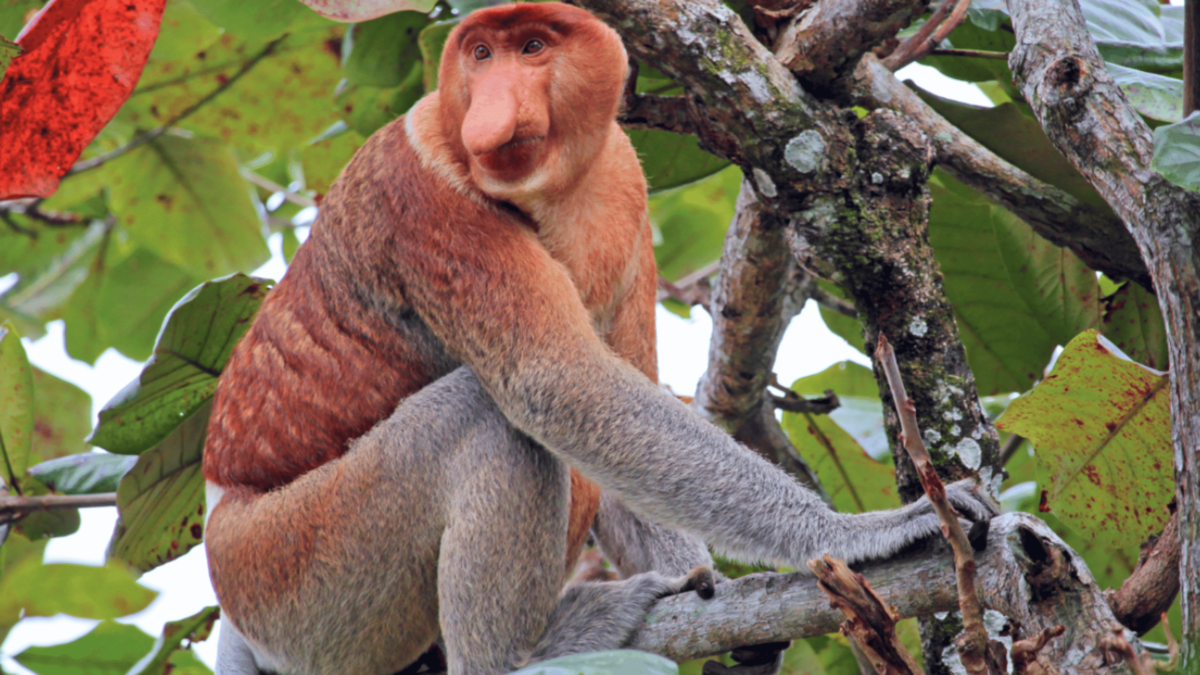
Such spontaneous, unscripted encounters are surprisingly frequent. They cannot be staged, which is precisely what lends them their profound impact. The rivers of Sabah, particularly those lined with mangrove and nipah palm forests, are critical habitats for proboscis monkeys (Nasalis larvatus), an endangered species endemic to Borneo. These charismatic primates are often the highlight for many visitors, but the river offers a tapestry of other wildlife. Birds of myriad species flit through the trees – from vibrant kingfishers darting across the water to majestic eagles soaring overhead. Silvered leaf monkeys (Trachypithecus cristatus) and long-tailed macaques (Macaca fascicularis) can also be spotted, alongside monitor lizards basking on riverbanks and mudskippers skittering across the exposed mudflats during low tide.
The river’s tranquility is multi-faceted. In certain stretches, the only audible sounds are the gentle murmur of the current and the subtle rustling of life within the canopy, often punctuated by the boat engine dropping to a hushed idle. This sensory experience underscores the Sabahan word Aramaiti, a call for togetherness and celebration, often associated with harvest festivals. On the river, this spirit of collective appreciation for nature’s bounty and the shared experience of quiet wonder becomes instinctively understood. Borneo’s untamed beauty possesses an inherent power to unite strangers in a shared moment of silent attention and collective awe.
Cultural Immersion: Unveiling Local Heritage
Much travel literature reduces Sabah to a simplistic checklist: beach, orangutan, mountain. This often overlooks the nuanced texture of the place – the everyday rhythm of local streets, the cultural touchpoints encountered along the way, and the ordinary details of river and village life that, while not dramatically photogenic, resonate far longer than any landmark.
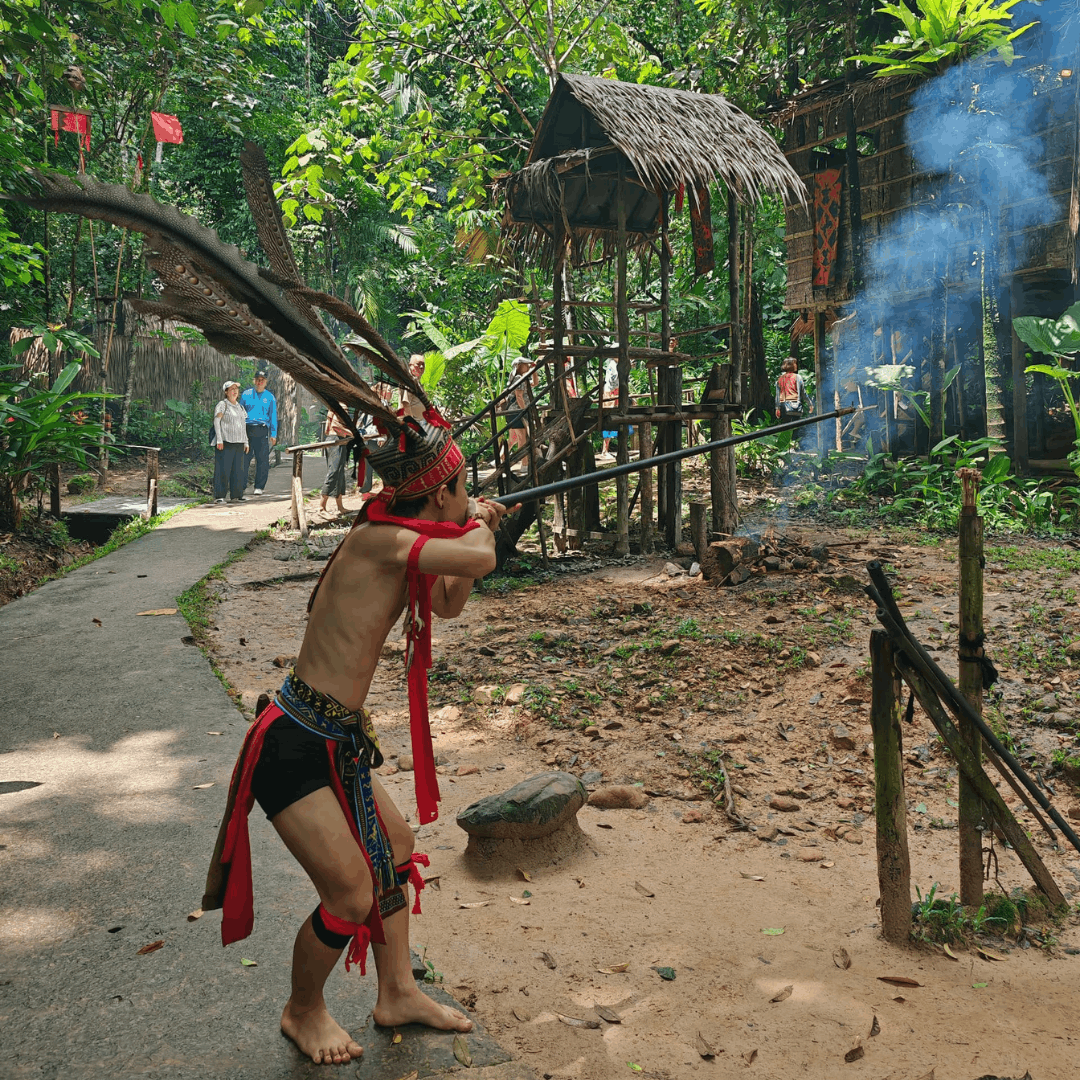
The day trip itineraries are thoughtfully designed to incorporate visits to cultural villages and riverine communities. Locations such as the Mari Mari Cultural Village, for instance, offer a curated but insightful window into the diverse indigenous cultures of Sabah, including the Kadazan-Dusun, Bajau, Murut, Rungus, and Lundayeh tribes. Here, visitors can witness traditional homes, observe ancient crafts, sample tribal delicacies, and experience cultural performances. These stops are more than mere demonstrations; they represent living traditions and provide economic opportunities for local communities to preserve and share their heritage.
During these cultural engagements, the local guide’s role becomes even more crucial. They provide invaluable context, explaining the significance of specific places to the inhabitants, elucidating the nuances of daily life, and answering questions that travelers might not even think to ask. This approach elevates the trip from a standard tour to a genuine introduction to a place, mediated by someone who possesses a deep, heartfelt connection to it. It fosters a sense of being welcomed into the fabric of Sabah, rather than merely passing through as an observer.
Coastal Vistas and Marine Wonders
As the journey nears the coast, a palpable shift in the atmosphere occurs. The air fills with the invigorating scent of salt and sea, carried through open windows. The landscape expands, offering panoramic views across the water towards the idyllic islands of the Tunku Abdul Rahman Marine Park, a cluster of five protected islands including Gaya, Sapi, Manukan, Mamutik, and Sulug. Islands like Sapi are particularly renowned for their vibrant marine life, drawing a steady stream of day-trippers eager to experience its snorkeling opportunities.
The itinerary dictates whether travelers venture closer to these islands by boat for snorkeling and beach activities or simply admire their beauty from the mainland shore. Regardless of the proximity, the omnipresent sea serves as a constant reminder of Sabah’s strategic position at the confluence of the Sulu and South China Seas, home to some of the richest and most biodiverse marine waters in the Indo-Pacific region. These waters teem with colorful coral reefs, an astonishing array of fish species, sea turtles, and other fascinating marine creatures, making it a paradise for underwater enthusiasts.
This coastal segment of the trip often evokes a different kind of quietude than the river. The expansive open sky, the vast expanse of water stretching in every direction, and the backdrop of verdant hills create a sense of immensity. The sheer scale of the environment has a way of making the rest of the world feel distant and insignificant, fostering a deep sense of peace and contemplation.
Gastronomic Journey: Flavors, Aromas, and Sensory Details

Authentic travel writing often neglects the subtle sensory details that truly embed a place in memory: the earthy aroma of impending rain in the rainforest, the comforting warmth of local food with its delicate spices and familiar heat, or the crisp, fresh air near the coast carrying a faint, invigorating hint of salt. These ephemeral moments are integral to the holistic experience of Sabah.
The culinary offerings along the day trip route are typically simple, unpretentious, and distinctly Malaysian. Travelers should anticipate a casual dining experience rather than a formal meal. The food served is often what locals genuinely consume – fresh, flavorful, and prepared without ceremony, which invariably results in the most authentic and satisfying version. Staples might include fragrant rice dishes, freshly caught seafood, various curries, stir-fried noodles, and an abundance of tropical fruits. These meals not only provide sustenance but also offer another avenue for cultural immersion, reflecting the diverse culinary influences that have shaped Malaysian cuisine.
Sabah’s tropical climate ensures warm and humid weather throughout the year. Coastal stretches benefit from refreshing sea breezes, while shaded river areas provide natural cooling. Should a short tropical rain shower occur, it rarely disrupts the day’s plans. Instead, it typically leaves the landscape revitalized, everything smelling incredibly clean and vibrantly green, adding another layer to the sensory journey.
The Philosophy of Immersive Travel: Beyond the Checklist
For those whose primary goal is to simply tick off a species list, the day trip might offer satisfaction. However, a singular focus risks missing the larger, more profound experience. The travelers who derive the most from this journey are invariably those who, at some point, inquire about what they should truly slow down and observe.
The answer consistently points beyond the obvious "big moments," which often unfold naturally, towards the subtle details: the profound silence of the river, the intricate dance of light filtering through the rainforest canopy, the gentle cadence of local voices at a village stop, or the mesmerizing shift in water color as the boat approaches the coast. It is in these small, unplanned pauses – particularly when something wild appears, momentarily uniting everyone in the boat in a shared sense of wonder – that travelers are reminded of their privileged status as respectful visitors in this extraordinary natural realm.
The combination of significant wildlife encounters, tranquil river exploration, lush rainforest immersion, captivating island vistas, and genuine local cultural engagement, all within a single day’s reach of a bustling city, is a remarkably rare offering. This unique confluence is simply the geographical blessing of Sabah, a testament to its unspoiled beauty and accessible wildness.
Economic and Conservation Implications
This model of immersive day trips holds significant implications for both local economies and conservation efforts. By channeling tourism directly into rural and indigenous communities, these tours provide vital income for local guides, food providers, and artisans. This economic uplift encourages communities to maintain their cultural practices and traditional livelihoods, rather than abandoning them for other sectors. Furthermore, it fosters a direct link between the preservation of natural habitats and economic prosperity, providing a tangible incentive for conservation.
Tour operators often collaborate with local conservation initiatives, and the presence of responsible tourism can raise awareness among both visitors and residents about the importance of protecting endangered species like the proboscis monkey and their fragile ecosystems. While tourism inevitably brings some impact, carefully managed, low-impact tours can contribute positively to sustainable development goals, ensuring that Sabah’s natural and cultural treasures remain vibrant for future generations.
Practical Information for the Discerning Traveler
Getting There: Most day trips operate from Kota Kinabalu, with hotel pickup typically included. This eliminates the need for travelers to arrange separate transport or navigate unfamiliar roads independently, ensuring a seamless start to the day directly from their accommodation.
Timing: These are generally full-day excursions, concluding with a relaxed return to Kota Kinabalu in the evening. Sabah’s weather is consistently tropical, meaning warmth and humidity are prevalent year-round. While the wet season (typically October to March) brings short, intense afternoon showers, these rarely disrupt a full day’s itinerary and often enhance the landscape, making it appear more vibrant and alive. The dry season (April to September) offers consistently sunny weather, though wildlife sightings remain unpredictable as they are dependent on natural patterns.
What to Bring: Essential items for a comfortable and enjoyable day trip include:
- Light, breathable clothing
- Comfortable walking shoes
- A wide-brimmed hat and sunglasses for sun protection
- Environmentally friendly sunscreen
- Insect repellent
- A reusable water bottle
- A camera with extra battery and memory card
- A light rain jacket or poncho, especially during the wet season
- Binoculars for enhanced wildlife viewing
- A small backpack for personal items
Physical Demands: Most day trips combine vehicle transport, boat time, and short, gentle walks at cultural or village stops. They are generally designed to be accessible for a broad range of fitness levels and do not typically require strenuous hiking or specialized physical conditioning. While Sabah offers more challenging trekking routes for adventure enthusiasts, the river, coastal, and village circuits around Kota Kinabalu prioritize ease and immersion.
Wildlife Viewing: Proboscis monkeys are the most anticipated wildlife encounter on river routes near the city, alongside a rich variety of birdlife along the water and forest edges. Sightings, however, are inherently variable, depending on the day, season, and natural behavior of the animals. This unpredictability is a hallmark of genuine wildlife encounters in their natural habitat, making each sighting a truly significant and authentic experience, rather than a guaranteed spectacle.
Local Cuisine and Dietary Restrictions: Simple, lightly spiced Malaysian food is a staple of day-trip itineraries. Tour operators are generally able to accommodate dietary restrictions or allergies, provided these are communicated in advance during the booking process. It is advisable to confirm these details before finalizing a reservation.
Suitability for Children: Many of the region’s river and coastal circuits are considered family-friendly, with wildlife sightings and river activities often being highlights for younger travelers. However, age and safety requirements can vary by operator and specific activity, particularly those involving boats. It is prudent to check these specifics when booking.
Combined vs. Separate Bookings: Opting for a combined, guided day trip typically streamlines logistics, offering a single point of contact for transport and a guide familiar with the entire route. This contrasts with the potential complexities of juggling multiple bookings and arrangements for separate visits. The trade-off for a combined tour is slightly less flexibility in lingering at individual stops, which might be a preference for travelers desiring extended exploration at specific locations.
Value for Repeat Visitors: For many repeat visitors to Sabah, a Kota Kinabalu day trip remains highly valuable. These guided excursions often delve into areas like smaller river communities and cultural villages that might have been bypassed on a first visit in favor of more prominent attractions. This provides an opportunity to uncover new facets of the region that may not appear on standard itineraries, offering fresh perspectives and deeper insights into Sabah’s enduring charm.