From Digital Nomad to Polar Expedition Leader: The Evolution of Arctic Tourism and Travel Curation

The modern landscape of travel journalism and expedition cruising is undergoing a subtle yet profound transformation, highlighted by the career pivot of prominent travel writers toward specialized polar operations. For years, the traditional model of travel content creation relied heavily on digital publishing, ad revenue, and brand partnerships. However, burnout within the digital influencer economy—accelerated by the disruptions of the COVID-19 pandemic and an increasingly saturated online marketplace—has prompted industry professionals to seek more tangible, immersive avenues within the tourism sector. This shift is particularly evident in polar regions, where extreme remoteness, specialized logistics, and rising consumer demand for transformative travel experiences have created a unique niche for hands-on expedition guiding and specialized trip curation.
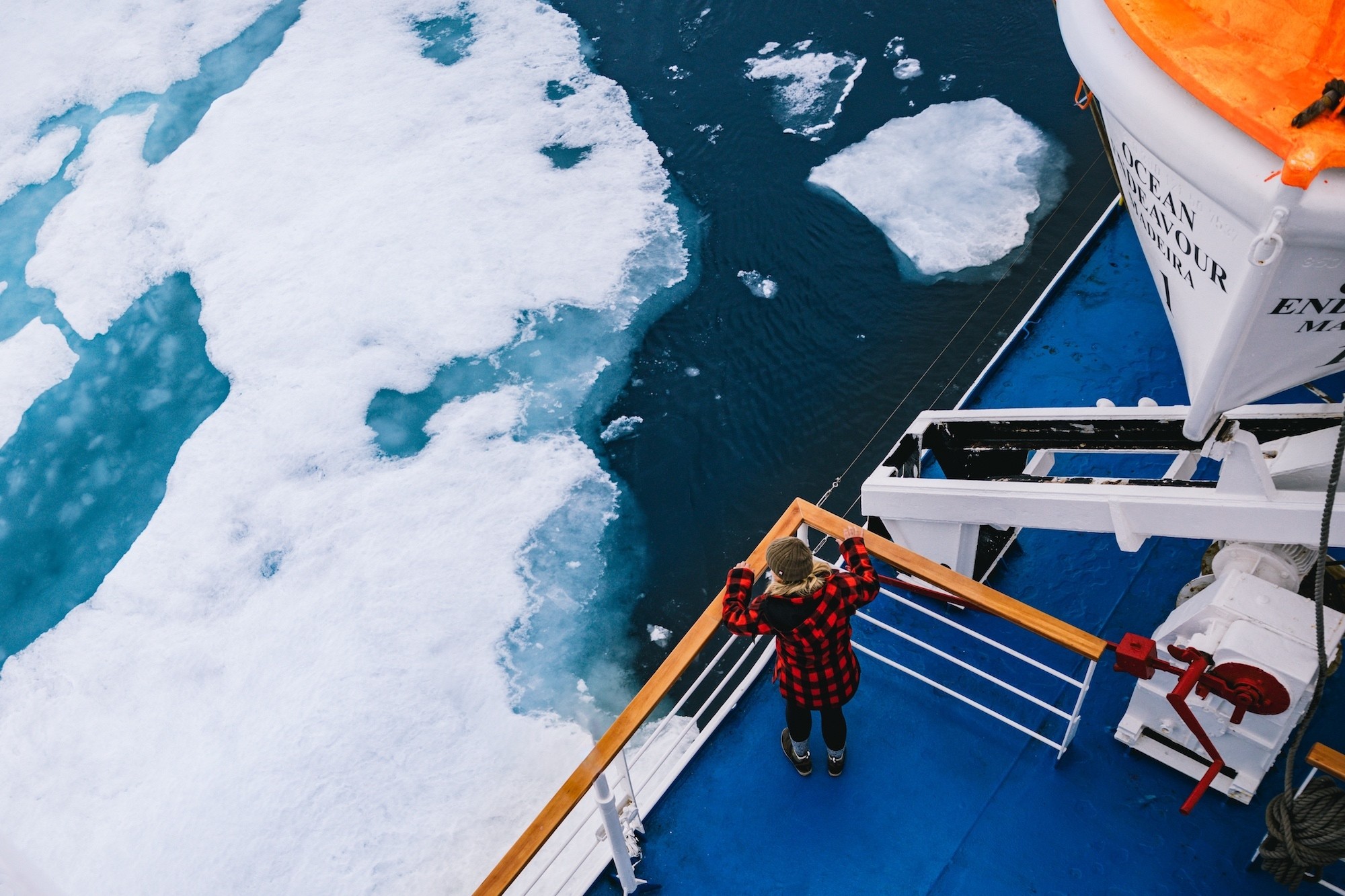
The Logistical Realities of Modern Polar Exploration
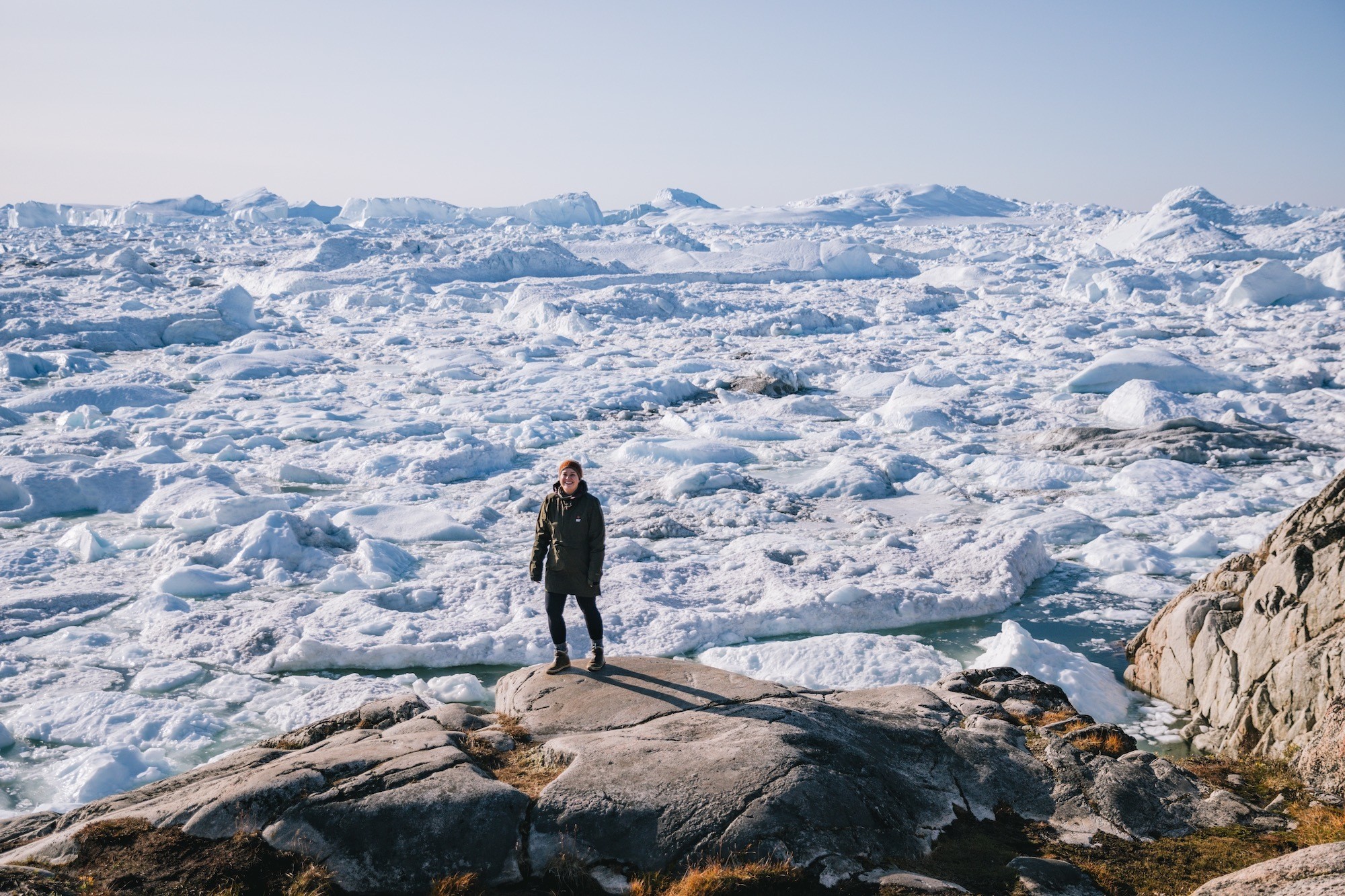
Visiting the Arctic and Antarctic remains one of the most logistically complex undertakings in modern tourism. Due to severe geographic constraints and expansive multi-year sea ice, these remote geographies are virtually inaccessible for the vast majority of the calendar year. Access is restricted to a brief summer window when warming temperatures sufficiently fracture the pack ice, allowing reinforced vessels to navigate coastal fjords and remote archipelagos.
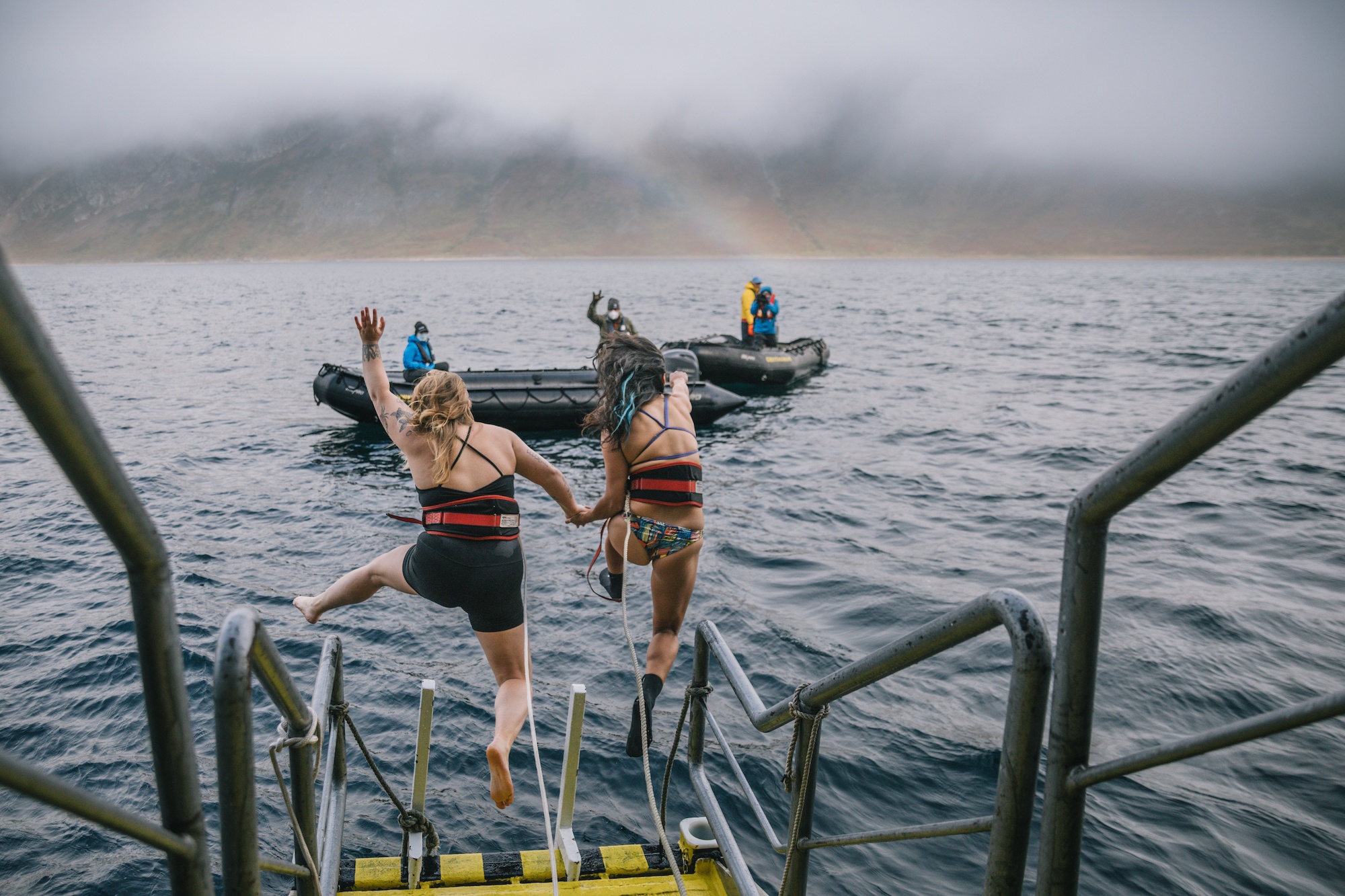
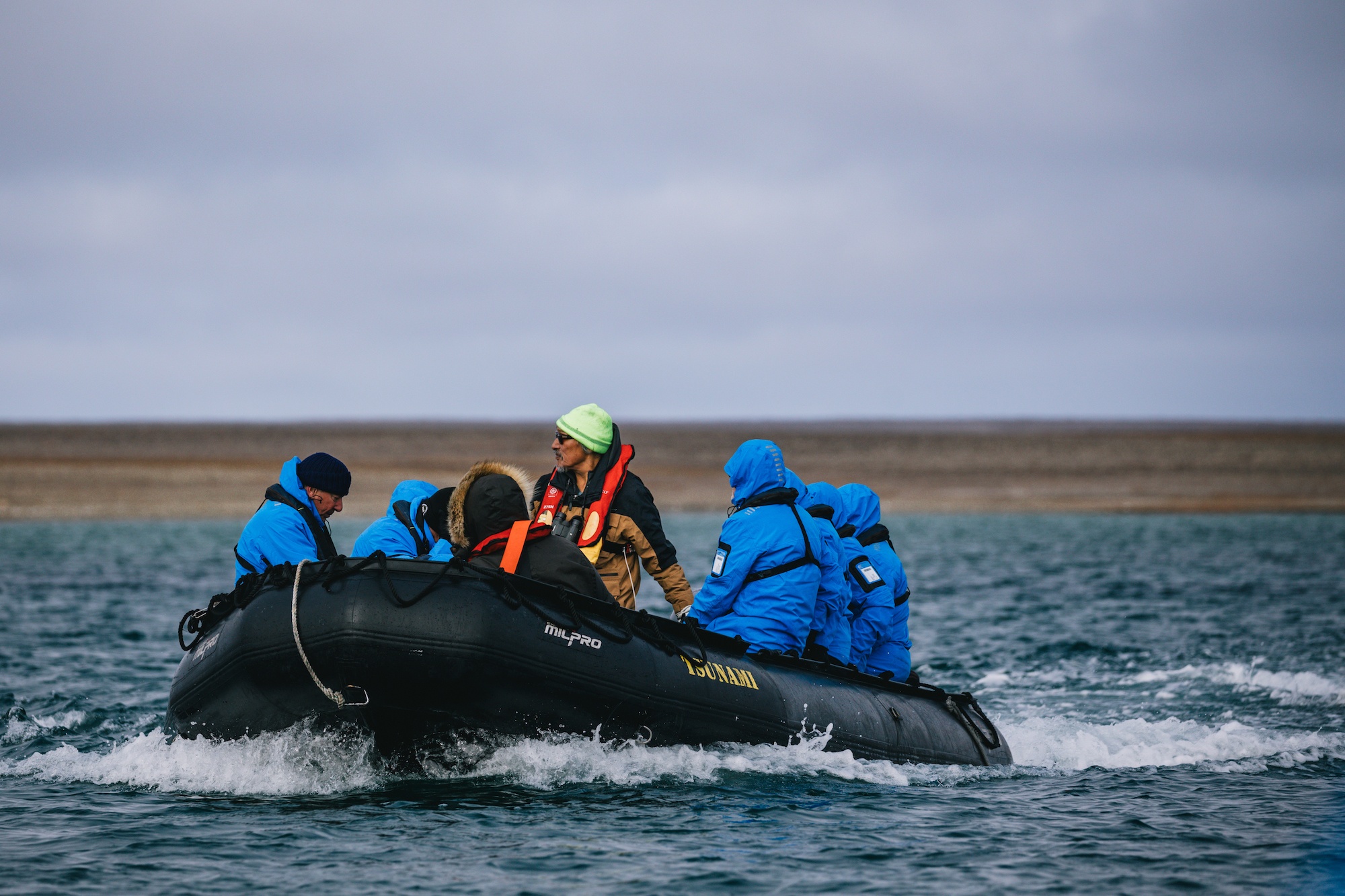
Consequently, expedition ships serve as the primary infrastructure for polar tourism, functioning simultaneously as hotels, research platforms, and transit vessels. Secondary mobility relies on specialized Zodiac inflatable boats, light aircraft, and, during winter months, snowmobiles. This high degree of isolation requires strict adherence to safety protocols, highly trained navigational crews, and seasoned expedition teams capable of managing unpredictable weather patterns, shifting ice floes, and wildlife encounters.

The Economics and Appeal of Expedition Guiding
The transition from passive documentation to active expedition guiding represents a broader trend within the adventure travel sector. Industry professionals are increasingly trading digital creation for operational roles that offer deeper community integration and mental well-being. Companies operating in the high north, such as Adventure Canada—a family-owned and operated expedition cruise line founded by industry veterans—rely heavily on institutional knowledge and staff retention.
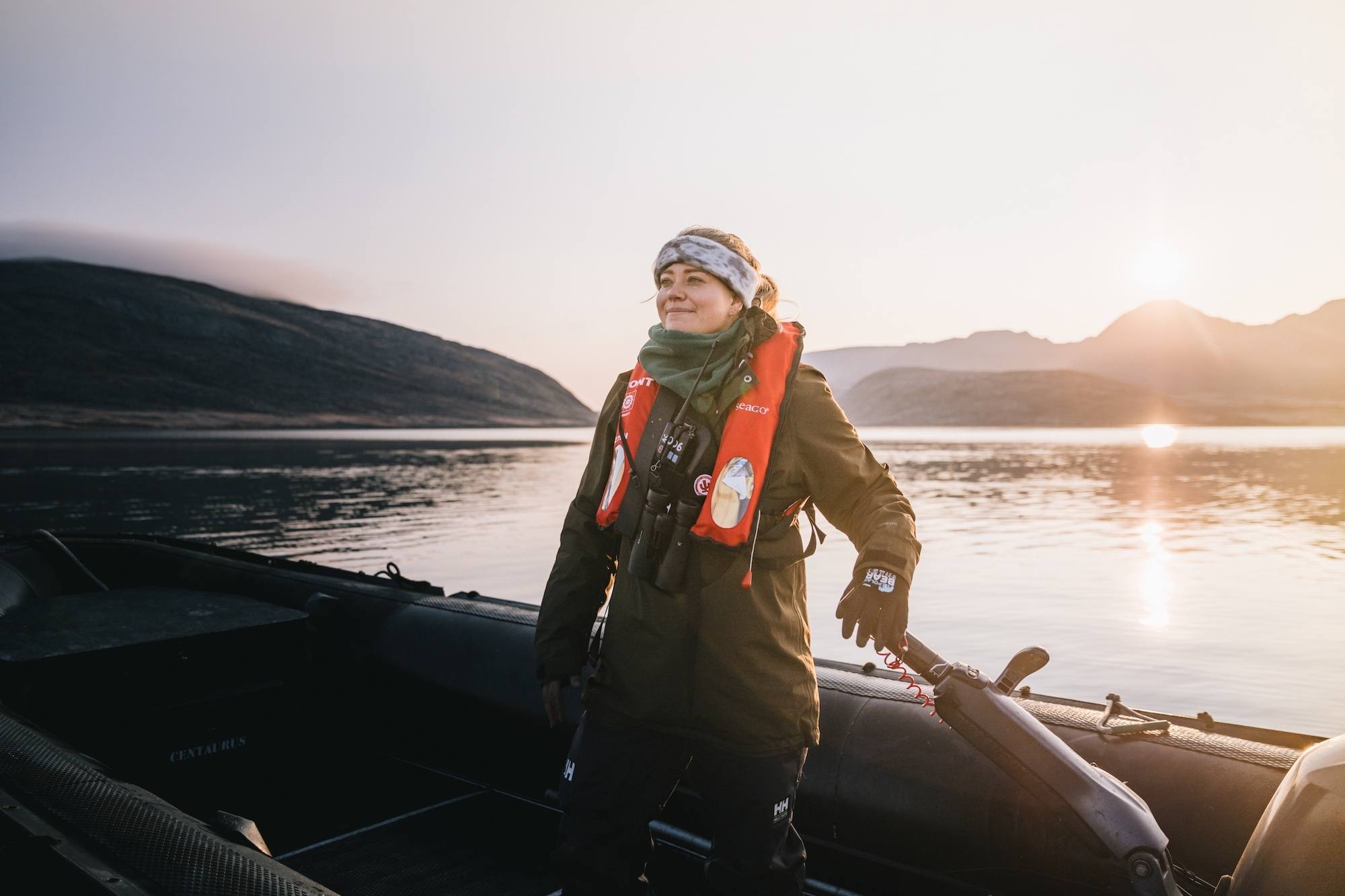
Unlike mainstream commercial cruises, polar expedition companies often report high rates of staff and passenger loyalty. Industry data indicates that a significant percentage of passengers on polar voyages are repeat travelers, drawn back by the continuity of expert expedition teams, naturalists, historians, and cultural interpreters. For guides, this environment offers a return to communal, camp-like camaraderie that contrasts sharply with the solitary nature of digital content creation. Working on board involves rigorous physical labor, long hours, and high-stakes environmental awareness, yet it provides a level of professional fulfillment that desk-bound roles often lack.
Wildlife, Culture, and the Changing Arctic Ecosystem
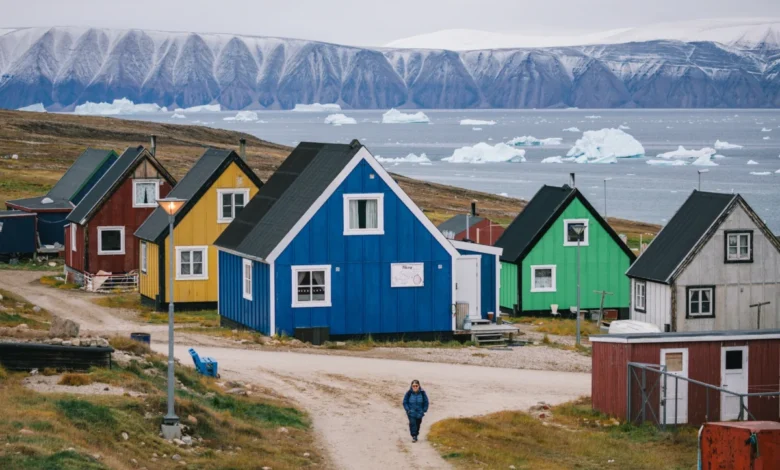
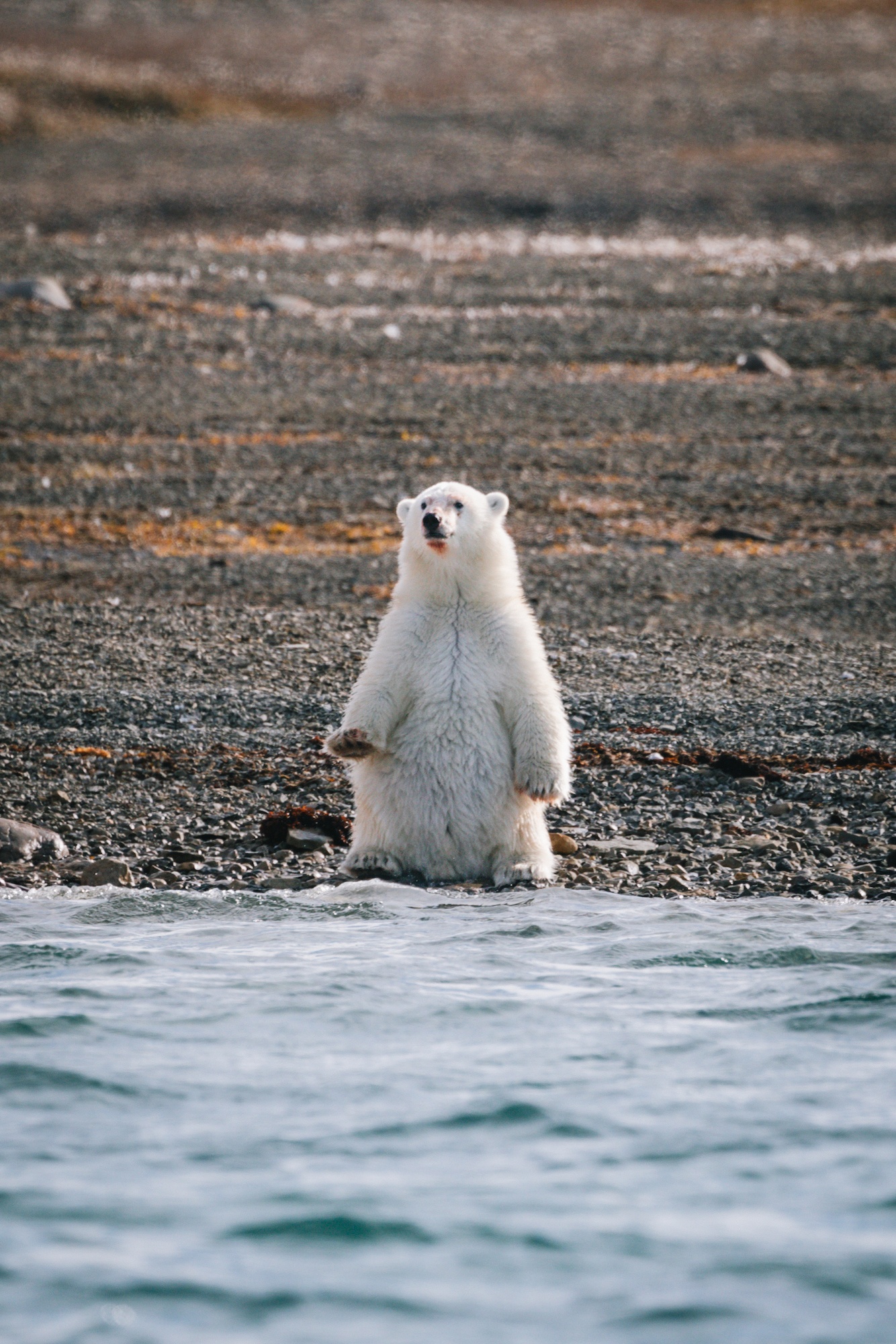
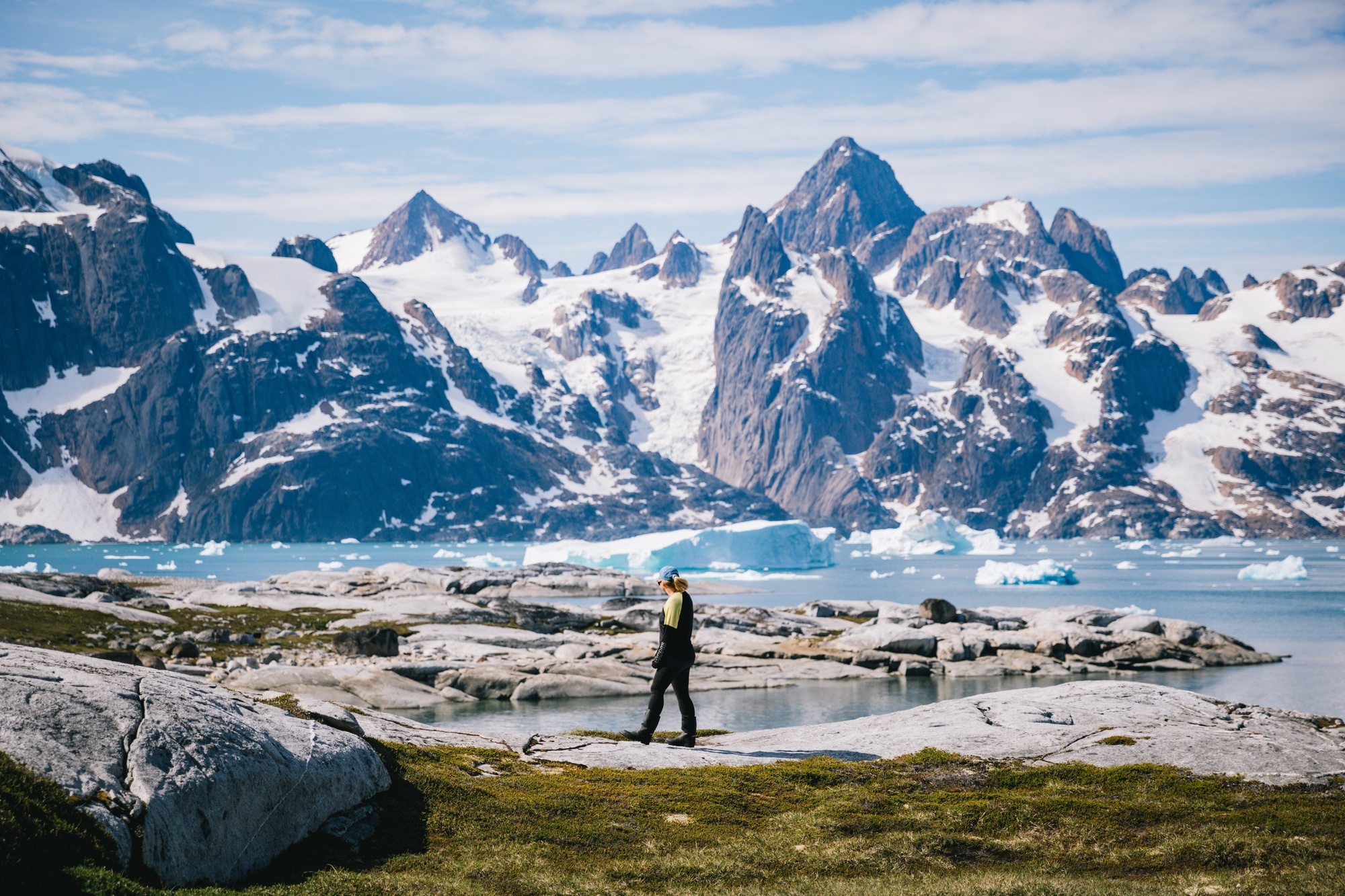
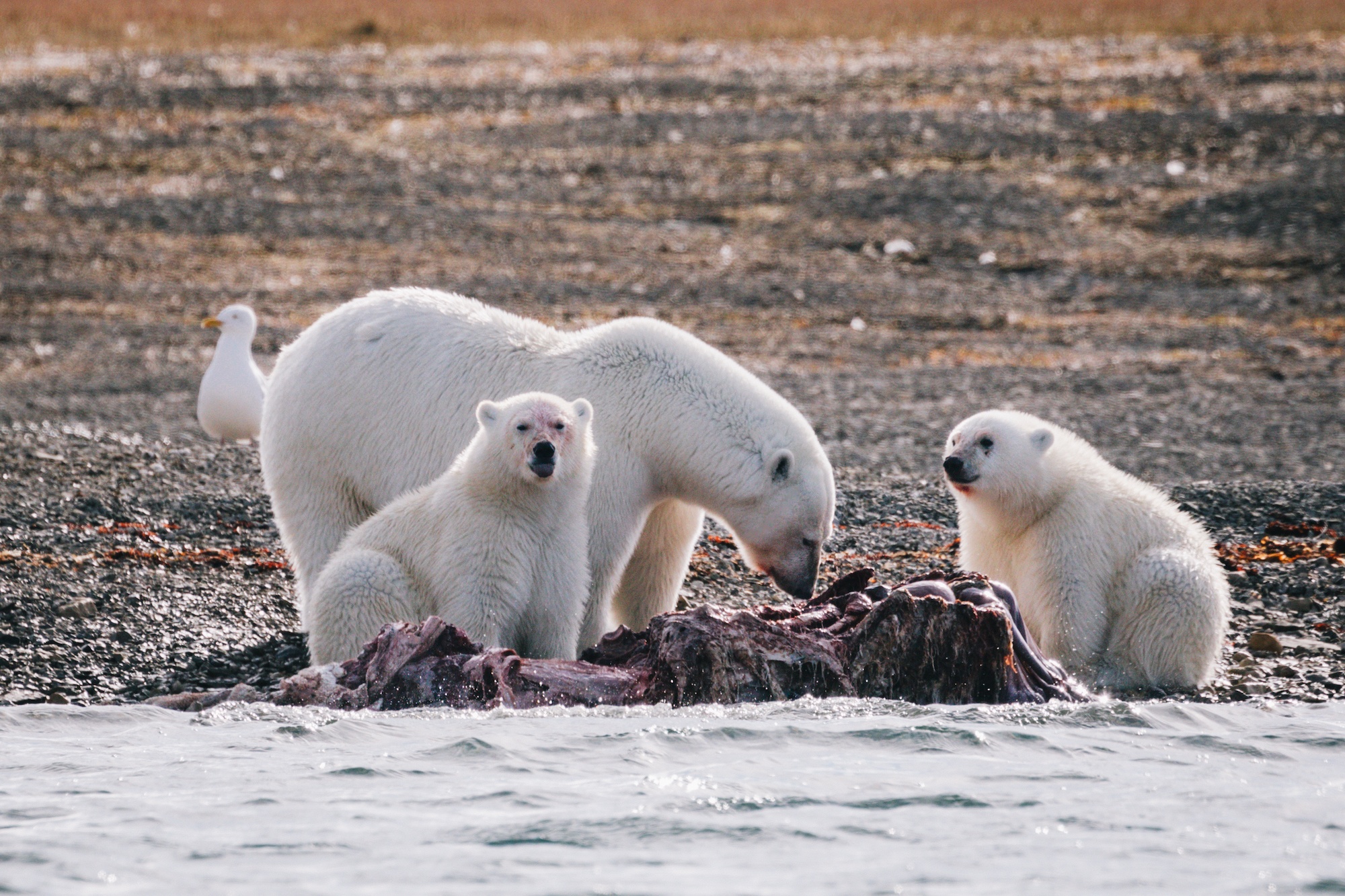
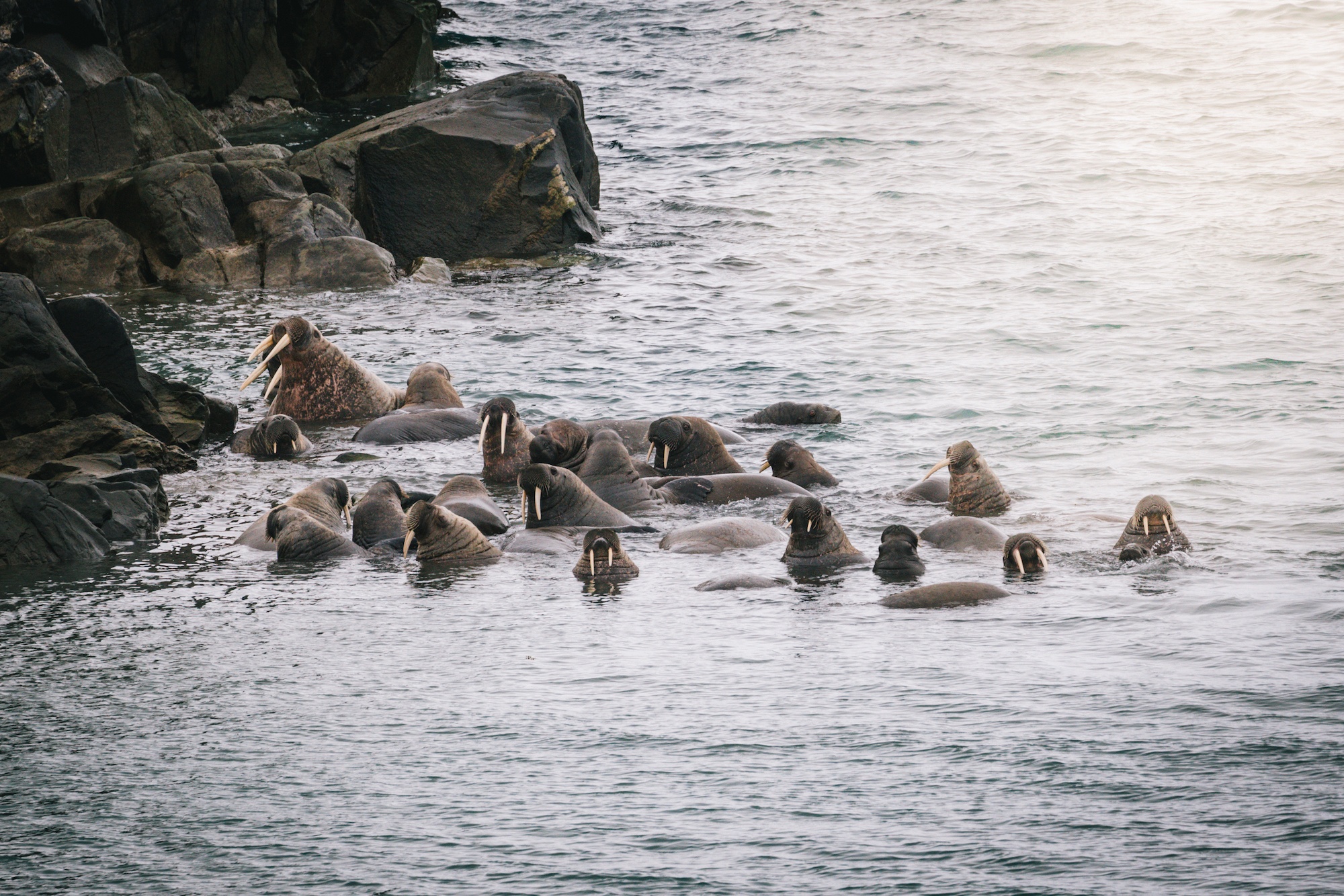
Tourism in the Arctic is defined not only by its extreme physical geography but also by its rich biodiversity and deep-rooted indigenous cultures. Travelers to regions such as the Canadian Arctic and Greenland frequently encounter marine mammals, including bowhead whales, narwhals, and orcas, alongside apex predators like polar bears navigating the diminishing sea ice.
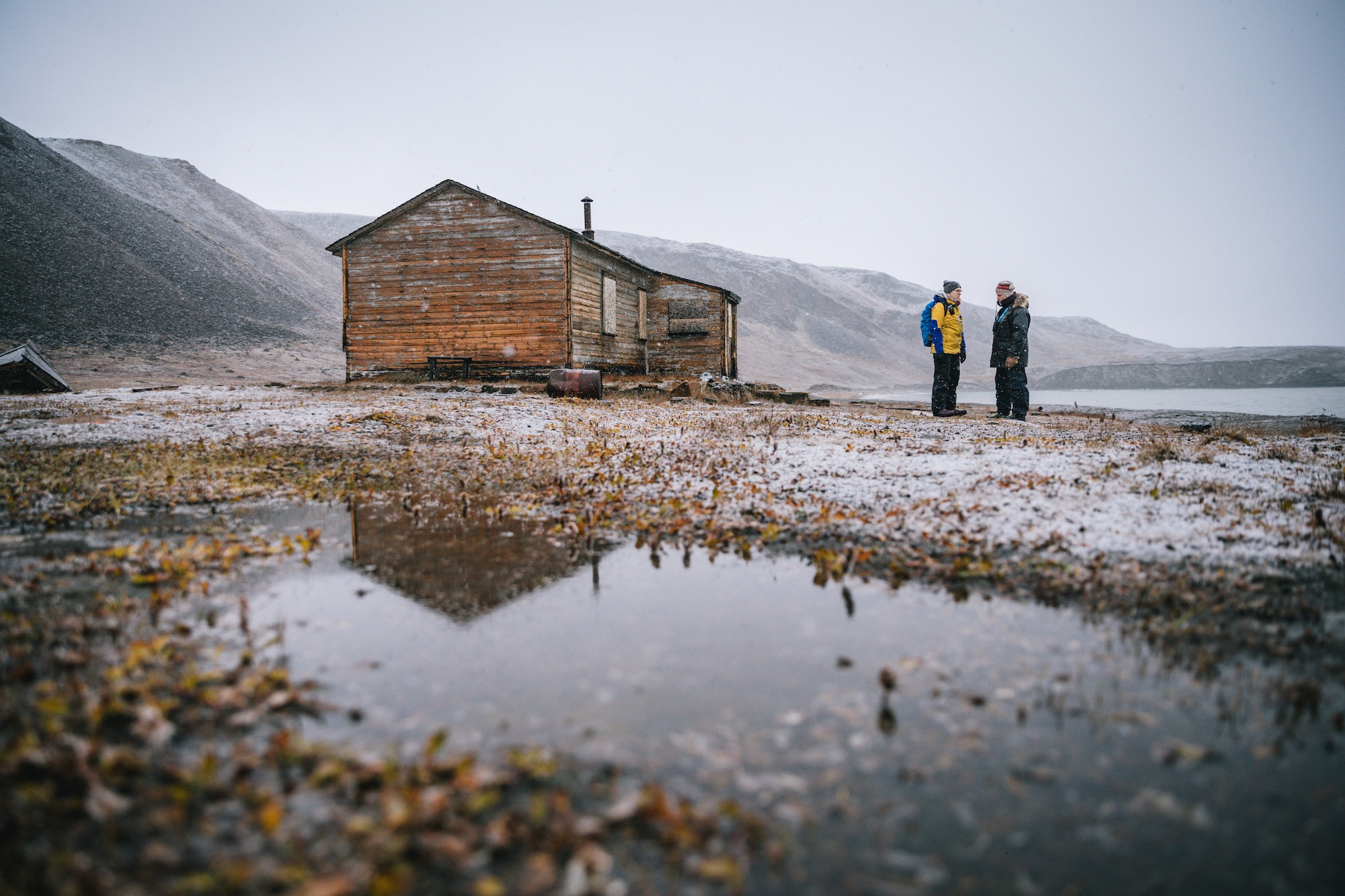
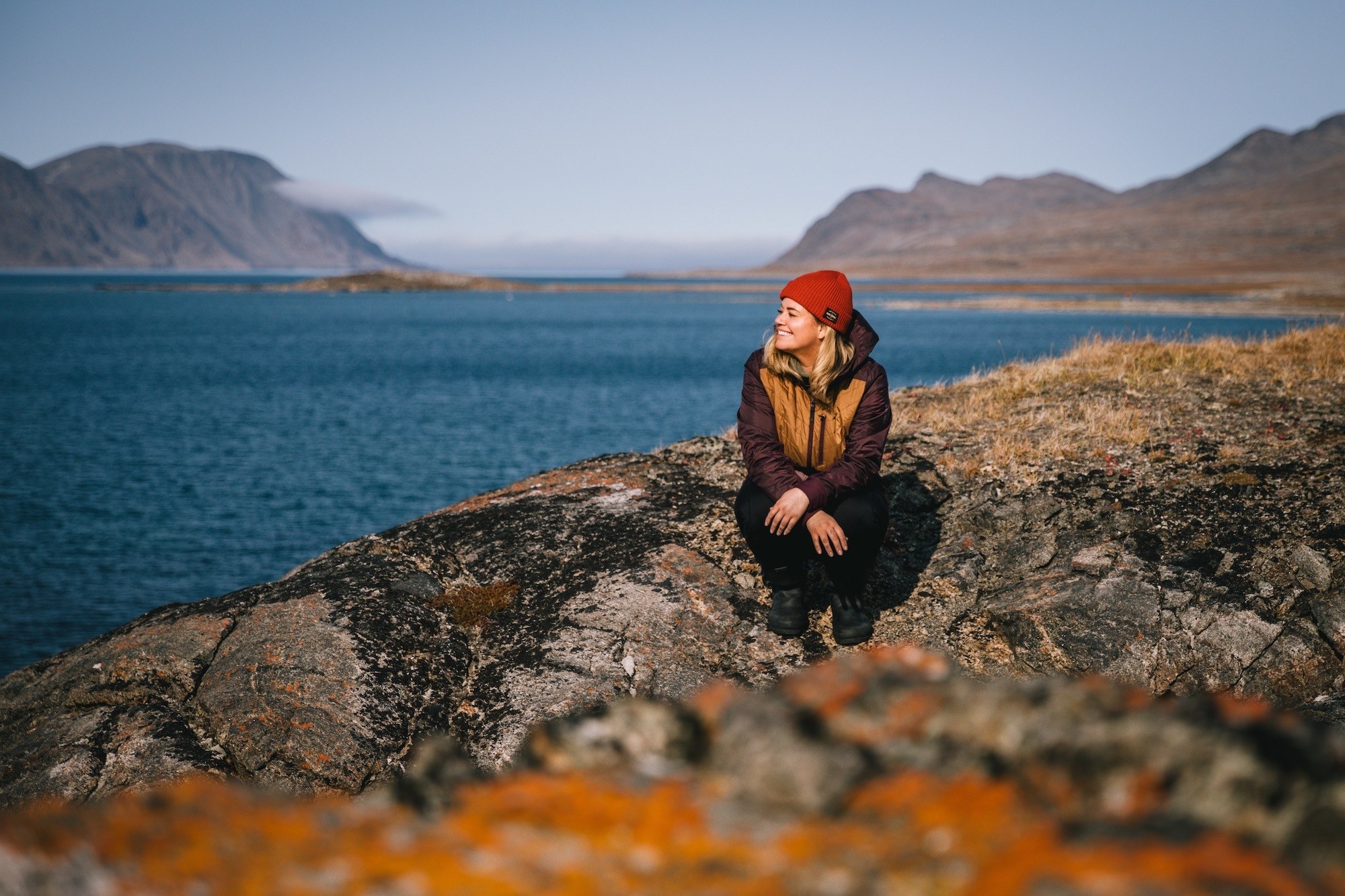
Beyond wildlife viewing, sustainable Arctic tourism increasingly emphasizes cultural exchange with Inuit and other northern communities. Visitors engage with local traditions, contemporary northern art, and historical sites such as Beechey Island, a key landmark in the history of Arctic exploration and the ill-fated Franklin expedition. However, these experiences occur against the backdrop of rapid climate change. Scientific assessments by organizations like the Arctic Monitoring and Assessment Programme (AMAP) consistently indicate that the Arctic is warming at a rate significantly faster than the global average, leading to measurable reductions in multi-year sea ice and altering traditional hunting and travel routes for local populations.
The Rise of Curated Polar Travel Consulting
In response to the complexities of booking high-end adventure travel, a growing number of industry specialists are adopting hybrid roles that combine expedition guiding with specialized travel curation. Rather than relying solely on traditional advertising revenue, travel professionals are leveraging their on-the-ground expertise to act as boutique consultants, connecting prospective travelers with vetted polar operators.
This consultative approach addresses a distinct consumer need. High-latitude travel requires substantial financial investment and meticulous planning, from selecting the appropriate vessel and itinerary to understanding physical fitness requirements and environmental guidelines set by organizations like the International Association of Antarctica Tour Operators (IAATO) and the Association of Arctic Expedition Cruise Operators (AECO). By working directly with clients who have specific interests—ranging from wildlife photography and marine biology to indigenous art and historical exploration—specialist consultants provide tailored guidance that generic booking platforms cannot replicate.
Broader Implications for Sustainable Tourism
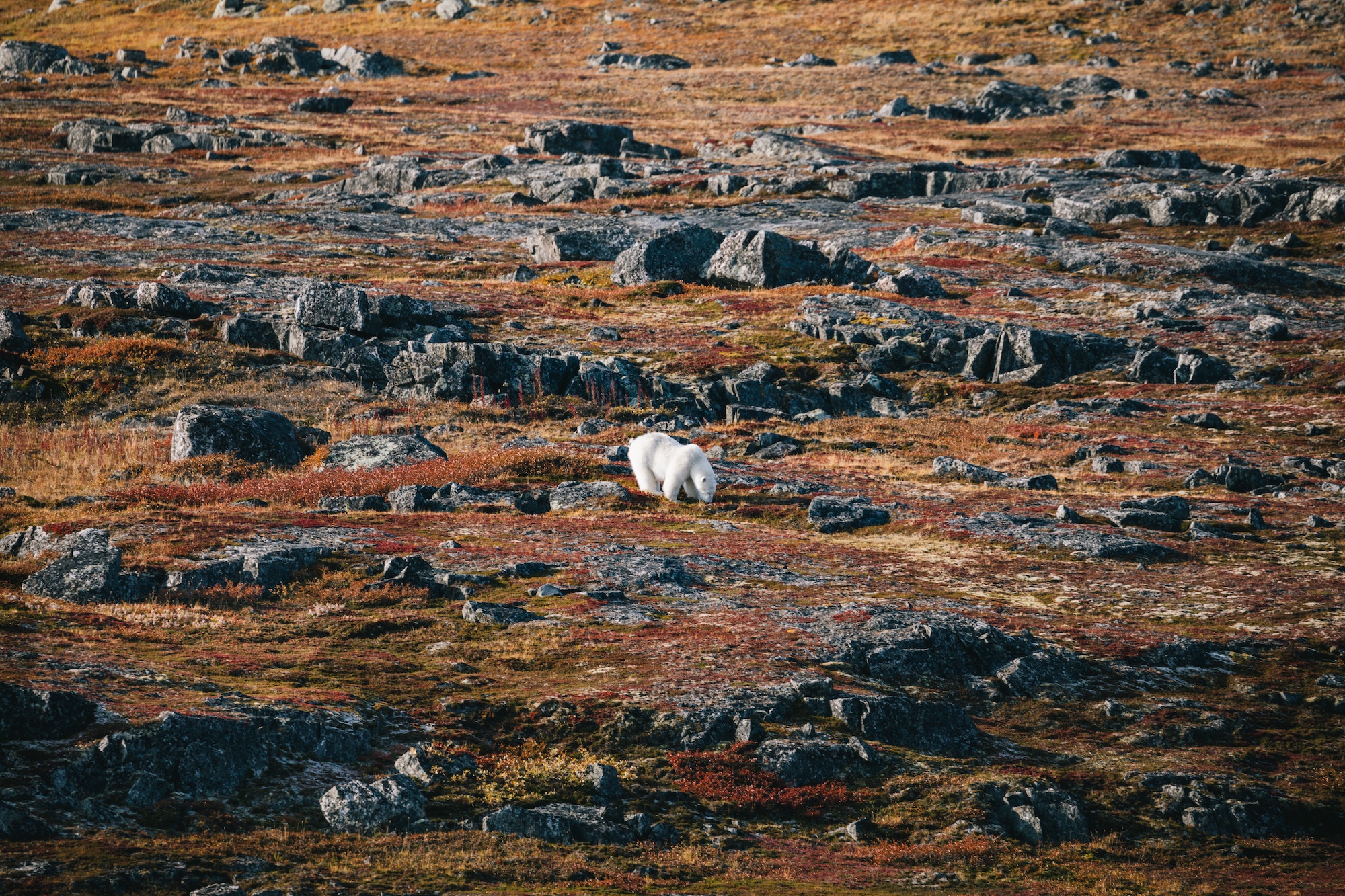
The evolution toward specialized, guide-led travel curation carries important implications for the future of sustainable tourism in fragile ecosystems. Industry analysts note that travelers who visit polar regions under the guidance of experienced naturalists and local experts are significantly more likely to become long-term advocates for environmental conservation and climate action.
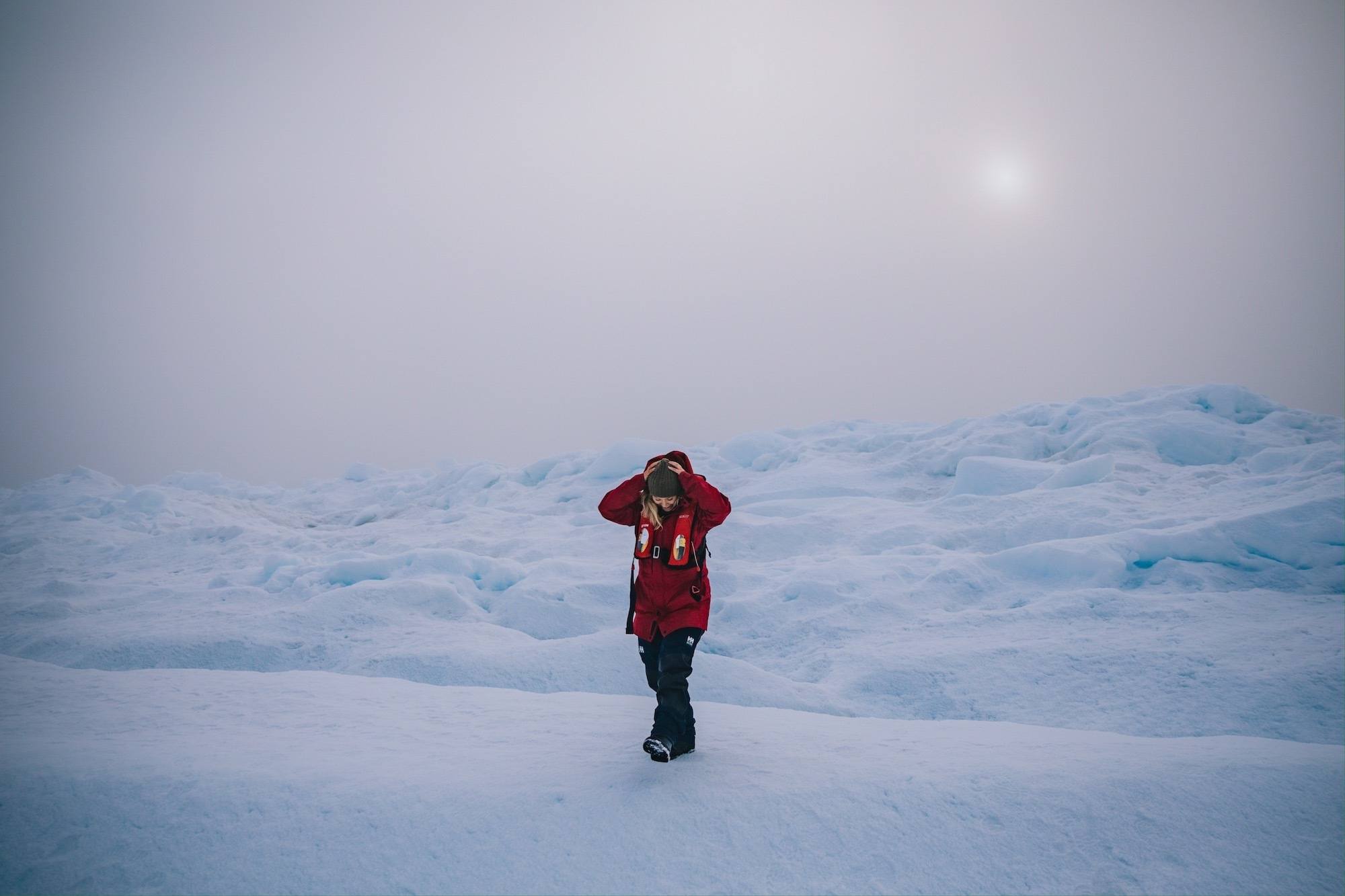
By shifting income streams away from volume-driven digital advertising and toward direct, experience-based travel planning, professionals in the tourism sector are signaling a preference for quality over quantity. This model not only fosters a more sustainable economic framework for independent creators but also ensures that travelers are better prepared, more respectful of local cultures, and deeply educated on the environmental sensitivities of the polar regions they visit. As demand for remote, nature-based travel continues to grow, the integration of expert curation and hands-on expedition leadership is expected to play a pivotal role in shaping responsible tourism practices across the global north and south.