The Hidden Gatekeeper: How Cabotage Laws Shape the American Skies and Your Travel Experience

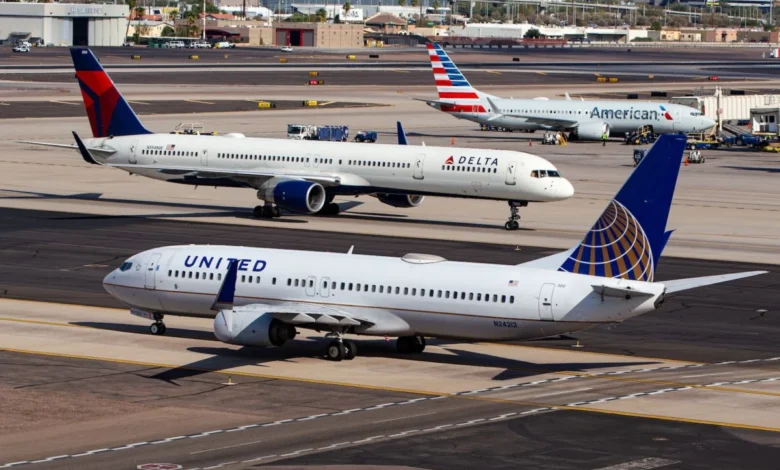
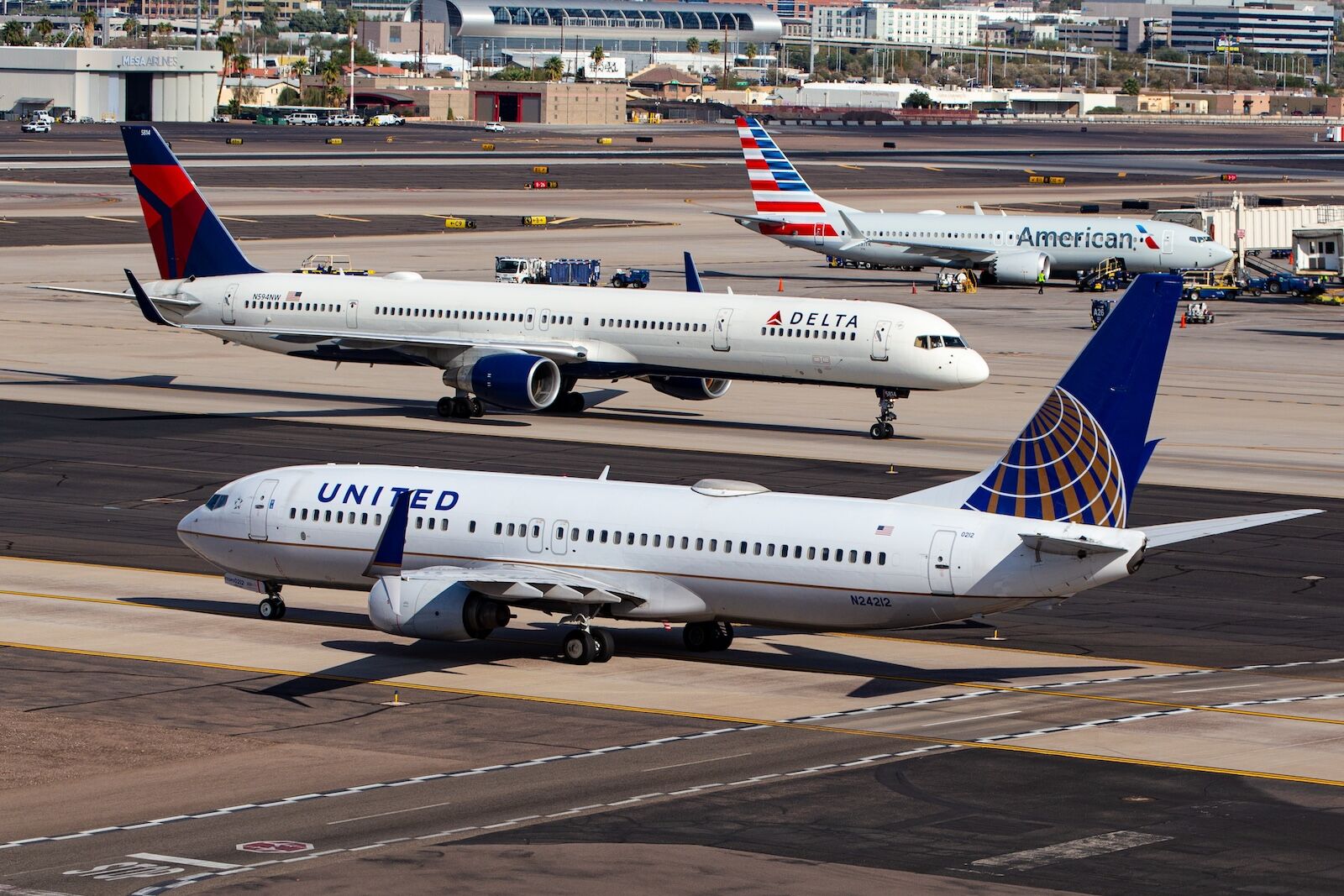
For the average American traveler, the experience of booking a flight is often defined by a familiar, repetitive set of options. Whether flying from New York to Los Angeles or Chicago to Miami, the same "Big Four" carriers—United, Delta, American, and Southwest—dominate search results, pricing, and the overall passenger experience. While many travelers attribute this limited choice to market consolidation, there is a deeper, legal architect at work: a little-known aviation regulation known as cabotage.
Cabotage is a legal term that broadly refers to the transport of goods or passengers between two points within the same country by an operator from a foreign nation. In the context of global aviation, it prevents non-U.S. airlines from carrying domestic passengers. While an Emirates flight can transport a passenger from Dubai to New York, that same aircraft is strictly prohibited from picking up passengers in New York to fly them to Los Angeles. This barrier effectively walls off the U.S. domestic market from international competition, insulating domestic carriers from the competitive pressures faced by their peers in more open aviation markets.
The Origins of Protectionism
The term itself traces its roots to the French word caboter, which translates roughly to "sailing along the coast." In the 16th century, the term was utilized to describe French protectionist laws designed to restrict coastal trade to domestic maritime companies. As global transportation evolved, the concept migrated from the sea to the sky.
The United States cemented this philosophy in federal law with the Air Commerce Act of 1926, the nation’s first major foray into aviation regulation. The act was explicit: "No foreign aircraft shall engage in interstate or intrastate air commerce." This mandate was not merely a product of early 20th-century nationalism; it was a deliberate strategy to nurture a nascent domestic industry.

Following the devastation of World War II, the global aviation landscape shifted. In 1944, representatives from 52 nations gathered in Chicago to establish the Convention on International Civil Aviation, commonly known as the Chicago Convention. This historic agreement codified the rules of the air, including the principle that nations maintain absolute sovereignty over their own airspace. Crucially, the convention provided the legal framework that allowed countries to prohibit foreign carriers from conducting domestic operations. The U.S. fully embraced this authority, eventually enshrining these restrictions in the Federal Aviation Act of 1958, a statute that remains the backbone of American aviation law today.
A Chronology of Consolidation
The current state of the U.S. airline industry cannot be attributed solely to cabotage, but the law has acted as a protective barrier during a period of massive industry consolidation. The trajectory toward the "Big Four" dominance began in earnest in the early 21st century.
Between 2008 and 2013, the U.S. aviation sector underwent a radical transformation. Through a series of high-profile mergers—most notably Delta’s acquisition of Northwest, United’s merger with Continental, and American’s integration of US Airways—the number of major national carriers plummeted. According to a 2026 report from the non-partisan Government Accountability Office (GAO), this period created the highly concentrated market that defines today’s travel landscape, with these four entities now controlling more than 75 percent of the domestic market share.
This consolidation has occurred against a backdrop of increasing passenger dissatisfaction. The 2025 Skytrax World Airline Awards, which aggregate passenger satisfaction data from across the globe, saw no U.S. airline break into the top 20. Conversely, the top 10 list was populated by international carriers such as Qatar Airways, Singapore Airlines, and Emirates—airlines based in nations where domestic aviation markets are either non-existent due to geography or significantly more open to international competition.
The Economic Debate: National Security vs. Market Efficiency
The debate surrounding cabotage is fundamentally a clash between two competing philosophies: the prioritization of national industrial security and the belief in the power of free-market competition.
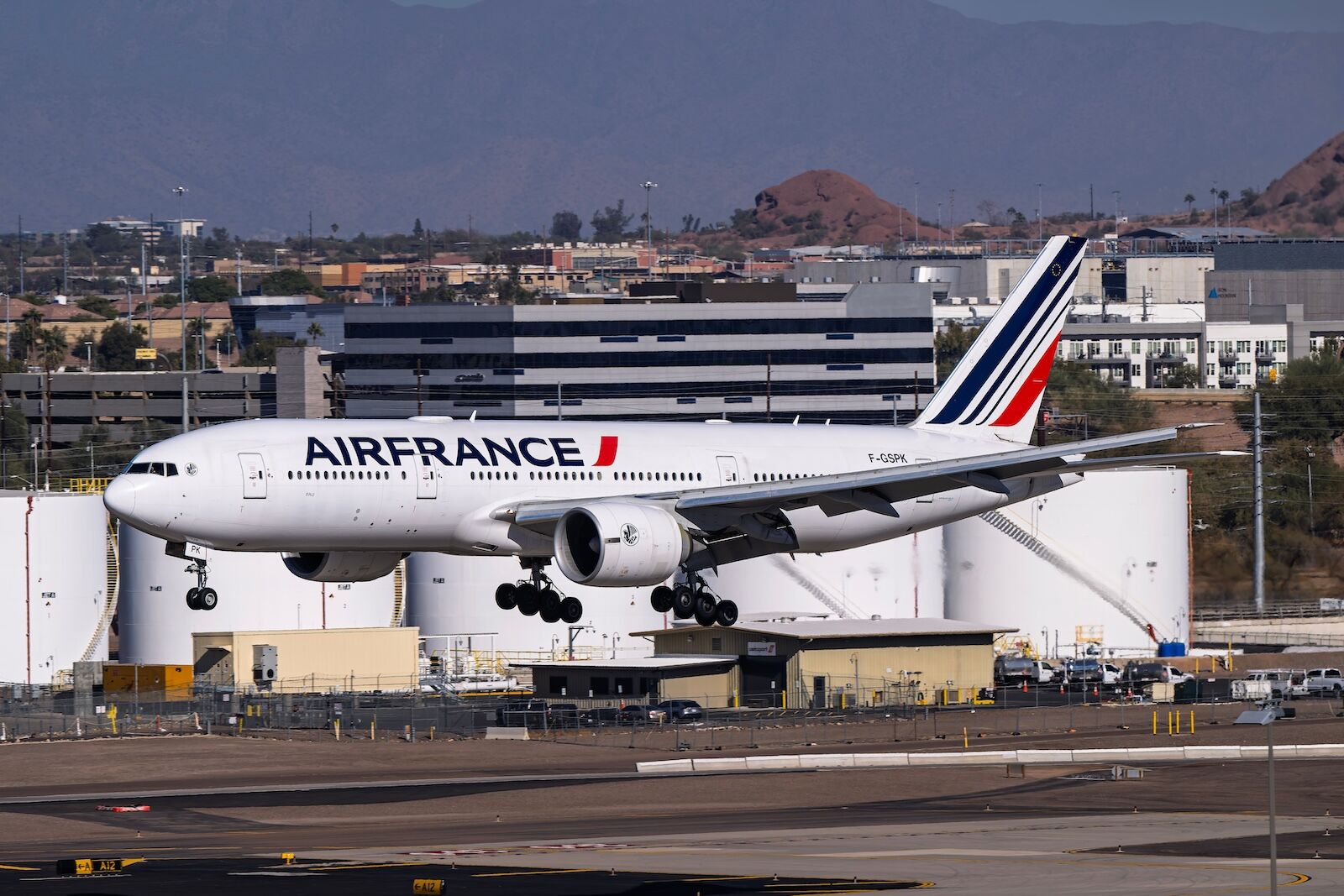
Supporters of the status quo argue that aviation is a vital strategic asset. The Civil Reserve Air Fleet (CRAF) program, managed by the Department of Transportation and the Department of Defense, allows the U.S. military to access commercial aircraft during national emergencies. Proponents argue that by shielding domestic airlines from foreign competition, the government ensures a stable, U.S.-controlled fleet that remains available for national defense. Furthermore, labor unions, such as the Air Line Pilots Association (ALPA), argue that cabotage protects hundreds of thousands of American jobs. They contend that if foreign airlines—many of which are heavily subsidized by their home governments or operate under lower labor cost structures—were permitted to enter the U.S. domestic market, it would trigger a "race to the bottom" in wages and safety standards.
Conversely, critics argue that the protectionism of cabotage harms the very consumers it is meant to serve. The argument is centered on the basic economic principle that competition drives down prices and improves quality. When the number of carriers on a route is artificially restricted, there is less incentive for airlines to improve on-time performance or invest in the passenger experience.
Data from the Justice Department and various academic studies support the assertion that competition is the primary driver of quality. One study cited in the 2026 GAO report found that when a route’s airline count drops from three to two, average delays increase by 25 percent, while cancellation rates rise by seven percent. Critics argue that by preventing global leaders from competing in the U.S., the American public is forced to accept higher fares and lower service quality compared to international travelers who have access to a broader, more competitive array of airlines.
Comparative Connectivity: A Global Perspective
The disparity in competition is stark when comparing U.S. airports to global hubs. Istanbul Airport is currently serviced by 116 international airlines; Hong Kong, roughly 140; and Dubai, over 100. These figures stand in sharp contrast to the largest American airports. San Francisco International Airport (SFO) lists 57 airlines, but only 12 are domestic, and many of the foreign carriers are limited strictly to international arrivals and departures. Hartsfield-Jackson Atlanta International, frequently cited as the world’s busiest airport, hosts only 28 total carriers.
This limitation means that for most domestic American routes, there is no "foreign option." Even if a traveler prefers the service standards of a top-tier international carrier, they are legally required to use a U.S. carrier for domestic segments.
Future Implications and Legislative Outlook
Changing cabotage laws would be a monumental legislative challenge. It would require the renegotiation of international treaties and a fundamental shift in how the U.S. manages its transportation infrastructure. For now, the legal barrier remains largely unchallenged in the halls of Congress, as the political influence of domestic airlines and their labor partners remains robust.
However, the conversation is shifting. As the gap in service quality between U.S. carriers and their international counterparts widens, public pressure for increased competition is growing. While there is no guarantee that repealing cabotage would lead to lower fares—as market entry costs and airport slot availability remain significant hurdles—many economists argue that the mere threat of foreign entry would force domestic airlines to become more efficient and responsive to consumer needs.
For the passenger, the impact of these laws remains, for the most part, an invisible weight on their travel experience. Every time a flight is delayed, or a ticket price remains stubbornly high despite increased demand, it serves as a subtle reminder of the protected, insulated nature of the American aviation market. As long as cabotage laws remain on the books, the U.S. aviation industry will continue to operate under a distinct set of rules—one that prioritizes the structural integrity of the domestic carrier system over the potential benefits of an unrestricted, globalized market. The question of whether that trade-off is worth the cost remains one of the most significant, yet least discussed, issues in American consumer policy.
Related posts: