Empowering Women and Driving Sustainable Growth: How the Tourism Sector Can Champion Global Inclusion

The global travel and tourism industry stands at a critical juncture regarding gender equality and workforce dynamics. Aligned with the International Women’s Day campaign theme, Inspire Inclusion, industry stakeholders, governments, and local communities are increasingly pressed to evaluate their structural frameworks to ensure equitable opportunities for women across all tiers of the sector. While tourism has historically served as a significant engine for employment, deep-seated structural disparities remain regarding wage distribution, leadership representation, and economic resilience. Addressing these disparities is not merely a matter of social equity; it is a fundamental operational necessity for long-term economic sustainability.
Background and Evolution of Gender Dynamics in Tourism
To understand the current state of gender representation in tourism, one must examine its historical and economic evolution over the past several decades. For generations, travel and hospitality relied heavily on informal labor structures, particularly within developing economies where tourism serves as a primary driver of regional GDP. Historically, employment generation was touted as tourism’s primary socio-economic benefit, yet little distinction was made regarding the quality or longevity of those jobs.
In 2019, pre-pandemic data compiled by the World Travel & Tourism Council (WTTC) indicated that women accounted for approximately 54 percent of the global tourism workforce. At a surface level, this statistic appeared to signal a progressive milestone, suggesting that the industry offered vast entry-level accessibility to female workers. However, subsequent granular analyses by the United Nations World Tourism Organization (UNWTO) revealed a starkly different reality. The vast majority of female tourism workers were concentrated in low-skilled, low-paying, and frequently informal positions—such as housekeeping, food preparation, and administrative support—while executive and C-suite leadership roles remained overwhelmingly male-dominated, with women holding only 19 to 25 percent of top-tier management positions.
The global economic shock triggered by the COVID-19 pandemic in 2020 disproportionately displaced these vulnerable populations. Because a significant percentage of female tourism workers operated within the informal economy without formal contracts, social safety nets, or paid leave, the sudden cessation of international travel devastated their livelihoods. This systemic vulnerability underscored the urgent need to transition from viewing women merely as a source of cheap, flexible labor to recognizing them as vital partners, managers, and enterprise leaders.
Quantitative Data and the Multiplier Effect of Female Empowerment
Extensive macroeconomic research underscores the profound ripple effects of investing in women, particularly within developing regions where tourism intersects with community development. Data compiled by Kiva, a prominent international microfinance organization, reveals that women consistently reinvest up to 80 percent of their earned income into the health, nutrition, and education of their children and broader households. This behavioral trend creates a powerful generational multiplier effect.
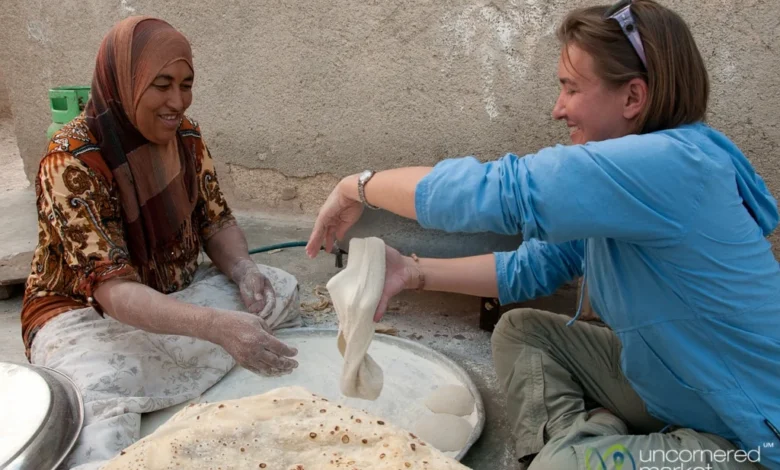
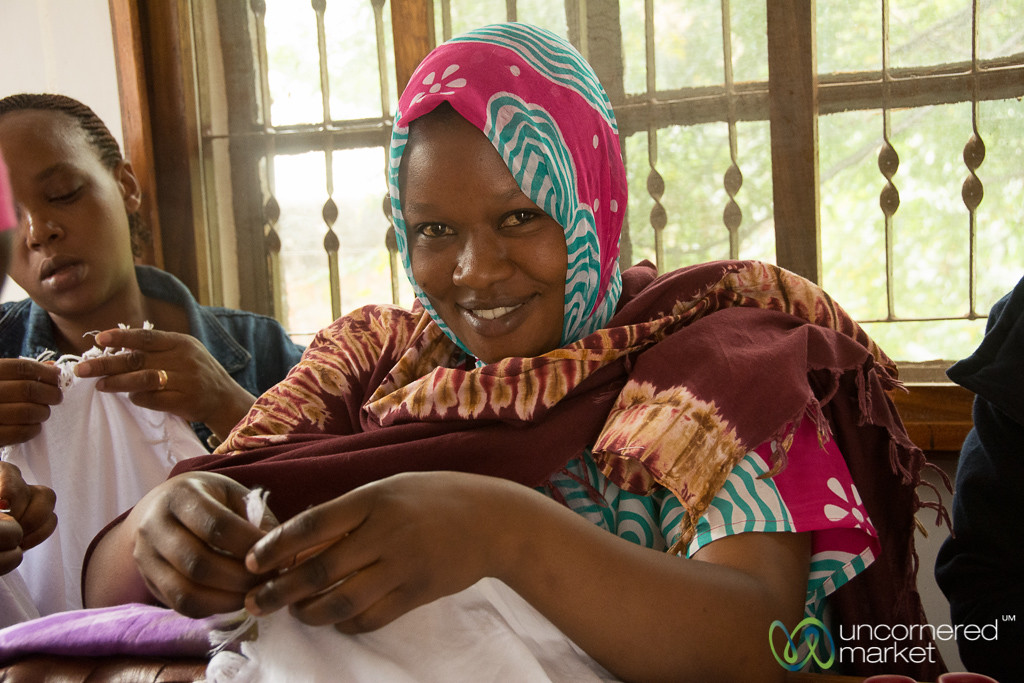
Complementary studies published by UN Women indicate that female-led economic empowerment directly correlates with accelerated local GDP growth, higher rates of female literacy, and improved community health indices. In the context of tourism, this dynamic transforms travel enterprises from transactional businesses into catalysts for sustainable regional development. Initiatives that provide women with formal business training, financial literacy, and direct market access for handicrafts or cultural services—such as the Moshi Mamas program in Tanzania or the Zikra Initiative in Jordan—demonstrate how targeted economic integration breaks generational cycles of poverty and elevates entire communities.
Industry Perspectives and Strategic Interventions

Global tourism organizations and advocacy groups have increasingly vocalized the need for systemic reform. Alessandra Alonso, founder of Women in Travel, frequently emphasizes that economic empowerment serves as the foundational cornerstone for broader societal advancement. When women secure stable, equitable incomes, household stability immediately improves, transforming the socio-economic fabric of local destinations.
Achieving this vision requires deliberate structural interventions across multiple operational pillars within the travel sector. Industry analysts and sustainable tourism advocates recommend several practical mechanisms:
- Prioritizing Procurement and Supply Chains: Tourism operators, from multinational hotel chains to boutique tour agencies, must consciously source goods, services, and handicrafts from women-owned enterprises and local social cooperatives.
- Expanding Leadership Pathways: Corporate governance frameworks within travel organizations must establish transparent mentorship, sponsorship, and professional development programs designed to propel women from operational roles into executive and board-level positions.
- Formalizing Informal Labor: Governments and industry associations must collaborate to bring informal tourism workers—such as independent artisans, home-stay operators, and local guides—into the formal economy, providing legal protections, fair wages, and access to financial credit.
- Cultivating Inclusive Guiding and Operations: Forward-thinking enterprises are actively challenging traditional gender roles within field operations. Notable examples include ecotourism lodges in Africa that have trained and deployed all-women guiding teams, successfully defying regional stereotypes and demonstrating exceptional operational competence.
The Business Case for Gender Diversity in the Travel Sector
Beyond ethical imperatives, a robust commercial rationale supports the integration of women into all levels of the tourism workforce. Decades of corporate research, including comprehensive studies by McKinsey & Company, consistently demonstrate that organizations exhibiting high levels of gender diversity at the executive and board levels financially outperform their less-diverse competitors. Diverse leadership teams foster collective intelligence, introduce varied perspectives, and enhance creative problem-solving capabilities within corporate structures.
Furthermore, consumer market dynamics strongly favor inclusive business models. Within the travel and tourism industry, market research estimates that women drive between 70 and 80 percent of all consumer travel purchasing decisions, whether booking family vacations, solo expeditions, or group tours. Companies that lack internal gender diversity may struggle to fully comprehend, anticipate, and cater to the nuanced preferences and safety requirements of their core consumer base. Aligning workforce demographics with consumer demographics represents a logical, profit-maximizing strategy for modern travel brands.

Broader Implications and Future Outlook
As the global community reflects on initiatives like International Women’s Day and the ongoing mandate to inspire inclusion, the travel and tourism sector faces a definitive choice. Embracing inclusivity requires moving beyond tokenistic marketing campaigns and temporary observances toward sustained, measurable corporate actions.
If travel companies, policymakers, and destination management organizations successfully institutionalize these principles, women will no longer occupy the margins of the tourism economy. Instead, they will be equipped with the resources, authority, and institutional support necessary to steer the industry toward a more equitable, resilient, and sustainable future. The realization of this inclusive vision promises not only to elevate individual lives and communities, but to fulfill the highest ideals of mindful and transformative global travel.