Comprehensive Guide to the Best United States National Parks for Family Travel and Educational Exploration

The United States National Park System, encompassing 63 designated national parks and hundreds of protected sites, serves as a cornerstone of American conservation and a primary destination for domestic and international family tourism. According to the National Park Service (NPS), these protected areas saw over 325 million recreation visits in 2023, highlighting their enduring appeal as centers for recreation, education, and ecological preservation. For families, the parks offer a unique intersection of natural history and outdoor activity, facilitated by standardized programs such as the Junior Ranger initiative, which encourages environmental stewardship among children aged 5 to 12.
As the Department of the Interior continues to prioritize accessibility and conservation, understanding the specific attributes and historical contexts of these parks is essential for planning effective educational travel. The following analysis examines the top national parks for families, organized by their founding chronology to provide a perspective on the evolution of the American wilderness movement.
The Foundation of Conservation: Yellowstone and the Sierra Nevada Giants
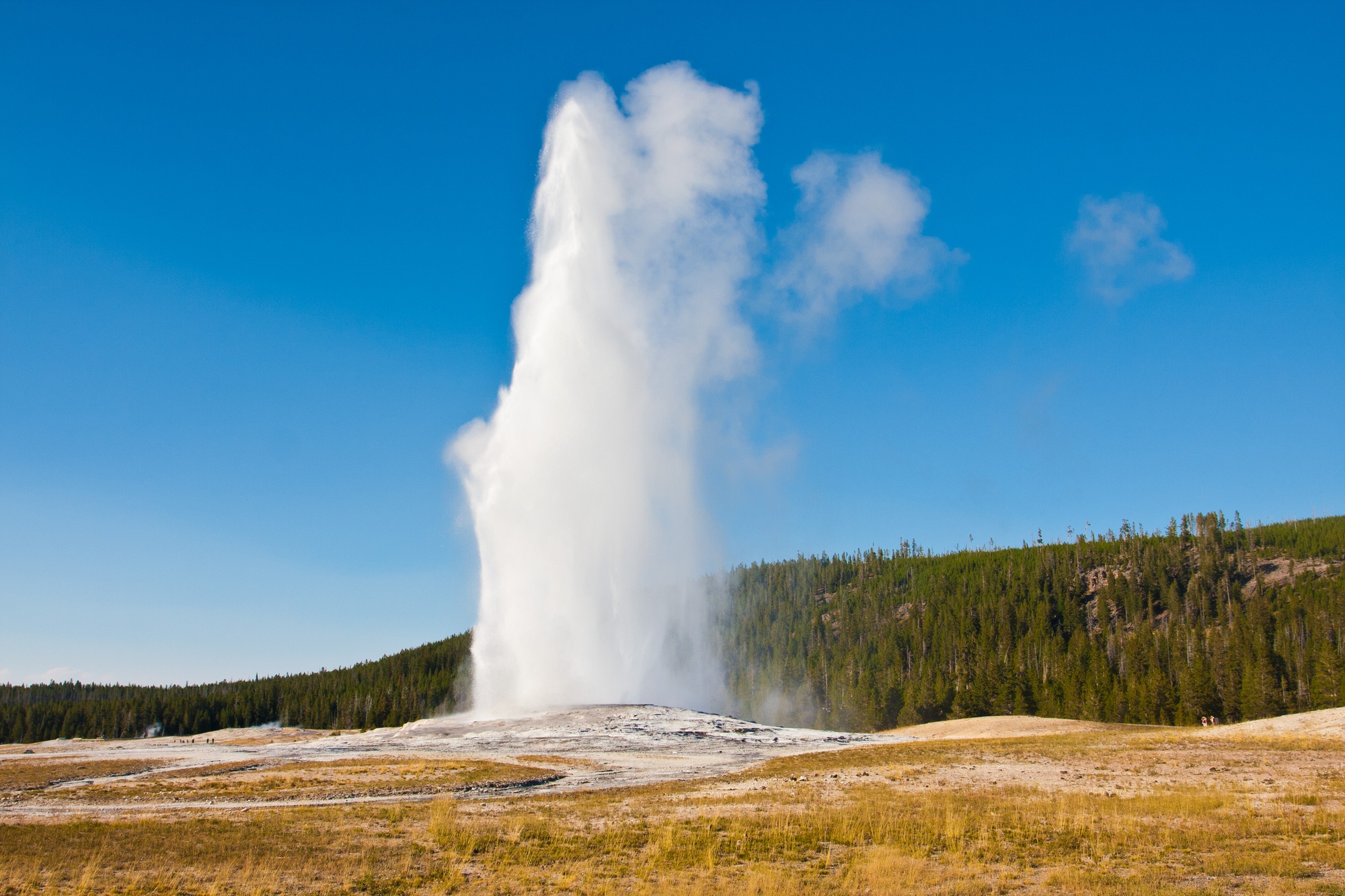
The history of the modern national park concept began on March 1, 1872, when President Ulysses S. Grant signed the Yellowstone National Park Protection Act. Yellowstone, spanning Wyoming, Montana, and Idaho, remains the quintessential family destination due to its unique geothermal features and dense wildlife populations. Often referred to as the "Serengeti of the West," the park provides a habitat for grizzly bears, wolves, bison, and elk. For families, the accessibility of major landmarks like Old Faithful and the Grand Prismatic Spring via paved boardwalks ensures that even those with limited mobility or young children in strollers can engage with the landscape.
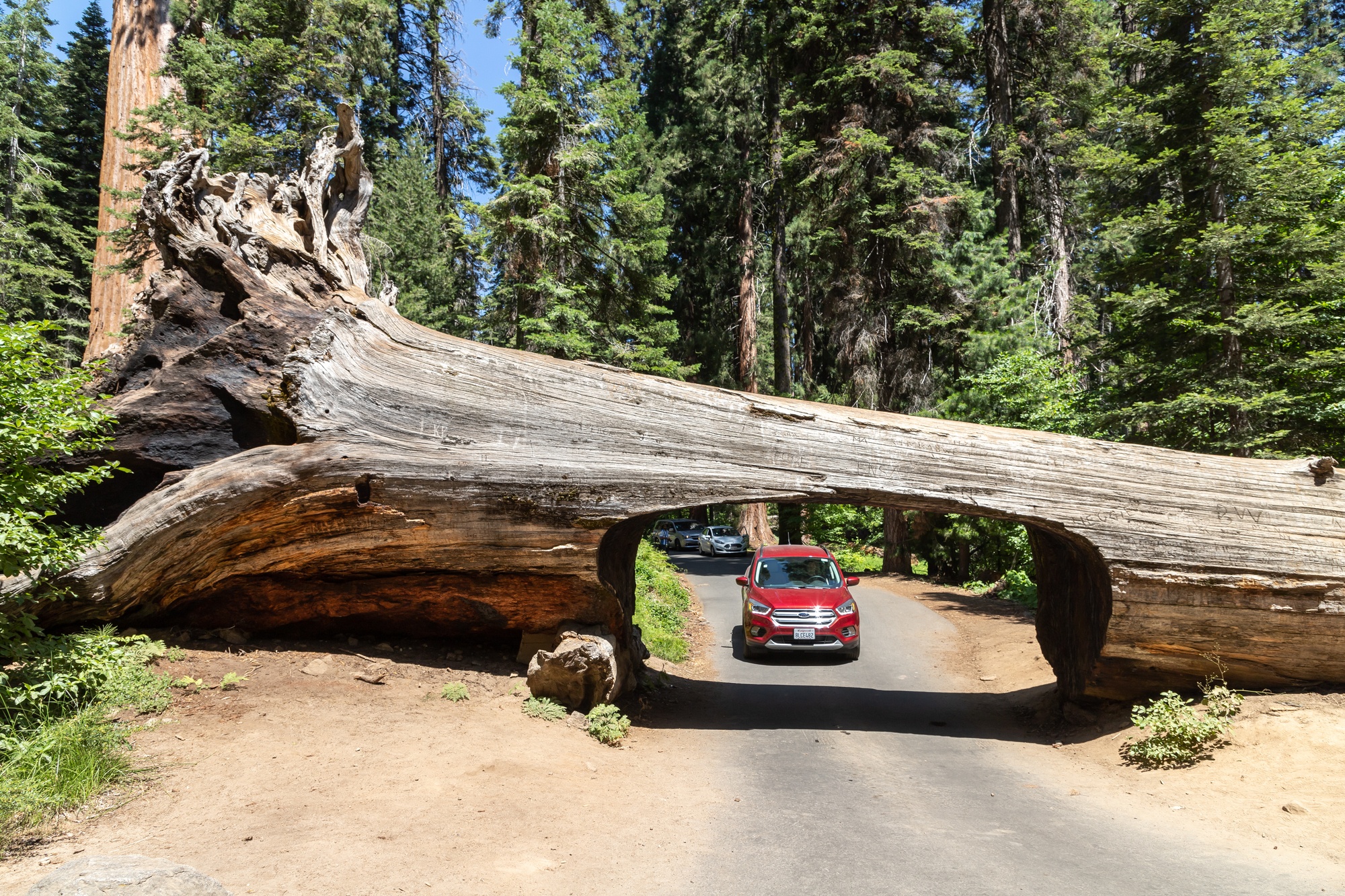
Following Yellowstone, the preservation movement shifted to the Sierra Nevada mountains in California. Sequoia National Park (established in 1890) and the adjacent Kings Canyon National Park are home to the world’s largest trees by volume. The General Sherman Tree and the General Grant Tree serve as living monuments to longevity and resilience. These parks offer subterranean exploration at Crystal Cave and scenic drives such as the Kings Canyon Scenic Byway, providing a verticality of experience from deep canyons to high-altitude groves.
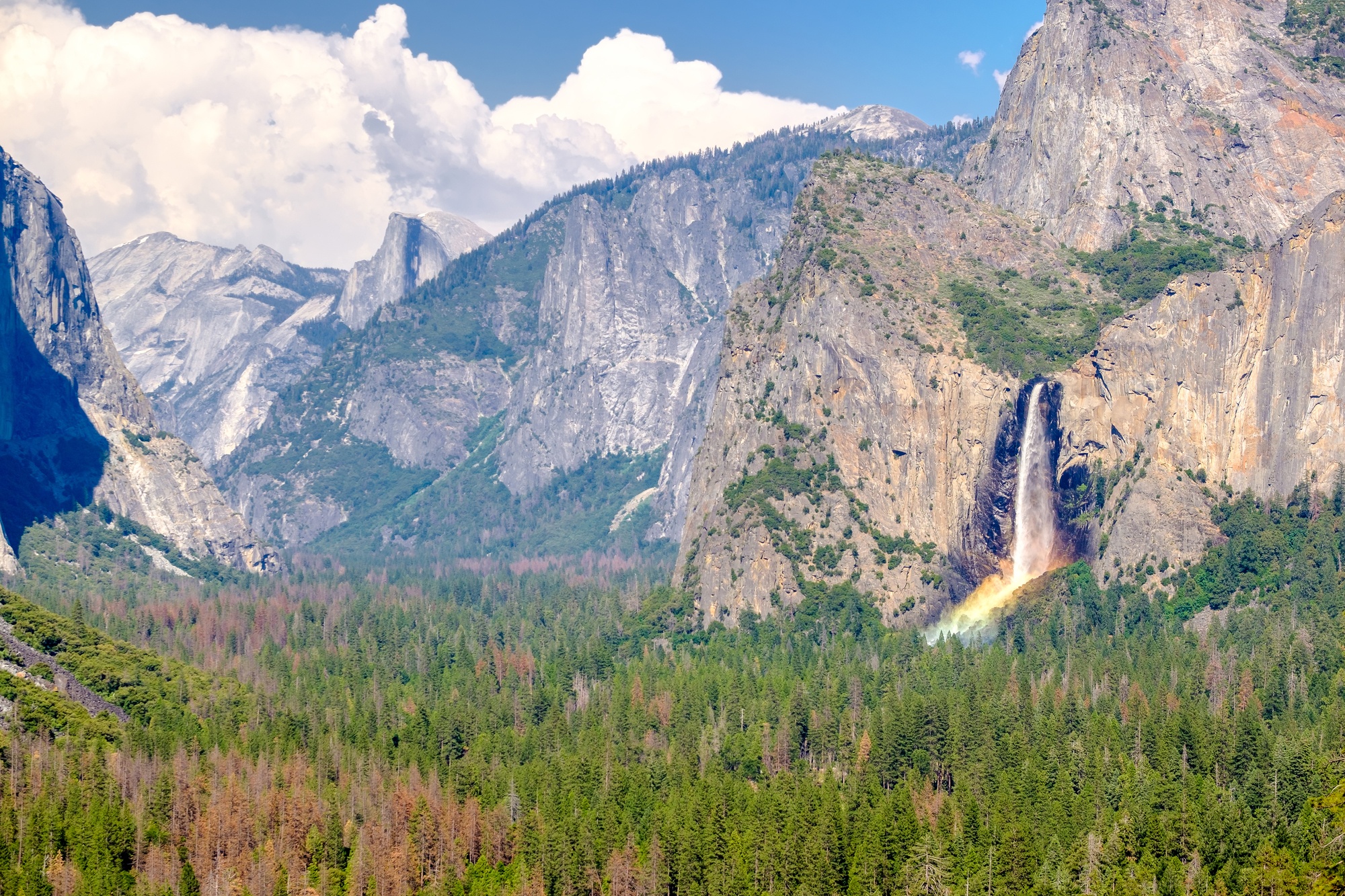
Yosemite National Park, also established in 1890, represents a landmark in glacial geology. Carved over millennia, the Yosemite Valley is framed by iconic granite monoliths such as El Capitan and Half Dome. For families, the park’s infrastructure supports a wide range of activities, from biking the valley floor to viewing North America’s tallest waterfall, Yosemite Falls. The park’s commitment to education is evident in its robust ranger-led programs, which translate complex geological processes into accessible lessons for younger visitors.
Cultural Preservation and Extreme Landscapes: Mesa Verde to Hawaii Volcanoes
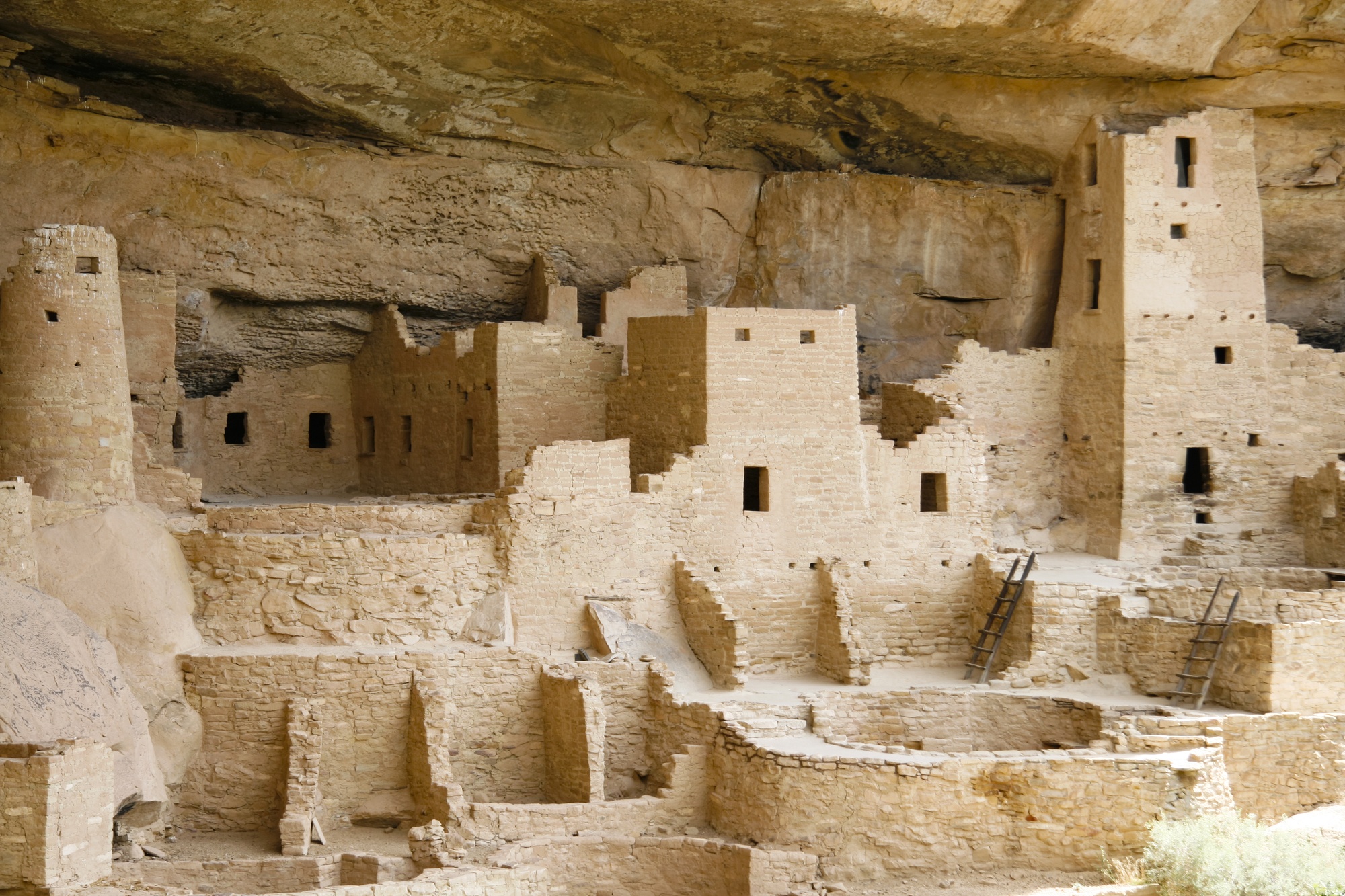
In 1906, the focus of the NPS expanded to include archaeological heritage with the establishment of Mesa Verde National Park in Colorado. This site was the first to be protected specifically for the "works of man," preserving nearly 5,000 archaeological sites, including 600 cliff dwellings built by the Ancestral Pueblo people between 600 and 1300 CE. Families visiting Mesa Verde gain insight into pre-Columbian history through guided tours of Cliff Palace and Balcony House, which require physical engagement such as climbing ladders, making it a high-interest destination for older children.
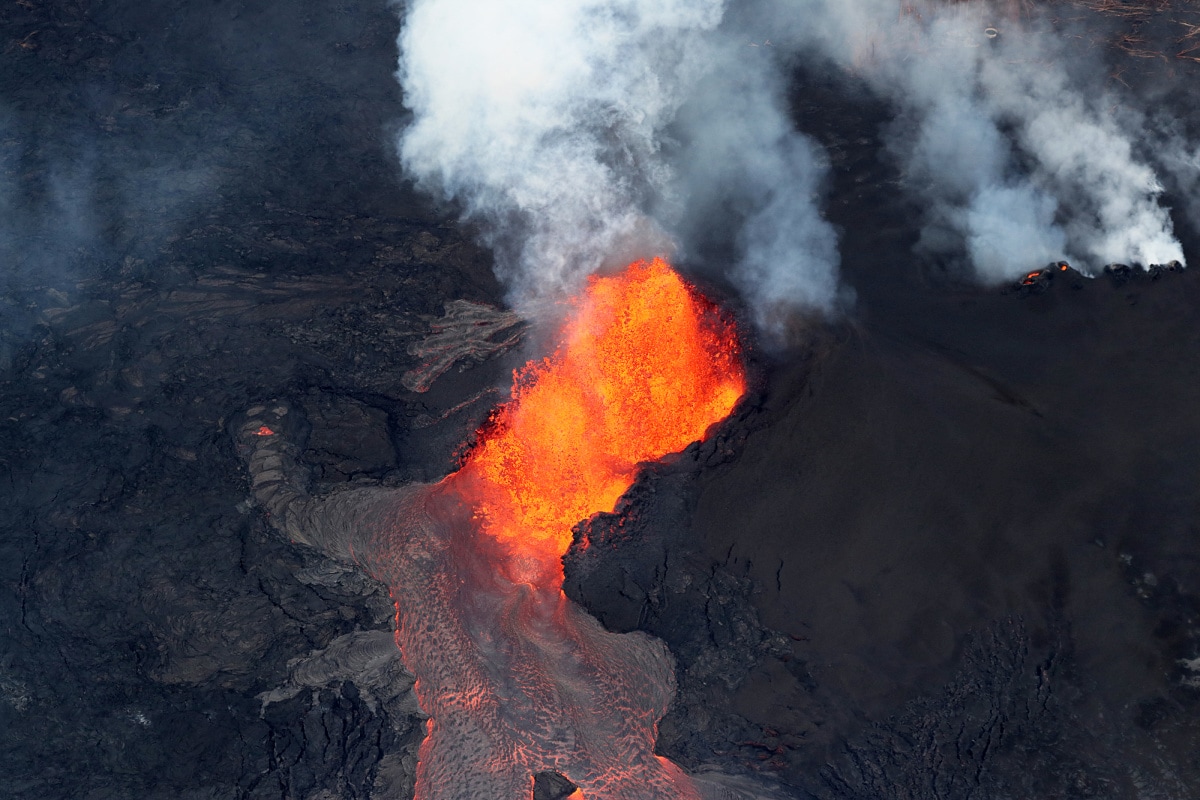
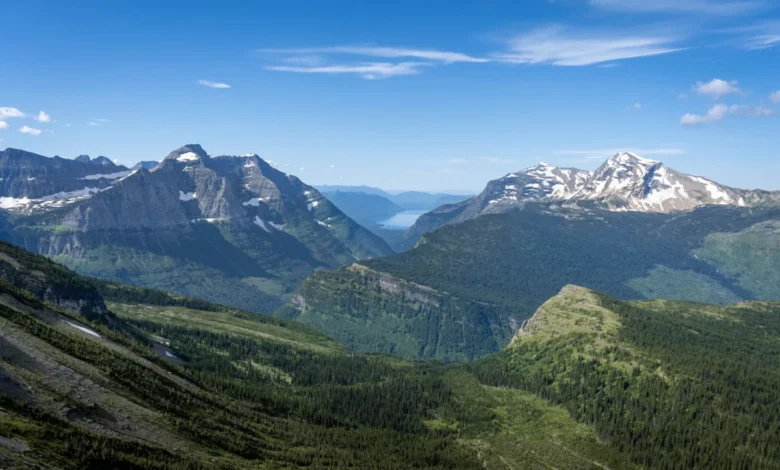
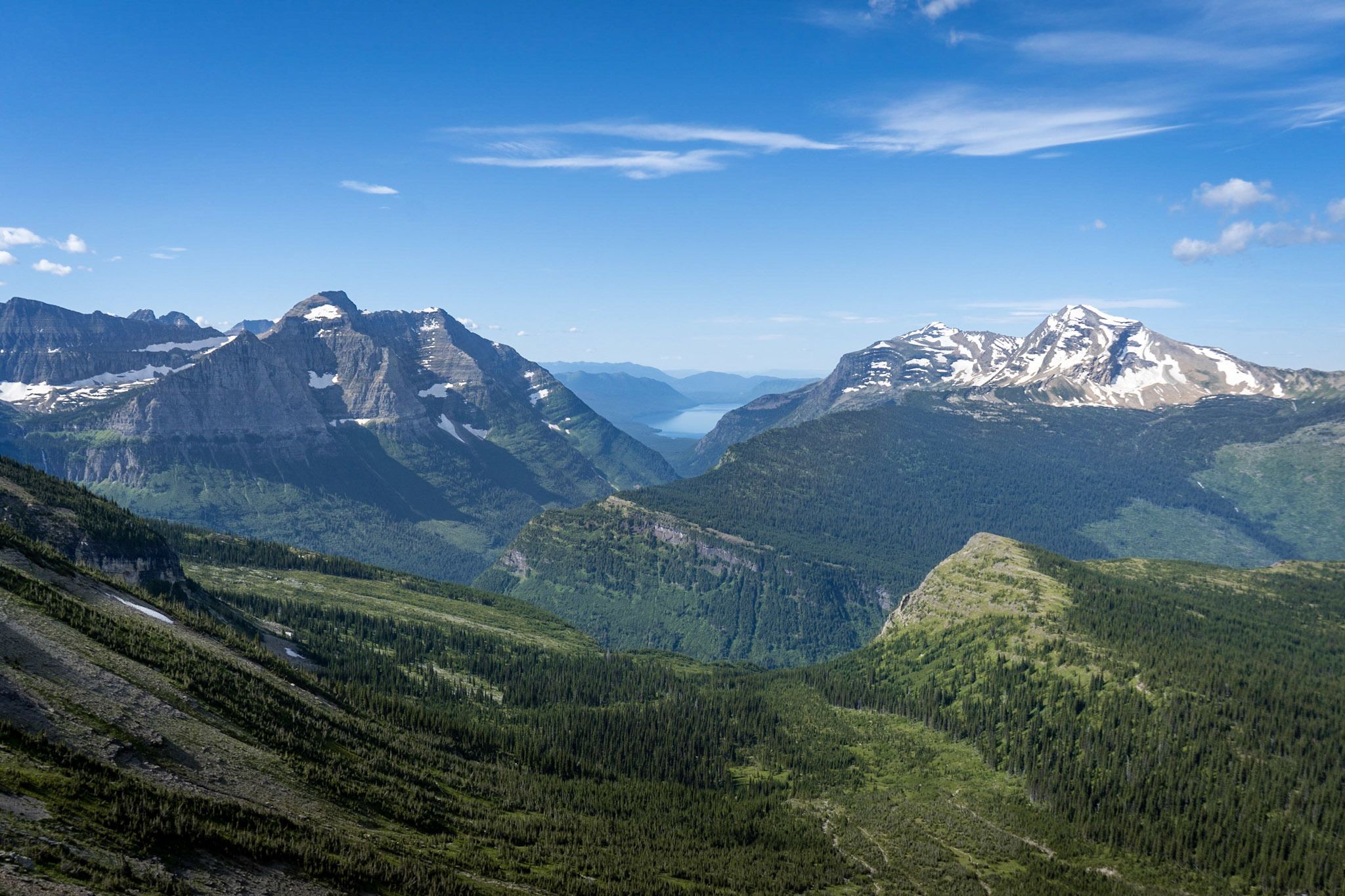
The early 20th century also saw the inclusion of Montana’s Glacier National Park (1910) and Hawaii Volcanoes National Park (1916). Glacier, often called the "Crown of the Continent," offers dramatic alpine scenery and the historic Going-to-the-Sun Road. In contrast, Hawaii Volcanoes provides a real-time look at planetary formation. Featuring two of the world’s most active volcanoes, Mauna Loa and Kilauea, the park allows families to walk through the Thurston Lava Tube and witness the raw power of volcanic activity. These parks underscore the diversity of the American landscape, from receding glaciers to emerging landmasses.
The Expansion of the Frontier: Denali and the Grand Canyon
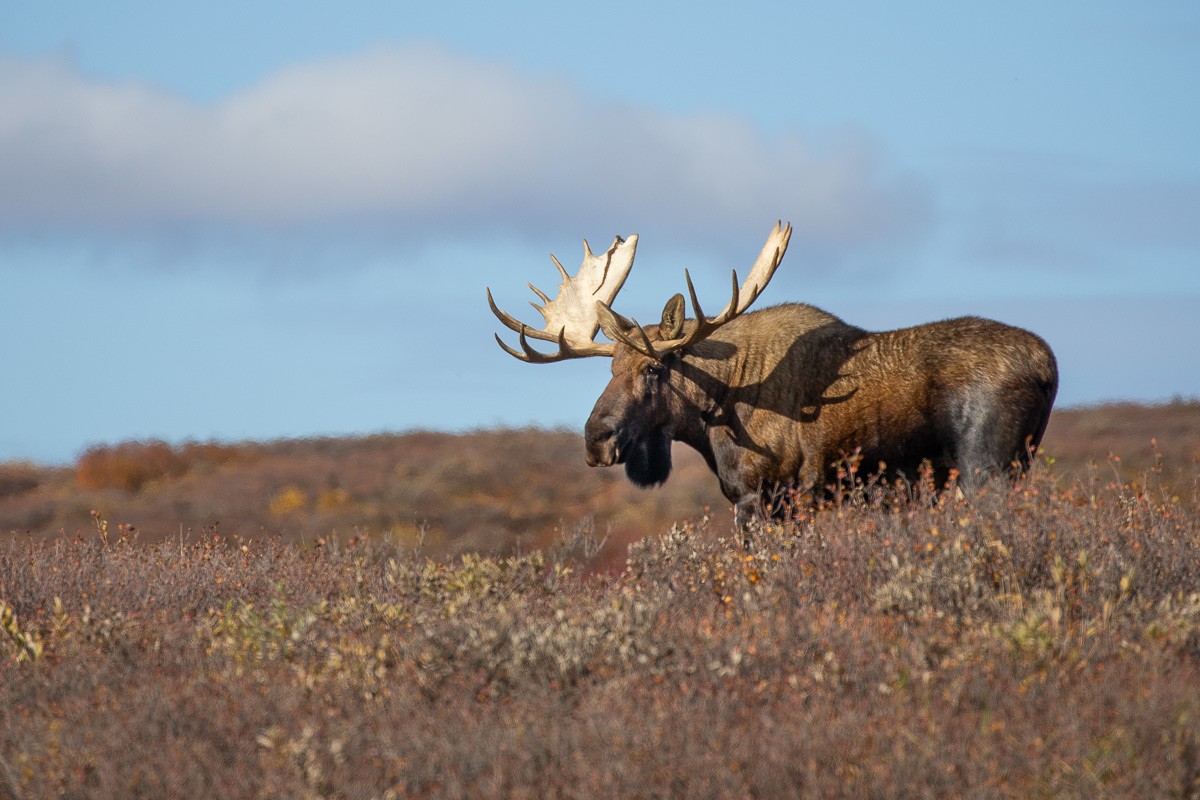
The establishment of Denali National Park in Alaska (1917) and Grand Canyon National Park in Arizona (1919) marked a period of protecting massive, awe-inspiring geographic features. Denali encompasses six million acres of wilderness and is dominated by North America’s highest peak. Due to its remote nature, family exploration is largely facilitated by the park’s bus system, which minimizes human impact while maximizing wildlife viewing opportunities for Dall sheep, caribou, and moose.
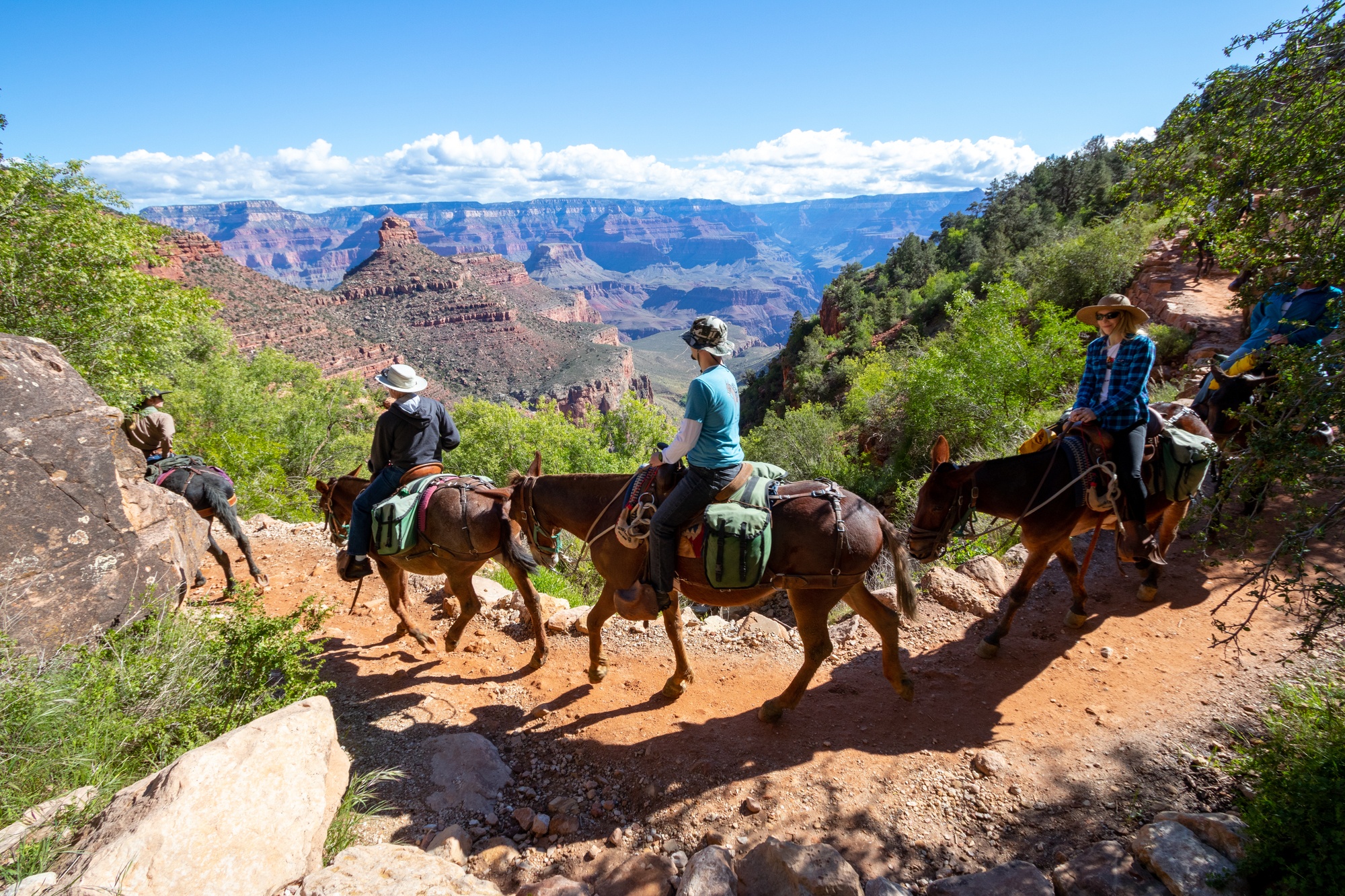
Grand Canyon National Park remains one of the most visited sites in the world. The canyon, which measures 277 miles long and up to 18 miles wide, provides a literal timeline of Earth’s history through its exposed rock layers. Families often utilize the South Rim’s Trail of Time, an interpretive walking path where every meter represents a million years of geological history. The park’s Junior Ranger program is particularly active here, helping children process the sheer scale of the canyon through structured observation.
Biological Diversity and Water-Based Ecosystems
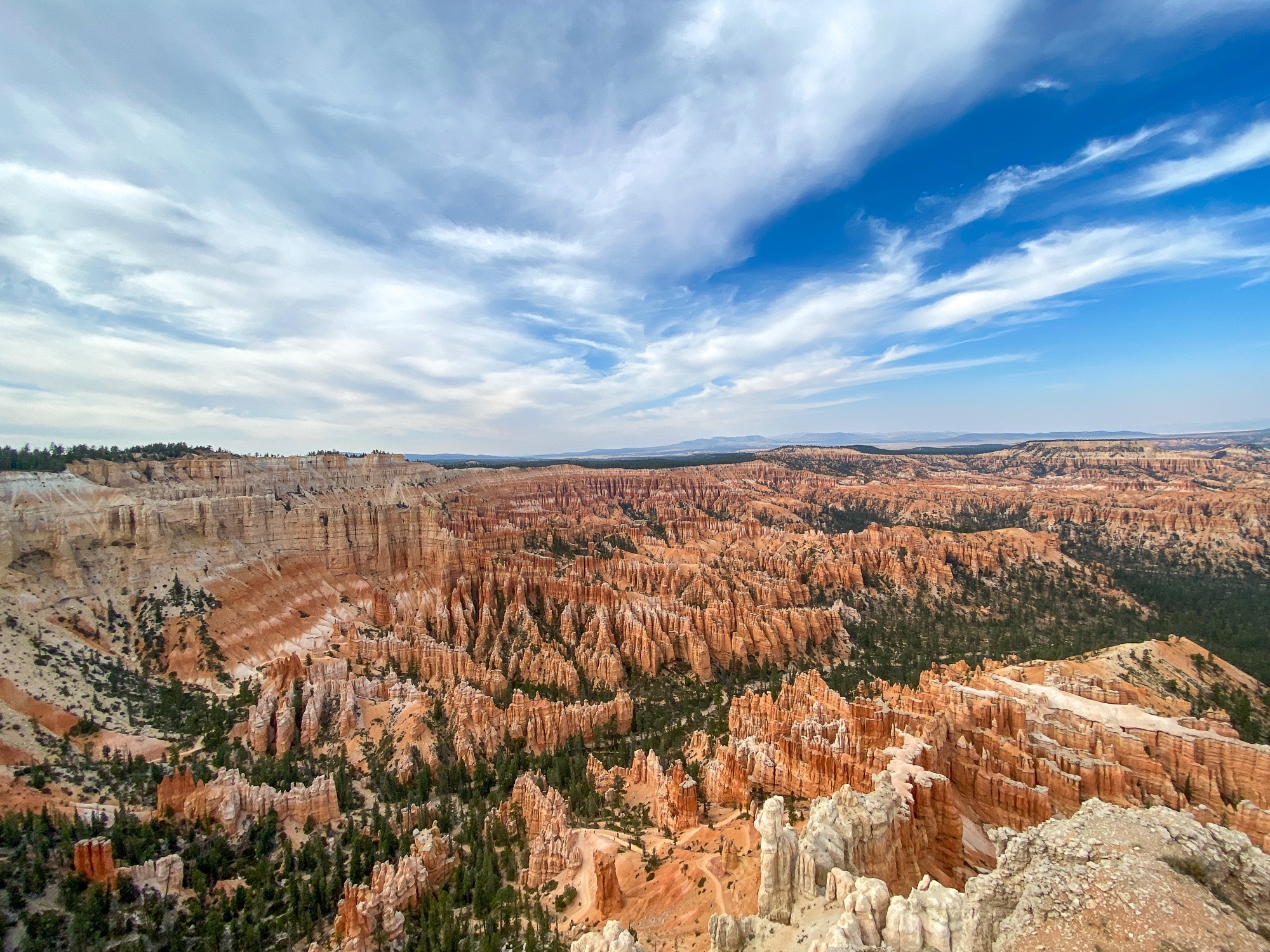
As the park system matured, protection efforts moved toward unique biological zones and aquatic environments. Bryce Canyon (1928) in Utah is famous for its "hoodoos"—tall, thin spires of rock—while the Everglades in Florida (1947) protects the largest subtropical wilderness in the United States. The Everglades is unique as the only place on Earth where alligators and crocodiles coexist. For families, airboat tours and the Shark Valley tram provide safe vantage points for observing these apex predators alongside manatees and diverse bird species.

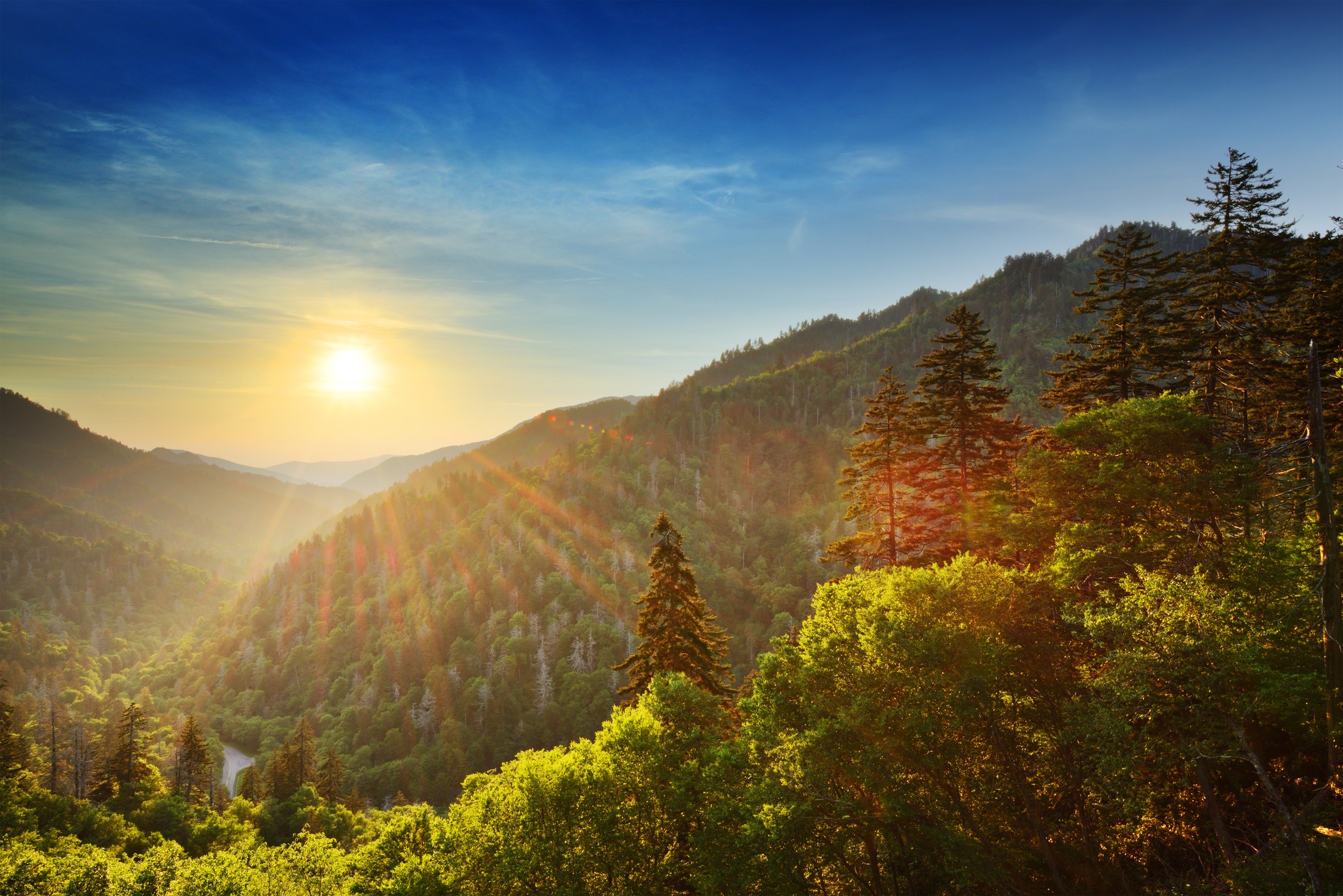
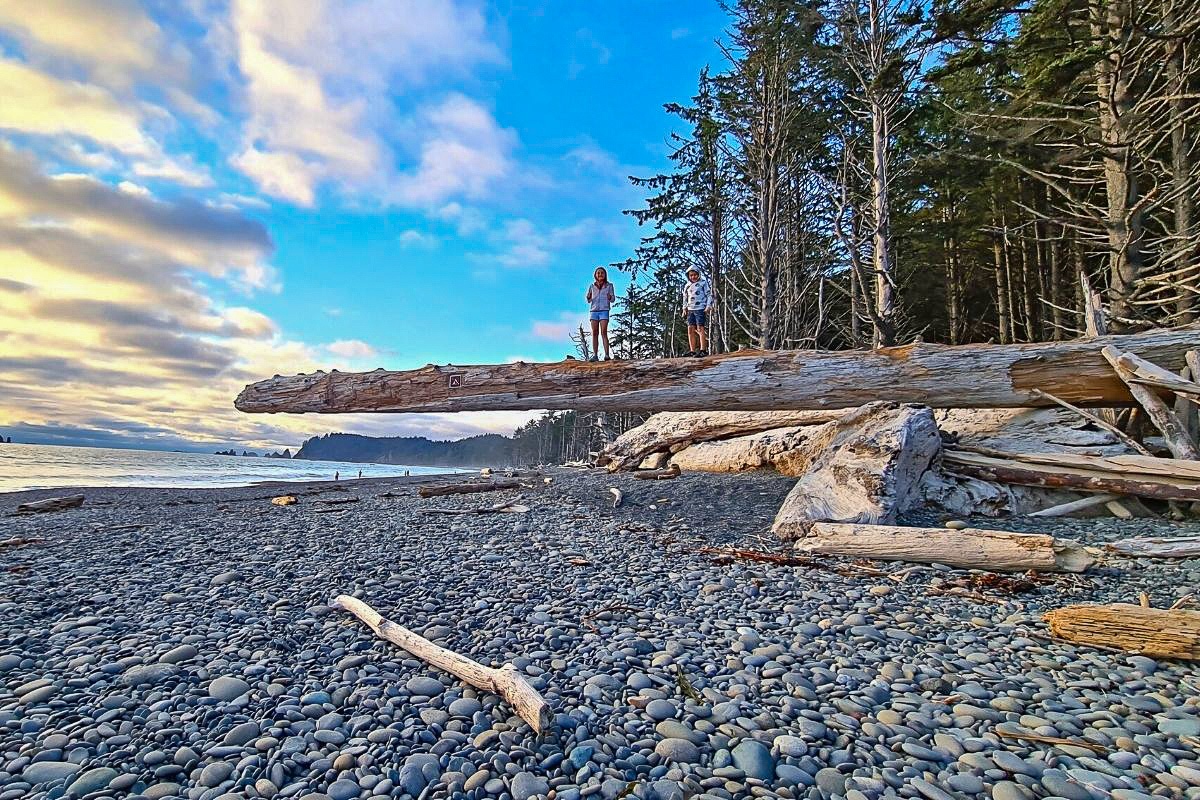
In the Pacific Northwest, Olympic National Park (1938) offers a trifecta of ecosystems: temperate rainforests, rugged coastlines, and subalpine peaks. The Hoh Rainforest, receiving over 12 feet of rain annually, provides a lush, "fairytale" environment that is particularly engaging for children. Meanwhile, Great Smoky Mountains National Park (1934), straddling North Carolina and Tennessee, has become the most visited park in the system. Its accessibility and abundance of salamanders—the park is the "Salamander Capital of the World"—make it a premier site for biological education.
Remote Adventures and Modern Additions
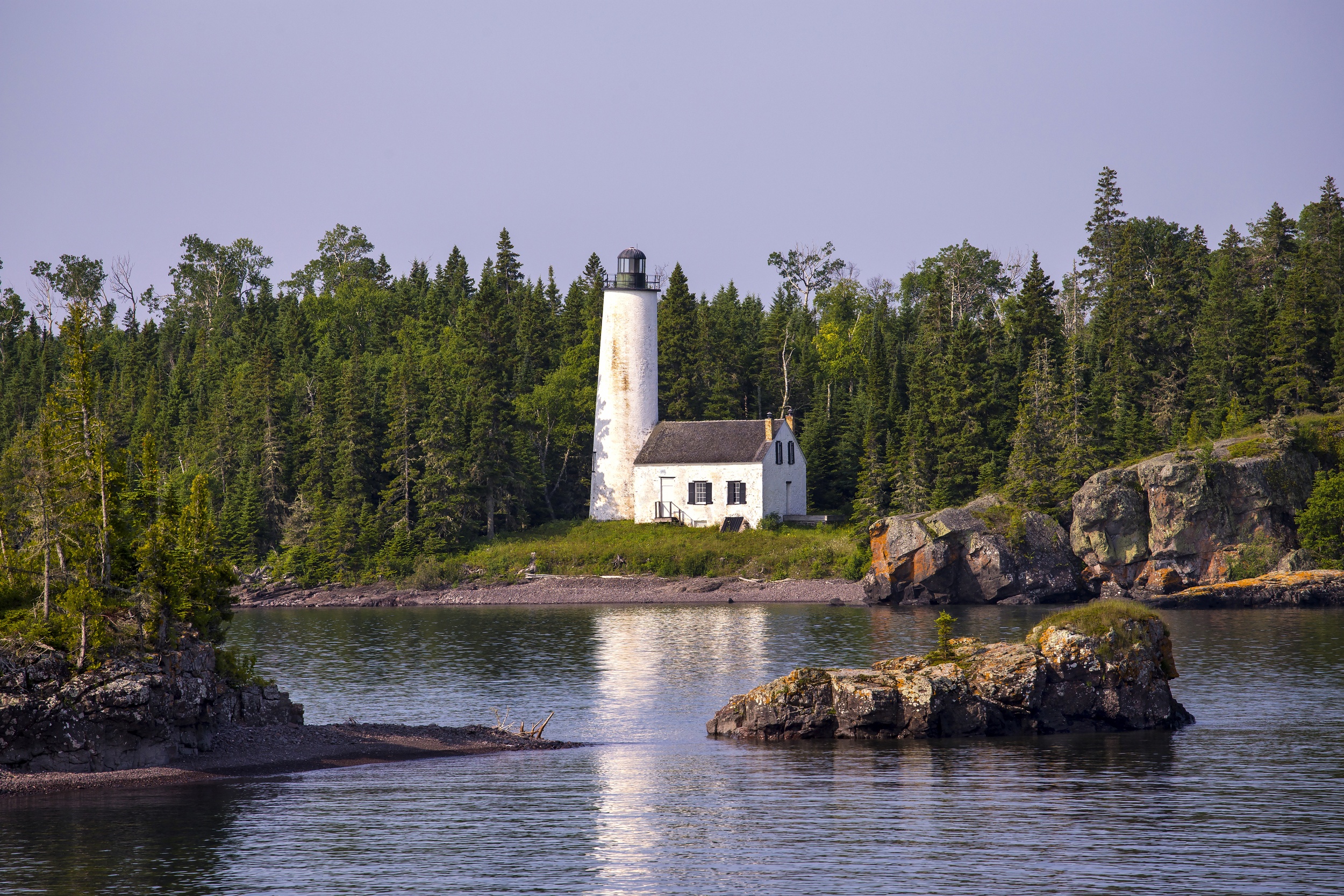
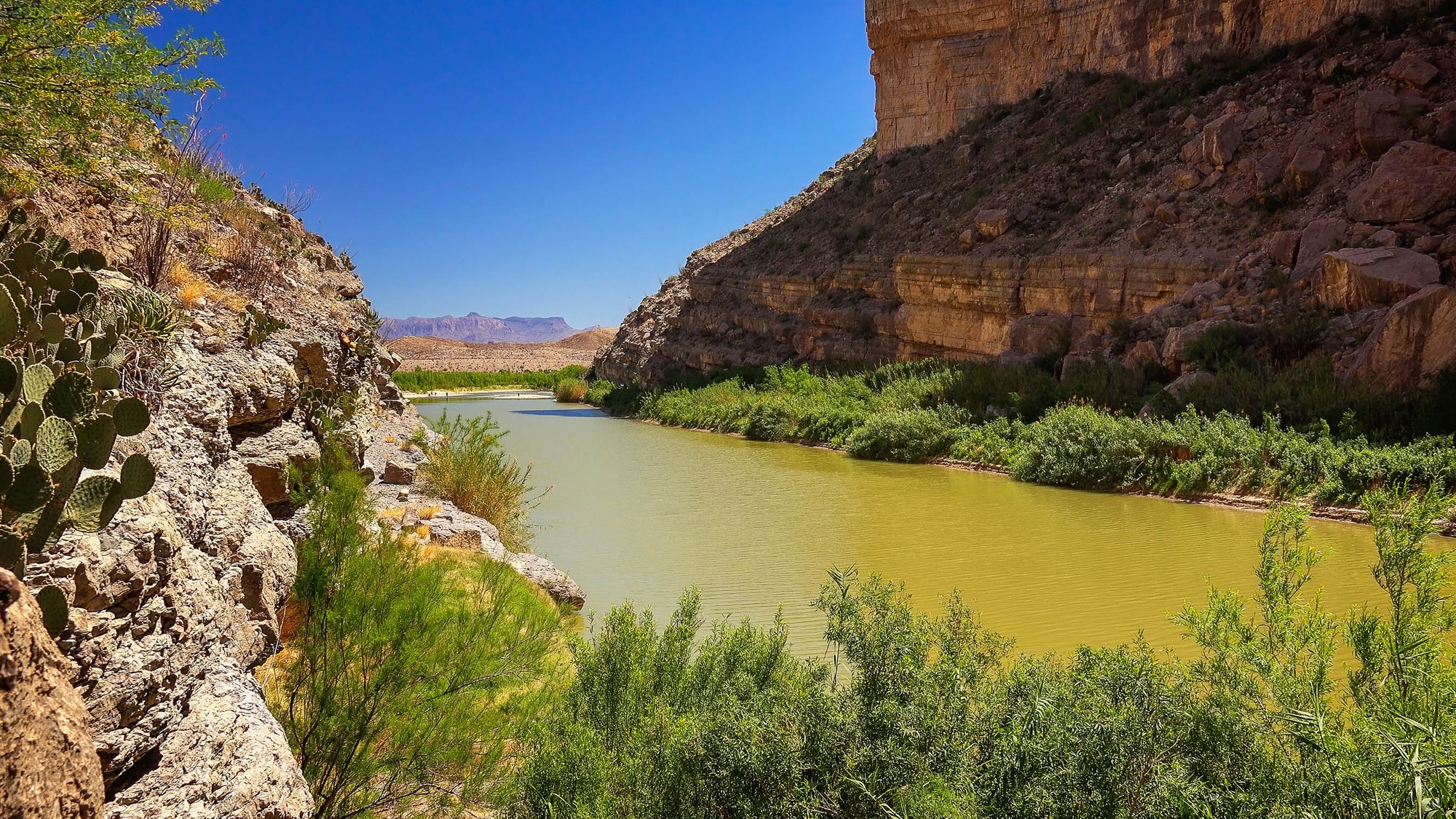
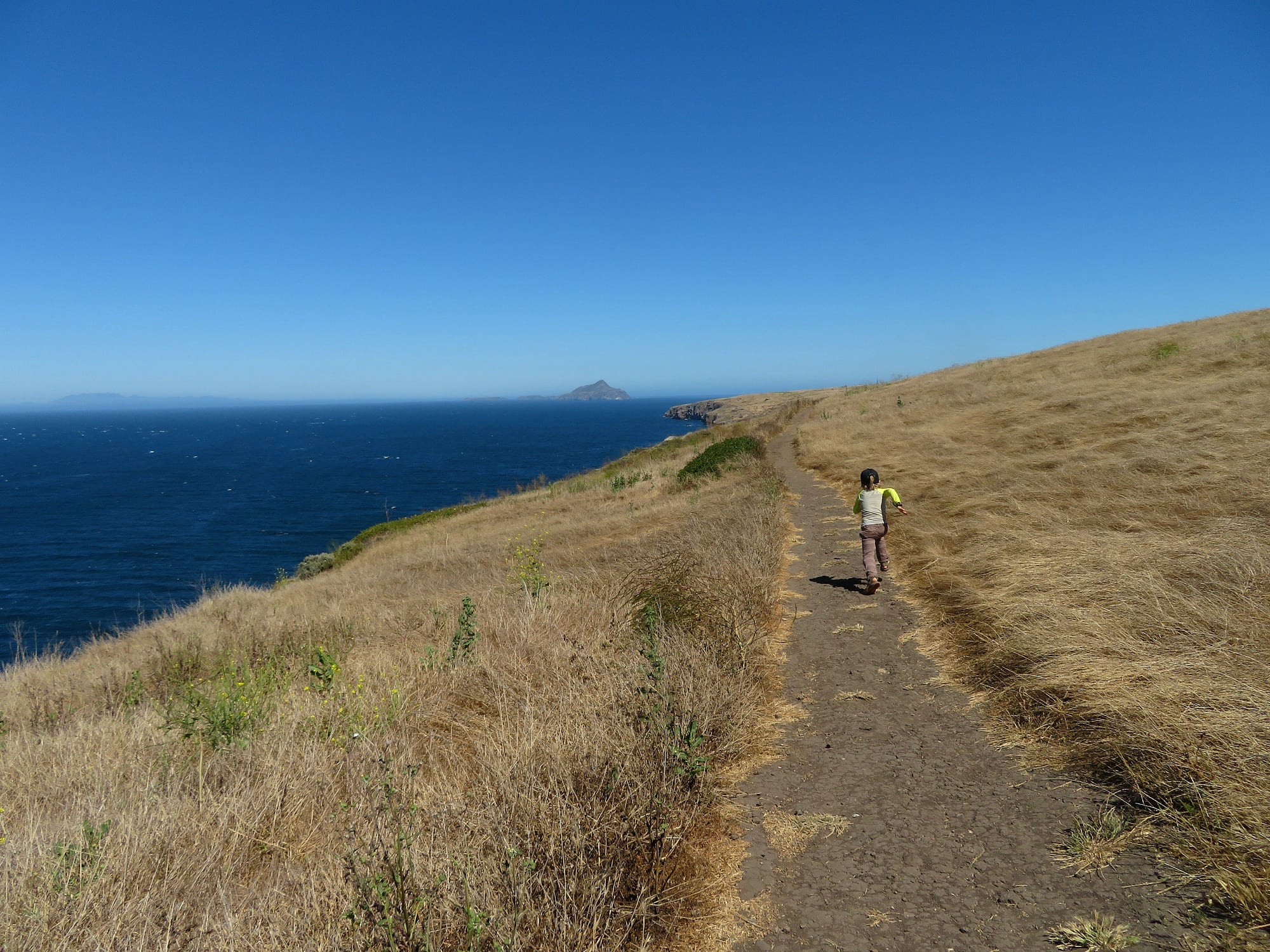
The latter half of the 20th century saw the inclusion of more remote and specialized parks. Isle Royale (1940) in Michigan and the Channel Islands (1980) in California offer island-based adventures that require boat or seaplane access, providing a "wilderness" experience that is increasingly rare. Big Bend in Texas (1944) and the Virgin Islands National Park (1956) offer desert and tropical marine environments, respectively.
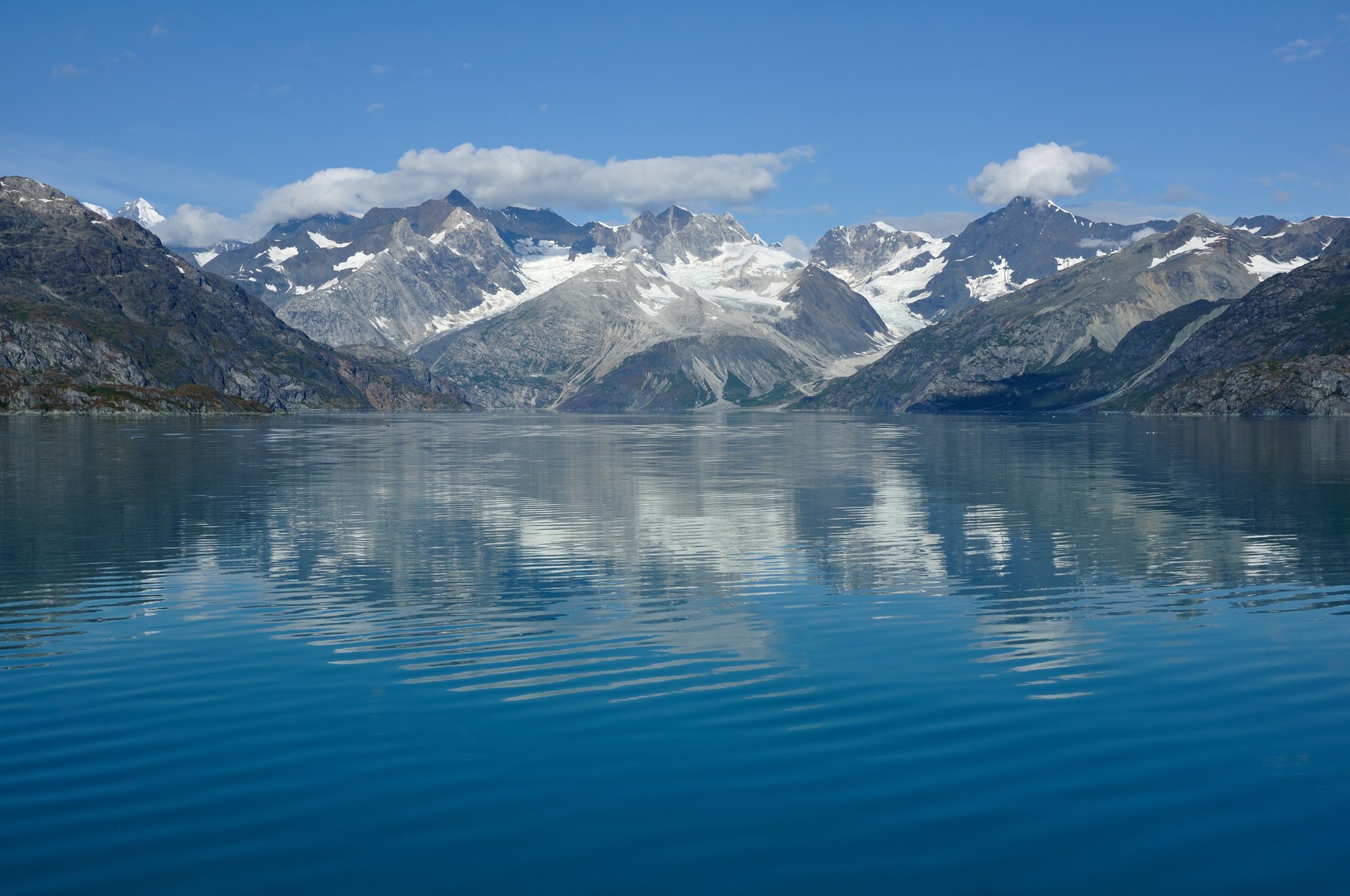
Biscayne National Park (1980) in Florida is notable for being 95% water, emphasizing the importance of coral reef conservation. Similarly, Glacier Bay in Alaska (1980) and Death Valley (1994) represent the extremes of the American climate. Death Valley, the largest national park in the contiguous U.S., contains the lowest point in North America at Badwater Basin, while Glacier Bay serves as a critical laboratory for studying tidewater glaciers and marine mammal populations.
The Economic and Social Impact of Family Tourism
The National Park Service is not merely a custodian of land but a significant economic driver. A 2022 NPS report indicated that visitors to national parks spent $23.9 billion in local gateway communities, supporting 378,400 jobs. For families, the "Every Kid Outdoors" program—a federal initiative that provides fourth graders and their families free access to all federal lands—has been instrumental in reducing financial barriers to entry.
Educational experts suggest that national park visits contribute to "informal science education," where children learn concepts of biology, geology, and history in a hands-on environment. This exposure is linked to higher levels of environmental literacy and a greater likelihood of supporting conservation efforts in adulthood.

Logistical Considerations: Lodging and Infrastructure
Planning a family excursion requires significant logistical preparation. NPS infrastructure varies widely; parks like the Grand Canyon and Yellowstone offer historic lodges such as El Tovar and Old Faithful Inn, which provide immediate access to major sites. However, these often require reservations 6 to 12 months in advance.
For more modern amenities, gateway towns such as West Yellowstone, Montana; Tusayan, Arizona; and Springdale, Utah, offer a range of hotels with family-oriented facilities like pools and kitchenettes. Camping remains a popular and cost-effective alternative, with over 13,000 campsites available across the system, though many now utilize a rigorous reservation system via Recreation.gov.
Challenges and Future Outlook
Despite their popularity, the national parks face significant challenges. Overcrowding in "bucket list" parks like Zion and Yosemite has led to the implementation of reservation systems to manage traffic and protect fragile ecosystems. Climate change also poses a threat, with receding glaciers in Montana and rising sea levels in the Everglades and Virgin Islands.

The National Park Service is responding through the Great American Outdoors Act, which provides funding to address the maintenance backlog and improve visitor infrastructure. For families, these improvements mean safer trails, more accessible visitor centers, and enhanced educational displays.
In conclusion, the U.S. National Park System offers an unparalleled resource for family travel, blending outdoor recreation with profound educational opportunities. By visiting these sites, families not only participate in a long-standing American tradition but also contribute to the economic and ecological sustainability of the nation’s most cherished landscapes. As the system continues to evolve, the emphasis remains on balancing the needs of millions of annual visitors with the imperative of preserving these "crown jewels" for future generations.