Guardians of the Blue: How the Cook Islands Balances Ancestral Stewardship, Tourism Growth, and Modern Development

With no building higher than the tallest coconut tree, the Cook Islands’ “Mana Tiaki” spirit has made its people natural guardians of culture, land, and sea. Yet, as the South Pacific archipelago navigates the pressures of modern globalization, tourism expansion, and economic diversification, a pressing question remains: Can this idyllic self-governing island nation stay true to its core values while balancing hungry developers and shifting global economic tides?
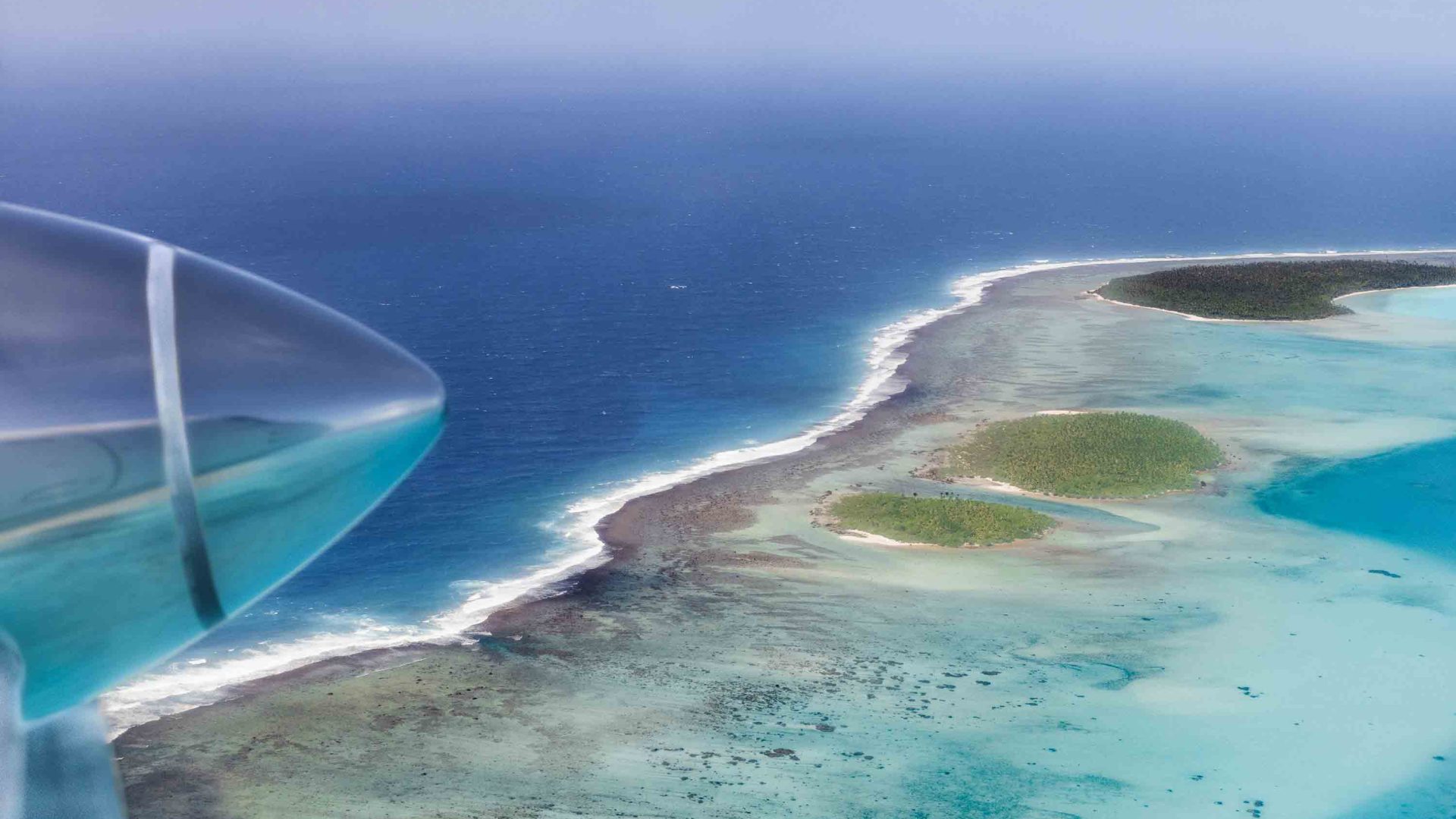
Spanning approximately 770,000 square miles (2,000,000 square kilometers) of the South Pacific Ocean—an area roughly comparable to the size of Greenland—the Cook Islands comprise 15 volcanic islands and reef-fringed coral atolls. Geographically divided into low-lying atolls in the north and volcanic isles in the south, the archipelago sits roughly 1,864 miles (3,000 kilometers) northeast of Auckland, New Zealand. The primary island of Rarotonga, measuring just 20 miles in circumference, serves as the administrative and commercial hub, anchored by the northern capital of Avarua.
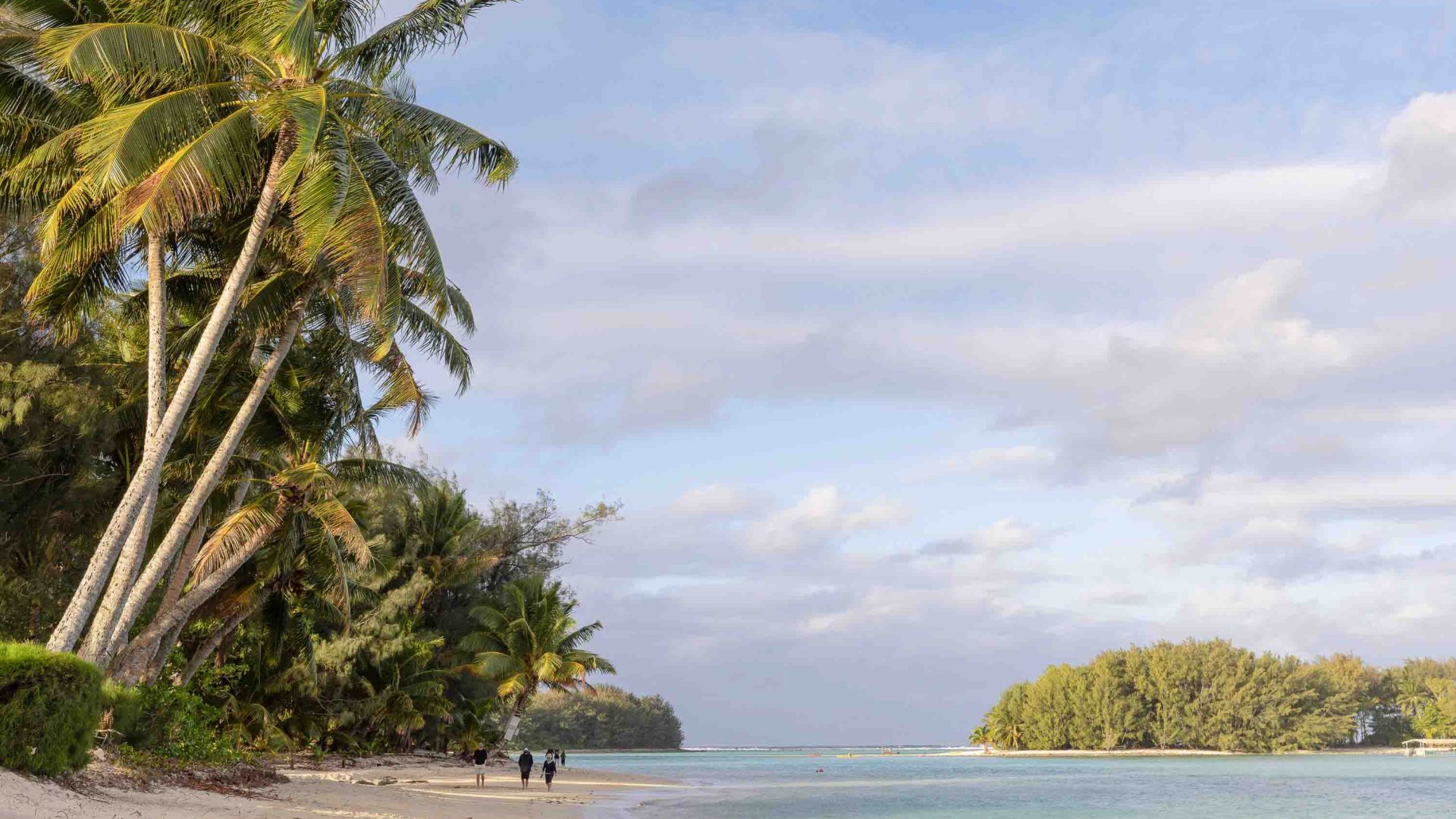
Despite its stunning natural beauty and high desirability among international travelers, the landscape retains a remarkably uncommercialized atmosphere. Traffic lights are nonexistent, motorcycles serve as the preferred mode of transportation, and public transit operates on a community-driven model where a simple roadside wave halts passing buses. This preservation of space is not accidental; it is legally and culturally enforced.
Historical Roots and Constitutional Safeguards
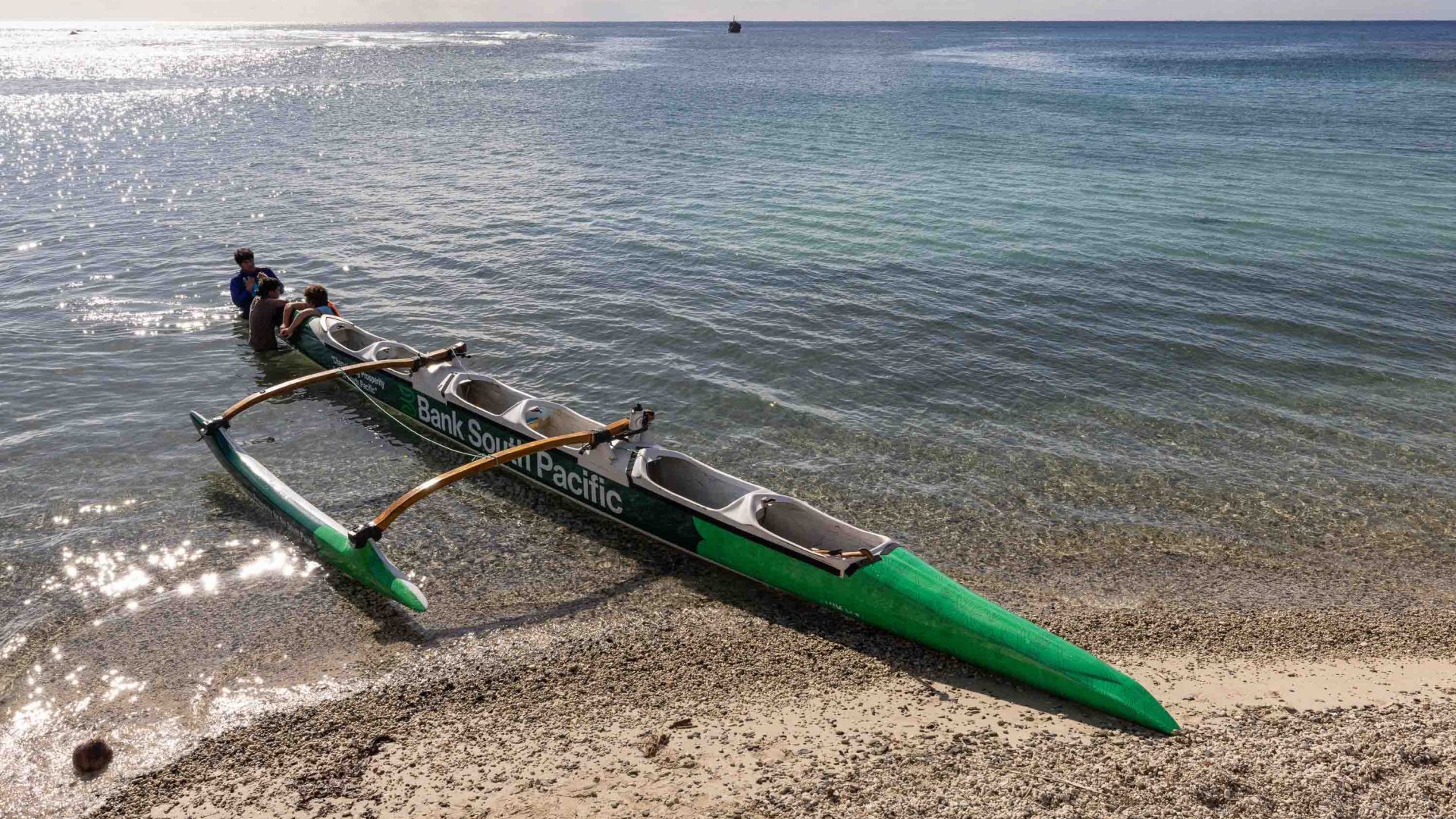
The history of the Cook Islands stretches back to roughly 800 to 1000 AD, when Polynesian navigators first settled the islands, traversing the vast Pacific in double-hulled vaka canoes using only the sea and stars for guidance. Following British colonial exploration led by Captain James Cook in 1773, the islands later became a British protectorate. In 1965, the territory transitioned into a self-governing state in free association with New Zealand, granting residents New Zealand citizenship alongside institutional support for education, healthcare, and finance.
Crucially, the 1965 Constitution institutionalized Indigenous governance through the House of Ariki—a parliamentary council of hereditary High Chiefs advising on customs, culture, and land tenure. At the heart of Cook Island society is the constitutional mandate protecting hereditary bloodlines, ensuring that land is passed down exclusively through direct generations. Foreigners are prohibited from owning land outright, restricted instead to a maximum 60-year lease system. This legal framework has effectively insulated the islands from multinational real estate speculation, global franchise proliferation, and corporate chain dominance.
The Philosophy of Mana Tiaki and Community Resilience
The bedrock of this environmental and cultural defense is the philosophy of Mana Tiaki. Comprising tiaki (keeper or guardian) and mana (influence or power), this principle dictates that caretakers must leave a place better than they found it. The concept governs everything from resource management to daily agricultural practices.
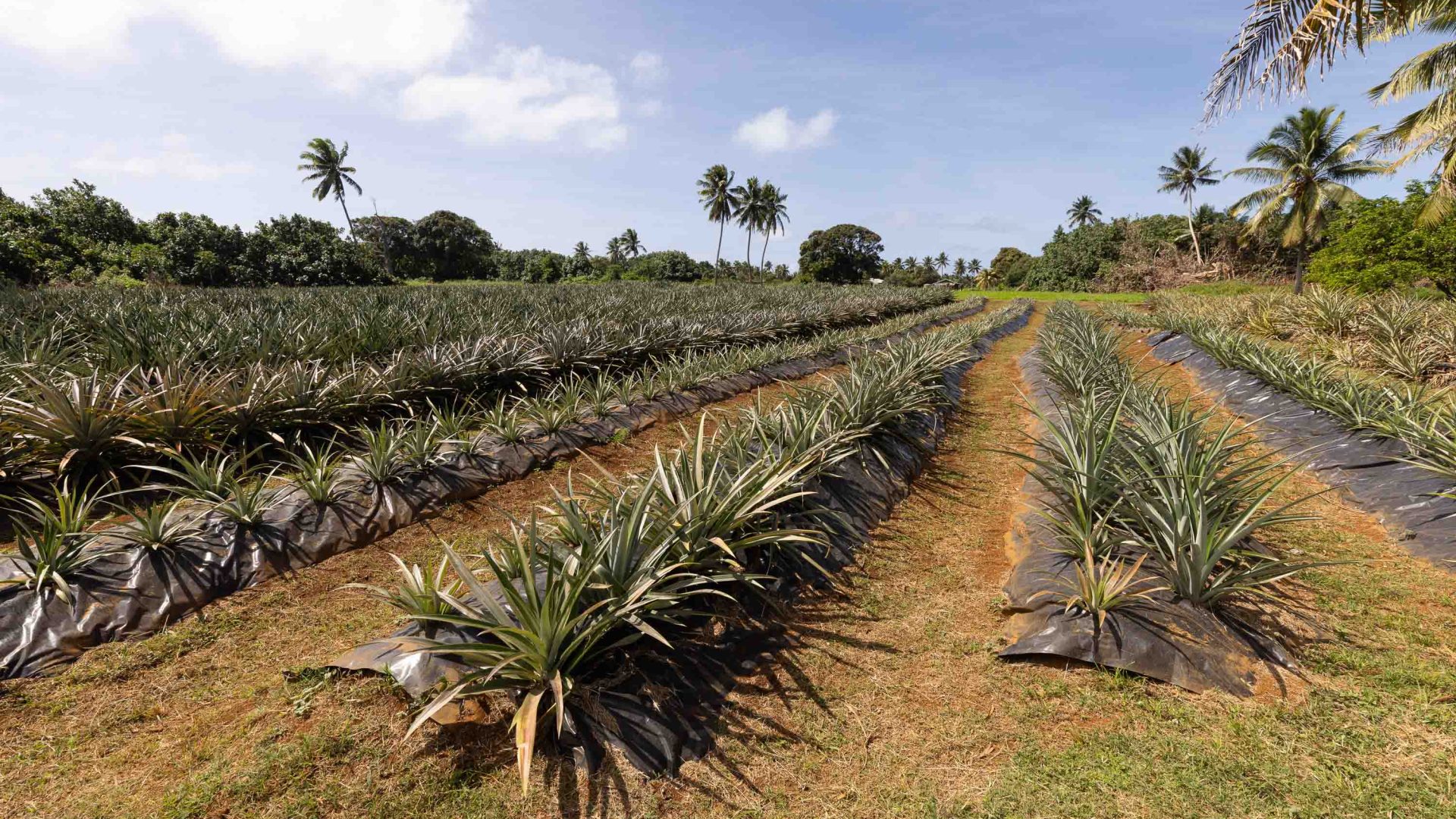
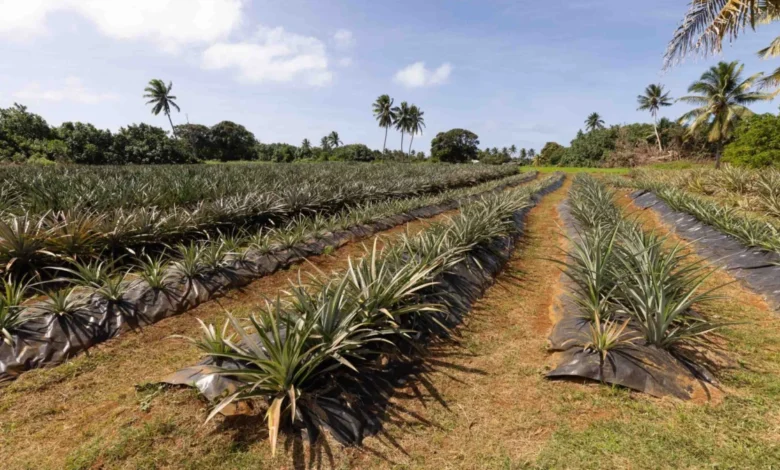
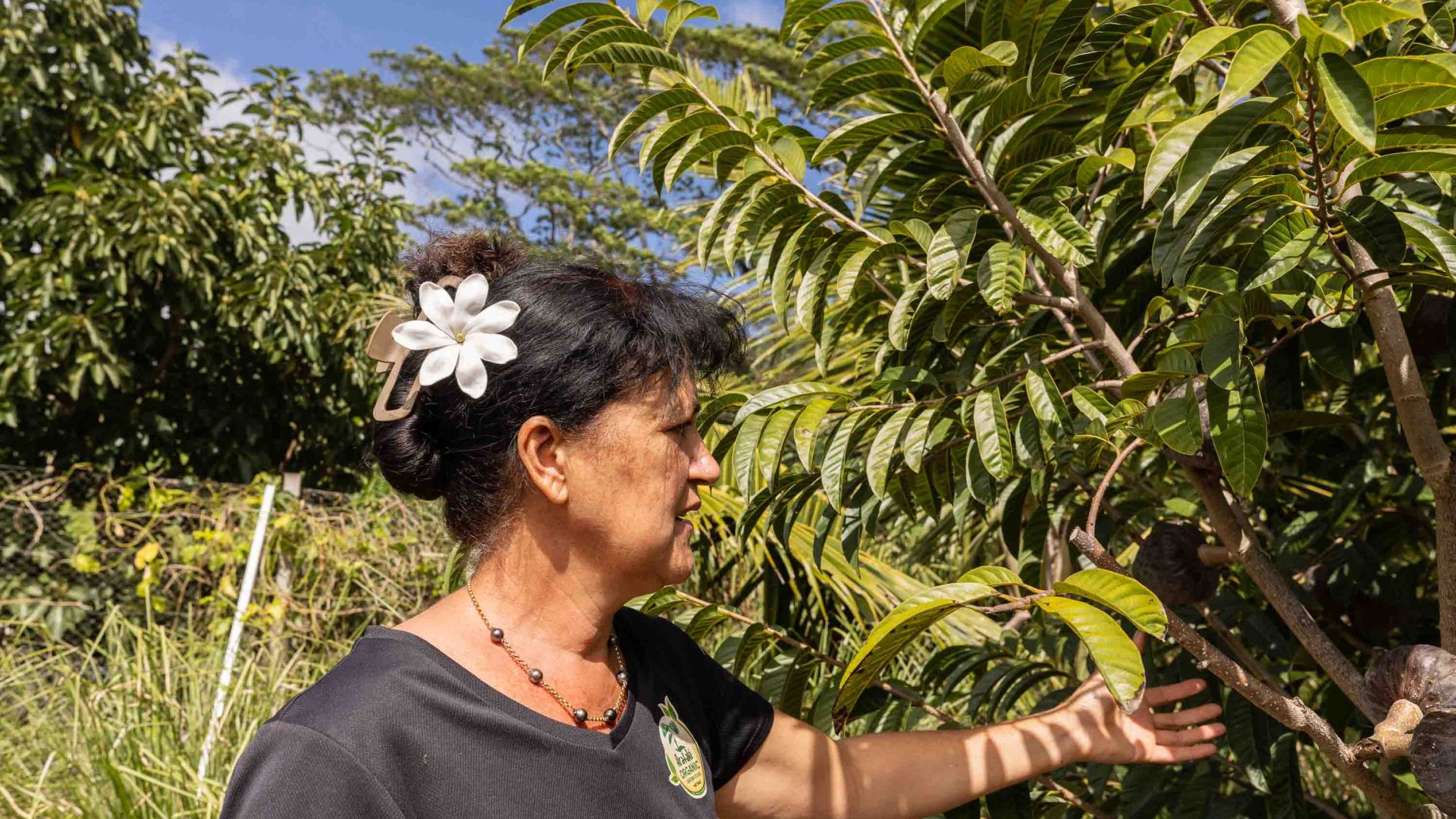
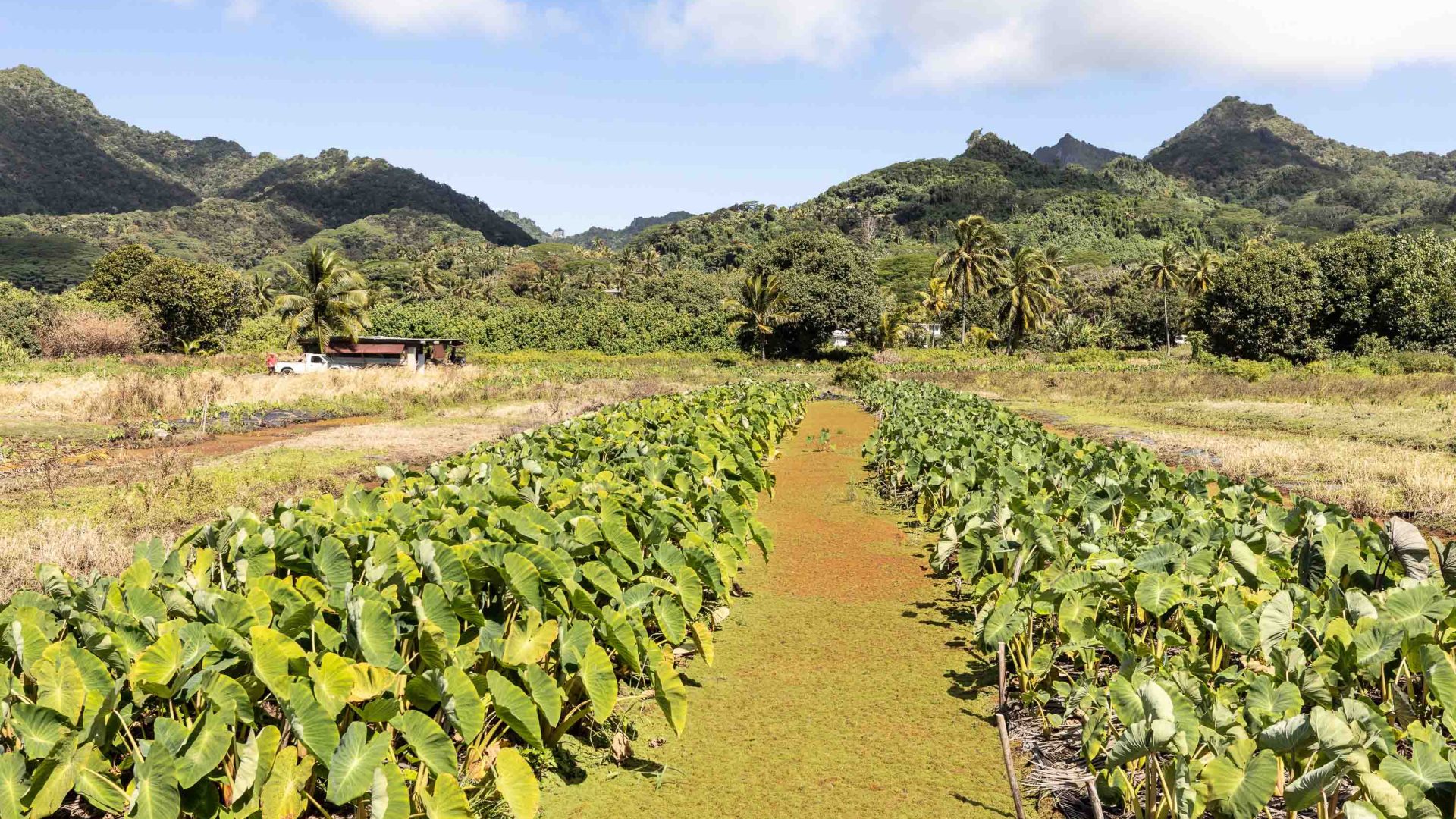
This self-reliant ethos was tested during the COVID-19 pandemic. Cut off from international tourism and facing severe global supply chain disruptions, islanders revived the traditional practice of Tapora Kai Enua—communal food sharing. Local farmers, such as Mirella and Katoa Mairi of the Arataki Organic Garden on Rarotonga, turned government-provided free seedlings into thriving plots of Polynesian staples, including taro, ginger, and coconut. Utilizing composted nutrient-rich plants and homemade natural pesticides made from fermented chili and dish soap, the garden exemplifies a localized regenerative model that rejects synthetic chemical inputs in favor of soil nourishment.
Economic Realities and the Tourism Dilemma
While cultural preservation remains paramount, the economic reality of the archipelago presents significant challenges. Tourism accounts for approximately 70 percent of the Cook Islands’ Gross Domestic Product (GDP). Flights from Auckland routinely bring returning travelers who view the islands as a second home, while cruise and boat operators manage steady streams of visitors to lagoons like Aitutaki.
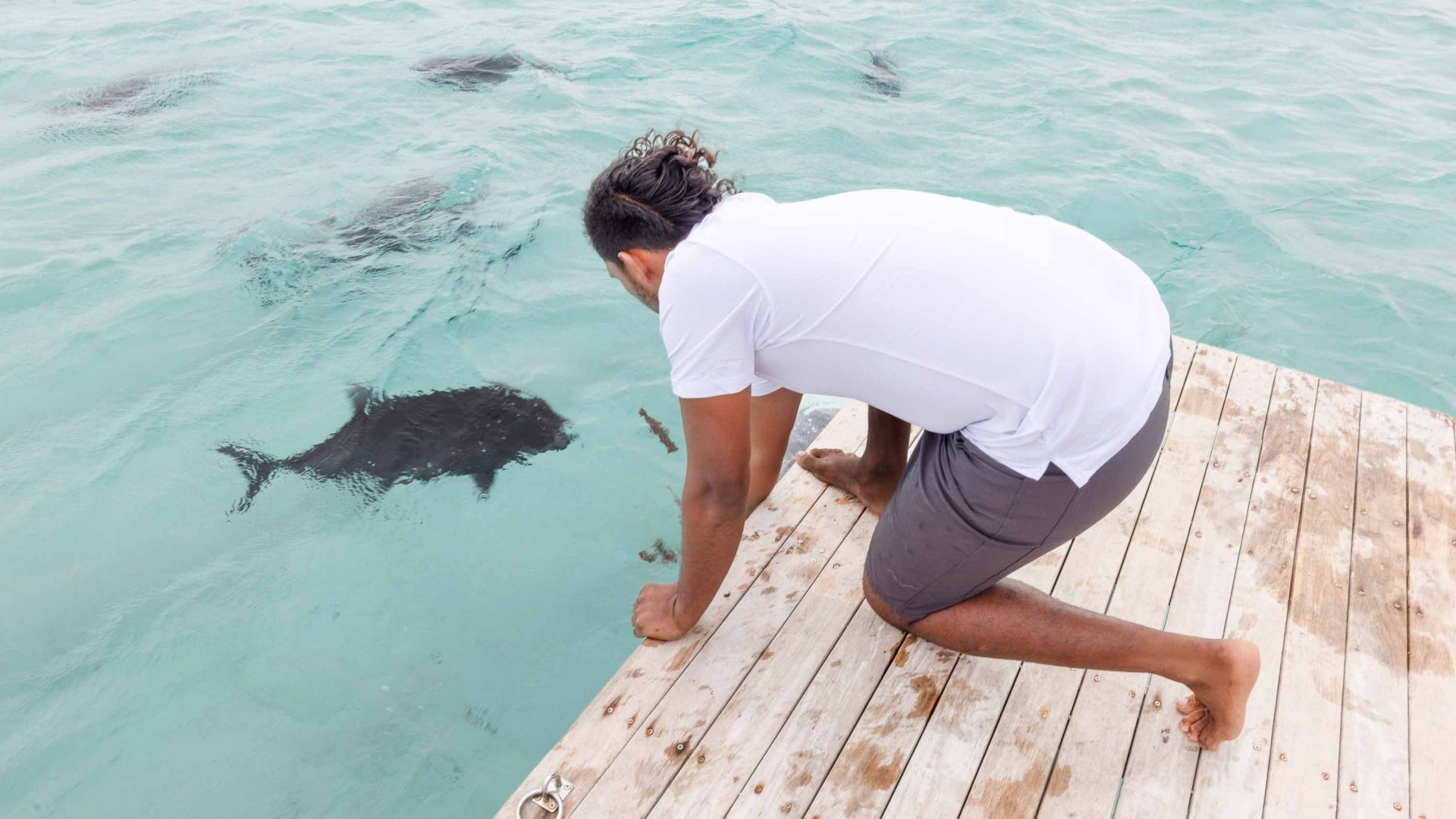
However, overreliance on a single economic sector creates distinct vulnerabilities. The seasonal nature of tourism concentrates arrivals during the Australasian winter months between June and August. Local operators, such as marine guides and skippers, increasingly advocate for year-round sustainable tourism frameworks rather than unchecked volume spikes that strain local ecosystems.
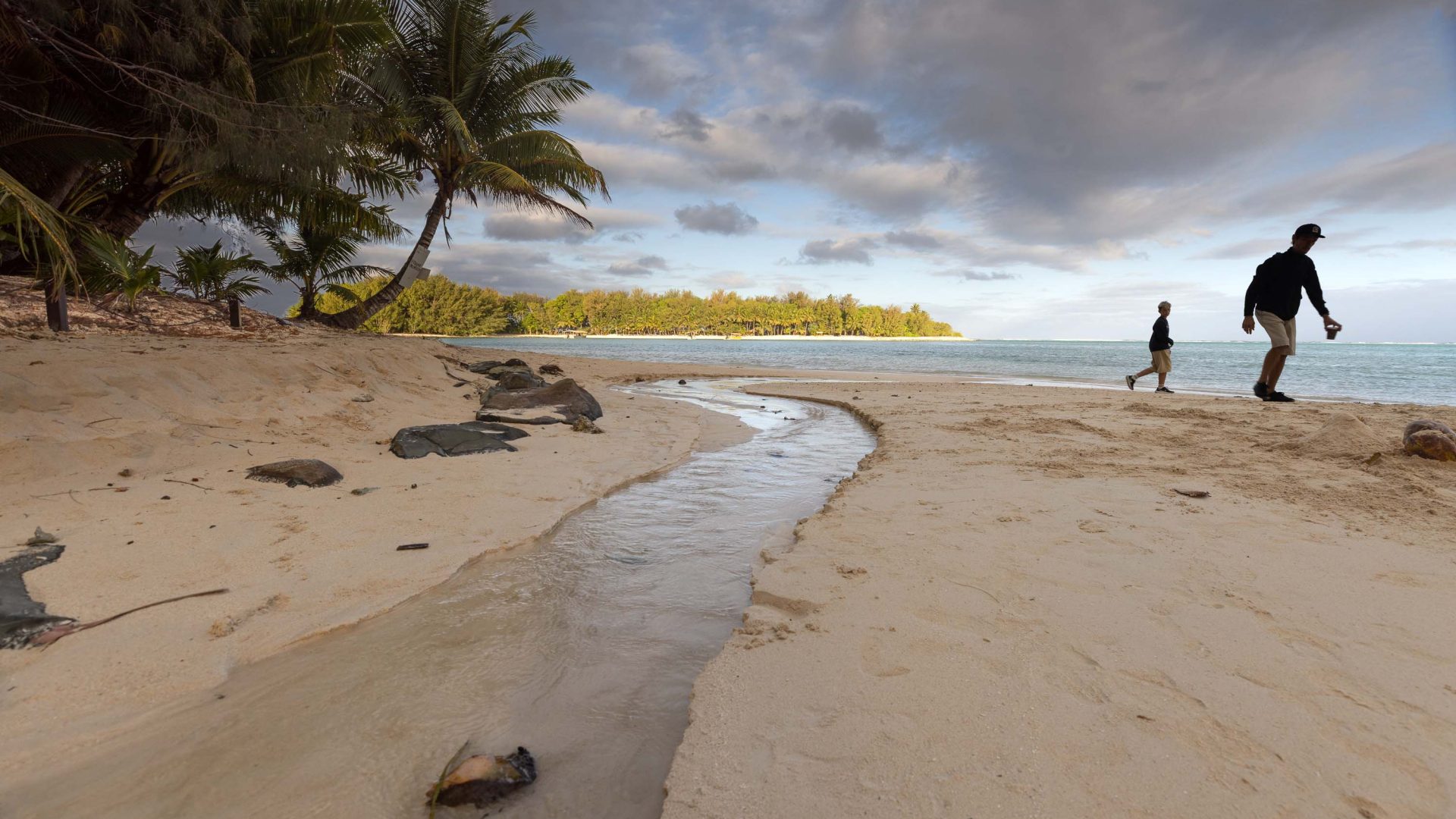
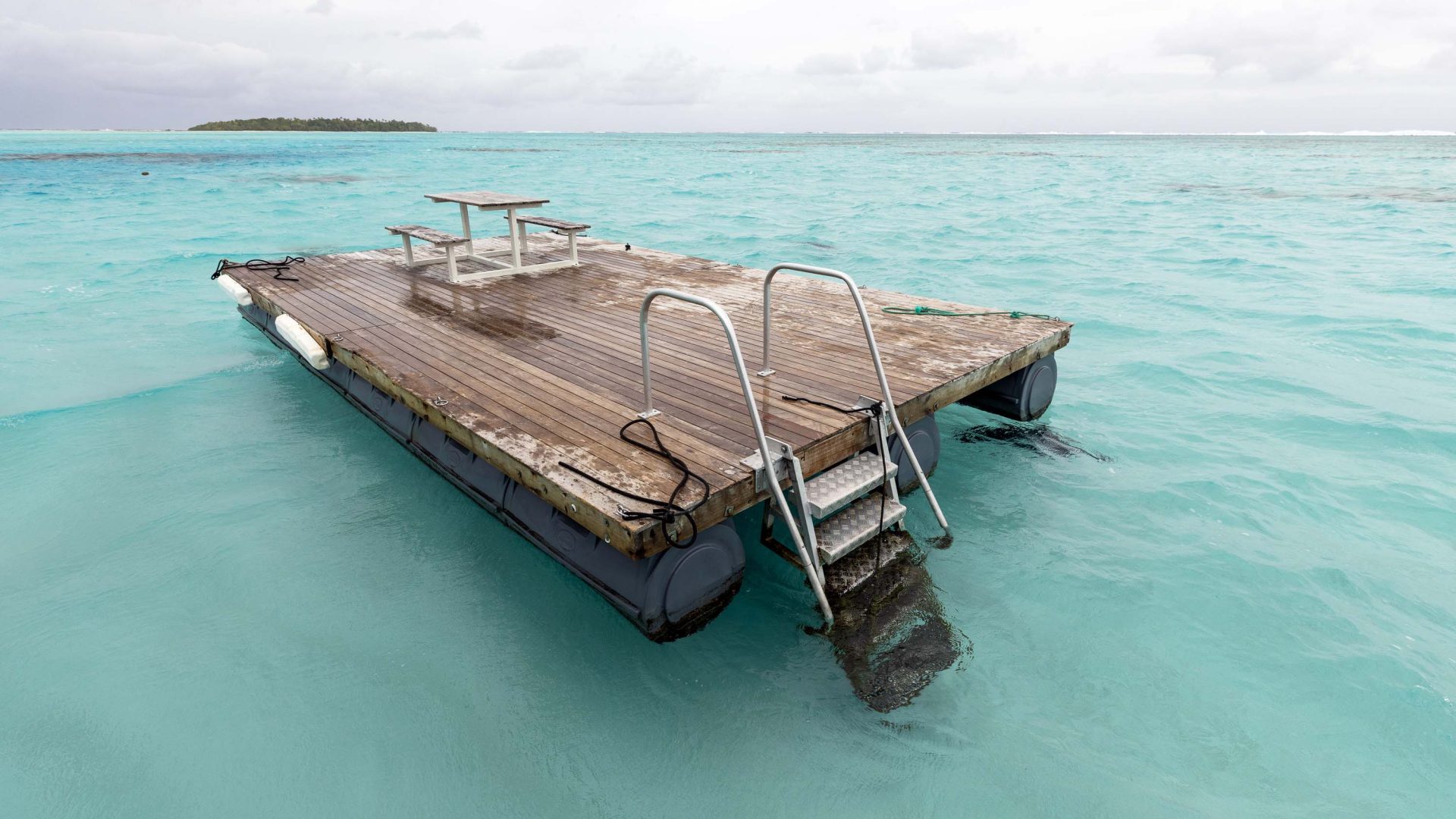
Balancing economic development with environmental protection has also driven major legislative conservation efforts. In 2017, the government established Marae Moana, the world’s largest multiple-use marine park, spanning 734,000 square miles (1.9 million square kilometers). Designed to safeguard marine biodiversity, the park initiative forces the government to navigate a complex balancing act between conservation goals and economic growth interests, such as commercial fishing, tourism, and contentious proposals for deep-sea mineral exploration.
Modern Development and the Threat of Overcommercialization
Even with robust constitutional protections, modern pressures continue to challenge the islands’ traditional boundaries. The rise of global short-term rental platforms like Airbnb has introduced a steady stream of foreign capital leakage, though accommodations remain strictly islander-owned.
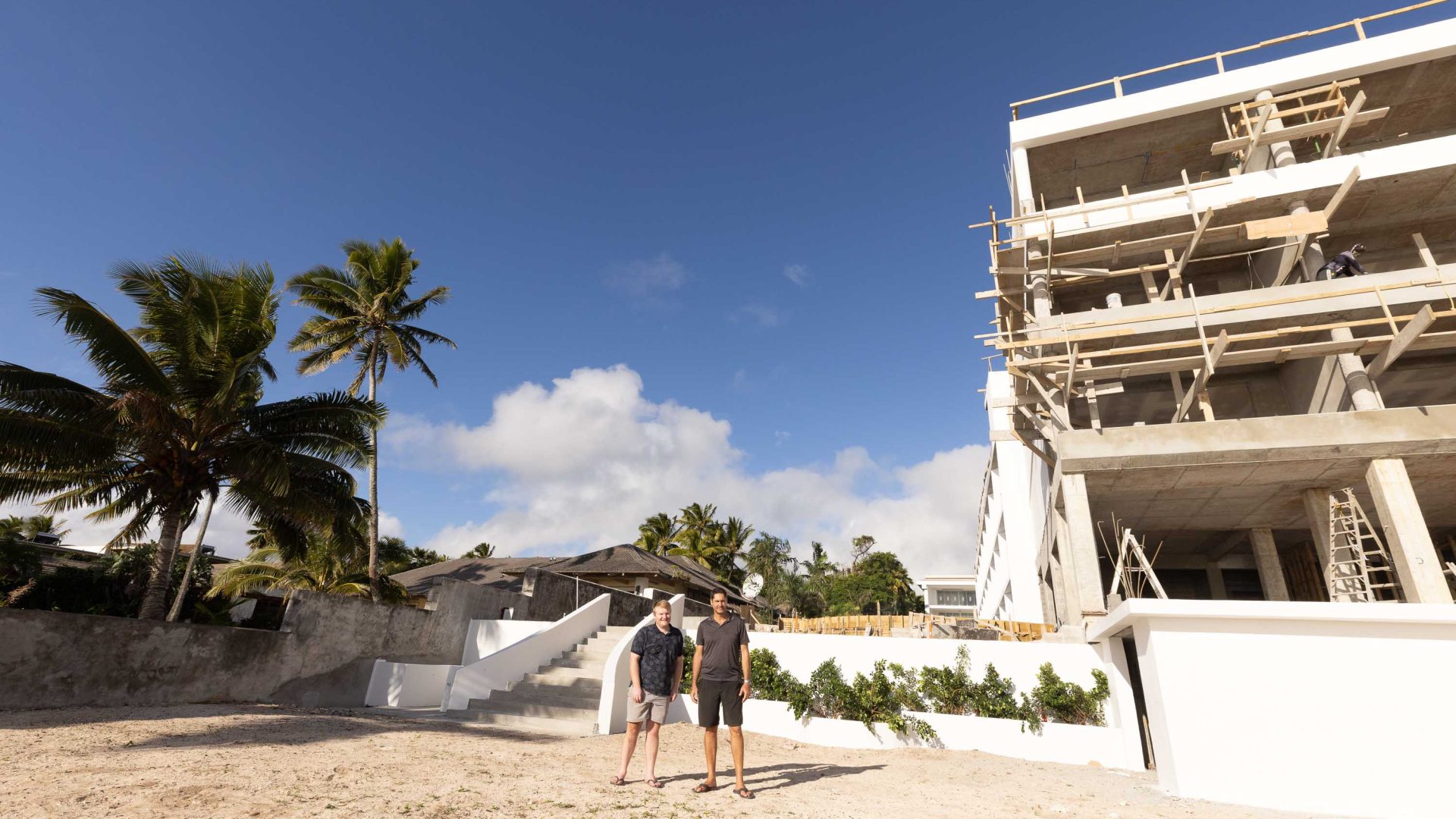
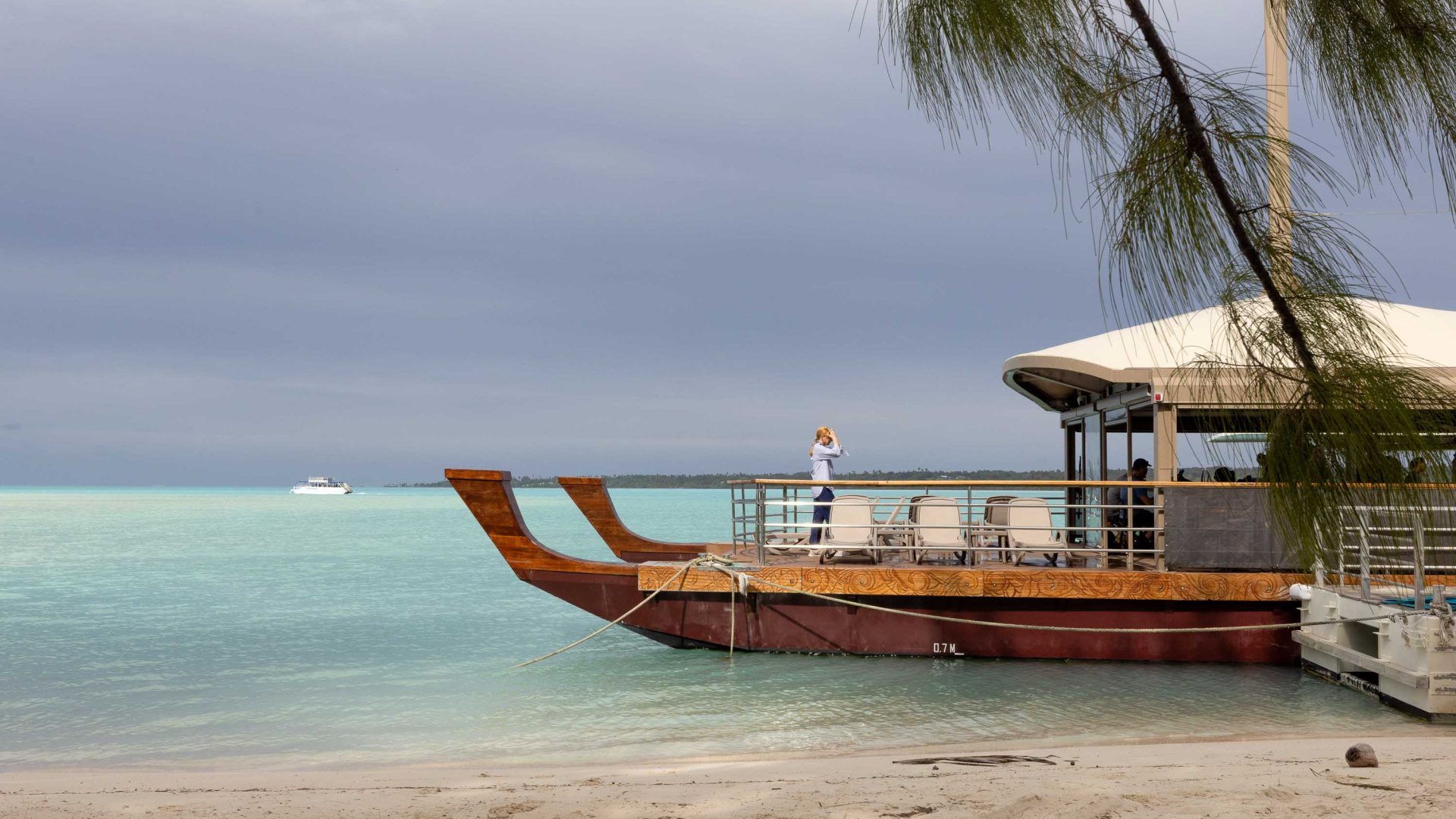
Meanwhile, upscale developments are testing the limits of local infrastructure and aesthetic guidelines. The construction of the five-star Grand Resort Rarotonga on the Arorangi Sunset Coast—scheduled to open in late 2026—highlights the tension between luxury investment and local preservation. While local ownership has been maintained by developers like CEO Brett Baudinet, who resisted international hotel chain partnerships, the physical scale of modern builds prompts ongoing debate regarding traditional height limits, traditionally defined as remaining lower than the tallest coconut tree.
Historical precedents also cast long shadows over large-scale development. The notorious unfinished Vaimaanga Sheraton resort project from the 1980s, which collapsed amid political corruption, financial near-bankruptcy, and local folklore surrounding a colonial-era land dispute curse (makutu), serves as a cautionary tale for investors attempting to overreach local cultural boundaries.
Environmental Advocacy and the Road Ahead
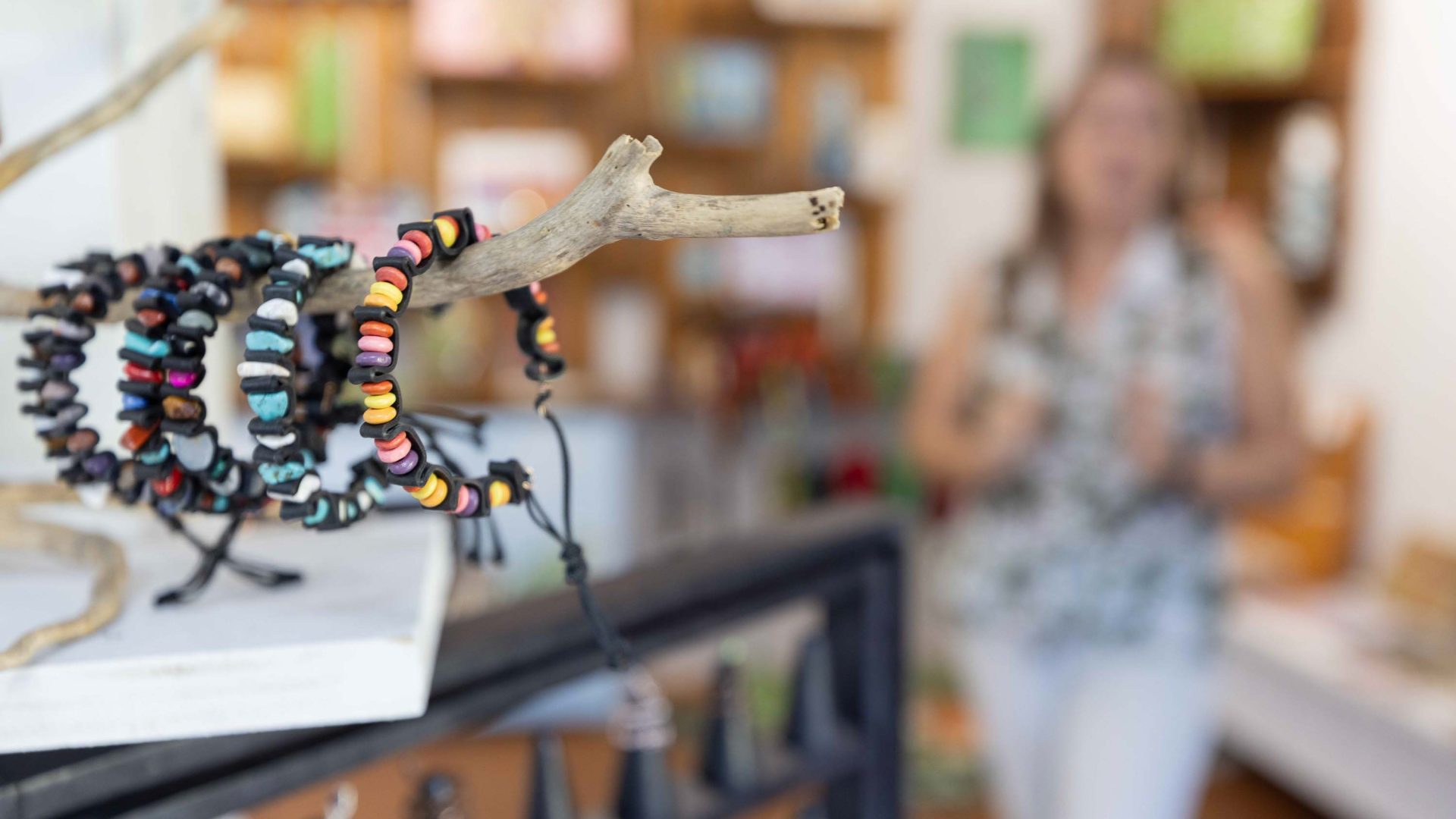
Grassroots environmental organizations play a vital role in policing these boundaries. The Te Ipukarea Society, the archipelago’s primary non-governmental environmental organization, actively challenges industrial overreach and marine degradation. Figures like Vice President Sabine Janneck, an upcycle artist who creates luxury accessories from discarded tires and industrial waste, demonstrate how expatriates and locals alike integrate into the Mana Tiaki framework.
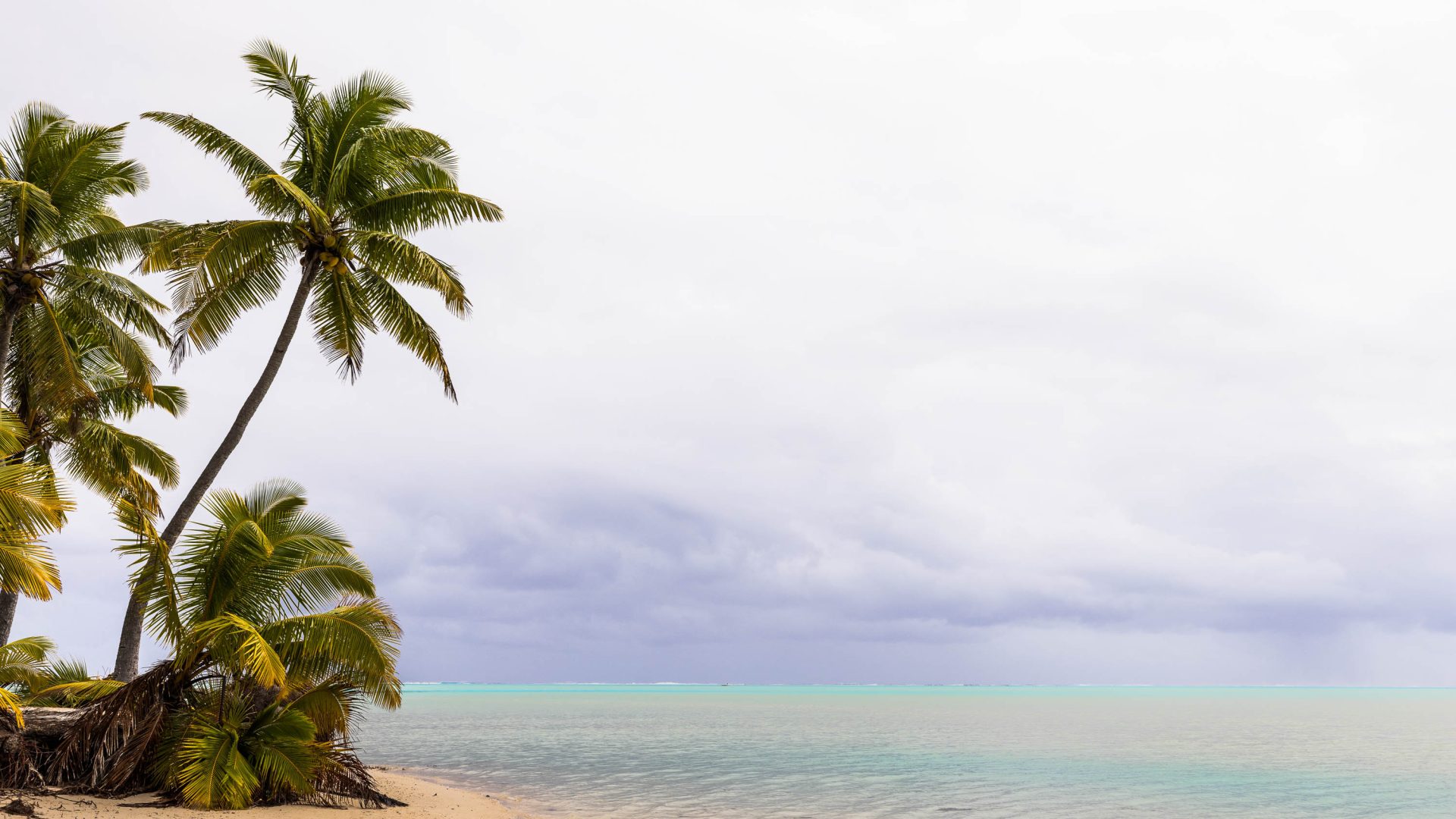
As global economic pressures encroach upon the South Pacific, the Cook Islands face a defining test of resilience. While pragmatic observers acknowledge that globalized capitalism—and eventual corporate presences—may gradually infiltrate the islands, the foundational commitment to land guardianship remains fierce. Supported by a unique constitutional framework, ancestral traditions, and an active citizenry, the Cook Islands continue to defend their ecological and cultural Eden against the tide of rapid globalization.