New York City reaches a seasonal zenith during the autumn months, characterized by temperate, crisp weather and an unparalleled density of cultural, athletic, and culinary programming. As the city transitions from the humidity of summer to the brisk atmosphere of November—a month defined globally by the iconic New York City Marathon—the metropolis serves as a focal point for international tourism and luxury hospitality. For travelers and residents alike, the period from September through November offers a unique intersection of new institutional openings and high-profile residencies. Navigating this landscape requires strategic planning, particularly as Manhattan’s hospitality sector continues to evolve with a blend of heritage preservation and avant-garde development.
The Evolution of the Manhattan Hospitality Landscape
The luxury hotel market in New York City is currently experiencing a bifurcation between the revitalization of historic landmarks and the introduction of bold, maximalist properties. Established institutions such as The Carlyle continue to serve as the benchmark for traditional high-end service, while the recent multi-million dollar renovation of the Waldorf Astoria signals a renewed commitment to grand-scale hospitality. However, the market’s center of gravity has partially shifted toward lifestyle-focused luxury.
Since its opening in September 2025, Faena New York in West Chelsea has established itself as a significant node in the city’s social fabric. Unlike the subdued elegance of traditional Midtown properties, Faena utilizes a design-forward, maximalist aesthetic that integrates artistic programming directly into the guest experience. The property has become a notable West Chelsea destination, specifically for its evening offerings at La Boca and the Living Room, which feature a rotating roster of live musicians and DJs.
Industry analysts suggest that the success of such properties relies on "experiential integration"—the ability to curate local access that goes beyond standard concierge services. For instance, the hotel’s exclusive Chelsea art walk offers guests private, behind-the-scenes access to major galleries, including Hauser & Wirth and Paula Cooper. At a price point of $3,500 for a three-hour engagement, this initiative represents a broader trend in luxury travel: the commodification of elite cultural access. By providing direct proximity to the art world’s inner workings, these institutions aim to secure a loyal, high-net-worth demographic that prioritizes exclusivity over traditional amenities.

The Culinary Shift: A New Chapter for Fine Dining
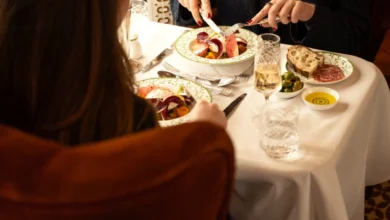
The Manhattan culinary scene is undergoing a notable transition this autumn, marked by the strategic reshuffling of high-profile chefs and concepts. Among the most anticipated developments is the expansion of Daniel Boulud’s portfolio. The chef’s decision to conclude operations at a trio of his Lincoln Center establishments to focus on the launch of his new brasserie underscores a strategic pivot toward more approachable, yet technically rigorous, dining formats.
This move is part of a larger trend observed across major U.S. metropolitan centers, where restaurateurs are opting to consolidate resources into singular, high-impact venues rather than maintaining multiple peripheral locations. The brasserie format, which emphasizes high-volume, high-quality service, remains a resilient model in the post-pandemic economic landscape. By concentrating talent and operational infrastructure into one location, restaurateurs like Boulud are attempting to mitigate the rising costs of labor and supply chain volatility that have challenged the fine-dining sector over the last 24 months.
A Cultural Calendar of Note
The autumn performance schedule in New York City is particularly dense, reflecting a post-pandemic return to large-scale, live-audience programming. This season, the city’s major venues are host to a diverse array of performances that cross traditional disciplinary lines.
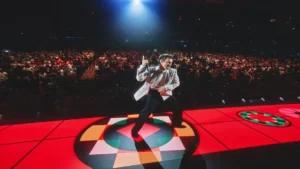
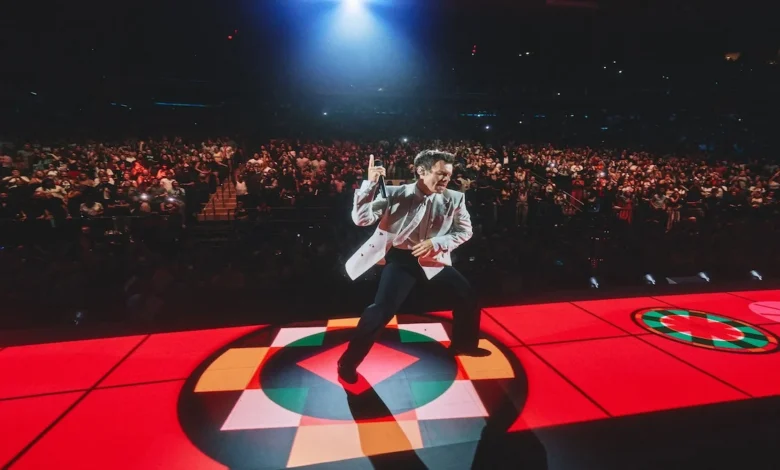
Madison Square Garden remains the primary anchor for major entertainment, highlighted by a 30-day residency for Harry Styles. The economic impact of such a residency is substantial; beyond ticket sales, which range from approximately $310 to over $1,500, the concentration of visitors in the Midtown area generates significant secondary revenue for hotels, dining establishments, and retail sectors. The "Harryween" show, scheduled for October 31, serves as a focal point for this engagement, demonstrating the power of event-based tourism to drive occupancy rates during the shoulder season.
In the realm of theater, the diversity of offerings is significant. The production of Oh, Mary!, starring Bowen Yang, highlights the continued influence of television and social media personalities on Broadway’s commercial success. Similarly, the Pulitzer-nominated Other Desert Cities serves as a draw for traditionalist audiences, featuring a cast that includes Julia Louis-Dreyfus, Ed Harris, and Allison Janney.

Furthermore, the integration of musical and theatrical elements in Imitation of Life, featuring music and lyrics by John Legend and direction by Lynn Nottage, points to a shift in how legacy institutions like The Shed curate their seasons. By leveraging crossover talent, these organizations are successfully broadening their appeal to younger, more digitally engaged demographics. Finally, the debut season of conductor Gustavo Dudamel with the New York Philharmonic marks a critical juncture for the city’s classical music scene. Dudamel’s appointment is widely viewed as an attempt to modernize the Philharmonic’s image and reach, potentially revitalizing interest in orchestral performance for a new generation.
Art, Upcycling, and the Maritime Legacy
The art scene in Manhattan this November is set to feature a unique exhibition titled "Rock & Royals," showcasing the work of action and yachting photographer Kos Evans. The exhibition, which will be hosted at the Gallery at 200 Lex, offers an intersection between high-stakes maritime history and contemporary artistic intervention.
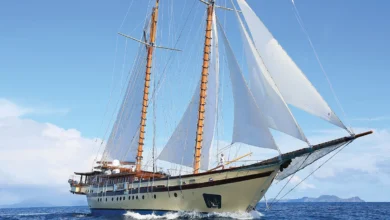
Evans, a photographer with a four-decade career spanning the America’s Cup and professional film production, has utilized the concept of "upcycling" to create her current collection. By printing her photographs directly onto the sails of historic and legendary vessels—including those once belonging to President John F. Kennedy, King Juan Carlos of Spain, and Pete Townshend—Evans bridges the gap between functional maritime gear and fine art.
The logistical complexity of this exhibition is noteworthy. The sails themselves carry immense provenance, representing a tangible history of global sailing and royal maritime tradition. For the New York Design Center, hosting this collection is a strategic move to align the gallery with the luxury market’s increasing interest in sustainability and narrative-driven art.
"I’ve been involved in the America’s Cup since the early 1980s, which provided me with the network to source these materials," Evans noted in recent discussions regarding the project. The exhibition serves as a case study in how niche interests—in this case, competitive sailing—can be packaged for a broader, affluent Manhattan audience. Furthermore, the commitment to donate a portion of all proceeds to Oceans Without Borders and Nantucket Community Sailing provides a philanthropic dimension that is increasingly essential for the success of luxury-aligned art events.

Economic and Sociological Implications
The current state of Manhattan’s cultural and hospitality sector reflects a city that is increasingly catering to the "experience economy." Data suggests that while traditional tourism figures are stabilizing, the average spend per visitor in the luxury tier is increasing. This trend is driven by a desire for bespoke, curated experiences—such as the private art gallery access offered by Faena or the specialized, pedigree-driven art exhibitions at 200 Lex.
The implications for the city are clear: as Manhattan continues to compete with other global capitals like London, Paris, and Dubai, its ability to remain "perfect" in the fall is predicated on its capacity to innovate within the luxury space. Whether through the professionalization of the arts, the refinement of the fine-dining experience, or the revitalization of its hotel inventory, the city remains a dynamic landscape. For the traveler or resident, the upcoming months offer a comprehensive look at how a major urban center manages the complex interplay of heritage, commerce, and culture. The current season is not merely a collection of events, but a reflection of a city that continues to refine its identity in the 21st century, ensuring its status as a premier destination for those seeking a convergence of high art, elite hospitality, and a robust, ever-changing social calendar.