The Ultimate Guide to Manhattan’s Fall Season: Luxury Stays, Culinary Landmarks, and Cultural Milestones

New York City reaches a state of near-perfection during the autumn months, as the city’s frenetic pace slows just enough to allow for a refined appreciation of its shifting landscape. From the crisp air that signals the arrival of peak harvest season at local farmers’ markets to the high-stakes energy of the November marathon season, Manhattan transforms into a global epicenter of culture and commerce. For the discerning traveler, this period—spanning from late September through the end of November—represents the most significant window for engaging with the city’s newest luxury hospitality offerings, haute-cuisine debuts, and high-profile arts programming.
The Evolution of the Manhattan Hospitality Landscape
The New York City luxury hotel market has undergone a significant recalibration over the last 18 months, characterized by a return to grand-scale opulence tempered by modern, design-forward aesthetics. While perennial institutions such as The Carlyle continue to serve as the bedrock of Manhattan’s Upper East Side legacy, the sector has seen a surge in "bold" properties that challenge traditional service models.
The Fifth Avenue Hotel and the whimsical properties within the Kit Kemp portfolio have set new standards for personalized guest experiences. However, the most significant addition to the West Chelsea neighborhood is the Faena New York. Since its official debut in September 2025, the hotel has transitioned from a highly anticipated project to a definitive social anchor for the district. The property differentiates itself through a maximalist interior design language and a robust commitment to live performance, with La Boca and the Living Room serving as venues for nightly programming.

Beyond the aesthetics of the property, the hotel has sought to integrate itself into the local art ecosystem. In a move that highlights the shifting intersection of luxury travel and high-end cultural consumption, the Faena has introduced a curated Chelsea art walk. Priced at $3,500 for a three-hour session, the experience offers private, guided access to blue-chip galleries, including Hauser & Wirth and Paula Cooper. This initiative reflects a broader trend in the hospitality industry: the move away from passive accommodation toward active, expert-led cultural immersion.
A New Chapter for Manhattan’s Culinary Scene
The fall season also marks a pivotal transition for the city’s restaurant industry. The most notable shift involves the restructuring of the dining portfolio managed by celebrated chef Daniel Boulud. After a multi-decade tenure in the vicinity of Lincoln Center, Boulud has opted to phase out three established concepts in favor of a singular, modernized brasserie model.
This pivot toward "Brasserie Boulud" represents more than just a change in branding; it reflects a broader industry-wide movement toward consolidation and the elevation of traditional French dining formats for a contemporary audience. Industry analysts note that as real estate costs in Manhattan reach historic highs, operators are increasingly prioritizing high-traffic, multi-service venues that can cater to both pre-theater crowds and late-night diners. The success of these new openings is often contingent on the ability to balance the technical rigor of classical culinary training with the efficiency demanded by a post-pandemic, fast-moving urban environment.
The Cultural Calendar: A Symphony of Performance
The arts and entertainment sector in Manhattan is entering an exceptionally dense season, characterized by a mix of commercial blockbusters and high-concept classical programming. The breadth of this year’s offerings indicates a strong rebound in demand for live, in-person experiences, even as digital consumption habits remain elevated.

The upcoming calendar is highlighted by:
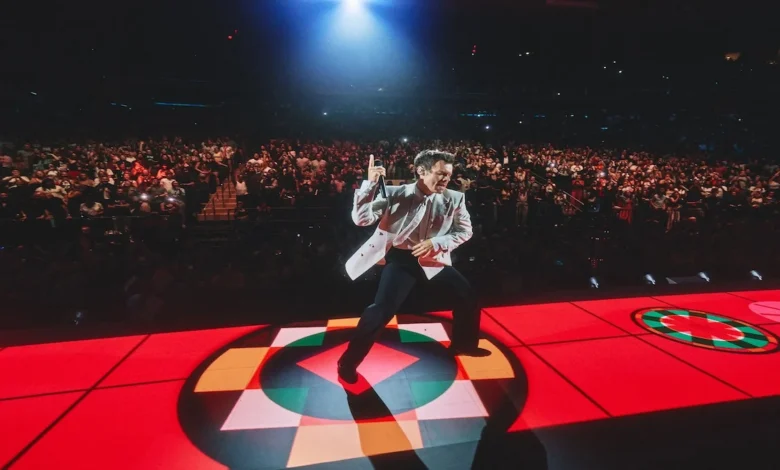
- The Madison Square Garden Residency: Harry Styles is set to headline a 30-day residency at the venue, culminating in an October 31 "Harryween" performance. The logistics of such a residency—requiring significant load-in and load-out coordination within a multi-use arena—underscores the venue’s status as the world’s preeminent indoor concert space. Ticket pricing for these dates ranges from approximately $310 to upwards of $1,500, a reflection of the continued premium placed on live music in the post-pandemic era.
- Theatrical Innovation: The play Oh, Mary!, featuring Bowen Yang, has become a critical success, blending historical satire with contemporary performance art. Its limited run, from September 15 to December 6, highlights the city’s appetite for off-beat, character-driven narratives.
- Broadway Debuts and Pulitzer Pedigree: The production of Other Desert Cities, featuring Julia Louis-Dreyfus, signifies the continued trend of Hollywood talent moving to the Broadway stage to anchor Pulitzer-nominated dramas. Simultaneously, the debut of Imitation of Life, with music and lyrics by John Legend and a book by Lynn Nottage, represents a significant investment in original musical theater. Nottage’s status as the only woman to hold two Pulitzer Prizes for Drama adds substantial cultural weight to the production.
- Classical Music Renaissance: The New York Philharmonic’s season, led by Gustavo Dudamel, remains the cornerstone of the city’s classical music offerings. Dudamel’s tenure is viewed by critics as a transformative period for the organization, as the institution seeks to bridge the gap between traditional symphonic repertoire and modern, diverse audiences.
The Intersection of Art and Industry: The Case of Kos Evans
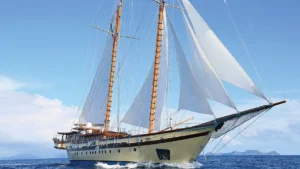
Perhaps the most unique cultural event this November is the Manhattan exhibition of artist Kos Evans, titled "Rock and Royals." The exhibition, held at the Gallery at 200 Lex, serves as a case study in the upcycling of historical materials. Evans, a photographer renowned for her work in the yachting and sailing sectors, has utilized retired sails from some of the most storied vessels in maritime history—including those belonging to the late President John F. Kennedy and the British Royal Family—as a medium for her photography.
The "Rock and Royals" project highlights a growing trend in the fine art world toward utilizing "heritage materials" that carry their own inherent provenance. Each piece in the exhibition is a testament to both the technical difficulty of action photography and the logistical challenge of sourcing material from the archives of legendary racing and royal sailing teams.
According to industry observers, the exhibition also serves as an entry point for Evans into the broader U.S. commercial art market. While she has enjoyed decades of success in European hubs such as Saint-Tropez and Monaco, her debut in the American market—following a summer showing in Nantucket—suggests a strategic expansion. A portion of the proceeds from the sale of these works will be donated to Oceans Without Borders and Nantucket Community Sailing, reinforcing the nexus between art, ocean conservation, and historical preservation.

Implications and Future Outlook
The convergence of these events suggests that Manhattan is not merely recovering from the economic disruptions of recent years but is actively redefining its value proposition to the global traveler. The emphasis on high-touch, exclusive experiences—such as the Faena’s gallery tours or the premium-tier tickets for major residencies—indicates that the city remains a destination for high-net-worth individuals seeking curated access.
Furthermore, the restaurant sector’s shift toward modernized brasseries suggests a desire for stability and comfort in dining. As the city moves into the final quarter of the year, the combination of robust cultural programming and a renewed focus on hospitality infrastructure positions Manhattan as a resilient, evolving, and essential destination for the global elite. Whether through the lens of a camera in a Chelsea gallery or the interior of a concert hall at MSG, the city continues to provide a blueprint for the modern urban experience.