A WNBA Night at the Chase Center: Taking My Teen to See the Dallas Wings in San Francisco

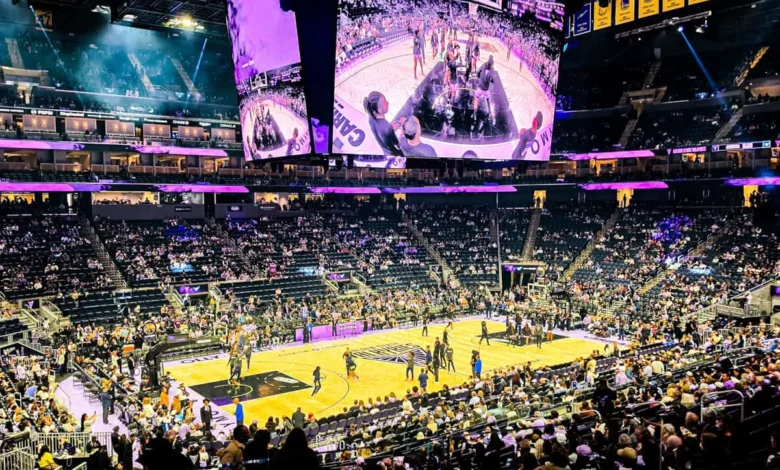
The rising prominence of women’s professional sports has fundamentally altered the sports tourism landscape, drawing families and young fans to arenas across the United States in unprecedented numbers. This cultural shift was recently underscored during a WNBA matchup in San Francisco, where the expansion Golden State Valkyries hosted the Dallas Wings at the state-of-the-art Chase Center. For one traveling family, the fixture provided not only a high-profile athletic showcase featuring rising stars like Paige Bueckers and Azzi Fudd, but also a case study in the logistical integration of public transit, venue accessibility, and urban tourism.

Main Facts of the Matchup and Venue Integration

The regular-season fixture at the Mission Bay complex highlighted the rapid commercial growth of the WNBA’s newest markets. The Golden State Valkyries, established as part of the league’s strategic expansion, have routinely generated high attendance figures since their inaugural tip-off, resulting in significant demand for tickets and premium seating.

For the visiting supporters, navigating the urban landscape of San Francisco proved straightforward due to coordinated municipal transit initiatives. Notably, holders of event tickets for the Chase Center are granted complimentary travel across the San Francisco Municipal Transportation Agency (Muni) network for the entire day of the event. This policy facilitates seamless transit via the Muni Metro T Third line, which delivers passengers directly to the UCSF/Chase Center station at the venue’s south entrance.

Surrounding the arena, Thrive City serves as the mixed-use commercial hub for the complex, housing culinary establishments such as Gott’s Roadside alongside various retail outlets. Urban planners and local authorities have continuously emphasized such multi-use developments to manage crowd flow and disperse pre-game congestion away from the immediate perimeter of the 18,064-capacity arena.

Chronology of the Matchup and Fan Experience

The itinerary for traveling spectators typically begins hours before the official tip-off, aligning with the opening of arena gates approximately 90 minutes prior to the start of play. This pre-game window provides fans with access to the lower bowl and tunnel areas, where players conduct standard warm-up routines.

During the event in question, heightened security protocols enforced by the Chase Center prohibited the entry of backpacks and large bags, restricting patrons to small purses, clutches, or clear totes to expedite screening procedures. Despite these stringent regulations, the venue maintains comprehensive accessibility features, including ramp connections from the neighboring 150 Warriors Way Garage through to Thrive City and complimentary wheelchair escort services originating from the central plaza.

The match itself followed a competitive trajectory before concluding with a 91-80 victory for the home side, the Golden State Valkyries. Despite the final score, the overarching engagement of the youthful demographic in attendance mirrored broader national trends regarding youth sports participation and fandom longevity.

Supporting Data and Economic Implications

The economics of WNBA attendance have undergone a measurable transformation in recent years, driven by record television viewership, lucrative sponsorship deals, and high-profile draft classes. Ticket pricing models at venues like the Chase Center reflect this dynamic: while upper-bowl seats for lower-profile mid-week fixtures can range from $30 to $60 on secondary resale platforms, marquee weekend matchups frequently command significantly higher expenditures. Premium hospitality spaces, such as the arena’s two-story Ultra Club, cater to high-end corporate and individual buyers seeking exclusive dining and beverage amenities.

Furthermore, municipal data indicates that major sporting events at Mission Bay provide a substantial economic boost to local hospitality providers, particularly hotels situated within walking distance—such as the LUMA Hotel San Francisco and Hotel VIA—and nearby dining hubs.

Broader Impact and Sociological Implications

The expanding footprint of women’s basketball is increasingly cited by sports economists as a catalyst for shifts in youth career aspirations. Industry analysts note a tangible rise in young women seeking administrative, coaching, and operational roles within professional sports leagues. This grassroots enthusiasm is reinforced by the proximity of localized professional franchises across various disciplines, fostering an environment where adolescent supporters transition from passive spectators to active participants in sports-related career exploration.

As leagues like the WNBA continue to expand their geographic footprint into major metropolitan areas like the San Francisco Bay Area, the intersection of urban infrastructure, family tourism, and athletic excellence will remain a central pillar of modern sports culture.