Navigating the Venice of the North: A Strategic Guide to Visiting Amsterdam with Babies and Toddlers

Amsterdam, long characterized by its vibrant nightlife and historic "Sin City" reputation, is undergoing a significant demographic shift in its tourism sector as it emerges as one of Europe’s premier destinations for families with infants and toddlers. The capital of the Netherlands, renowned for its intricate canal systems and 17th-century architecture, has invested heavily in urban accessibility and family-oriented infrastructure, making it a model for "slow travel" with young children. This transition is supported by a robust public transportation network, a world-class museum circuit with dedicated interactive spaces, and a culinary landscape that increasingly caters to the logistical needs of parents. For international travelers, understanding the strategic nuances of the city—from the red-paved bike lanes to the narrow staircases of the Jordaan district—is essential for a seamless experience.

Infrastructure and Arrival: Navigating the Gateway to the Netherlands
The journey for most families begins at Schiphol Airport (AMS), a global transit hub that consistently ranks high for its family-friendly amenities, including dedicated "Baby Care Lounges." Upon arrival, the logistical choice of transport into the city center is the first critical decision for parents. While private taxis are available, they frequently lack integrated child safety seats unless pre-booked through specialized services. Consequently, the Nederlandse Spoorwegen (NS) rail network remains the most efficient and cost-effective method for transit. The airport’s train station is situated directly beneath the main terminal, featuring elevators and wide-access gates designed for strollers and heavy luggage.
For those seeking a higher level of convenience after long-haul flights, private transfer services such as Welcome Pickups have filled a market gap by offering pre-booked child seats and "meet and greet" services at the arrivals hall. This logistical foresight eliminates the stress of navigating foreign car seat regulations immediately upon landing.

Urban Mobility: The Stroller, the Carrier, and the Bakfiets
Amsterdam’s layout presents a unique dichotomy for parents. On one hand, the city is remarkably flat and pedestrian-friendly; on the other, its historic core is characterized by narrow, uneven cobblestone streets and steep "staircase" bridges.
The Bicycle Culture
The bicycle is the undisputed king of Amsterdam’s streets, with over 515 kilometers of dedicated cycle paths. For families, the "bakfiets"—a cargo bike with a large wooden or plastic box at the front—is a cultural icon and a practical tool for transporting multiple children. While locals use these effortlessly, tourism experts recommend that short-term visitors opt for traditional bicycles equipped with front or rear-mounted child seats. The bakfiets requires a specific balance and turning radius that can be challenging for the uninitiated.

Public Transit Accessibility
The GVB (Gemeentelijk Vervoerbedrijf) operates the city’s trams, buses, and metros. Modern trams are equipped with low-floor entries and designated areas for strollers, marked clearly on the exterior. However, it is a point of local etiquette and safety to avoid peak commuting hours (08:00–09:00 and 17:00–18:00) when space is limited.
Architectural Constraints
A significant challenge for families lies in the city’s historic architecture. Many canal houses and boutique hotels in districts like the Jordaan feature exceptionally narrow, winding staircases that are incompatible with large strollers. Travelers are advised to utilize lightweight, collapsible travel strollers or ergonomic baby carriers. In many establishments, strollers must be left in ground-floor hallways due to fire safety regulations and space constraints.

Educational and Recreational Landscapes
Amsterdam’s museum culture has evolved to be inclusive of the youngest visitors, moving away from static galleries toward sensory-rich environments.
The NEMO Science Museum
Located in a striking green hull-shaped building near Central Station, NEMO is the pinnacle of interactive education. While many exhibits target school-aged children, the museum provides ample space for toddlers to explore sensory stations. Its rooftop terrace offers a free panoramic view of the city and features water-play elements that are a major draw during the summer months.

The ARTIS Royal Zoo
Established in 1838, ARTIS is one of the oldest zoos in Europe. It serves as an urban oasis, combining zoological exhibits with a planetarium and a botanical garden. For parents, the zoo is strategically designed with wide paths and multiple "toddler-friendly" zones, including an on-site restaurant with an adjacent playground, allowing for a controlled environment where children can expend energy between museum visits.
Vondelpark: The City’s Green Lung
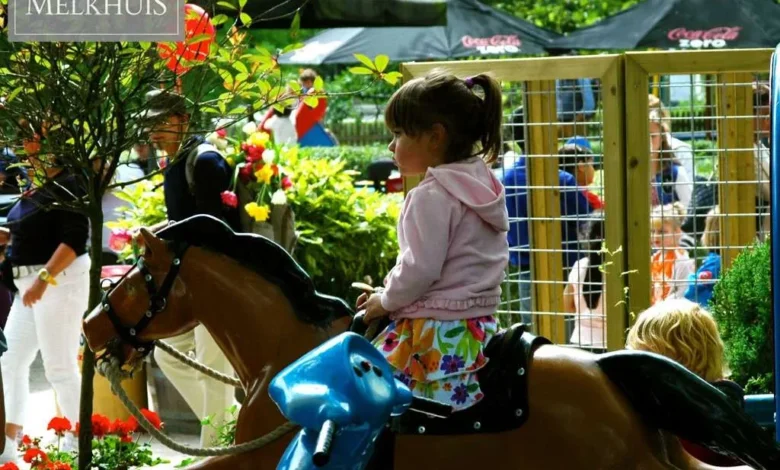
The Vondelpark attracts approximately 10 million visitors annually. For families, it offers a reprieve from the dense urban center. The park features several playgrounds, most notably the Groot Melkhuis, which includes a waterside café where parents can supervise children in a fenced play area. The park’s design allows for long, uninterrupted stroller walks or safe bicycle practice for older toddlers.

Strategic Financial Planning: The I amsterdam City Card
To manage the costs associated with a high-density tourist city, the "I amsterdam City Card" is a significant asset for families. The card provides tiered access (24 to 120 hours) to over 70 museums, a canal cruise, and unlimited use of GVB public transport.
Data suggests that for a family planning to visit at least two major attractions per day (such as the Van Gogh Museum and the National Maritime Museum), the card pays for itself within the first 48 hours. Furthermore, the inclusion of the canal cruise provides a "low-impact" sightseeing option, allowing families to view the city’s 17th-century UNESCO World Heritage sites from the water, which is often more engaging for infants than walking tours.

Logistics of Daily Care: Supplies and Nutrition
The Netherlands maintains high standards for pediatric products, and Amsterdam is well-stocked with essential supplies, reducing the need for travelers to pack bulk items like diapers and formula.
Supermarkets and Pharmacies
The dominant supermarket chain, Albert Heijn (AH), is ubiquitous throughout the city. Most locations stock a comprehensive range of organic baby foods, milk formulas, and high-quality diapers (Pampers and store brands). For specialized hygiene products, pharmacies like Etos and Kruidvat offer a wider selection of dermatologically tested creams and infant medicines.

Dining Etiquette
The Dutch culinary scene is remarkably accommodating to children. The "Pancake Bakery" on Prinsengracht is a staple for families, serving traditional poffertjes (miniature buckwheat pancakes) which are a favorite among toddlers. Many restaurants provide high chairs (kinderstoel) as a standard, though it is recommended to call ahead for evening reservations at more formal establishments like "Moeders," which specializes in traditional Dutch home cooking.
Neighborhood Analysis for Family Stays
Choosing the correct district is paramount for a successful family itinerary.
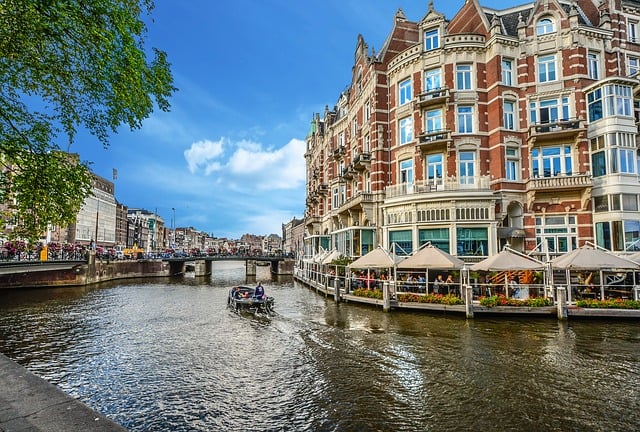
- Leidseplein and Museumplein: This area is ideal for families who prioritize proximity to cultural institutions and Vondelpark. The wide boulevards are easier to navigate with strollers than the inner canal rings.
- The Jordaan: Once a working-class district, it is now a scenic, quieter residential area. While the streets are narrow, the lack of heavy traffic and the abundance of small boutiques and cafes make it a charming base for families.
- Plantage District: Surrounding the ARTIS Zoo, this neighborhood is greener and more spacious, offering a more relaxed pace than the bustling city center near Dam Square.
Broader Implications and Family Tourism Trends
Amsterdam’s success in attracting young families is a testament to the "8-80 City" philosophy—the idea that if a city works for an 8-year-old and an 80-year-old, it works for everyone. By prioritizing bicycle safety, public green spaces, and museum accessibility, Amsterdam has diversified its economic base. The city is no longer reliant solely on the "party tourism" that characterized previous decades; instead, it is capturing a higher-spending, longer-staying demographic of international families.
The implications for travelers are clear: with moderate planning regarding transportation and accommodation, Amsterdam offers a sophisticated yet accessible European experience. The city’s ability to blend high art and history with practical, child-centered amenities ensures that even the youngest travelers can participate in the cultural life of the Netherlands. As urban centers globally look for ways to become more livable, Amsterdam’s family-friendly infrastructure serves as a blueprint for the modern, inclusive metropolis.