A Child Eyes in the Rainforest: Documenting a Familys Two-Week Expedition Through Costa Rica Through the Perspective of a Five-Year-Old

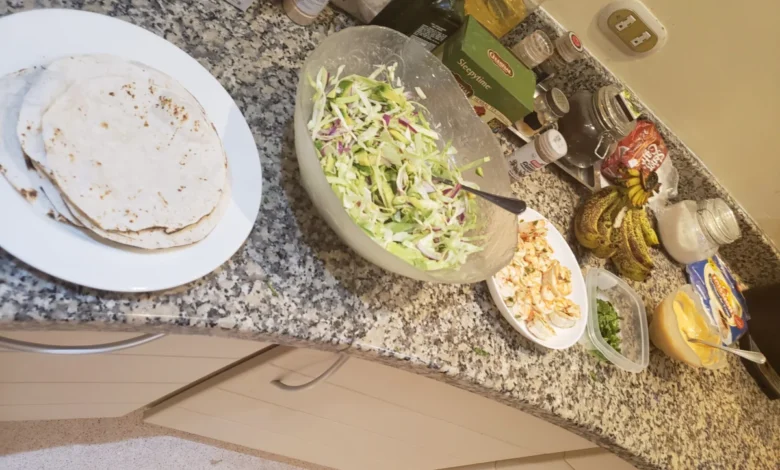
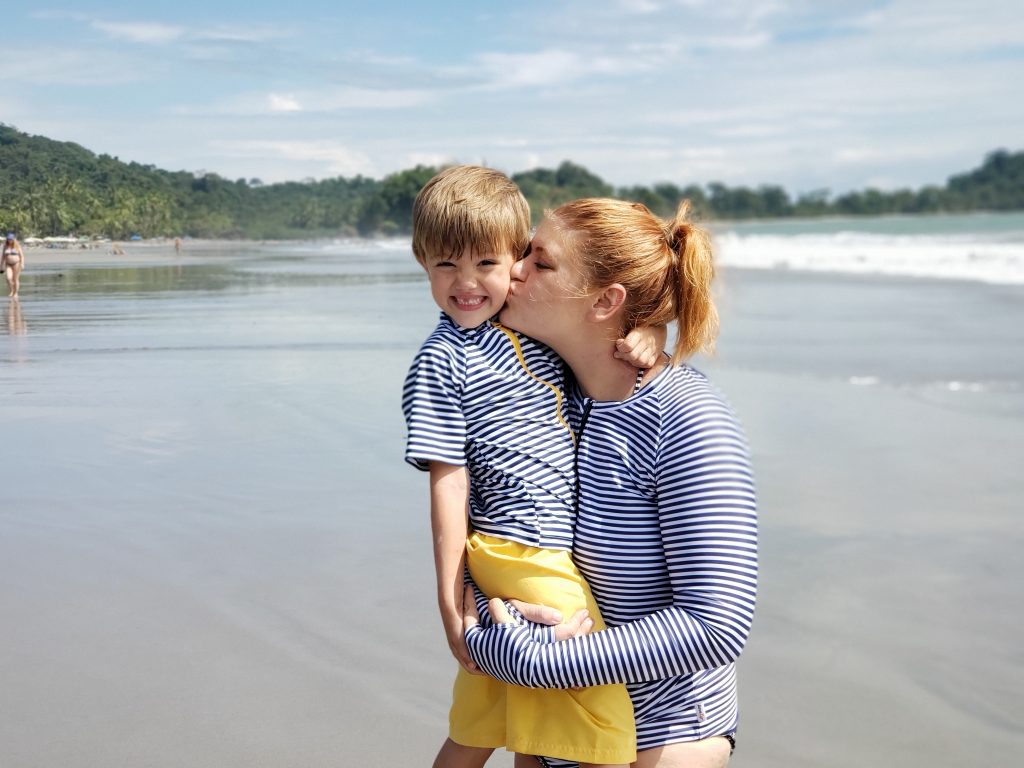
Family travel writing typically focuses on the logistical challenges of adult itineraries, curated dining experiences, and adult-centric cultural excursions. However, a recent family travel feature highlights a refreshing departure from standard travel journalism by documenting a comprehensive two-week expedition through Costa Rica entirely through the unfiltered perspective of a five-year-old child. Utilizing a dedicated children’s travel journal purchased prior to departure, a traveling mother recorded her young son’s daily impressions, dietary preferences, wildlife sightings, and emotional responses during their extended stay in Manuel Antonio, Costa Rica, offering a unique empirical study in early childhood travel perception and memory retention.
Background and Context of the Costa Rica Expedition
Costa Rica remains one of the premier global destinations for eco-tourism, drawing millions of international visitors annually to its protected national parks, diverse wildlife reserves, and dual coastline ecosystems. For families, the Central American nation presents both an accessible entry point into international travel and a complex logistical environment, characterized by mountainous terrain, tropical weather patterns, and winding infrastructure.
The family’s journey took place over a two-week period in October, a month that falls within Costa Rica’s distinct green season, locally known as the rainy season. While peak tourism typically occurs during the dry season from December to April, the green season offers lush landscapes, fewer crowds, and active wildlife, albeit accompanied by frequent afternoon downpours and occasional tropical storms. The primary base for the family’s extended stay was Manuel Antonio, a coastal village renowned for its national park, steep rainforest hillsides, and abundant populations of capuchin, howler, and squirrel monkeys, alongside multiple species of sloths.
Chronology of the Journey: A Day-by-Day Journal Breakdown

The documented expedition spanned fifteen days, capturing the unpredictable nature of traveling with young children through a developing tropical nation. The chronological account reveals a balance between structured outdoor excursions, unexpected transit delays, weather-induced itinerary adjustments, and the simple comforts required by a five-year-old traveler.
The journey commenced with international air travel followed by a complex ground transit. Day one presented an immediate logistical hurdle common to Costa Rican infrastructure: a five-hour traffic delay on the primary arterial road to Manuel Antonio resulting from a vehicular accident. Despite the disruption, the young traveler’s journal entries focused on immediate sensory milestones, specifically noting a stop in Tárcoles to observe American crocodiles from the bridge and a subsequent trip to a local supermarket to acquire Oreo cookies.
Subsequent days highlighted the seamless integration of wildlife observation into everyday accommodations. Day two featured pool activities and direct encounters with monkeys and sloths in the rental property’s backyard, culminating in a dinner excursion to a local restaurant, Jolly Rogers, where the child documented a preference for simple ham and cheese sandwiches.

As the tropical weather patterns asserted themselves, days three and four were characterized by heavy rainfall. The young participant adapted by engaging in indoor activities, including playing video games on a tablet, consuming comfort foods such as macaroni and cheese, and visiting a local marina.
Outdoor adventures resumed on day five with a boat excursion in the coastal waters. Despite experiencing mild motion sickness, the child reported an overall positive experience, noting sightings of sea turtles followed by afternoon beach exploration and cave investigation. Day six involved an early morning rainforest hike to regional waterfalls, requiring navigation through riverbeds and rocky terrain, succeeded by afternoon wave-riding at the beach.
Mid-trip events included experiencing a minor seismic event—specifically a 4.9 magnitude earthquake—on day seven, an occurrence common to the seismically active Pacific Ring of Fire upon which Costa Rica sits. The child noted the event matter-of-factly alongside culinary highlights of local chicken dishes. Days eight and nine brought the arrival of traveling companions, visits from new friends during backyard barbecues, hammock relaxation, and a continued insistence on familiar childhood staples like macaroni and cheese balanced against local tropical treats.

Weather fluctuations continued into the second week. Day eleven required a pivot from planned waterfall excursions near Dominical due to severe storms, leading to breakfast at Cafe Milagro featuring mango crepes and fried plantains, a newly discovered culinary favorite. Day twelve provided favorable beach conditions, allowing for wave jumping, beachcombing—highlighted by the discovery of a jade stone—and sampling beef empanadas sold by local vendors. The afternoon concluded at the Quepos farmers market, where the child explored regional produce including white pineapple, mora juice, and dragon fruit, alongside examining a preserved shark jaw at a local vendor stall.
Following two undocumented days, the journey concluded on day fifteen with a three-hour ground transit to the international airport, a connecting flight through Houston, Texas, and a late-night return home greeted by family.
Supporting Data and Tourism Implications in Manuel Antonio

Analyzing family-focused eco-tourism through the lens of a young participant reveals significant insights into destination marketing and family travel planning. Manuel Antonio, situated in the Puntarenas Province, serves as a micro-cosm for Costa Rica’s broader tourism strategy, which balances environmental conservation with commercial hospitality infrastructure.
Data from the Costa Rican Tourism Board (ICT) consistently indicates that family travelers represent a substantial demographic of inbound visitors. Destinations like Manuel Antonio cater to this market by integrating American culinary options—such as local establishments serving burgers, wings, and familiar comfort foods—alongside traditional Costa Rican gastronomy like gallo pinto and patacones. This hybrid culinary landscape mitigates the friction often associated with juvenile dietary preferences during international travel.
Furthermore, the journal entries underscore the psychological resilience and adaptability of children in foreign environments. While adult travelers frequently prioritize rigid itineraries and exhaustive sightseeing schedules, a child’s focus on tactile experiences—such as the texture of a jade stone, the taste of local fruit, or the comfort of a digital tablet during rainstorms—suggests that successful family travel relies heavily on unstructured downtime and balancing novel stimuli with familiar routines.

Methodological Value of Children’s Travel Journals
Child developmental psychologists and educators frequently advocate for the integration of journaling and reflective writing during childhood travel. The practice of dictating thoughts to a parent or writing independently encourages narrative structuring, enhances memory retention, and provides a healthy outlet for processing unfamiliar cultural and environmental stimuli.
In the case of this expedition, the journal served as an accidental archival tool. As noted by the supervising adult, the failure to record activities on days thirteen and four-teen demonstrated the unreliability of adult memory when subjected to extended travel fatigue, whereas the daily entries for the preceding days remained vivid and detailed. This observation underscores a broader methodological takeaway for family travel documentation: capturing narratives from the perspective of minor participants yields authentic, highly detailed records that diverge productively from standard adult travelogues.

Broader Industry Impact and Future Outlook
The publication of child-narrated travel accounts reflects an evolving genre within digital travel media. As family travel bloggers seek differentiation in a saturated digital market, shifting the narrative voice from the parent to the child offers authenticity and distinct narrative angles.
Looking forward, destinations within Costa Rica and similar eco-tourism hubs continue to adapt their infrastructure to accommodate multi-generational family units. Improved road safety measures, expanded healthcare access in remote coastal regions, and the proliferation of child-friendly excursion operators ensure that destinations like Manuel Antonio remain accessible to families with young children.
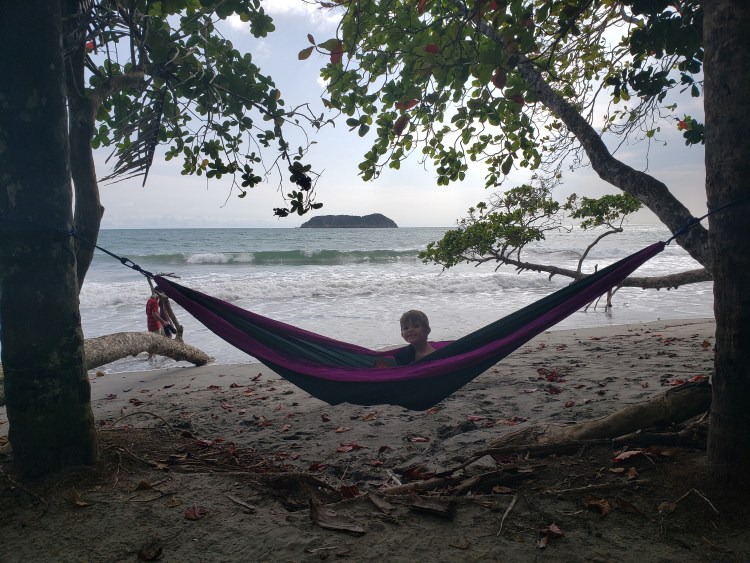
Ultimately, the documented two-week expedition illustrates that despite logistical hurdles such as traffic delays, seasonal storms, and minor ailments, international travel provides enduring developmental and recreational value for young children. As evidenced by the participant’s concluding sentiment—expressing an immediate desire to return and a reluctance to depart—the experiential impact of immersing a five-year-old in the biodiversity and culture of Costa Rica transcends the temporary challenges of transit and weather, cementing an early foundation for lifelong global citizenship and travel appreciation.
Related posts: