Ultra-Low-Cost Airlines Renew Push for Tax Break to Offset Soaring Jet Fuel Costs

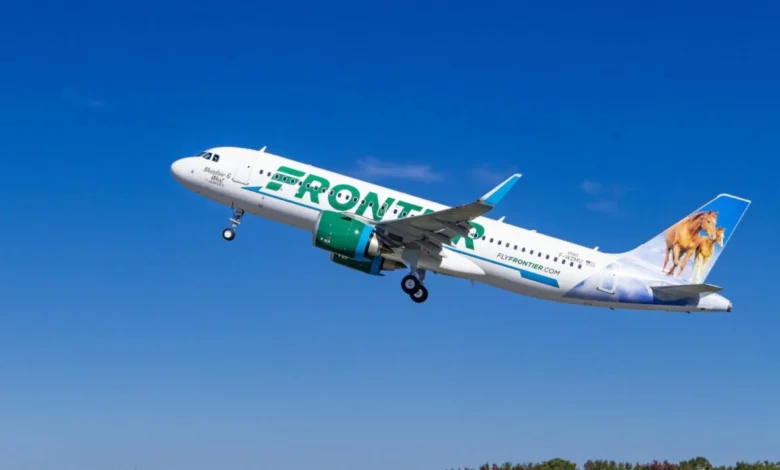
The Association of Value Airlines (AVA), a trade organization representing the interests of Allegiant Air, Frontier Airlines, Avelo Air, and Breeze Airways, has initiated a concerted lobbying effort to engage federal legislators. The group is advocating for a temporary suspension or reduction of the federal excise taxes levied on jet fuel, a move they argue is essential to maintaining the affordability of domestic air travel for price-sensitive passengers.
The Economic Pressure of Jet Fuel Costs
Jet fuel remains one of the most volatile and significant operating expenses for airlines, typically accounting for between 20% and 30% of total operating costs. For ultra-low-cost carriers (ULCCs), whose business models are built upon extreme cost-efficiency and lean margins, the current inflationary environment surrounding energy markets presents an existential threat.
Unlike legacy carriers that often employ complex hedging strategies to lock in fuel prices, ULCCs frequently operate with more immediate exposure to spot market pricing. As global crude oil prices fluctuate due to geopolitical tensions in Eastern Europe and the Middle East, as well as shifts in OPEC+ production quotas, the bottom lines of budget carriers have come under unprecedented strain.
The aviation industry currently pays a federal excise tax of 4.3 cents per gallon on jet fuel, which contributes to the Airport and Airway Trust Fund. While this tax is relatively small in absolute dollar terms compared to the total price per gallon, the AVA argues that the cumulative impact—compounded by the rising cost of the fuel itself—disproportionately affects the low-fare segment of the industry.
Chronology of the Advocacy Effort
The current push for a tax holiday is not the first time the aviation industry has sought federal intervention regarding fuel costs. During the height of the COVID-19 pandemic, the industry received billions in federal support via the Payroll Support Program (PSP) to prevent mass layoffs. However, that aid was strictly tied to labor retention rather than operational overheads like fuel.
Following the initial economic recovery in 2021 and 2022, fuel prices spiked to record levels in the wake of the conflict in Ukraine. During this period, several industry groups held informal discussions with the Department of Transportation and the House Committee on Transportation and Infrastructure.
In the last several weeks, Jonathon Freye, the executive director of the AVA, has accelerated outreach efforts, signaling to congressional offices that the economic reality for budget travelers has shifted. The AVA’s current strategy focuses on positioning the tax holiday not as a corporate bailout, but as a consumer-protection measure. By lowering the tax burden, airlines could ostensibly maintain lower ticket prices, thereby preventing the "grounding" of the economy for middle- and low-income travelers who rely on budget airlines for regional connectivity.
Supporting Data and Market Context
The request for a tax holiday comes at a time when the broader airline industry is experiencing a bifurcated recovery. While international and premium travel segments have shown robust demand and high yields, domestic budget travel has faced challenges related to capacity constraints and cooling consumer demand.
According to data from the Energy Information Administration (EIA), the average price of jet fuel rose significantly between 2021 and 2024. For a mid-sized ULCC operating a fleet of approximately 100 aircraft, a 20% increase in fuel costs can translate to hundreds of millions of dollars in additional annual expenses. Because these carriers operate on razor-thin net profit margins—often in the low single digits—the ability to pass these costs onto consumers is limited by the price elasticity of their customer base.
Industry analysts suggest that if the tax holiday were enacted, it would provide a short-term cash flow buffer. However, critics of the proposal note that the Airport and Airway Trust Fund is a critical source of revenue for modernizing the U.S. air traffic control system and improving airport infrastructure. Diverting or suspending these funds could create a long-term capital deficit for the Federal Aviation Administration (FAA).
Official Responses and Legislative Outlook
The legislative reception to the AVA’s proposal has been tepid. As of mid-2024, there has been no formal introduction of legislation in the House or Senate to authorize a jet fuel tax holiday.
The House Transportation and Infrastructure Committee, which holds jurisdiction over such matters, has not publicly engaged with the proposal. Congressional staffers often view tax holidays as "slippery slope" measures that could invite similar requests from other transportation sectors, such as trucking or rail, both of which are also sensitive to diesel and energy prices.
Furthermore, the Biden administration has remained focused on energy policy through the lens of long-term transition to Sustainable Aviation Fuel (SAF). The current administration’s priority has been to provide incentives for SAF production rather than offering broad-based tax relief for conventional kerosene-based jet fuel.
Implications for the U.S. Airline Industry
The push by the AVA highlights a fundamental tension in the aviation sector: the divergence between "network" legacy carriers and "point-to-point" budget carriers.
- Impact on Competition: If a tax holiday were granted, it would disproportionately benefit ULCCs, potentially allowing them to underprice legacy carriers on competitive routes. This could lead to intense lobbying opposition from industry giants like Delta, United, and American Airlines, who might argue that such a measure creates an uneven playing field.
- Consumer Affordability: The primary argument for the tax holiday is the preservation of affordable travel. In many secondary and tertiary markets, ULCCs are the only carriers providing non-stop service. If these airlines were forced to significantly hike fares to cover fuel costs, many routes could become unprofitable, leading to the reduction of service in smaller communities.
- Infrastructure Funding: A reduction in the tax intake for the Airport and Airway Trust Fund would necessitate a debate on how to backfill the lost revenue. This could lead to discussions about increasing Passenger Facility Charges (PFCs) or other airport-related fees, which would ultimately be paid by the consumer, thereby negating some of the cost savings the tax holiday intended to provide.
The Path Forward
For Jonathon Freye and the AVA, the immediate goal is to keep the conversation alive. The strategy appears to be one of "drip-feed" advocacy, where the association continuously provides updated data on fuel price volatility to congressional offices. By framing the issue as an affordability crisis, they hope to gain bipartisan support in an election-year environment where voters are highly sensitive to inflationary pressures.
However, historical precedent suggests that federal tax relief for the airline industry is rarely granted outside of extraordinary crises. Unless there is a sustained, catastrophic spike in fuel prices that threatens the systemic stability of the domestic aviation market, the likelihood of a legislative breakthrough remains low.
For now, the ULCC sector must continue to navigate the headwinds of the energy market using traditional levers: fleet modernization for better fuel efficiency, dynamic pricing models, and rigorous capacity management. Whether the plea for a tax holiday will transition from an informal request to a formal legislative debate remains the primary uncertainty for the budget aviation industry as it looks toward the next fiscal quarter.
As the airline industry continues to evolve, the demand for affordable air travel will remain a central pillar of the U.S. economy. The outcome of these discussions will serve as a bellwether for how the federal government chooses to balance the competing interests of industry profitability, infrastructure funding, and consumer-price accessibility.