The Essential Paris Travel Guide: A Comprehensive Five-Day Itinerary for Navigating the French Capital

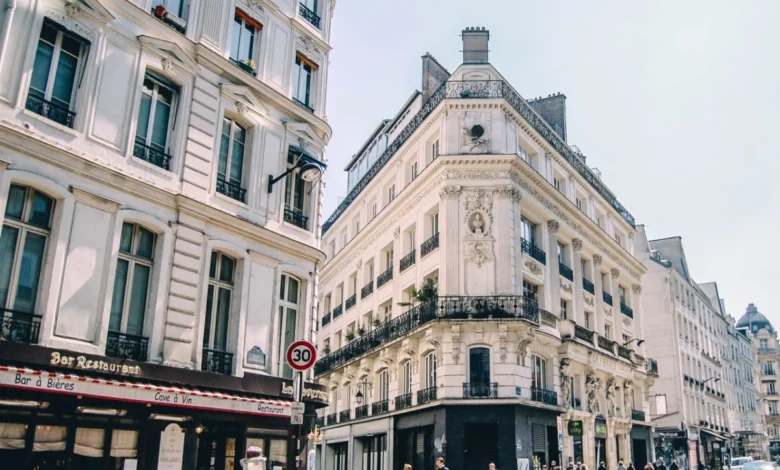
Paris, the capital of France and a global epicenter for art, gastronomy, and historical architecture, remains one of the world’s most visited destinations. With millions of international arrivals annually, the city presents a complex landscape for travelers attempting to reconcile its massive array of cultural offerings with the logistical realities of urban exploration. To optimize a visit, a structured approach is essential, particularly for those seeking to balance iconic landmarks with lesser-known historical sites.
Strategic Logistics and Urban Navigation
The primary entry point for international travelers is Paris Charles de Gaulle (CDG) Airport, which is connected to the city center via the RER B suburban train line. Within the city, the Paris Métro—a network comprising 16 interconnected lines—is the most efficient mode of transit. Urban planners note that while the city is famously walkable, the scale of its arrondissements often necessitates the use of public transit to maintain a rigorous itinerary.
Data from the Paris Convention and Visitors Bureau suggests that visitors who purchase a multi-day Paris Visite pass or similar transit cards significantly reduce both costs and wait times at ticket kiosks. For those planning an intensive sightseeing schedule, the Paris Pass provides entry to over 60 attractions and is often cited as a tool for mitigating the logistical challenges of high-demand venues.
Seasonal Considerations for Tourism
Tourism in Paris is subject to significant seasonal fluctuations. While spring and summer are peak months, characterized by the blooming of gardens such as the Jardin des Tuileries and the Versailles estates, these periods also feature record-high visitor volumes. Historical data indicates that the winter months, specifically January and February, offer a sharp reduction in wait times at major landmarks like the Notre Dame Cathedral and the Louvre Museum. However, travelers must balance the benefit of shorter lines against reduced operating hours for some outdoor sites and the necessity of cold-weather preparation.
A Structured Five-Day Itinerary
To maximize efficiency, the city should be navigated by geographic cluster to minimize transit time.
Day 1: The Iconic West End
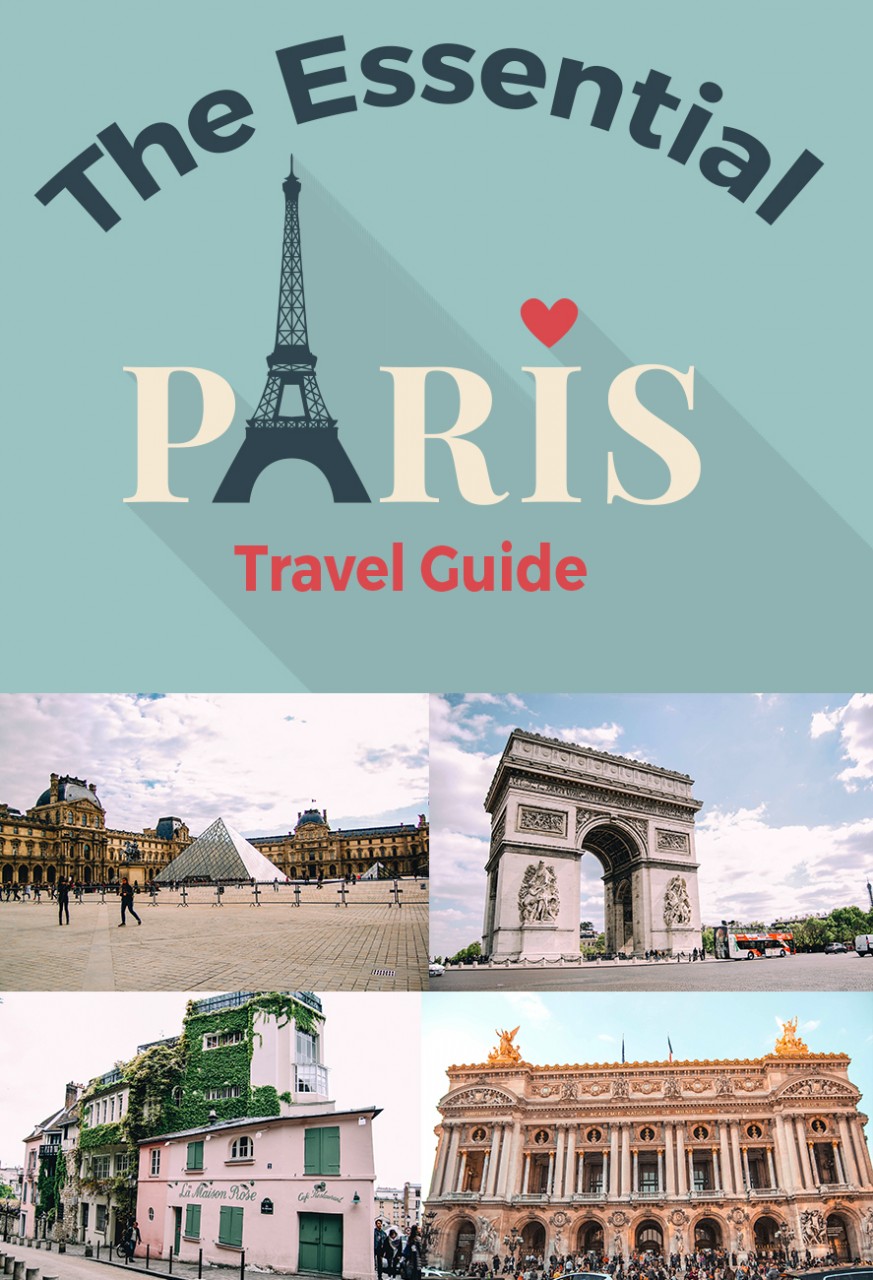
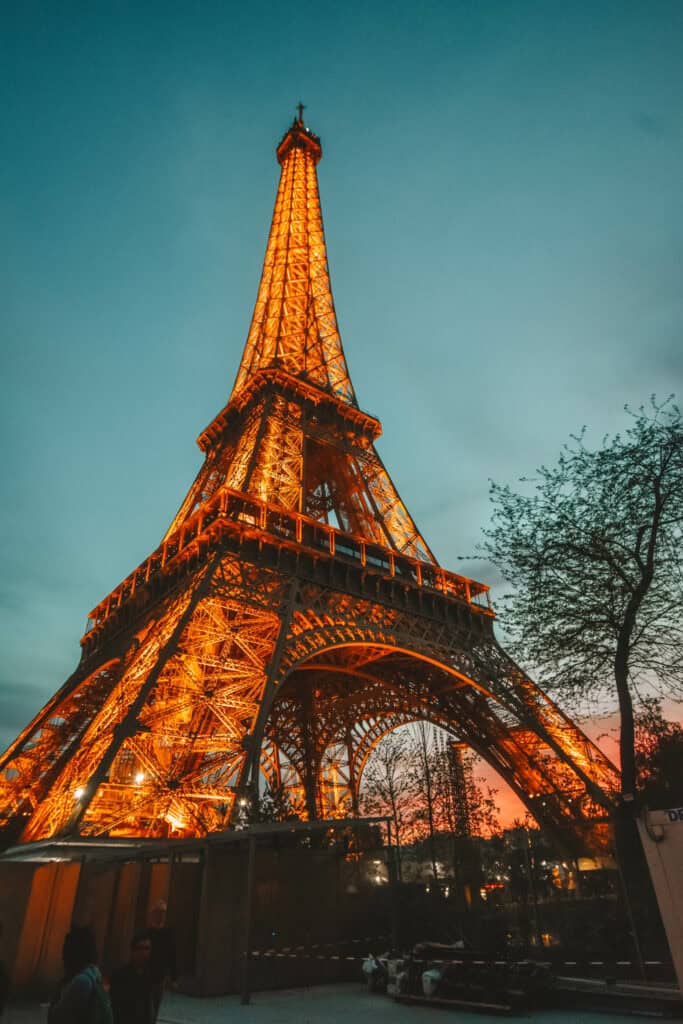
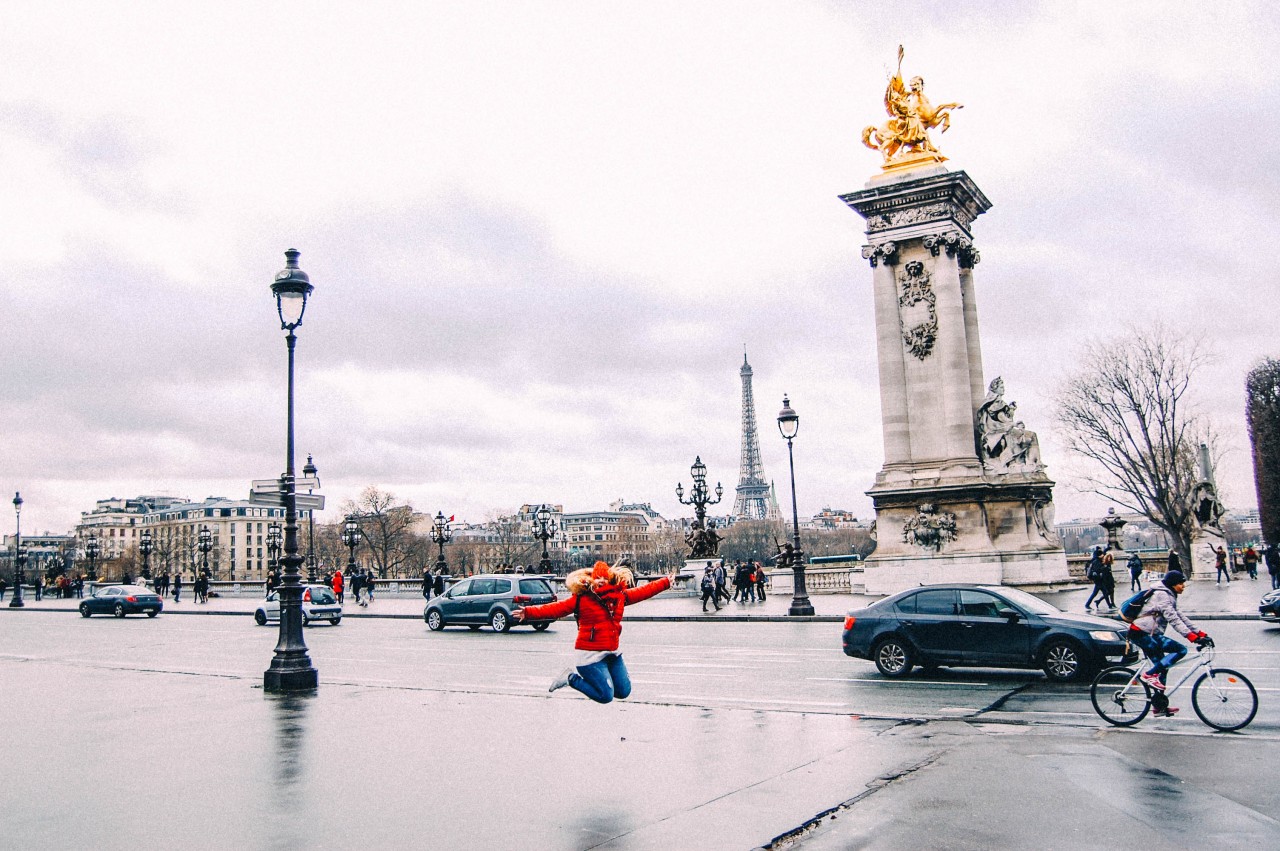
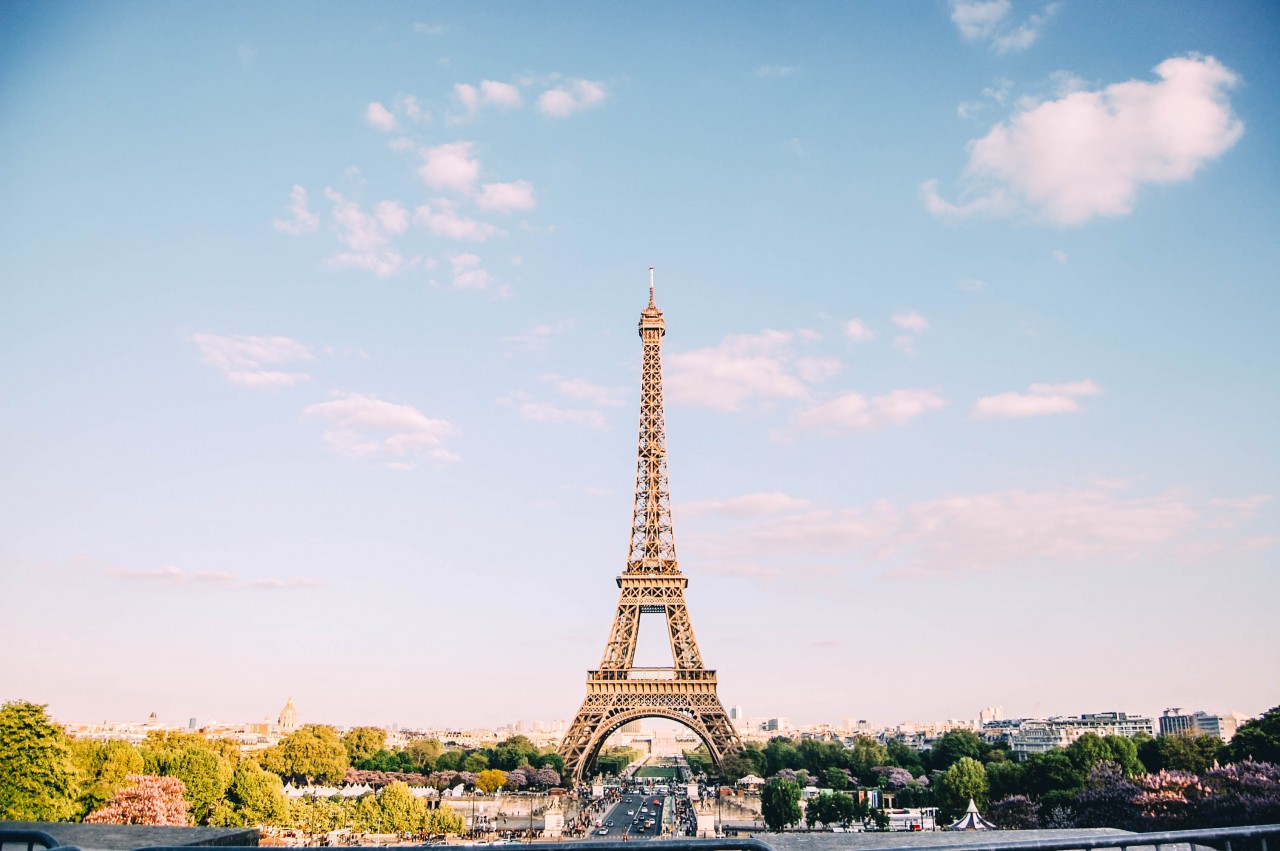
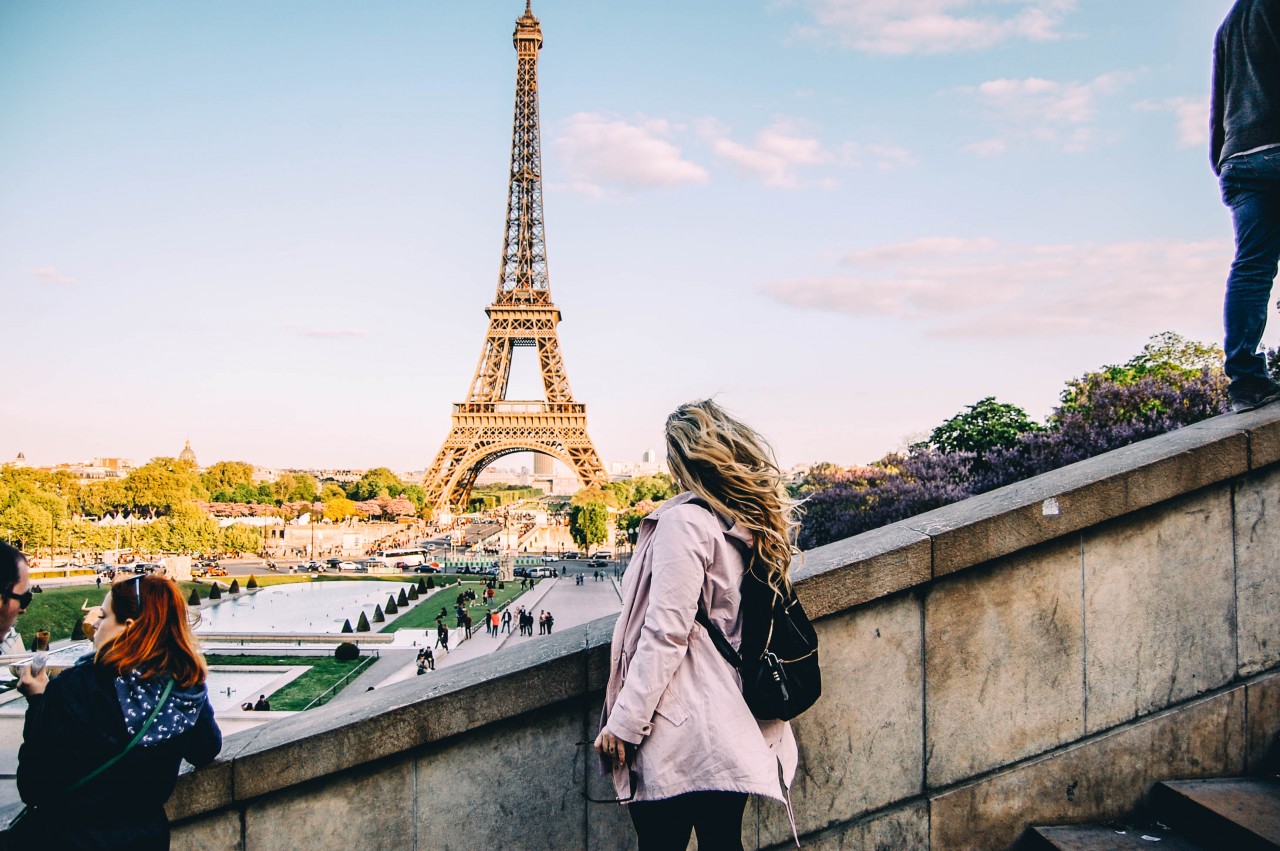
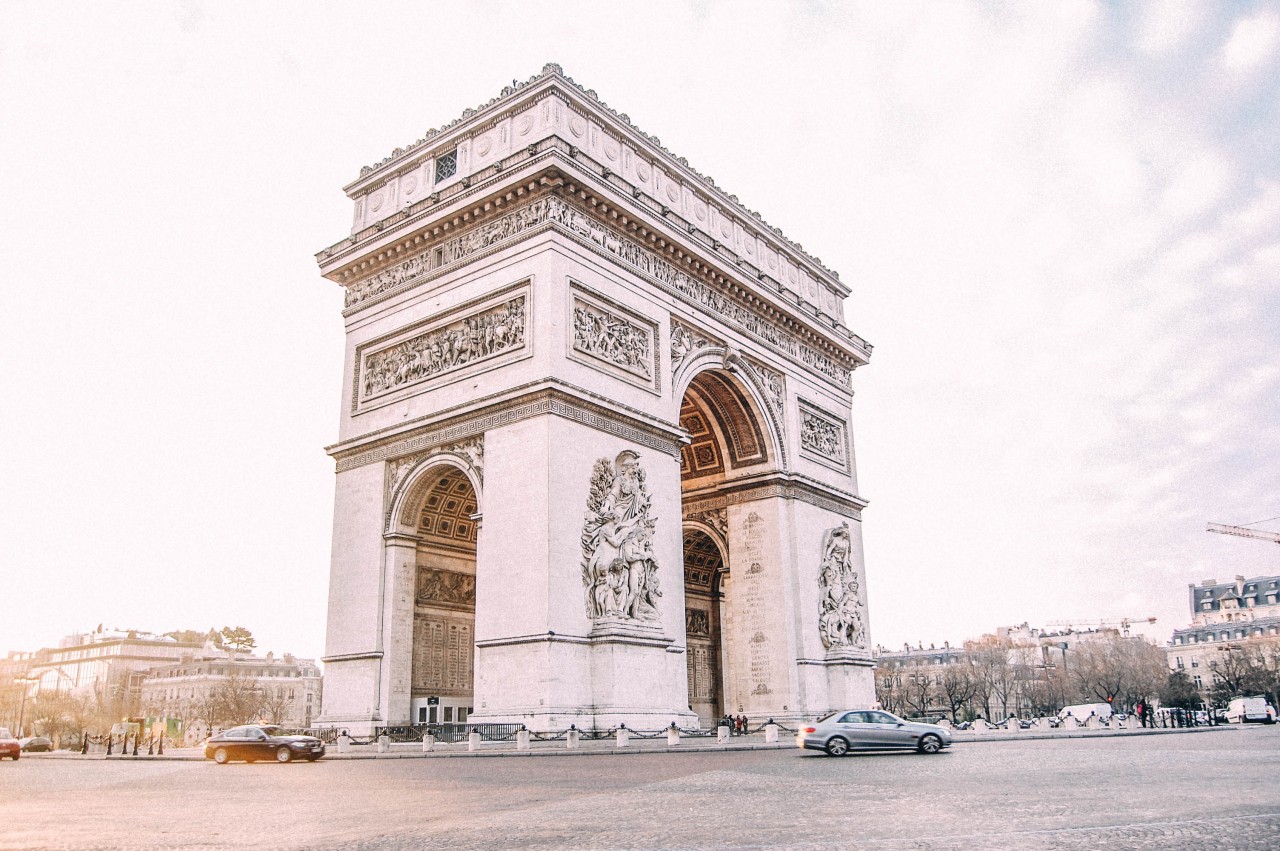
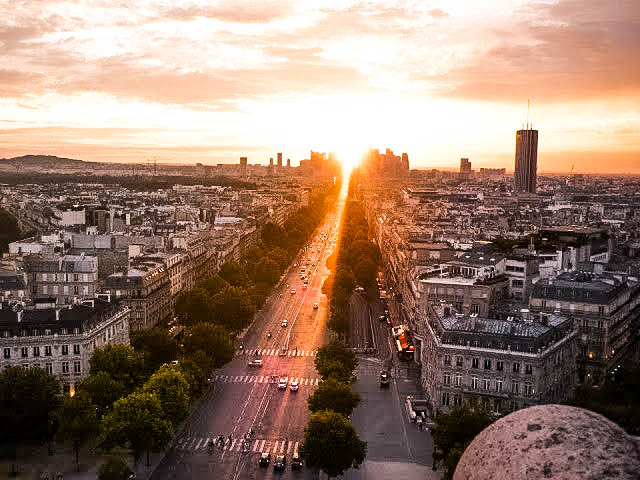
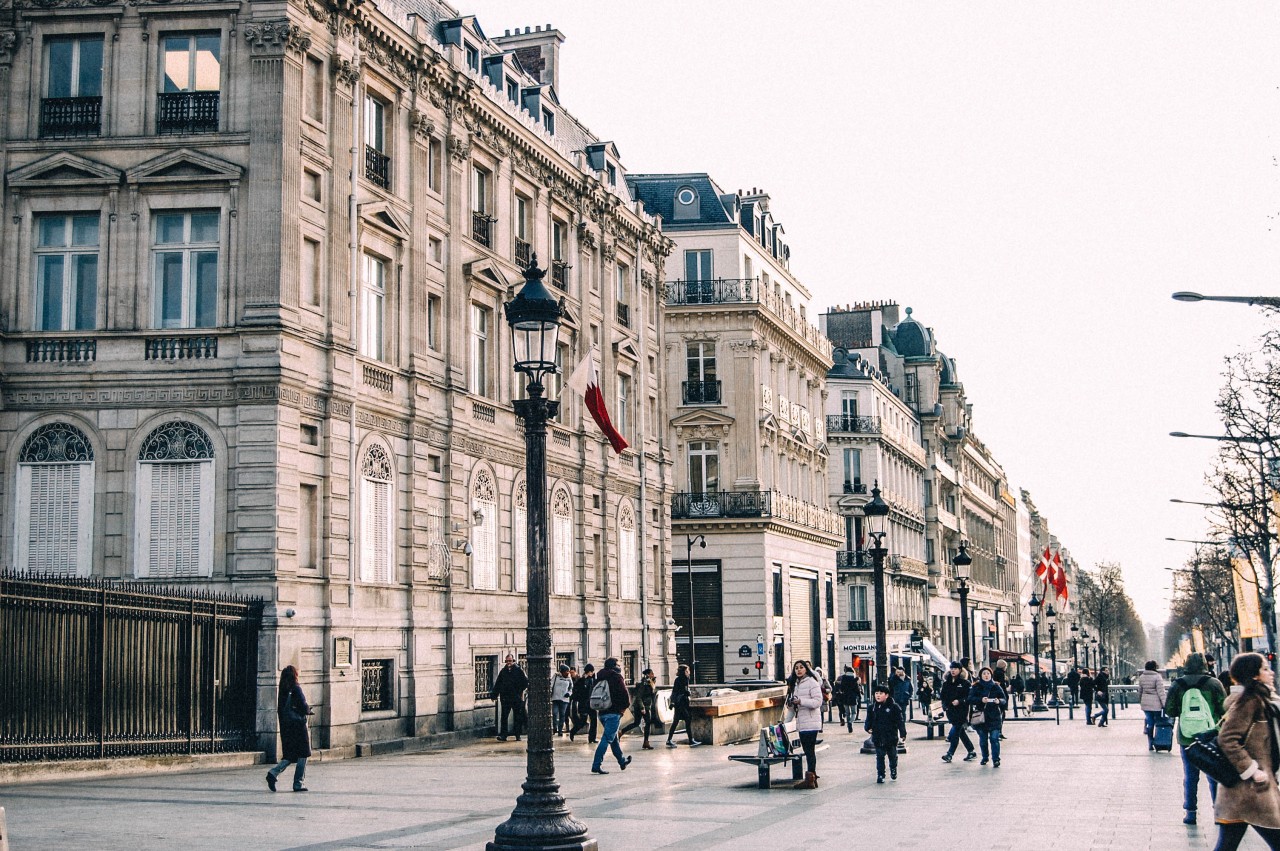
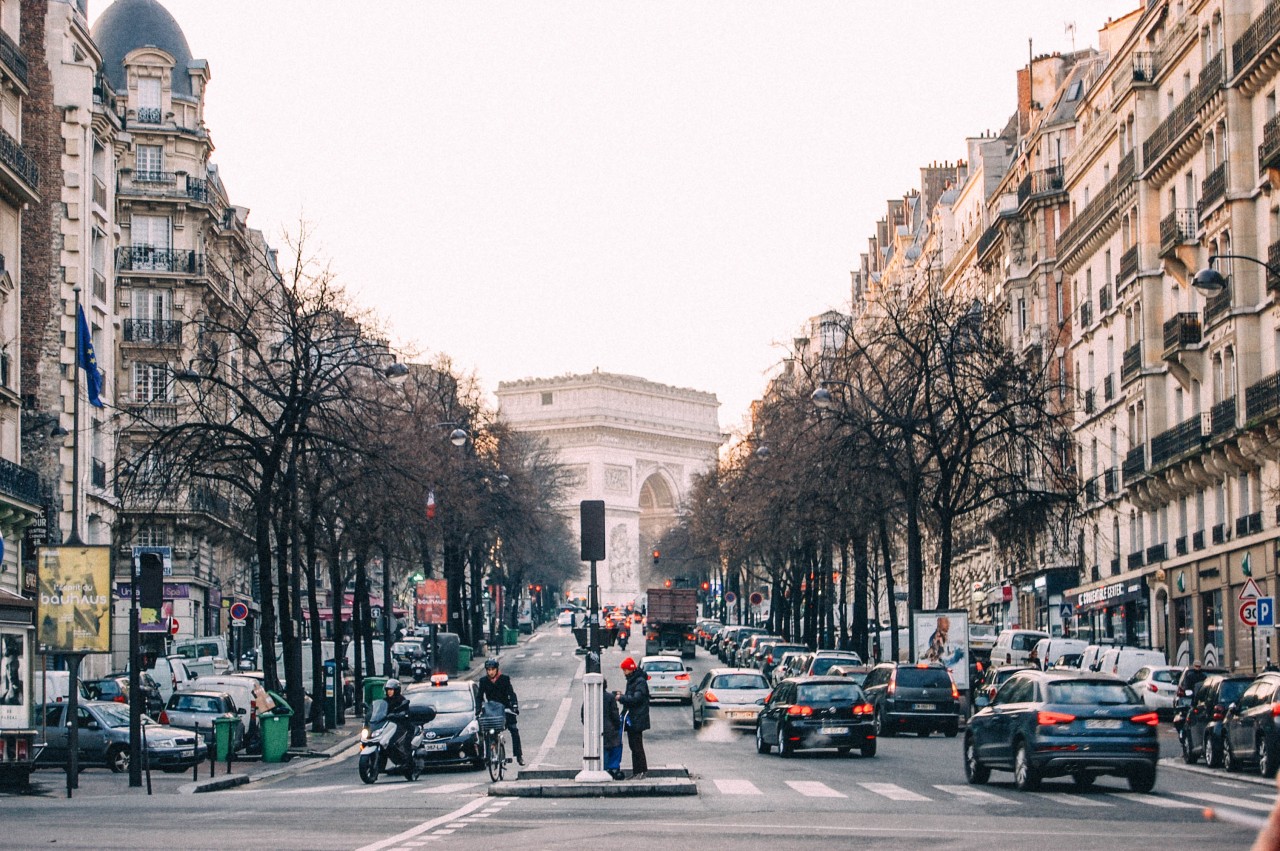
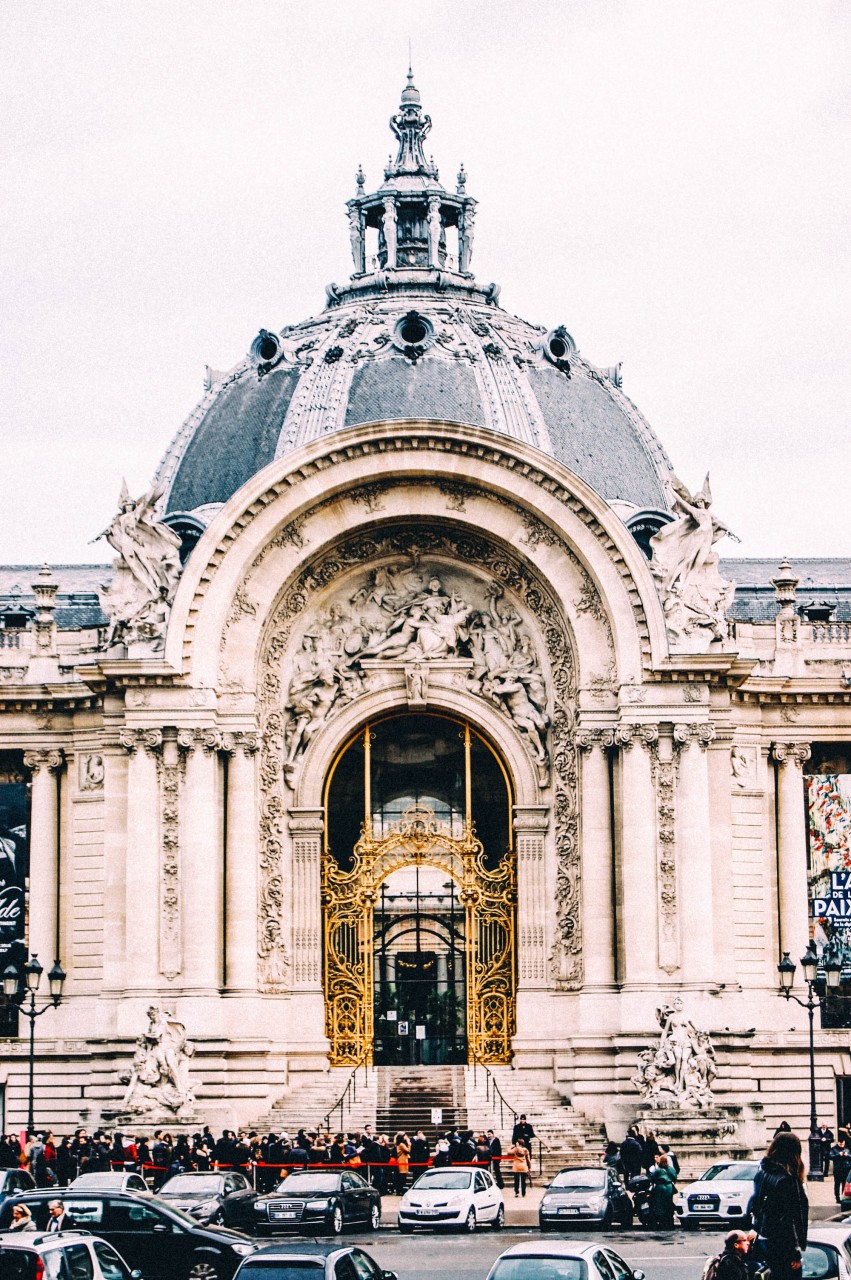
The itinerary begins at the Trocadéro, which provides the most expansive view of the Eiffel Tower. After visiting the tower, travelers typically proceed toward the Arc de Triomphe, located at the center of the Place Charles de Gaulle. The afternoon is best spent walking the length of the Avenue des Champs-Élysées, followed by a visit to the Grand Palais and Petit Palais, which serve as architectural landmarks of the 1900 Exposition Universelle.
Day 2: Historical Foundations and Artistic Heritage
The second day focuses on the Île de la Cité, the historical heart of Paris. The morning should be reserved for the Notre Dame Cathedral and the Sainte-Chapelle, renowned for its 13th-century stained glass. Crossing the Pont Saint-Michel leads into the Latin Quarter, an area defined by its dense concentration of intellectual and student history. The day concludes at the Louvre, which houses thousands of years of human history. Due to its scale, visitors are advised to identify specific wings—such as the Denon or Richelieu—prior to arrival.
Day 3: Artistic Enclaves and Montmartre
Montmartre offers a distinct departure from the central districts. Known as the former residence of artists such as Picasso and Dalí, the neighborhood retains its 19th-century bohemian character. A walking tour of the district allows for exploration of the Moulin Rouge, the La Maison Rose, and the Basilique du Sacré-Cœur, which sits at the highest point of the city. The afternoon can be dedicated to the Galeries Lafayette, an example of Belle Époque architecture, before ending the day at the Père Lachaise Cemetery, the final resting place of historical figures including Oscar Wilde and Édith Piaf.
Day 4: The Versailles Excursion
A day trip to the Palace of Versailles is a standard component of a comprehensive Paris itinerary. Located approximately 20 kilometers southwest of Paris, the estate represents the pinnacle of French Baroque architecture. The site consists of the main palace, the vast gardens, and the Petit Trianon. Given that the palace receives over 8 million visitors annually, advance ticket reservations are mandatory to ensure access to the Hall of Mirrors and the royal apartments.
Day 5: Cultural Immersion and Departures
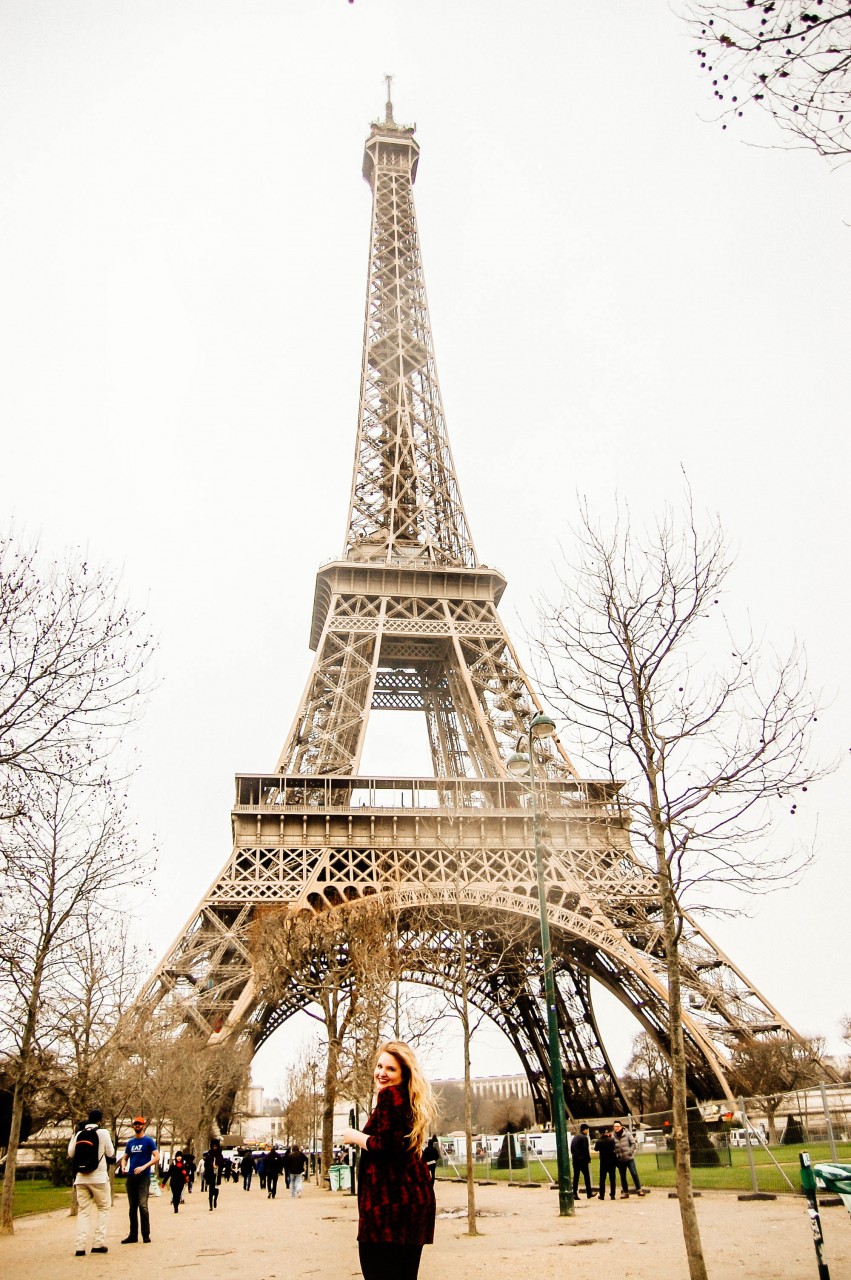
The final day allows for a slower pace, focusing on the Tuileries Garden and the Opera Garnier. These sites provide a final view of the city’s grand architectural legacy. Many travelers choose to conclude their trip with a evening viewing of the Eiffel Tower’s light display, an event that occurs hourly after sunset, marking the symbolic end of a standard five-day visit.
Culinary Landscape and Economic Impact
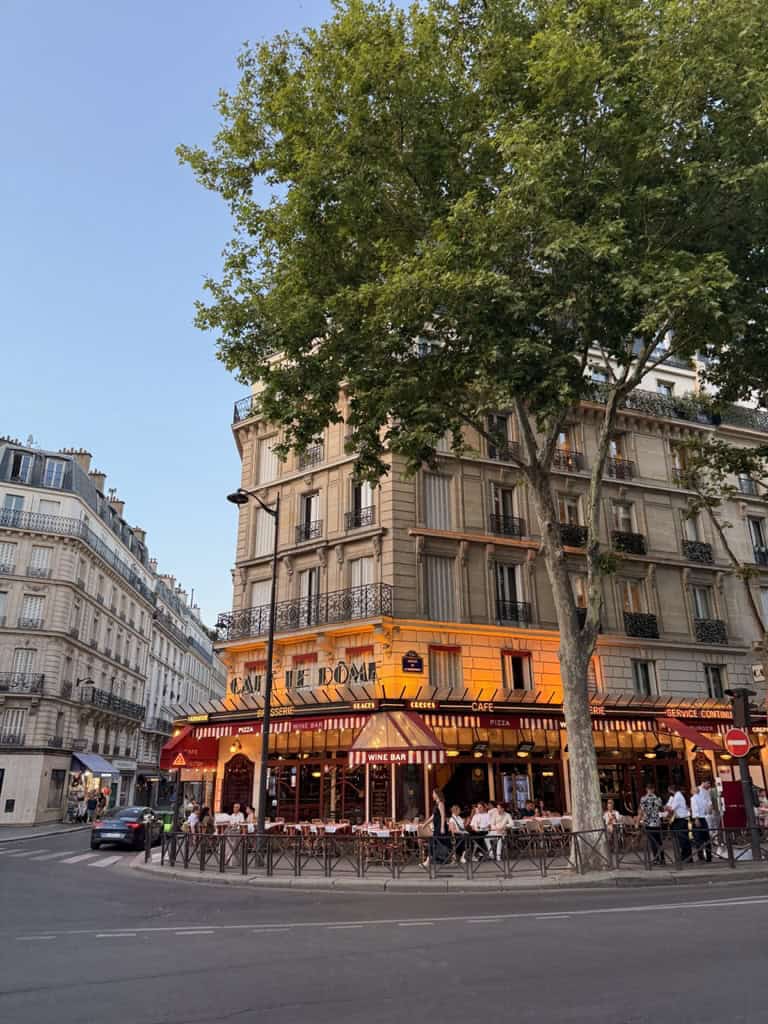
Parisian gastronomy is a significant pillar of the local economy, with the city boasting thousands of registered restaurants, boulangeries, and cafés. From a consumer standpoint, there is a marked difference between tourist-heavy zones and local neighborhood dining. Historical food markets and traditional bistros are often highlighted by critics as the most authentic venues for experiencing French cuisine.
Economists note that the tourism sector is the backbone of the Parisian economy, contributing billions to the GDP. The sustainability of this model remains a topic of debate among city officials, particularly regarding the impact of short-term rentals and the management of crowds at sites like the Louvre and the Palace of Versailles.
Navigating Museum and Attraction Protocols
A critical component of modern travel to Paris is the management of expectations regarding museum entry. The Louvre, for instance, requires pre-booked time slots. The Musées de la Ville de Paris, including the Musée d’Orsay and the Musée de l’Orangerie, have also implemented digital ticketing systems to streamline flow. For visitors interested in sculpture, the Musée de Rodin is frequently cited by art historians as an essential alternative to larger, more congested institutions, offering an intimate look at the works of Auguste Rodin within an 18th-century private mansion.
Broader Implications of River Tourism
Beyond the urban center, river cruising has emerged as a major factor in the broader French tourism market. The Seine, which flows through the heart of Paris, acts as a gateway to the Normandy region. By utilizing the river as a transport artery, cruise operators facilitate visits to the D-Day landing beaches and the historic town of Honfleur without the need for constant hotel changes. This trend of "slow travel" is gaining traction, with operators reporting increased demand for excursions that bridge the gap between urban Paris and the rural history of the French provinces.
Conclusion and Practical Advice
Successful navigation of Paris relies on a combination of rigorous planning and the flexibility to deviate from a set schedule. While the five-day framework provided covers the fundamental cultural and historical anchors of the city, the true value of a visit often lies in the interstitial time spent in neighborhood cafés and public gardens. For the first-time visitor, prioritizing pre-booked tickets and choosing a base of operations within central, well-connected districts will ensure a manageable and rewarding experience in one of the world’s most storied capitals.