The Cultural Significance and Evolution of Coffee Traditions in Greece: A Comprehensive Analysis of Social Rituals and Economic Impact

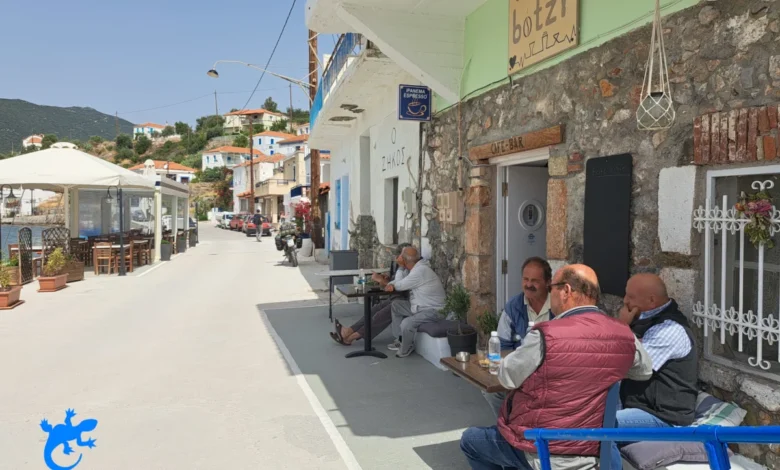
Coffee in Greece serves as a foundational pillar of the nation’s social fabric, functioning less as a simple caffeine delivery system and more as a primary catalyst for communal engagement and cultural preservation. Unlike many Western nations where coffee is often consumed as a utilitarian "grab-and-go" commodity to facilitate productivity, the Greek approach to coffee is rooted in the philosophy of "siga-siga" (slowly-slowly), emphasizing the importance of slowing down and appreciating life’s interpersonal dimensions. This cultural phenomenon, while sharing historical roots with the coffee traditions of the Ottoman Empire, has evolved into a distinct Mediterranean ritual that influences everything from village politics to modern urban lifestyles. To understand the Greek coffee culture is to understand the history of the modern Greek state itself, as the evolution of the beverage mirrors the nation’s journey from the Ottoman era to its current status as a prominent European Union member.
Historical Evolution and the Ottoman Legacy
The chronology of coffee in Greece is inextricably linked to the Ottoman occupation, which spanned several centuries. Coffee was introduced to the region in the 15th and 16th centuries, following the expansion of the Ottoman Empire into the Arabian Peninsula. The first coffee houses, known as kahvehane, appeared in Constantinople and eventually spread to Athens, Thessaloniki, and the Peloponnese. For centuries, these establishments served as male-dominated spaces for discussion, gaming, and the consumption of thick, unfiltered coffee.
Following the Greek War of Independence in the 1820s, the beverage remained a staple, though its nomenclature underwent a significant transformation. What was once universally known as "Turkish coffee" began to be rebranded as "Greek coffee" (ellinikos kafes), particularly gaining momentum during the mid-20th century as a reflection of national identity. This transition was finalized in the 1960s and 1970s, particularly following the 1974 invasion of Cyprus, after which the term "Turkish coffee" largely disappeared from Greek menus in favor of the domestic designation.
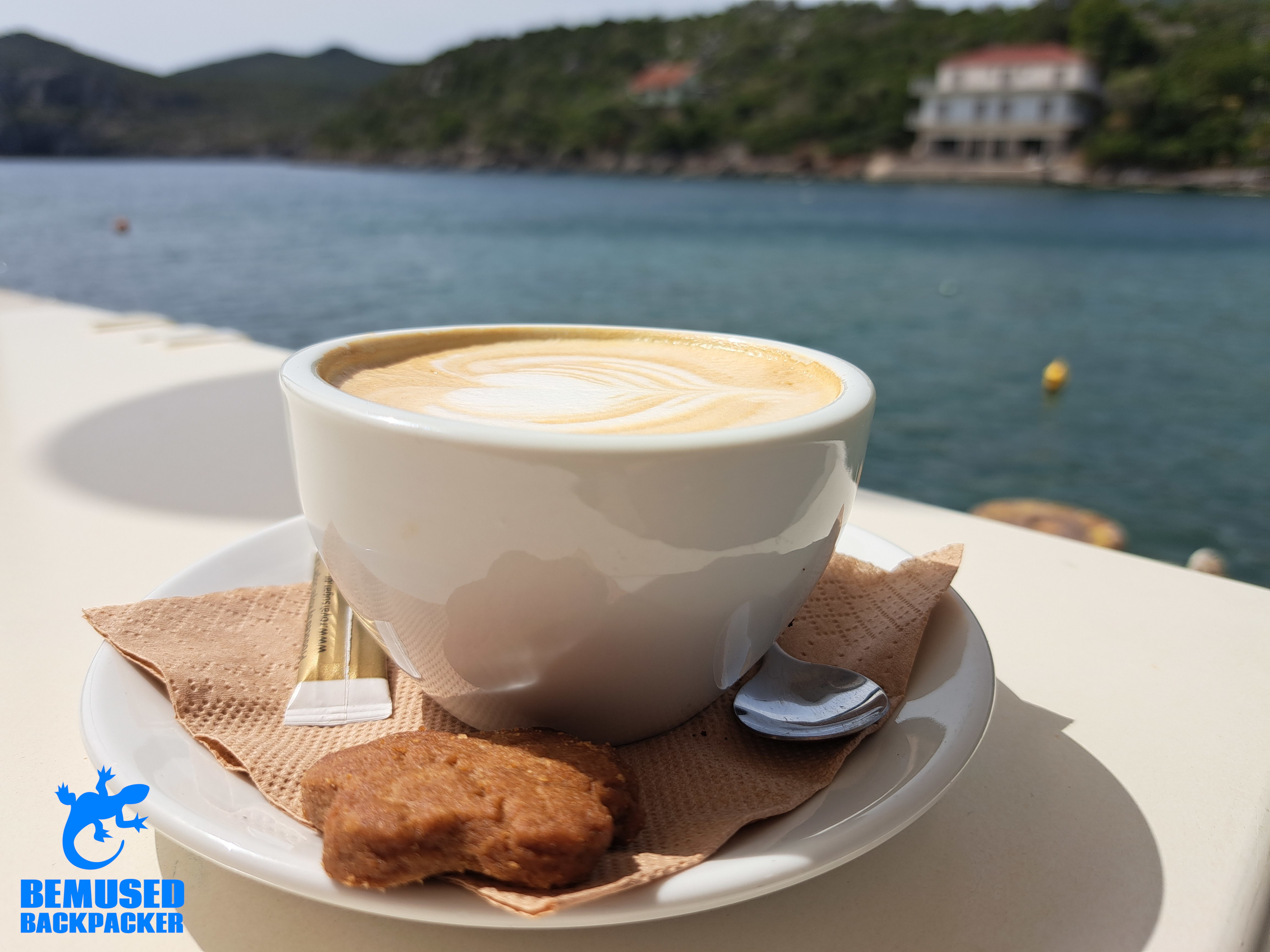
The traditional preparation method has remained remarkably consistent for centuries. Greek coffee is prepared in a briki, a small, long-handled pot traditionally made of copper or brass. The coffee beans are ground into an exceptionally fine, flour-like powder. This powder is simmered with water—and often sugar—over a heat source until a thick foam, known as kaimaki, rises to the top. Traditionally, this process occurred over a hovoli, a bed of hot sand that ensured even and slow heat distribution, a method still used today in traditional cafes to produce a superior depth of flavor.
The Socio-Economic Role of the Kafenio and Kafeteria
To analyze Greek coffee culture, one must distinguish between the two primary types of establishments: the kafenio and the kafeteria.
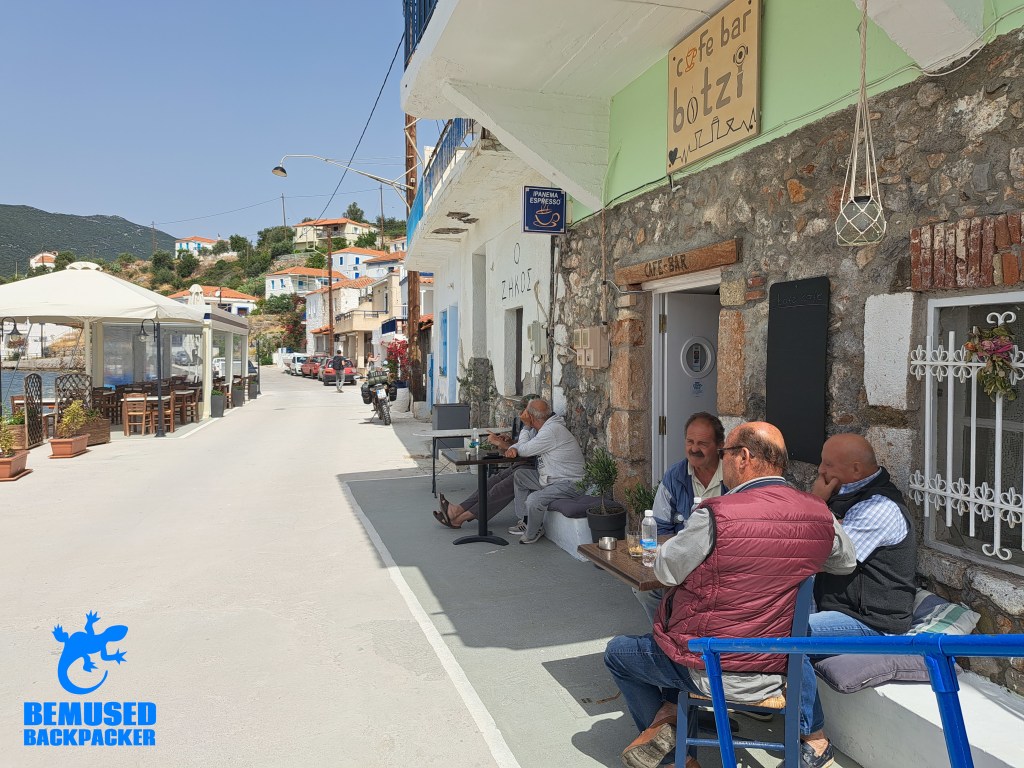
The kafenio is the traditional Greek coffee house, found in the central square of nearly every village and in many urban neighborhoods. Historically, these were the "Agoras" of the modern era—local hubs where men gathered to discuss politics, play tavli (backgammon), and exchange news. The kafenio remains a symbol of the Greek community’s resilience; even during periods of intense economic hardship, such as the 2008 financial crisis, these establishments remained occupied, providing a low-cost social outlet for citizens. Data from the Hellenic Statistical Authority (ELSTAT) has consistently shown that the "Food and Beverage" sector, of which cafes are a massive component, remains one of the largest employers in the Greek economy.
In contrast, the kafeteria represents the modern, often high-end evolution of coffee culture. These establishments cater to a younger, more diverse demographic and focus heavily on aesthetics and variety. While the kafenio focuses on the traditional hot Greek coffee, the kafeteria is the birthplace of Greece’s most famous modern exports: the Frappé and the Freddo.
The Mid-Century Innovation: The Rise of Cold Coffee
While hot Greek coffee remains a cultural staple, Greece is globally recognized for its innovations in cold coffee, a necessity born from the country’s warm Mediterranean climate.
-
The Frappé (1957): The invention of the Frappé is a rare example of a cultural icon born from an accident. During the 1957 Thessaloniki International Fair, Dimitris Vakondios, a representative for Nestlé, was looking for a way to have his usual instant coffee during a break. Lacking hot water, he mixed the coffee granules with cold water and sugar in a shaker. The resulting frothy, iced beverage became an overnight sensation. For decades, the Frappé was the undisputed king of Greek summer, defined by its thick foam and use of evaporated milk.
-
The Freddo Revolution (1990s): In the early 1990s, the Greek palate shifted toward higher-quality espresso beans. This led to the creation of the Freddo Espresso and the Freddo Cappuccino. The Freddo Espresso consists of a double shot of espresso blended with ice in a mixer to create a light foam, while the Freddo Cappuccino adds a layer of cold, frothed milk on top. According to industry reports, Greece now has one of the highest per capita consumptions of espresso in Europe, largely driven by the popularity of these cold variations.
Ordering Etiquette and Preparation Standards
Ordering coffee in Greece requires a specific vocabulary that dictates the sugar content, as sugar is added during the brewing process rather than afterward. This is particularly true for traditional Greek coffee and the Frappé.
- Sketos (Plain): Coffee served without any sugar. This is often the choice of purists who wish to taste the specific profile of the bean.
- Metrios (Medium): Usually one teaspoon of sugar. This is the most common way to order coffee in Greece, balancing the inherent bitterness with a touch of sweetness.
- Glykos (Sweet): Two or more teaspoons of sugar.
- Vary Glykos (Extra Sweet): A version that is both strong and heavily sweetened, often featuring multiple teaspoons of coffee and sugar.
A crucial aspect of the service is the accompaniment of a glass of cold water, which is provided free of charge and is considered a mandatory component of hospitality (philoxenia). In many regions, coffee is also served with a "spoon sweet"—preserved fruits in syrup—or a small piece of Turkish delight (loukoumi), further highlighting the beverage’s role as a treat rather than a quick stimulant.
Health Implications and the "Ikaria Factor"
Scientific research has frequently highlighted the health benefits associated with Greek coffee consumption. A notable study published in the journal Vascular Medicine focused on the inhabitants of Ikaria, a Greek island known as a "Blue Zone" where residents have exceptionally high longevity. The study found that elderly Ikarians who consumed boiled Greek coffee daily had better endothelial function (the health of the lining of blood vessels) compared to those who drank other types of coffee.
Boiled Greek coffee is rich in polyphenols and antioxidants while containing a moderate amount of caffeine. The fine grind and the boiling process extract more nutrients from the bean than filtered methods. Furthermore, the social aspect of the coffee break—reducing stress through conversation and community—is cited by sociologists as a contributing factor to the mental well-being and longevity of the Greek population.
Economic Impact and Market Trends
The coffee industry is a significant driver of the Greek economy. According to data from the Hellenic Coffee Association, Greeks consume approximately 5.5 kilograms of coffee per capita annually, placing the country among the top 15 coffee-consuming nations globally. The market is estimated to be worth over €1 billion, encompassing imports, roasting facilities, and the retail sector.
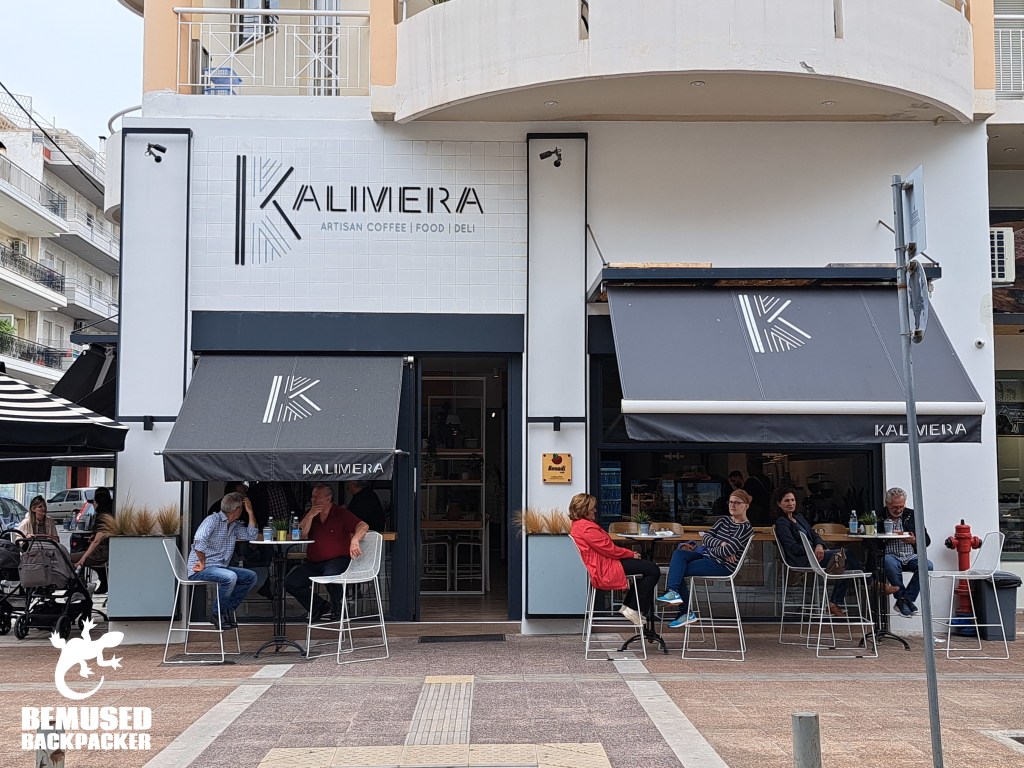
Despite the introduction of a "coffee tax" in 2017, which increased the cost of raw beans, the number of cafes in urban centers like Athens and Thessaloniki has continued to grow. There is an increasing trend toward "Specialty Coffee," with local roasteries focusing on single-origin beans and sustainable sourcing. This indicates a maturing market where consumers are becoming more discerning about the quality and origin of their beverage, even as they maintain traditional consumption habits.
Broader Cultural Impact and Global Influence
The Greek coffee ritual is an intangible cultural heritage that defines the rhythm of daily life. In the morning, the kafenio hums with the sound of clinking spoons; in the afternoon, the kafeterias are packed with people spending two to three hours over a single Freddo Espresso. This duration is key: in Greece, it is considered socially acceptable, and even expected, to nurse a single drink for hours while engaging in conversation.
This "slow coffee" movement is now being exported globally as travelers return from Greece seeking to replicate the experience. The Freddo, in particular, has begun appearing on menus in London, New York, and Dubai, signaling a shift in global coffee trends toward Greek-inspired preparation methods.
Ultimately, coffee in Greece is more than a drink; it is a social contract. It represents a commitment to community, a respect for history, and a deliberate choice to prioritize human connection over the frantic pace of modern life. Whether it is a traditional hot brew in a mountain village or a sleek iced espresso in a coastal city, the Greek coffee break remains a steadfast symbol of the nation’s enduring cultural identity.
Related posts: