The Royal Theater of Rabat: A New Cultural Landmark for Morocco and the African Continent

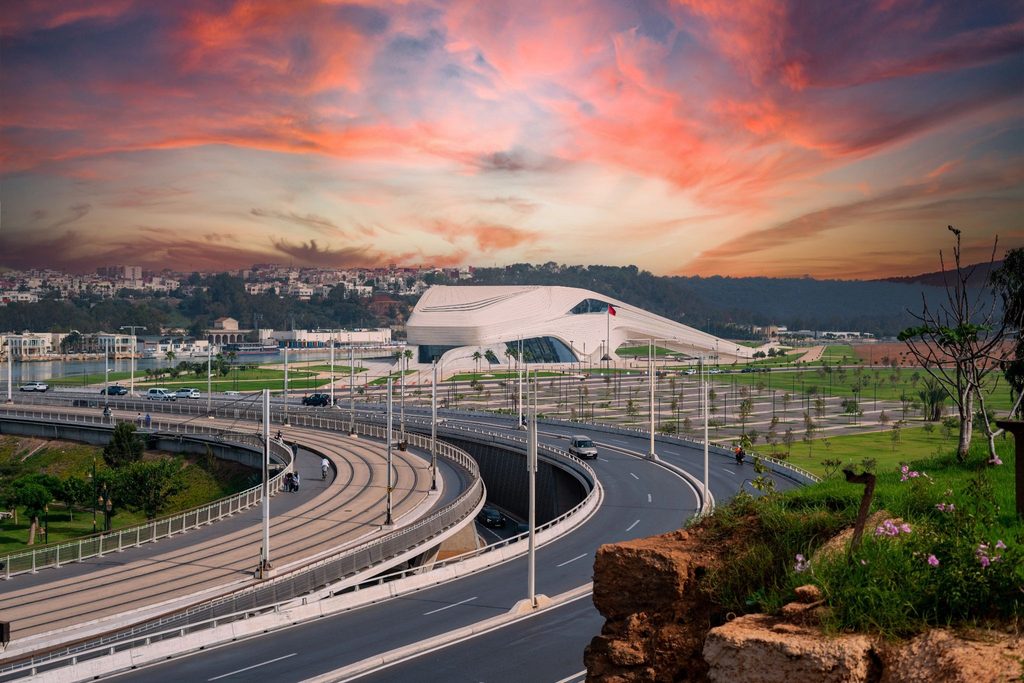
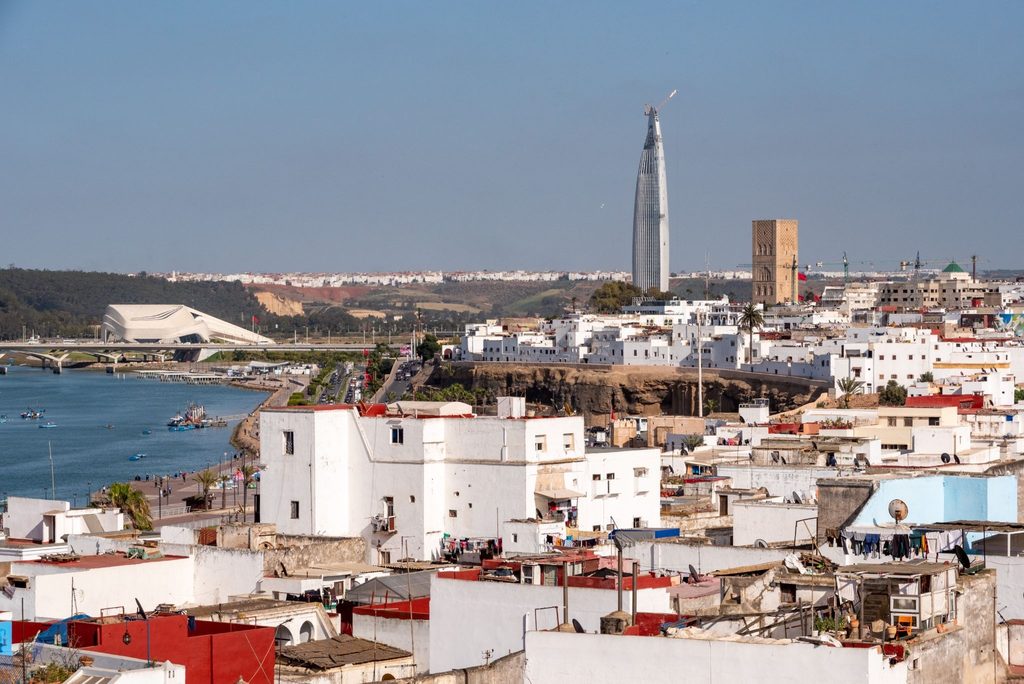
The Royal Theater of Rabat officially opened its doors to the public in April 2026, marking the culmination of a fifteen-year architectural odyssey that bridges the vision of a late design icon with the modern aspirations of a kingdom. Situated along the scenic banks of the Bouregreg valley, the structure stands as a testament to long-term urban planning and the persistent effort to elevate Morocco’s profile as a global center for the arts. The inauguration represents more than just the completion of a building; it signifies a strategic pivot in the nation’s cultural infrastructure, intended to catalyze both domestic creative production and international diplomatic engagement.
A Chronology of Vision and Construction
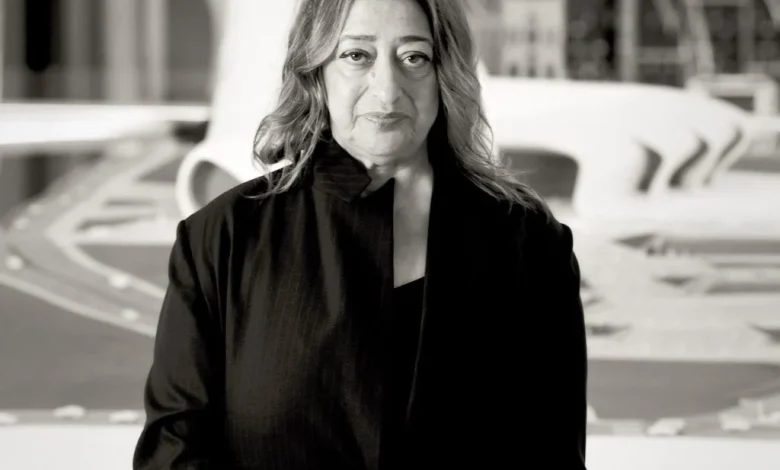
The timeline of the Royal Theater reflects the inherent complexity of monumental architecture. The project was conceived around 2010, at a period when Rabat was undergoing a significant transformation under the "Rabat, City of Lights" initiative. The late Dame Zaha Hadid, the Pritzker Prize-winning architect known for her fluid, gravity-defying designs, was commissioned to conceptualize a structure that would harmonize with the historic skyline of Morocco’s capital.
Construction officially commenced in 2014. Throughout the ensuing decade, the project navigated the challenges of modern engineering and shifting economic landscapes. By 2021, the primary shell of the building was complete, revealing the sweeping, organic curves that have become synonymous with the Hadid signature. While the physical structure took shape, the interior required years of meticulous acoustic engineering and technical outfitting.
The building reached a significant milestone in October 2024, when it was formally inaugurated during a state visit by French President Emmanuel Macron. However, the true "opening"—the moment of transition from a physical monument to a living performance venue—did not occur until the evening of April 22, 2026. On that night, the stage was finally activated by a collaboration of 100 Moroccan artists and the Orchestre Philharmonique du Maroc, signaling the commencement of the theater’s operational life.
Architectural Significance and Design Philosophy
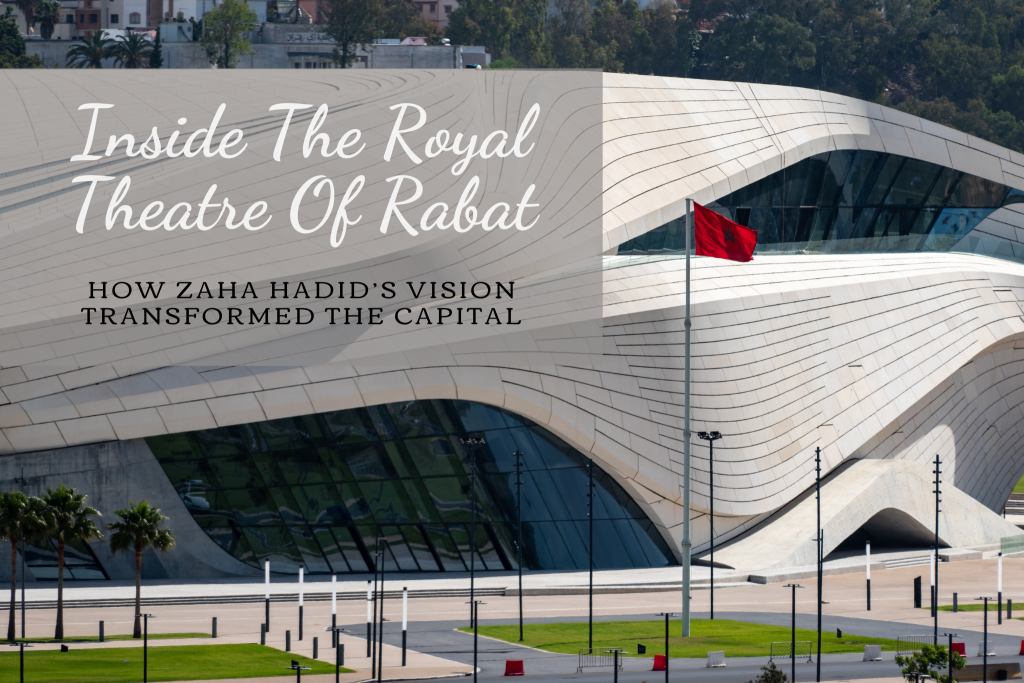
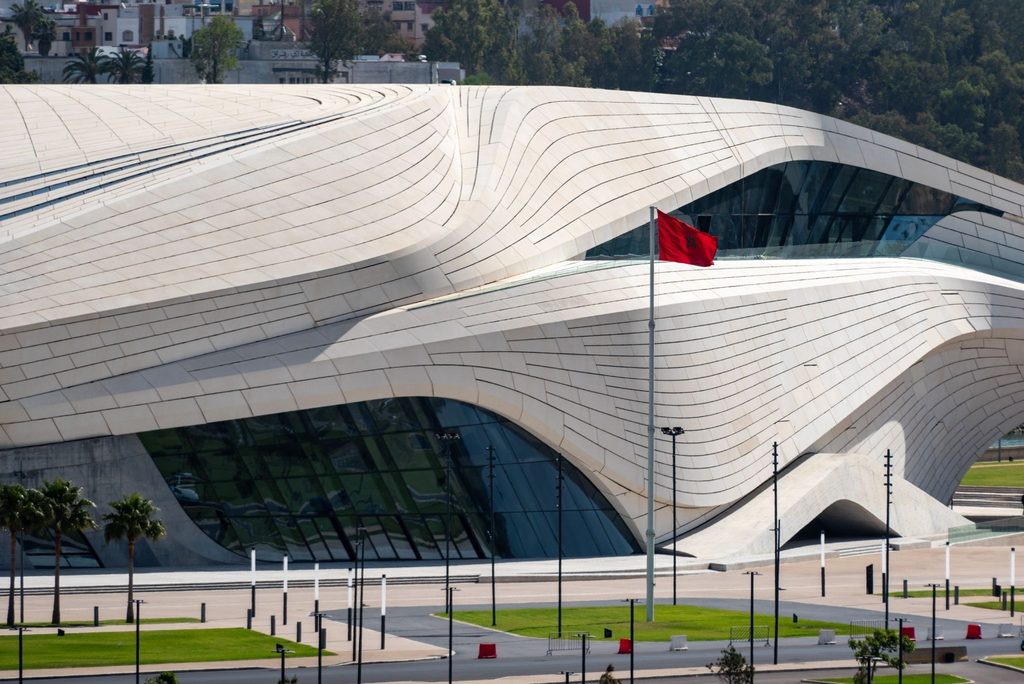
The Royal Theater of Rabat is an architectural dialogue between the contemporary and the ancient. Zaha Hadid Architects, now led by Patrik Schumacher, oversaw the completion of the project, ensuring that the final execution remained faithful to the original design intent. The building’s geometry is characterized by fluid, interlocking forms that evoke the movement of the nearby Bouregreg River.

From an engineering perspective, the building is a masterclass in structural innovation. It integrates traditional Moroccan motifs—such as the complex, interlacing geometry of zellige tilework—into a modern, large-scale structural language. This fusion of cultural DNA with avant-garde form allows the building to stand alongside historic neighbors like the 12th-century Hassan Tower and the Mausoleum of Mohammed V, without appearing anachronistic. The interplay of light, particularly the way the Atlantic sun reflects off the structure’s white, undulating surfaces, was a deliberate design choice intended to create a sense of movement, ensuring the building feels active even when stationary.
Technical Capabilities and Cultural Infrastructure
The facility is designed to address a historic gap in Morocco’s cultural infrastructure: the lack of high-capacity, world-class venues capable of hosting complex, large-scale international productions. The theater’s technical specifications place it among the most advanced performance venues in Africa.
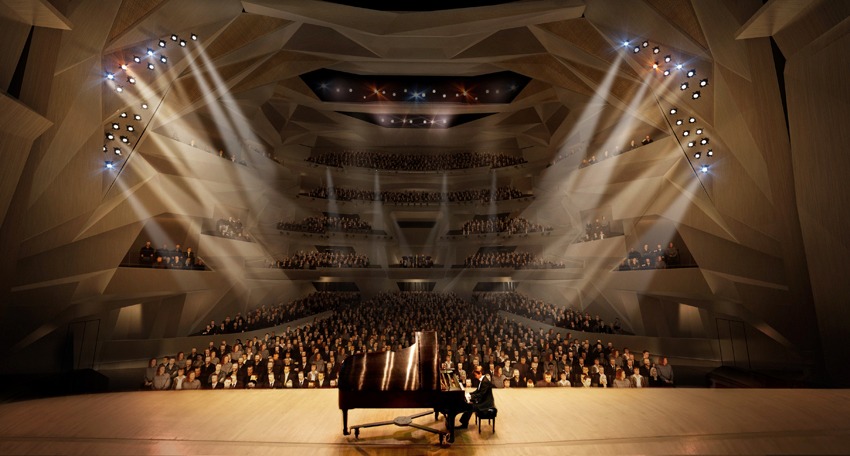
The main auditorium boasts a seating capacity of 1,800, equipped with sophisticated acoustic dampening and variable stage technology suitable for everything from opera and symphonic concerts to ballet and traditional Moroccan musical performances. A secondary, 520-seat studio theater is designed to accommodate more intimate or experimental programming, providing a platform for emerging artists. Furthermore, the inclusion of a 7,000-seat open-air amphitheater facing the river valley positions the venue to become a central hub for the major festival circuit, potentially transforming the city’s ability to host large-scale cultural events without relying on temporary, ad-hoc structures.
The Strategic Imperative: Culture as Economic and Diplomatic Capital
The investment in the Royal Theater is not merely a philanthropic endeavor but a calculated element of Morocco’s broader economic and diplomatic strategy. Under the directives of King Mohammed VI, the development of Rabat as a "City of Lights" has been underpinned by the belief that cultural infrastructure acts as a force multiplier for tourism, foreign investment, and national prestige.
By establishing a venue of this caliber, Morocco aims to shift from being a destination where cultural events are periodically hosted to one where they are permanently curated. The inaugural performance was a deliberate statement of this intent; by centering the debut on local talent—specifically the Orchestre Symphonique Royal and the Orchestre Philharmonique du Maroc—the government signaled that the theater is intended to empower the domestic creative economy rather than act as a passive host for foreign imports.
Furthermore, the theater provides a tangible anchor for the city of Rabat, helping it compete with traditional tourism powerhouses like Marrakech and Fes. As the capital, Rabat has long been a center for administration and history; with the addition of the Royal Theater, it now possesses a contemporary landmark that attracts cultural tourism, creating a more balanced visitor economy.
Legacy and the Architect’s Enduring Influence
Zaha Hadid’s legacy is inextricably linked to the trajectory of the Royal Theater. Known for her struggle to gain acceptance within an architectural establishment that long viewed her as a radical, Hadid’s career was defined by her persistence in pushing the limits of what was considered "buildable." Her passing in 2016 at the age of 65 meant that she did not witness the final unveiling of this project, which stands as one of the last major works she personally conceived.
Her firm’s commitment to seeing the project through reflects the evolution of her design language—from the sharp, aggressive angles of her early work, such as the Vitra Fire Station, to the flowing, organic, and highly integrated forms seen in the Heydar Aliyev Center and now the Royal Theater of Rabat. For architects and critics alike, the building serves as a case study in how a vision can be preserved across a decade of construction and technological evolution.
Implications for the Future of Moroccan Arts
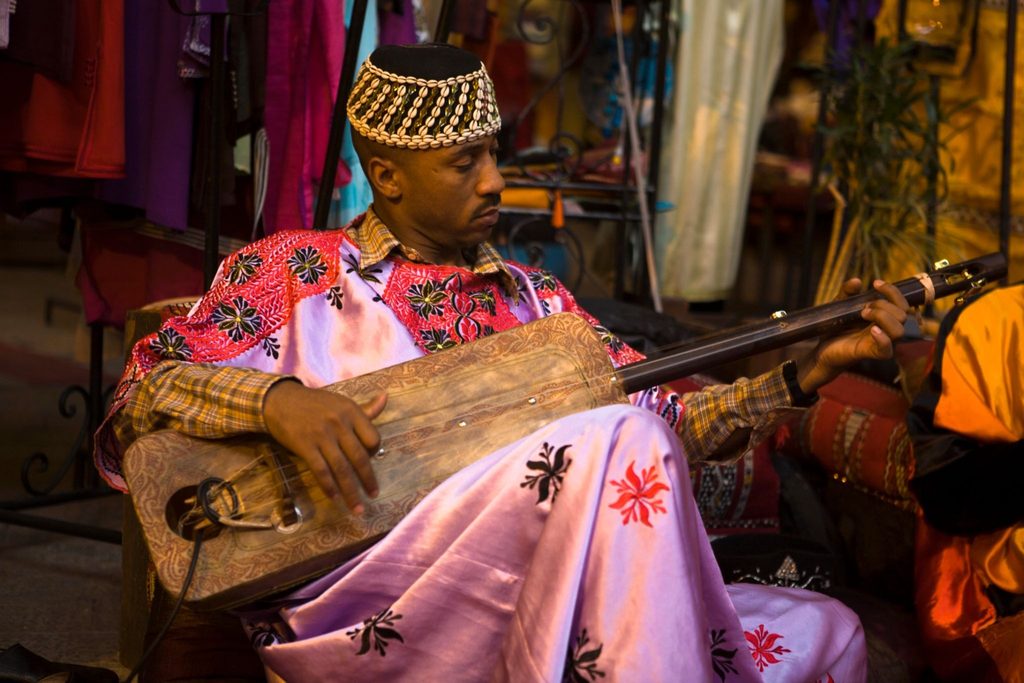
The opening of the Royal Theater introduces a new variable into the equation of Moroccan artistic life. The primary challenge moving forward will be the theater’s programming and its accessibility to the broader public. While the venue is built for the global stage, its long-term success will depend on its ability to sustain a diverse, year-round calendar that bridges the gap between high-art classical performances and the vibrant, diverse traditions of Gnawa, Malhun, and Amazigh music.
As the building begins its life as a functioning institution, it stands as a marker of the country’s confidence. The Royal Theater of Rabat is no longer a rendering or a construction site; it is a reality. As the sun sets over the Bouregreg, casting the Atlantic gold upon its curved walls, the theater represents a promise: that a nation which has long held a unique place in the world’s cultural consciousness now has a home large enough to house its future. The 15-year wait, while significant, has resulted in a venue that serves as a permanent, physical testament to Morocco’s ongoing commitment to artistic excellence and international engagement.