Pioneers of the Maghreb: Celebrating the Extraordinary Moroccan Women Who Shaped History and Modernity

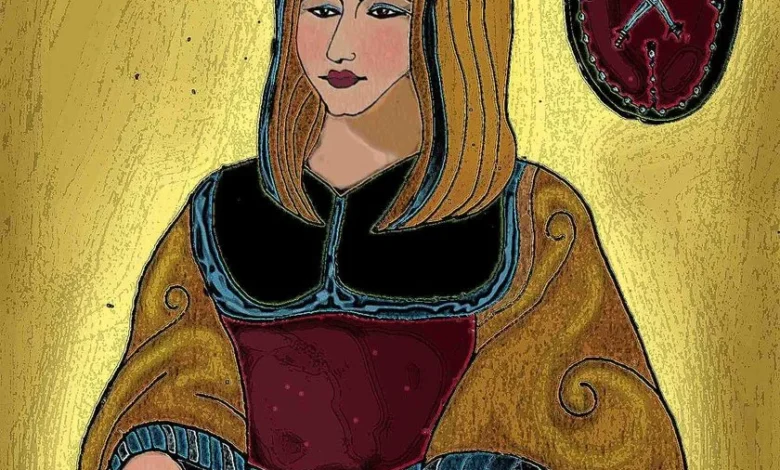
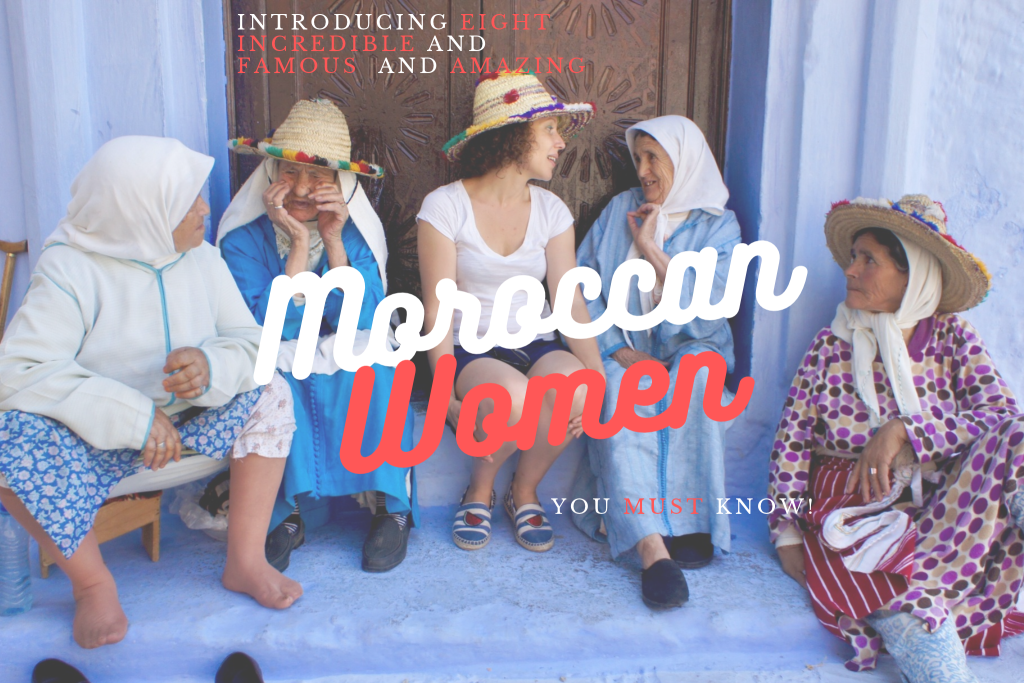
When the global consciousness turns toward the history of Morocco, the narrative is frequently dominated by the imagery of sultans, pashas, and the rugged, blue-turbaned nomads of the Sahara. While these figures are undeniably integral to the nation’s cultural tapestry, they represent only a singular facet of Morocco’s complex history. Beneath the traditional depictions of power lies a long, often under-acknowledged lineage of women whose intellectual, political, and social contributions have fundamentally steered the course of the North African kingdom. From the 9th-century foundation of the world’s oldest university to the glass-ceiling-shattering appointment of the nation’s first female Head of Government in 2026, the history of Morocco is as much a chronicle of female ingenuity as it is a record of dynasties.
The Architect of Empire: Zaynab an-Nafzawiyya
The 11th century in Morocco was a time of rapid transformation and the consolidation of the Almoravid Empire. At the heart of this era stood Zaynab an-Nafzawiyya, an influential figure in the trading hub of Aghmat. Unlike many of her contemporaries, Zaynab wielded immense economic power, which she utilized to provide the capital necessary for the Almoravid expansion. Historians frequently point to her as a master strategist; the Almoravid leader Abu Bakr ibn Umar famously recognized her intellect, referring to her as a "woman of genius."
Her influence extended into the political sphere, where she acted as a de facto co-ruler alongside her husband, Yusuf ibn Tashfin. In 1072, when a potential succession crisis loomed, Zaynab’s counsel—advising a path of diplomatic courtesy rather than armed confrontation—prevented a civil war, allowing the empire to expand from the Sahara into the Iberian Peninsula. Her legacy is inextricably linked to the founding of Marrakech, which tradition holds was established by Yusuf largely at her behest.
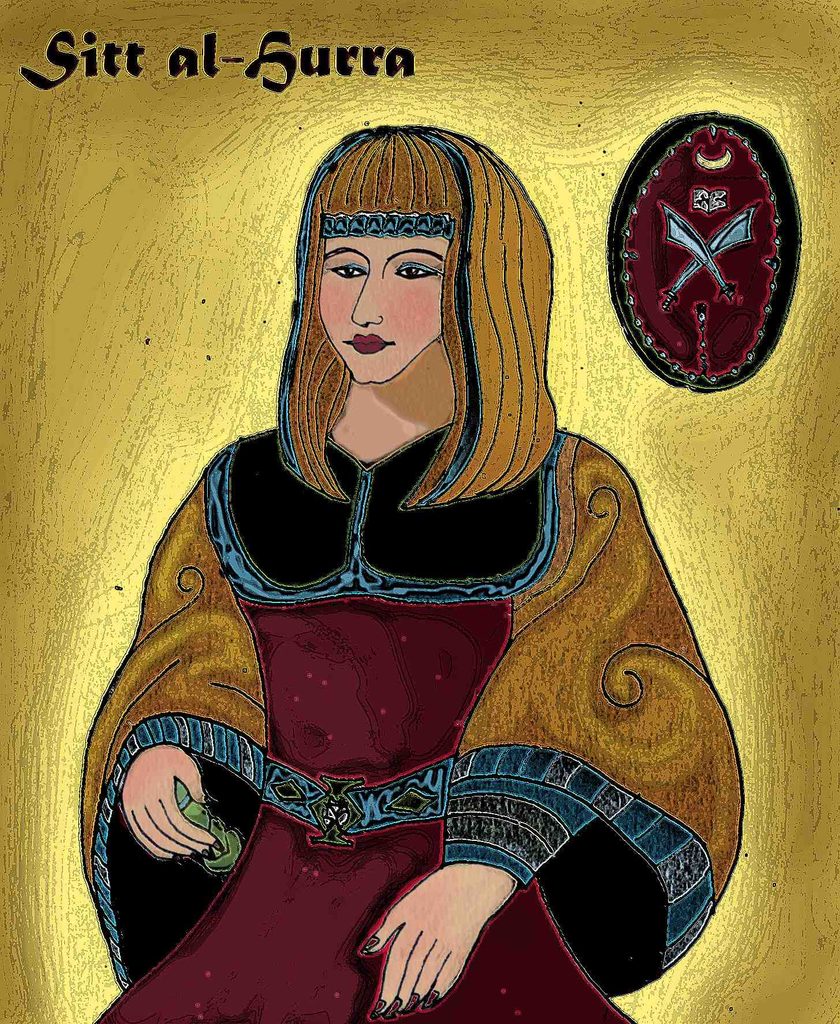
Sovereign of the Seas: Sayyida al-Hurra
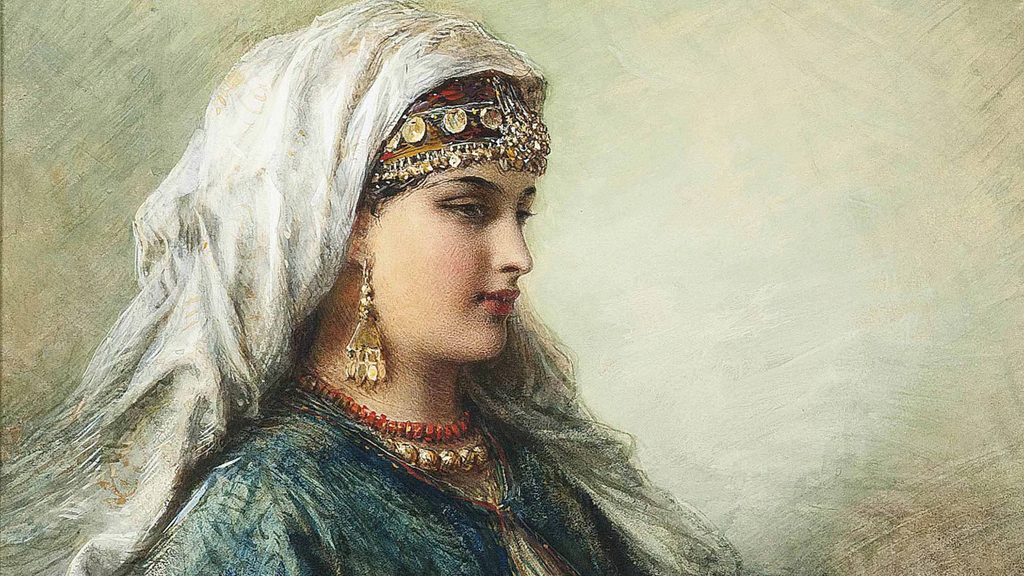
By the early 16th century, the geopolitical landscape of the Mediterranean was defined by naval dominance and the shifting borders of the Reconquista. Sayyida al-Hurra, born in the late 1400s in the newly founded city of Chefchaouen, emerged as a formidable naval power. After the death of her husband, the governor of Tetouan, she assumed control of the city in 1515, governing with a firm hand for nearly three decades.
Her strategic alliance with the Ottoman corsair Barbarossa allowed her to exert control over the western Mediterranean, effectively countering Spanish and Portuguese naval incursions. Her governance was marked by a unique economic model: ransom money secured from captured ships was systematically reinvested into the urban development of Tetouan. Her political stature was such that she was the only Moroccan sovereign to have been married to a sultan outside of the capital, with the Sultan of Fez traveling to Tetouan to wed her in 1541—a testament to her autonomous power.
The Foundation of Knowledge: Fatima al-Fihri
Education remains one of Morocco’s most enduring contributions to global civilization, a legacy initiated by Fatima al-Fihri. In 859 CE, after migrating to Fez from present-day Tunisia, al-Fihri inherited a significant fortune from her merchant father. Rather than sequestering this wealth, she commissioned the construction of the Al-Qurawiyyin mosque, to which she attached a madrasa.
Over the centuries, this institution evolved into the Al-Qurawiyyin University, widely recognized by UNESCO and the Guinness World Records as the oldest continuously operating degree-granting educational institution in the world. The university’s library holds a collection of manuscripts dating back to the 9th century, including early copies of the Quran and foundational Islamic texts. The institution served as a crucible for intellectual discourse, educating figures such as the historian Ibn Khaldun and the explorer Leo Africanus, thereby cementing Morocco’s role as a center of medieval scholarship.

Modern Intellectualism and Social Advocacy
The 20th and 21st centuries saw a shift toward feminist scholarship and institutional advocacy. Fatema Mernissi (1940–2015) stands as the preeminent voice of this period. Her seminal works, including Beyond The Veil and The Veil and the Male Elite, challenged the historical and sociological foundations of gender inequality within the Islamic world. Mernissi’s research provided a framework for understanding the interplay between tradition and modernity, influencing academic curricula globally.
Parallel to Mernissi’s intellectual contributions was the grassroots work of Aïcha Chenna. Born in 1941, Chenna transitioned from a career in nursing to the front lines of social reform. In 1985, she founded the Female Solidarity Association (Association Solidarité Féminine), which provided shelter, vocational training, and legal aid to single mothers—a demographic often marginalized by conservative social structures. Her work, documented in her book Misery: Testimonies, challenged the state to adopt more progressive policies regarding women’s rights and public health.

Breaking Barriers in Sport and Statecraft
The late 20th century marked a shift in visibility for Moroccan women in international arenas. In 1984, Nawal El Moutawakel made history at the Los Angeles Olympics, becoming the first woman from an Arab or Muslim-majority country to win an Olympic gold medal. Her victory in the 400-meter hurdles served as a catalyst for a national conversation regarding female participation in sports. She has since served on the International Olympic Committee and founded the "Fun Run" in Casablanca, which has grown into the largest women-only race in the Muslim world, involving over 30,000 participants annually.
In the literary and political spheres, figures like Leila Slimani have continued to push the boundaries of Moroccan discourse. A journalist and novelist, Slimani gained international acclaim for The Perfect Nanny, which won the Prix Goncourt in 2016. Her work, including Sex and Lies, has facilitated critical discussions regarding the private lives of women in modern Morocco.

The New Chapter: Fatima Ezzahra El Mansouri
The evolution of female political leadership reached a historic zenith in 2026. Fatima Ezzahra El Mansouri, whose political career began with her 2009 election as the first female mayor of Marrakech, ascended to the position of Head of Government following the September 2026 legislative elections. As the first woman to lead the government in Morocco’s history, her appointment signals a fundamental shift in the country’s political structure.
El Mansouri’s administration, characterized by a four-party coalition, includes a cabinet featuring seven women in ministerial roles. Her rise follows years of legislative advocacy, including reforms to the Moudawana (family code), which have sought to enhance the legal protections for women. Political analysts note that her appointment is not merely symbolic but represents a strategic integration of technocratic expertise and grassroots political experience.

Broader Implications and Future Outlook
The historical trajectory of these women underscores a long-standing pattern of female agency in Morocco. From the medieval power of Zaynab an-Nafzawiyya to the 21st-century premiership of Fatima Ezzahra El Mansouri, the narrative of Morocco has been consistently shaped by women who negotiated within—and often transcended—the constraints of their times.
The current political environment in Morocco, as evidenced by the 2026 cabinet appointments, suggests a systematic movement toward greater gender parity in public life. This transition is supported by decades of civil society activism, academic interrogation by figures like Mernissi, and the breaking of physical and societal barriers by pioneers like El Moutawakel. As the nation moves toward the latter half of the decade, the presence of women in key governance positions is expected to further influence policy regarding education, urban development, and social welfare, ensuring that the legacy of these historical figures is not only honored but actively expanded upon by future generations.
Related posts: