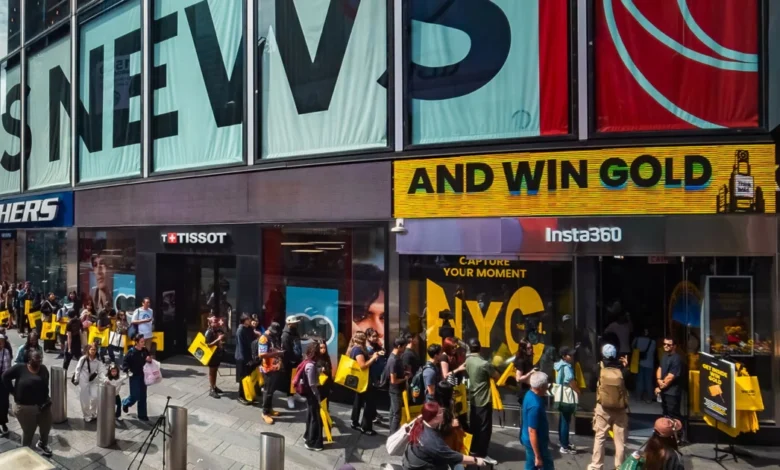
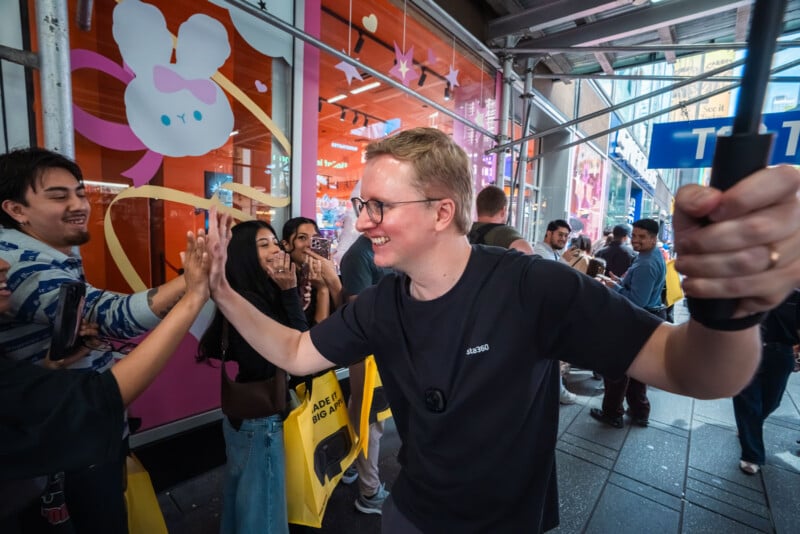
Insta360 officially marked a significant milestone in its decade-long history on September 19, 2026, by opening its first flagship retail store outside of Asia in the heart of New York City’s Times Square. This expansion represents a strategic pivot for the imaging company, transitioning from a digital-first, e-commerce-heavy model to an experiential, brick-and-mortar presence in one of the most high-traffic pedestrian corridors in the world. The launch, which drew hundreds of enthusiasts and curious tourists, signals the company’s intent to cement its status as a household name in the American creator economy.
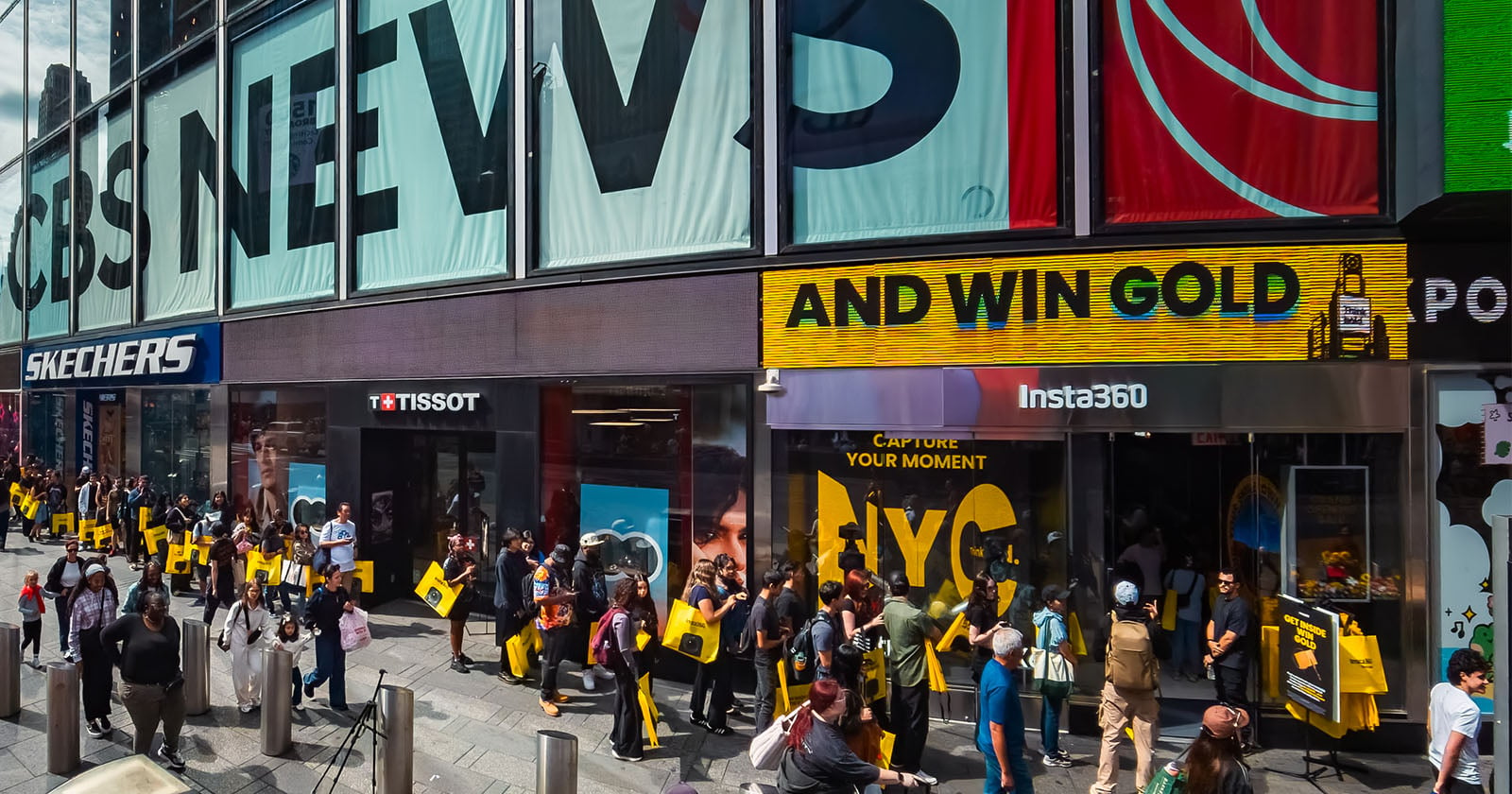
The grand opening is the latest development in a meteoric rise for a company that began as a modest startup in 2015. Over the past eleven years, Insta360 has evolved from an niche manufacturer of 360-degree cameras into a diversified imaging powerhouse. Having recently surpassed the 10 million units shipped milestone, the company’s expansion into physical retail is intended to bridge the gap between complex, innovative hardware and the everyday consumer who may be intimidated by the technical specifications of modern imaging gear.
A Strategic Timeline of Growth
The trajectory of Insta360 began in earnest with the 2016 release of the Insta360 Nano, a device that effectively democratized immersive video for mobile users. Since then, the company has consistently challenged established industry norms. Following its initial entry into the U.S. market, the brand spent years building a digital footprint through influencer partnerships and viral social media content.
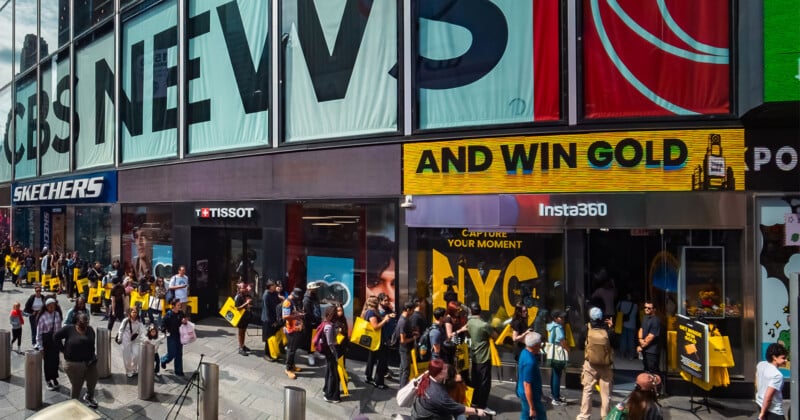
The timeline of its physical expansion accelerated significantly in 2026. Prior to the New York City opening, the company established a flagship presence in Tokyo last month. This dual-market entry suggests a synchronized global strategy aimed at capturing both the Asian and Western demographics simultaneously. According to industry insiders, the company is already scouting locations in Munich, Germany, for its initial foray into the European market, signaling that the Times Square location is merely the vanguard of a broader, aggressive retail rollout.
The Experiential Retail Model
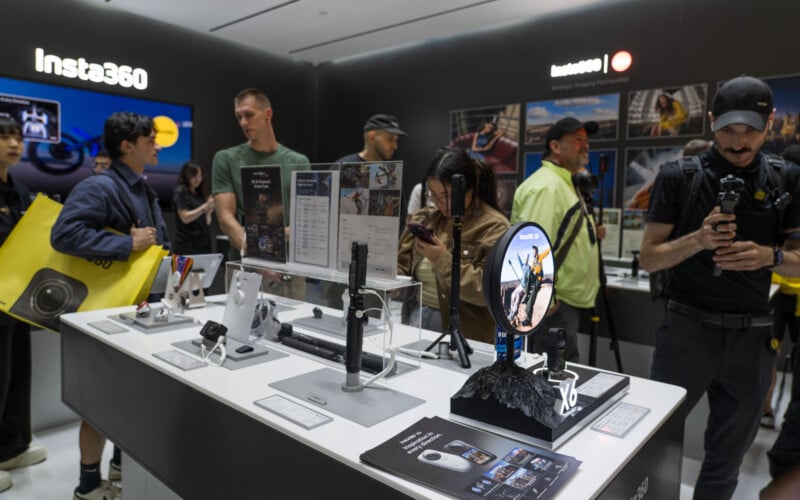
The decision to establish a physical storefront in Times Square is rooted in the unique nature of the company’s product lineup. Unlike traditional mirrorless cameras, which have a familiar form factor, Insta360’s ecosystem—which includes 360-degree spheres, thumb-sized action cameras, and specialized gimbal stabilizers—often requires a "hands-on" experience to understand.
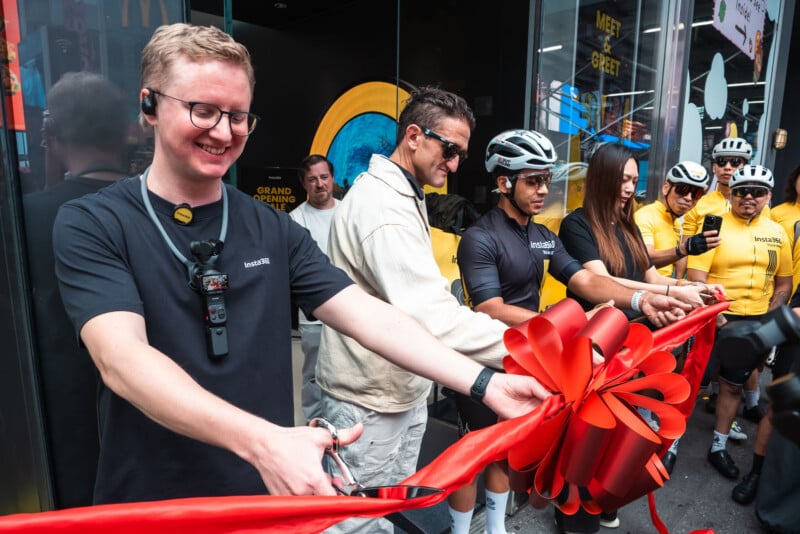
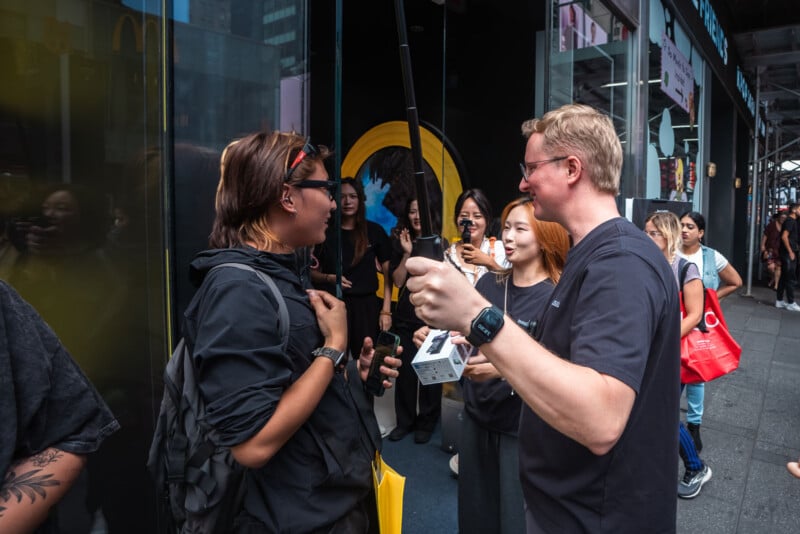
Max Richter, Co-founder and VP of Marketing at Insta360, emphasized during the opening ceremony that the retail space is designed as an educational hub rather than a traditional point-of-sale terminal. "Reaching 10 million cameras shipped worldwide is a milestone we owe to our community, but opening in Times Square is about building lasting roots," Richter stated. The store features dedicated zones where users can test the "invisible selfie stick" effect, experiment with gimbal stabilization, and learn how to process 360-degree footage using the company’s proprietary mobile software.
For many consumers, the barrier to entry for 360-degree photography is the perceived complexity of post-production. By providing in-person demonstrations, Insta360 aims to demystify the technology. "It’s not just 360 cameras that we do," Richter added. "It’s also an opportunity to introduce certain accessories and features that are a little bit harder to explain. We see these stores as a way to really build a community around Insta360 cameras."
Market Context and Competitive Landscape
The timing of this expansion coincides with a period of significant volatility within the camera manufacturing sector. Insta360 is currently navigating a favorable market climate shaped by the struggles of its primary competitors. DJI, which has dominated the action camera and gimbal space for years, has faced increasing scrutiny and regulatory hurdles within the United States. These challenges have created a vacuum in the market, allowing companies like Insta360 to capture increased mindshare among American creators.
Simultaneously, the legacy brand GoPro has undergone a period of turbulence. Following reports of financial underperformance and a recent acquisition agreement by Starman Optical for $285 million, the industry is witnessing a shift in power dynamics. While GoPro remains a recognized name, its transition toward AI-driven defense and security applications has left a segment of the casual content creator market searching for alternative, innovation-focused hardware.
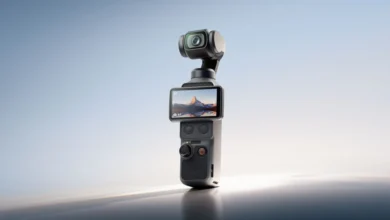
Insta360’s recent product launches, specifically the X6 flagship camera and the new Luna gimbal series—co-engineered with Leica—position the company to capitalize on this shift. The Luna series, in particular, is viewed as a direct challenge to the DJI Osmo Pocket line. By offering a detachable display-slash-remote controller, the Luna series has garnered praise for its ergonomic innovation, reinforcing the perception that Insta360 is currently the pace-setter in the compact creator camera space.
Perspectives from the Creator Community
The event drew a diverse crowd, ranging from casual tourists to professional photographers who have used the brand’s equipment since its inception. Anthony Quintano, a professional photographer who has utilized Insta360 hardware for years, provided insight into why the brand has maintained its loyal following.
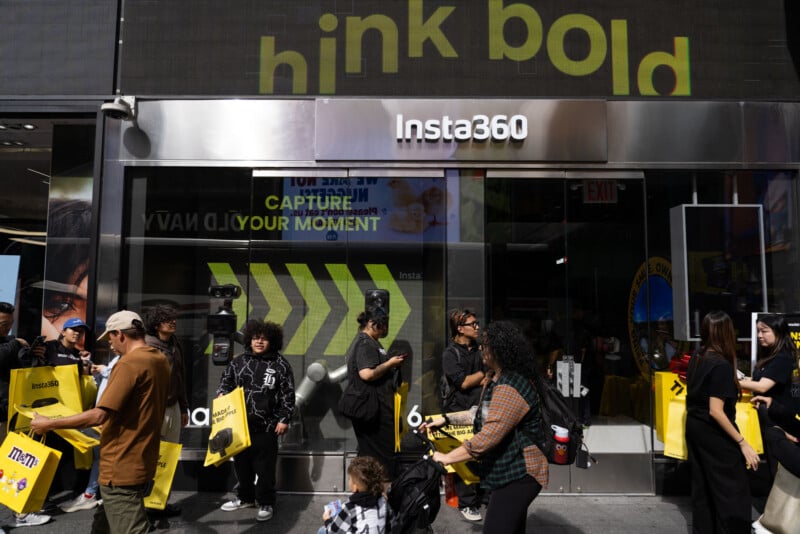
"Speed is everything in the digital world," Quintano noted. "The fact that I can get such high-quality images and be able to grab multiple angles from a single recording after the fact was huge for me as a creator." Quintano, who previously worked in New York when the area was saturated with traditional film camera stores, highlighted the importance of the tactile experience. "It’s one thing to see influencer videos, but to actually get your hands on the gear is very important. Once you see how easy it is, that is a motivating factor to invest."
The first customer in line, who waited for over eight hours to enter the store, was presented with a commemorative, gold-inlaid Luna Ultra camera. Such gestures are consistent with the brand’s efforts to cultivate a "fan-first" culture, prioritizing high-visibility events that generate social media buzz—a strategy that has served the company well since its founding.
Broader Implications and Future Outlook
The opening in Times Square is more than a branding exercise; it is an assertion of long-term intent. By occupying prime real estate in one of the most expensive retail districts in the world, Insta360 is signaling to investors and competitors alike that it has the financial stability and the inventory depth to support a global retail operation.
The company’s long-term roadmap, as teased by founder JK Liu, involves pushing the boundaries of what a camera can be. Liu has previously stated his ambition to create a camera system that utilizes advanced optics, motion control, and AI to become "essentially invisible" during the image-making process. While such technology remains in development, the current retail strategy provides the necessary infrastructure to bring these future innovations directly to the public.
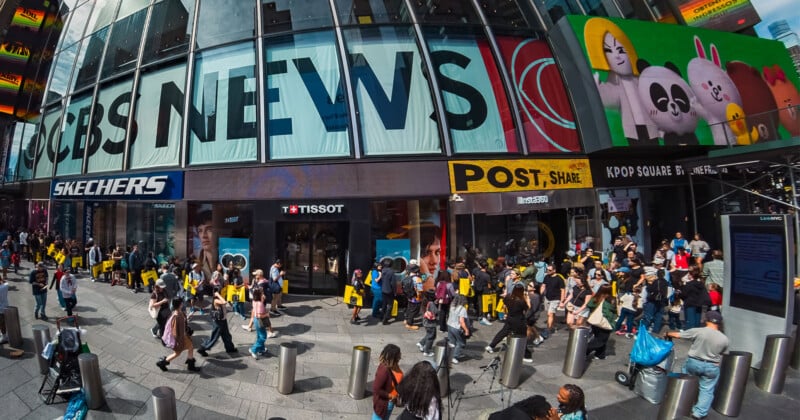
As the industry moves toward a future where AI-assisted capture becomes the standard, the physical store will likely serve as the primary laboratory for user feedback. By observing how customers interact with their hardware in real-time, Insta360 intends to refine its product design cycles. Whether the brand can successfully translate its social media virality into sustained, long-term retail success remains to be seen, but the opening of the Times Square flagship is an undeniable indicator that the company is no longer satisfied with being a purely digital entity.
For the American creator ecosystem, this development provides a new venue for engagement and professional development. As Insta360 continues to scale, the focus will likely remain on reducing the friction between the human eye and the digital output, a mission that now has a permanent home in the center of New York City.
Related posts: