The Physical Cost of Intelligence: Satellite Imagery Reveals the Rapid Industrialization of the American Landscape for AI Data Centers

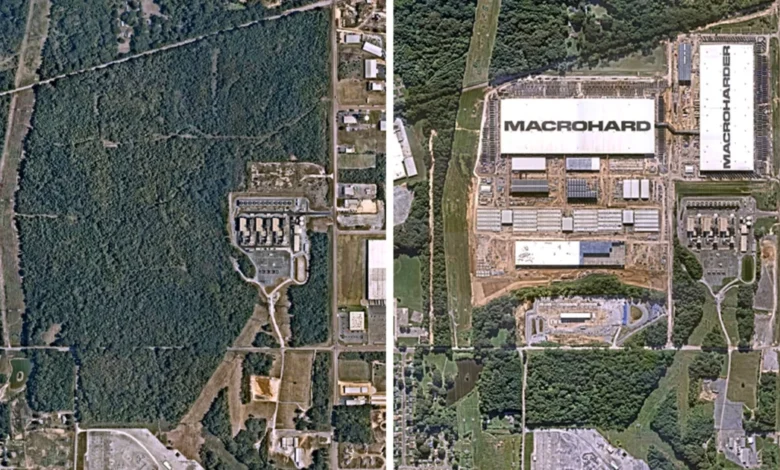
The rapid ascent of artificial intelligence has transitioned from the realm of abstract software development to a tangible, earth-altering physical phenomenon. New satellite imagery released by the curators of the Daily Overview project illustrates a stark, irreversible transformation of the American landscape, where hundreds of acres of forest and agricultural land are being systematically leveled to accommodate the massive, energy-intensive infrastructure required to power modern large language models (LLMs). As tech giants like Meta, OpenAI, and xAI race to establish dominance in the generative AI sector, the silent, high-speed construction of these data centers has become the primary indicator of an unprecedented industrial pivot in the United States.
A Visual Chronology of Massive Infrastructure Growth
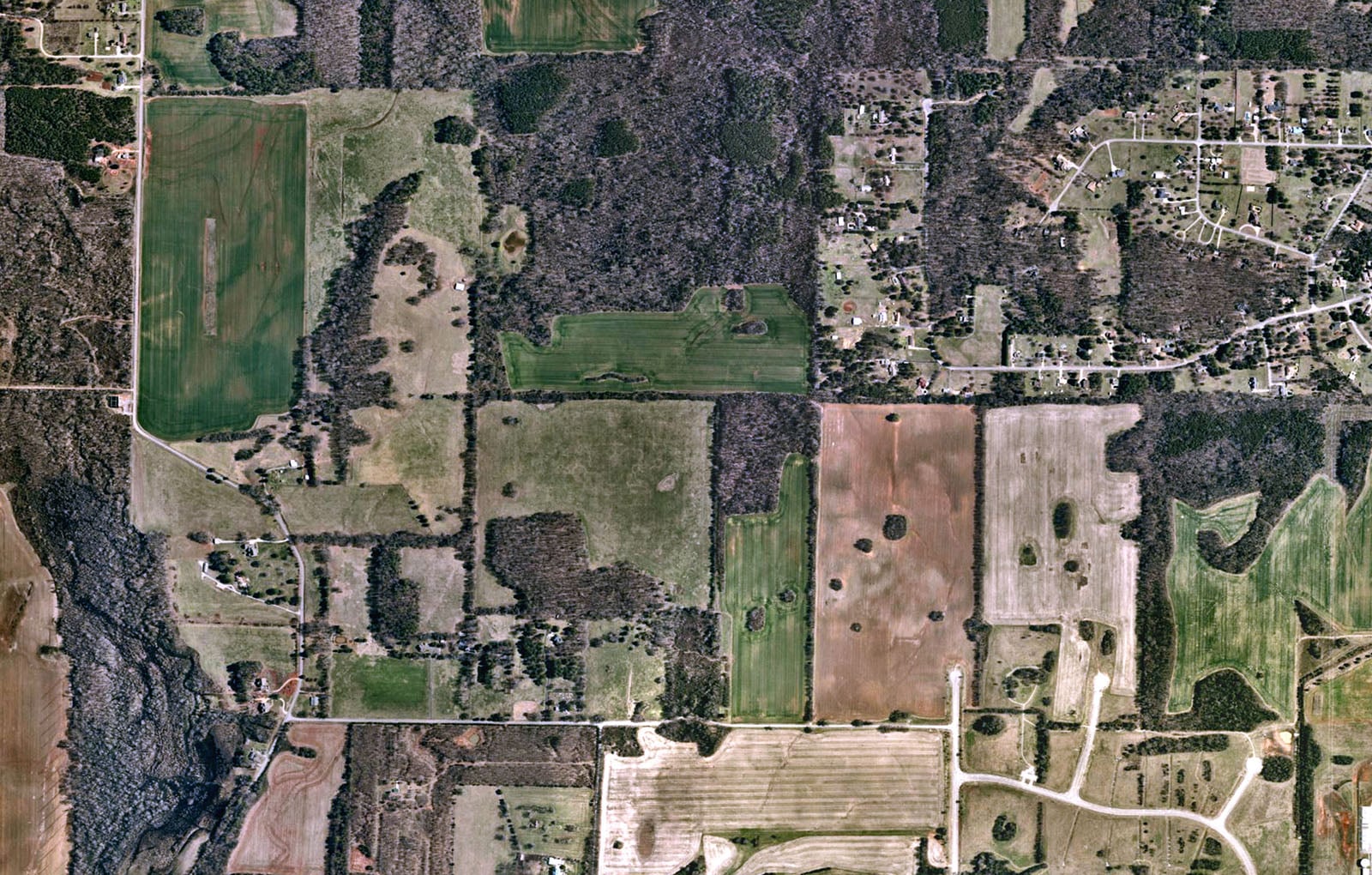
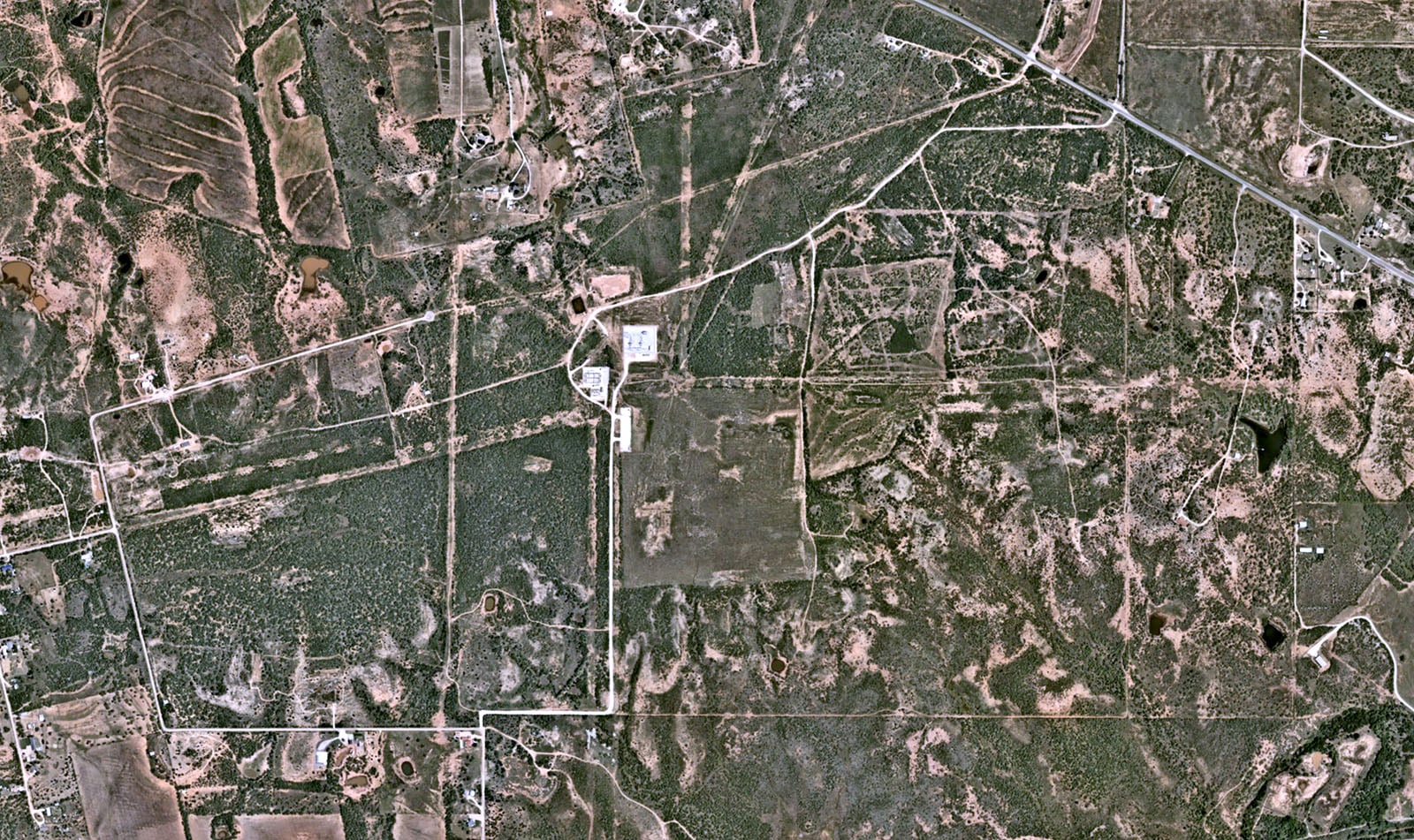
The images provided by Benjamin Grant, the founder of the Daily Overview, offer a longitudinal view of sites in Memphis, Tennessee; Huntsville, Alabama; and Abilene, Texas. These locations represent a growing trend of siting massive computational campuses in regions where land is affordable and power grids can be accessed at scale.
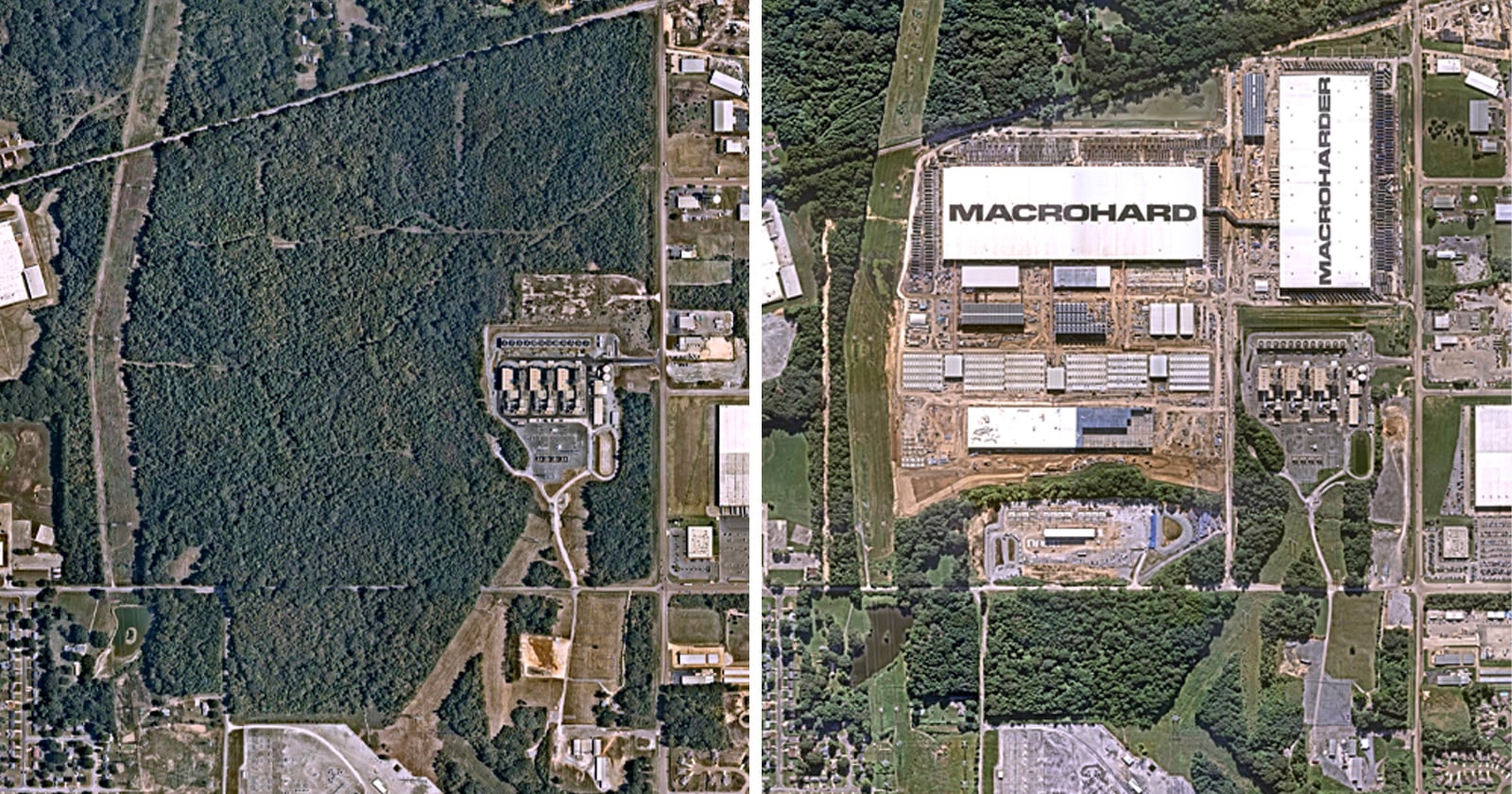
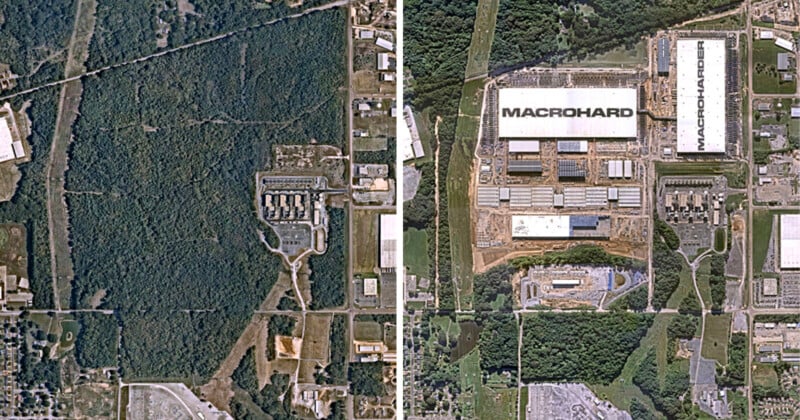
The Memphis site, operated by xAI, serves as a poignant case study. Between 2015 and 2026, the area evolved from a landscape defined by natural woodland and suburban greenery into a sprawling, industrial complex characterized by massive white-roofed structures and concrete cooling facilities. The transition is not merely cosmetic; it represents the mobilization of thousands of tons of steel and concrete, a process that necessitates significant site clearing and earth-moving activities. Similar developments in Huntsville and Abilene reveal a parallel trajectory, with large-scale land clearing followed by the rapid installation of heavy-duty power substations and fiber-optic connectivity hubs.
The Power Paradox: Environmental and Utility Challenges
The physical footprint of these data centers is only half of the story; the more pressing concern for local municipalities and environmental groups is the operational footprint. Data centers are uniquely taxing on utility grids. According to industry reports from the International Energy Agency (IEA), global electricity consumption from data centers could double by 2026, reaching levels comparable to the total energy demand of entire nations.
In the United States, this surge in demand has forced utility companies to revisit long-term planning. The sheer amount of electricity required to power thousands of high-performance GPUs—the "brains" behind AI—is forcing the reactivation of decommissioned power plants and the accelerated construction of new transmission lines. This creates a friction point between the technological promise of AI and the physical limits of existing infrastructure. As voters and local governments begin to scrutinize these projects, the conversation has shifted from the benefits of AI to the costs of local resource depletion, including water usage for cooling and the degradation of local ecosystems to clear ground for "server farms."
Industry Leaders Call for a Strategic Pause
The visual evidence of this frantic construction comes at a critical juncture in the AI industry. Last weekend, Anthropic CEO Dario Amodei issued a formal statement advocating for a deceleration in the development of frontier models. His call to action, which emphasizes the necessity of safety and security protocols, was echoed by high-profile leaders including Elon Musk and Sam Altman.
The irony of this "pause" is not lost on observers. While the theoretical development of AI models may be slowing in response to safety concerns, the physical infrastructure build-out continues unabated. Benjamin Grant, who has documented the transformation of the planet for years, notes that the construction cycle often takes on a momentum of its own, independent of software release schedules. "I’ve been pondering the best time to do a data center timelapse with AI being a major headline for the last few years now," Grant observes. "With companies floating a pause on frontier model development, it makes me wonder whether the physical build-out will actually slow, or if the infrastructure race has taken on a life of its own."
The "Meta" Reality: AI Reflects on its Own Footprint
In a unique experiment to contextualize these findings, Grant utilized the Anthropic chatbot, Claude, to draft the commentary for his social media presentation of the images. The result was a haunting reflection on the nature of digital existence. "I don’t know which of these buildings, if any, I’m running on right now," the AI wrote. "Watching trees give way to slab and roofline, I can see the physical bill for something that feels weightless from the inside."
This interaction highlights the disconnect between the "weightless" user experience of AI—chatting with a bot, generating images, or writing code—and the heavy, industrial reality of the hardware supporting those actions. The AI’s "hint of guilt," as Grant described it, serves as a digital mirror for the societal ambivalence regarding the environmental cost of progress.
Broader Economic and Geopolitical Implications
The concentration of these data centers in the U.S. is not accidental. It is part of a strategic push to maintain technological sovereignty in an era of global AI competition. However, this strategy places immense strain on the American heartland. The economic benefits, which include job creation during the construction phase and tax revenue for municipalities, are being weighed against the long-term impact on local property values, environmental conservation, and the stability of the regional energy supply.
From an economic perspective, the capital expenditure on these data centers is staggering. Analysts suggest that tens of billions of dollars are being poured into these projects, making them some of the most significant private infrastructure investments in U.S. history. This investment represents a bet that the future of the global economy will be entirely predicated on compute capacity. Yet, if the industry fails to reconcile its energy and land-use practices with public expectations, the "AI revolution" may face a significant regulatory backlash.
The Future of Land Use and AI Sustainability
Looking ahead, the tension between AI growth and physical land use is unlikely to dissipate. Regulatory bodies at both the state and federal levels are beginning to examine the environmental impact assessments for these massive campuses more stringently. There is a growing movement for "sustainable AI," which prioritizes energy efficiency and the repurposing of existing industrial brownfields rather than the destruction of greenfields.
The timelapse imagery serves as a crucial data point for this discourse. It moves the discussion of AI out of the sterile, air-conditioned rooms of Silicon Valley and into the muddy, cleared forests of the American South and Midwest. It provides a visual record of what progress looks like on the ground: a rapid, mechanical, and irreversible transformation of the landscape.
As the industry continues to scale, the question remains: Can the AI sector evolve into a model that respects the physical constraints of the planet, or will the "infrastructure race" continue to prioritize speed and size at the expense of the environment? For now, the satellite images offer a clear answer. The land is being reshaped in the image of the digital future, and the physical bill for that future is only just beginning to be paid. Whether the industry chooses to pause its physical expansion to match its theoretical safety goals remains one of the most significant, and yet largely ignored, stories of the decade. The Daily Overview photos do more than document change; they act as a visual indictment of a tech industry that, until now, has largely avoided being held accountable for the physical space it occupies. As these facilities continue to expand, the public’s scrutiny will only intensify, forcing a much-needed conversation about the true cost of our digital lives.