The High Road: How Cannabis Tourism is Transforming the North American Travel Industry and Local Economies

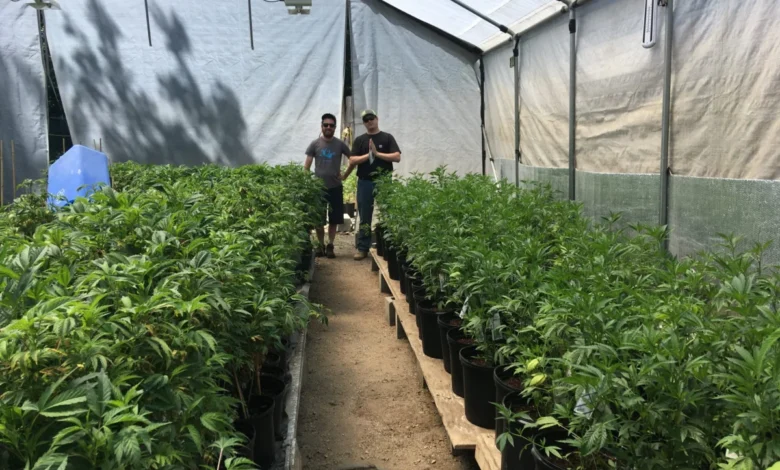
The landscape of North American tourism is undergoing a seismic shift as the legalization of recreational cannabis moves from a fringe social experiment to a multi-billion-dollar economic engine. For decades, regions like Northern California’s Humboldt County were known for their rugged wilderness and illicit exports. Today, they are at the forefront of a sophisticated new sector: cannabis tourism. This emerging industry, led by entrepreneurs who transitioned from traditional outdoor recreation to the "green rush," is redefining how travelers engage with local cultures, agriculture, and the hospitality sector at large.
The genesis of this shift is perhaps best illustrated by the career trajectory of Matt Kurth, the founder of Humboldt Cannabis Tours. After spending a decade as a whitewater river guide, Kurth reached a professional impasse. Recognizing that the skills required to navigate rapids and entertain guests were transferable, he looked toward the horizon of legislative change. In 2015, sensing that full legalization was inevitable in California, Kurth launched one of the region’s first dedicated cannabis tour companies. His mission was simple yet revolutionary: to treat cannabis production with the same reverence and transparency as the wine industry of Napa Valley.
The Economic Trajectory of the Green Rush
The financial implications of this transition are staggering. According to data from the Marijuana Business Factbook, the economic impact of legal cannabis was projected to jump by 223% between 2017 and 2022. This growth is not merely a result of product sales but is heavily bolstered by ancillary services, particularly tourism. In established markets like Colorado, which legalized recreational use in 2012, cannabis-related tourism has risen by more than 50% since 2014. By 2016, the state’s Department of Revenue estimated that Colorado welcomed roughly 6.5 million cannabis-influenced tourists—a figure that was achieved despite the state’s official tourism department refusing to market the industry due to federal prohibitions.
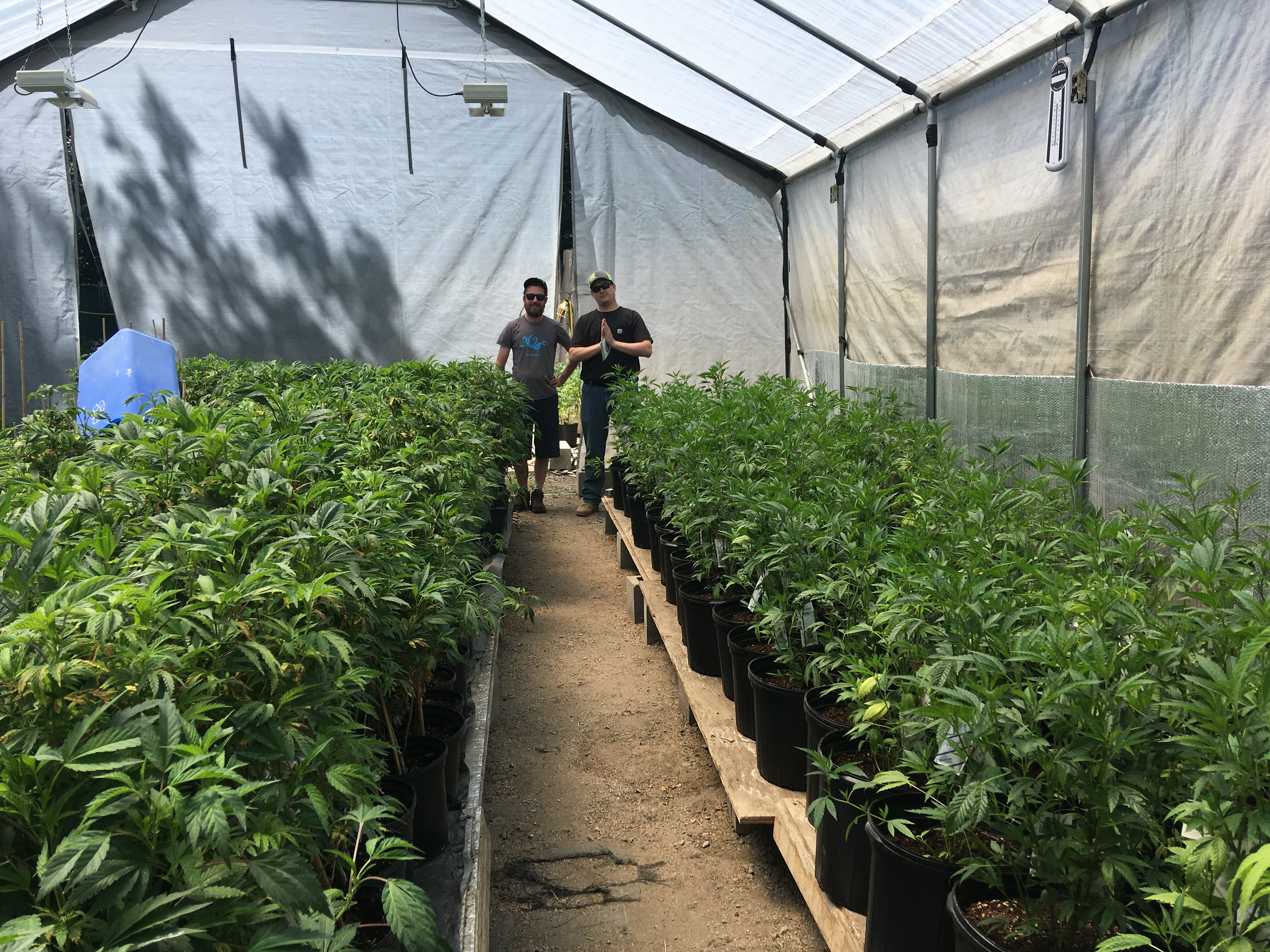
The economic "multiplier effect" is a critical component of this growth. Kurth notes that for every dollar spent directly on a cannabis tour in Humboldt County, an additional seven dollars are funneled into the local community through hotels, restaurants, and retail. This creates a sustainable economic ecosystem that replaces declining legacy industries like logging and commercial fishing. In Northern California, where timber was once king, the "Emerald Triangle"—comprising Humboldt, Mendocino, and Trinity counties—is now pivoting toward a tourism model that leverages its reputation as the world’s premier cannabis-growing region.
A Chronology of Legalization and Market Expansion
The rapid maturation of cannabis tourism can be traced through a series of landmark legislative and judicial decisions across North America:
- November 2012: Colorado and Washington become the first U.S. states to legalize recreational cannabis, setting the stage for the first wave of "pot tourism."
- 2015: Entrepreneurs like Matt Kurth begin navigating the complex local licensing requirements to establish formal tour operations ahead of California’s full legalization.
- October 2018: Canada becomes the second country in the world, and the first G7 nation, to legalize cannabis for recreational use nationwide. This opens the door for companies like Canada High Tours to operate across provincial lines.
- Late 2018: Mexico’s Supreme Court rules that the prohibition of recreational marijuana is unconstitutional, signaling a future legal market in the southern reaches of the continent.
- Present Day: Recreational cannabis is legal in numerous U.S. states and the District of Columbia, with federal legalization increasingly viewed by industry experts as an inevitability.
Gene Grozovsky, a manager of Los Angeles-based Green Tours, draws a historical parallel to the end of alcohol prohibition. He points out that in 1934, when 37 states had already established their own alcohol laws, the federal government was forced to act. With over 33 states having some form of legal cannabis (medicinal or recreational) and more joining annually, the pressure for federal reform in the United States continues to mount.
Navigating Regulatory Hurdles and Social Stigma
Despite the economic promise, the road to establishing a cannabis tour company is fraught with bureaucratic and social challenges. Stacie Johnson, co-owner of the Oregon-based Blazing Trails, emphasizes that the "reefer madness" stigma remains a significant barrier. Her company focuses heavily on education, informing guests about consumer safety, the history of the plant, and the science of cultivation to dispel long-held myths.
Regulatory landscapes are equally challenging. In Canada, Matt Cronin of Canada High Tours must navigate a patchwork of provincial laws that vary significantly regarding where cannabis can be consumed. To maintain a consistent guest experience, Cronin’s team targets jurisdictions where outdoor consumption laws are aligned with tobacco smoking regulations, avoiding the complications of indoor lounges which are often subject to restrictive municipal codes.
In Humboldt County, Kurth spent over two years lobbying a skeptical local government for a business license. Initially, officials were unsure how to categorize a business that didn’t sell cannabis but rather facilitated visits to farms. Paradoxically, three months after Kurth finally secured his hard-won license, the county informed him that such a license was no longer required, illustrating the volatile and often confusing nature of emerging cannabis regulations.
Sustainability and the Education-First Model
A common misconception of cannabis tourism is that it caters primarily to "stoners" looking for a place to get high. In reality, the demographic is much broader and more sophisticated. Green Tours in Los Angeles reports a clientele consisting largely of well-educated professionals aged 30 to 75, including doctors and lawyers. These travelers are less interested in intoxication and more interested in the cultural, botanical, and industrial aspects of the plant.
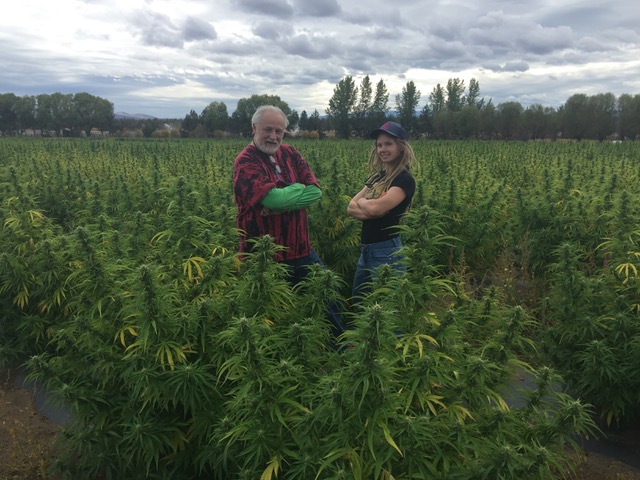
This shift toward an educational model has allowed for a focus on environmental sustainability. Kurth is a vocal advocate for "sungrown" cannabis, arguing that the carbon footprint of indoor growing—which requires massive amounts of electricity for lighting and climate control—is detrimental to the planet. By taking guests to over-the-top environmentally sustainable farms that eschew chemicals, plastic, and excessive water use, Kurth aims to change the consumer’s perspective on quality.
"It takes so much energy to grow weed indoors, and it doesn’t even turn out that good," Kurth asserts. His tours emphasize the terroir of Humboldt County, much like a sommelier would discuss the soil and climate of a specific vineyard. This approach not only promotes a better product but also protects the natural beauty that drew tourists to the region in the first place.
Hospitality and Innovation: The 420-Friendly Experience
The hospitality industry is also innovating to accommodate the cannabis traveler. In Portland, Oregon, the Jupiter Hotel has seen massive success with its "420 Package." This offering includes an "Everything But the Weed" kit, featuring a vape pen, a grinder, and discount coupons to local dispensaries. According to community manager Katie Watkins, it has become the hotel’s best-selling package.
Because Oregon law prohibits smoking in public and inside tour vehicles, such hotel packages provide a necessary "home base" for travelers. This collaborative effort between hotels, dispensaries, and tour operators creates a seamless experience for the "cannabis-curious" visitor who might be coming from a state or country where the plant remains strictly illegal.
Broader Implications and the Future of the Industry
The success of these ventures has slowly turned the tide of public and official opinion. While Kurth initially faced a hostile local visitors bureau, the organization has since performed a "180-degree turn," now actively seeking to promote cannabis tourism as a cornerstone of the regional brand. The establishment of the Humboldt County Cannabis Chamber of Commerce further signals the professionalization of the industry.
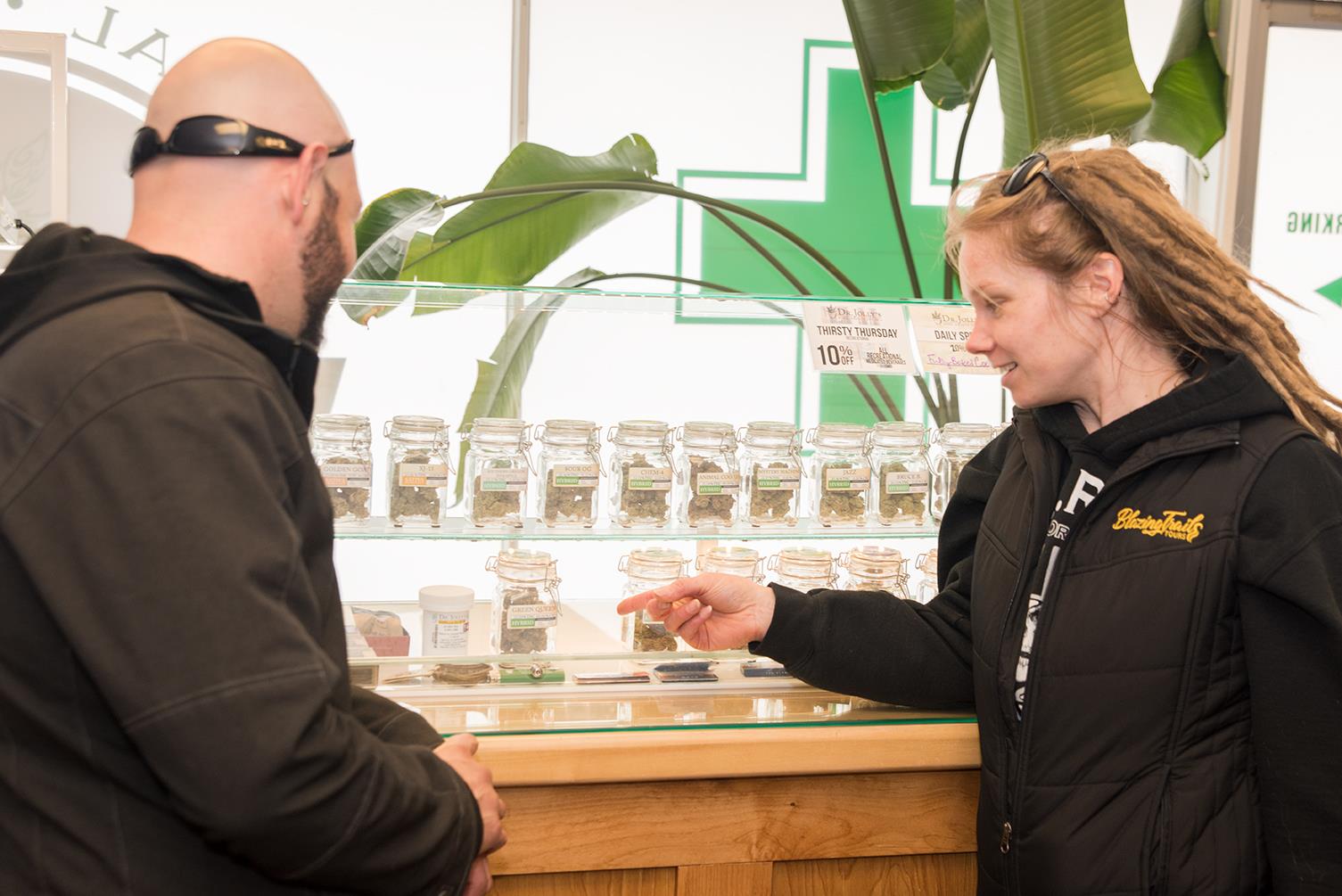
As the market matures, the diversity of the clientele continues to grow. Blazing Trails in Oregon has hosted tourists from nearly every U.S. state and countries as far-flung as Singapore, Germany, and the United Kingdom. This international interest suggests that as more nations move toward legalization, the United States and Canada could become global hubs for cannabis "pilgrimages."
The trajectory of cannabis tourism suggests that it is more than a passing trend; it is a fundamental restructuring of regional economies. By moving away from extractive industries like logging and toward experiential, educational, and sustainable tourism, regions like Humboldt County are securing their financial future. As federal laws eventually catch up with state-level realities, the infrastructure currently being built by these pioneering entrepreneurs will likely serve as the blueprint for a global industry. The "high times" for cannabis tourism are not just about the product itself, but about the enduring power of travel to educate, sustain, and revitalize communities.