Navigating the Aftermath: How Nepal Balances Disaster Recovery with Its Vital Tourism Economy

The devastating natural disasters that struck Nepal and Tibet in late August have left an indelible mark on the region, claiming at least 1,386 lives and leaving thousands more missing. As rescue operations transition into long-term recovery and the restoration of essential public services, the Himalayan nation faces an intricate, high-stakes dilemma: managing the fragile balance between encouraging international visitors to return and ensuring that local communities and infrastructure are fully prepared to receive them. With tourism acting as a foundational pillar of the national economy, the decisions made in the coming months will determine whether the disaster’s economic footprint remains localized or expands into a nationwide crisis.
A Chronology of Catastrophe and Immediate Response
The crisis began in late August when catastrophic monsoon-induced floods and landslides tore through parts of Nepal and neighboring Tibet, destroying homes, washing away bridges, and cutting off remote settlements. The immediate aftermath required a massive mobilization of emergency services, military personnel, and international humanitarian aid to rescue stranded individuals, provide clean water and medical supplies, and clear blocked arterial roads.
While search and rescue operations dominated the initial weeks, government officials and tourism boards quickly recognized a secondary threat: the potential collapse of the seasonal tourism influx. Within days of the disaster, the Nepalese government and industry stakeholders launched coordinated public appeals—amplified on social media via campaigns such as #NepalCalling and #VisitNepal—urging international travelers not to cancel their upcoming itineraries. Officials emphasized that vast portions of the country, including major trekking hubs and cultural centers, remained open and safe for tourism, and that a blanket cancellation by the global travel community would severely punish communities far removed from the flood zones.
Economic Dependence and the Vulnerability of 1 in 7 Jobs
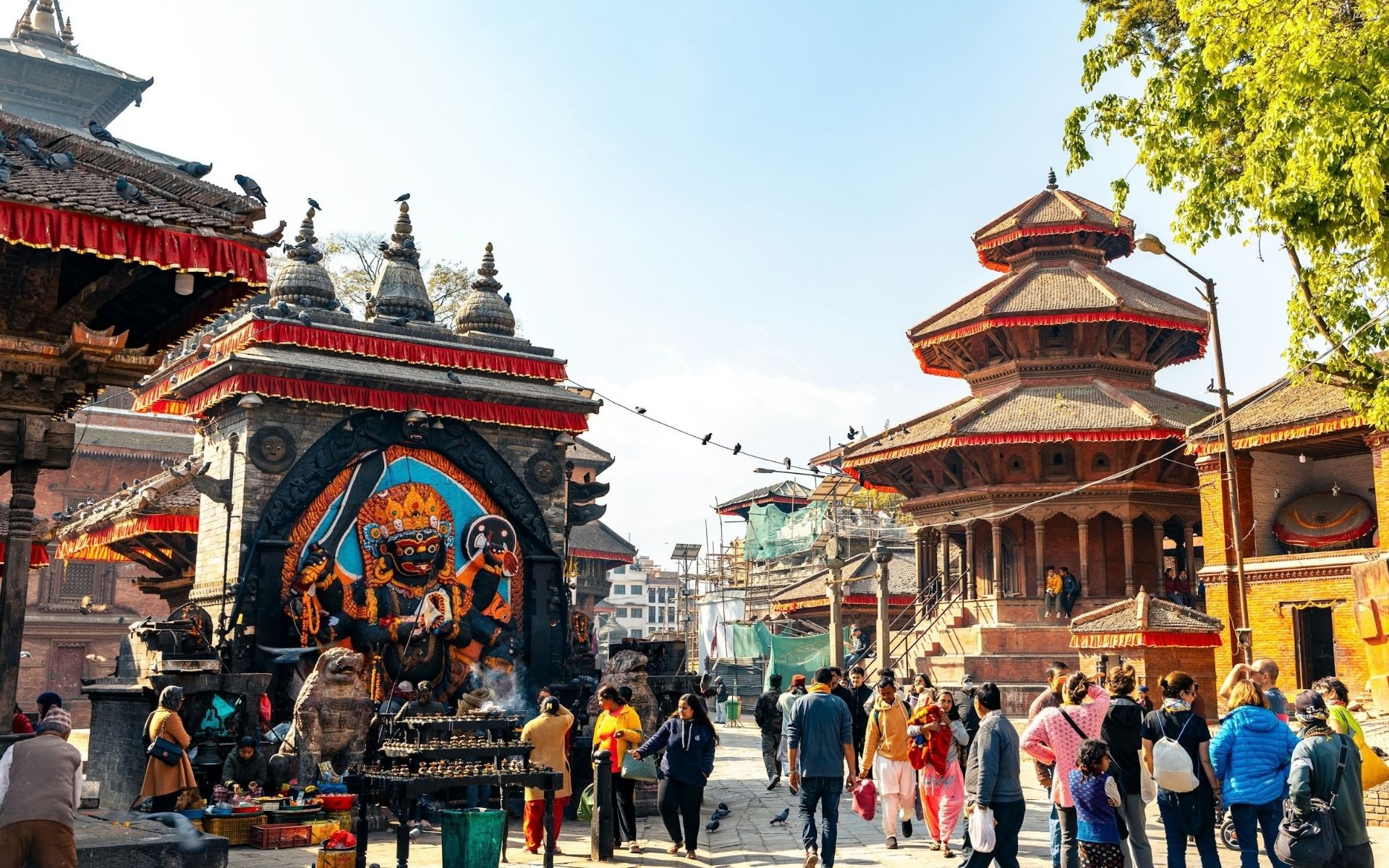
Nepal’s reliance on international travel is deeply entrenched in its macroeconomic framework. Prior to the disruptions, the nation experienced a robust rebound in its visitor economy, welcoming approximately 1.16 million foreign tourists last year—its highest volume since the onset of the COVID-19 pandemic.
According to labor and economic impact data, the tourism sector directly and indirectly supports roughly 15 percent of Nepal’s total employment, translating to nearly one in every seven jobs. This vast ecosystem spans international hotel chains, local teahouses, mountain guides, porters, transport providers, and independent artisans in remote mountain valleys. Furthermore, the industry accounts for approximately six to eight percent of the nation’s gross domestic product (GDP).
Economic analysts warn that a protracted slump in visitor numbers could trigger a secondary economic crisis. When tourists abandon an entire country in the wake of a localized disaster, communities that rely entirely on seasonal visitor spending are left without a livelihood, magnifying the overall hardship of the catastrophe.
The "Perception Footprint" and Lessons from Past Disasters
A major challenge for tourism-dependent nations during a crisis is managing what disaster management experts term the "perception footprint." Travelers often respond not to objective, localized risk assessments, but to generalized media narratives. For prospective visitors thousands of miles away, headlines reporting a "disaster in Nepal" frequently warp into the erroneous assumption that the entire country has been rendered unsafe or uninhabitable.
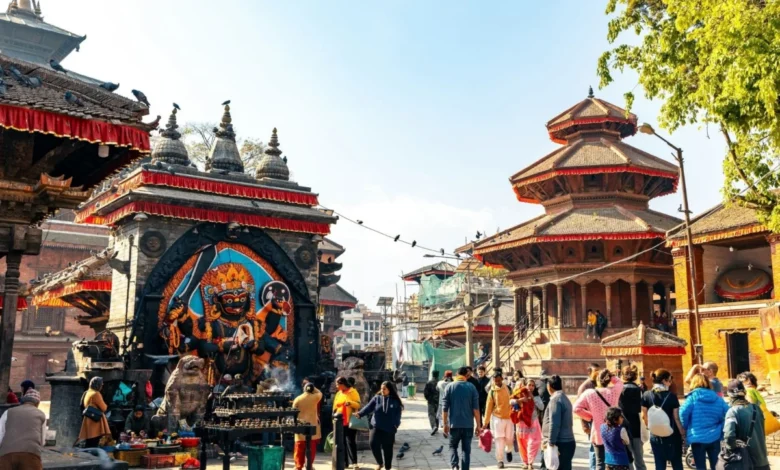
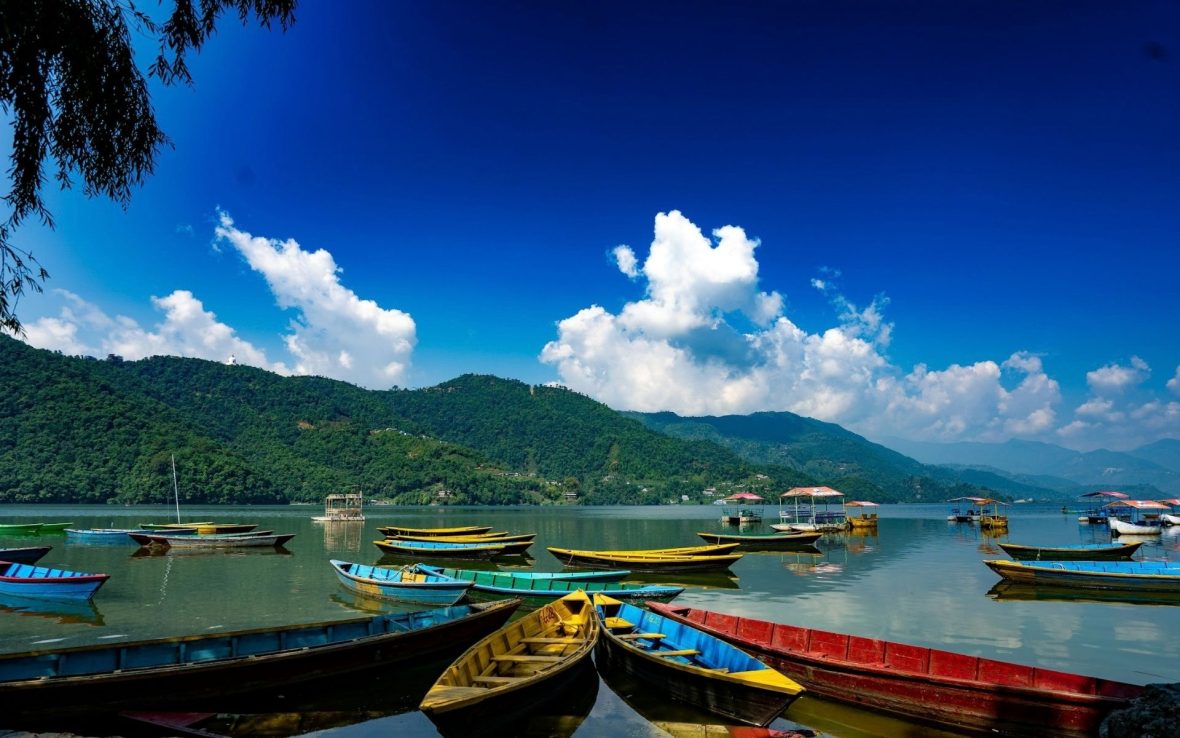
This phenomenon is not new to Nepal. Following the devastating Gorkha earthquakes in 2015, which claimed over 8,800 lives, international visitor arrivals plummeted by 32 percent compared to the previous year. Crucially, this drop occurred despite major tourism destinations such as Pokhara in the Himalayas and the lowland wildlife sanctuary of Chitwan escaping major structural damage. Widespread media imagery of collapsed historic temples and flattened urban neighborhoods created a powerful, nationwide stigma of devastation.

However, Nepal’s subsequent recovery offers a blueprint for resilience. Through targeted global marketing, international media partnerships, and the strategic leveraging of user-generated social media content from travelers already on the ground, the country successfully demonstrated that large portions of its tourism infrastructure remained intact. Visitor numbers steadily rebounded, culminating in a then-record 940,000 arrivals by 2017.
Insights from Global Disaster Research
Academic research into post-disaster tourism dynamics highlights the delicate timing required for a successful revival. Studies examining large-scale natural events—such as the 2011 Queensland floods in Australia, which impacted an area comparable to the combined sizes of France and Germany—reveal that potential travelers often experience profound uncertainty regarding whether their presence will hinder relief efforts or aid economic recovery.
Research co-authored by tourism risk experts indicates that accelerating recovery by encouraging immediate travel works best when targeted toward specific demographics. Repeat visitors—those who have traveled to the destination multiple times in the past—exhibit a significantly higher propensity to return during early recovery phases than first-time visitors, largely due to their familiarity with local conditions and established personal networks with residents and business owners. Similarly, individuals visiting friends and relatives (VFR travelers) represent a primary vanguard of returning tourists.
Despite the eagerness to revive the economy, experts caution against premature normalization. Reopening destinations before basic utilities, transport links, and medical infrastructure are restored can place undue strain on local resources and expose travelers to avoidable risks.
Strategic Reopening and Clear Communication
As Nepal navigates this critical phase, tourism authorities emphasize that the path forward relies heavily on transparency, accurate data, and credible communication channels. Rebuilding traveler confidence requires precise, localized updates rather than broad, sweeping reassurances.
Prospective travelers are advised to consult official government advisory bodies—such as Australia’s Smartraveller, New Zealand’s Safetravel, and the United States Department of State travel advisories—alongside official Nepalese tourism portals for real-time assessments of specific trekking routes and regional accessibility.
Ultimately, the challenge facing Nepal is twofold: determining precisely when specific regions are operationally ready to welcome outsiders, and framing tourism not as an obstacle to recovery, but as an essential vehicle to sustain its people through adversity. By maintaining open lines of communication and targeting experienced travelers who understand local contexts, Nepal aims to chart a steady course toward economic restoration without compromising the safety of its citizens or its guests.