Ukrainian climber Mykyta Balabanov completes daring solo ascent of new route on Phari Lapcha in Nepal

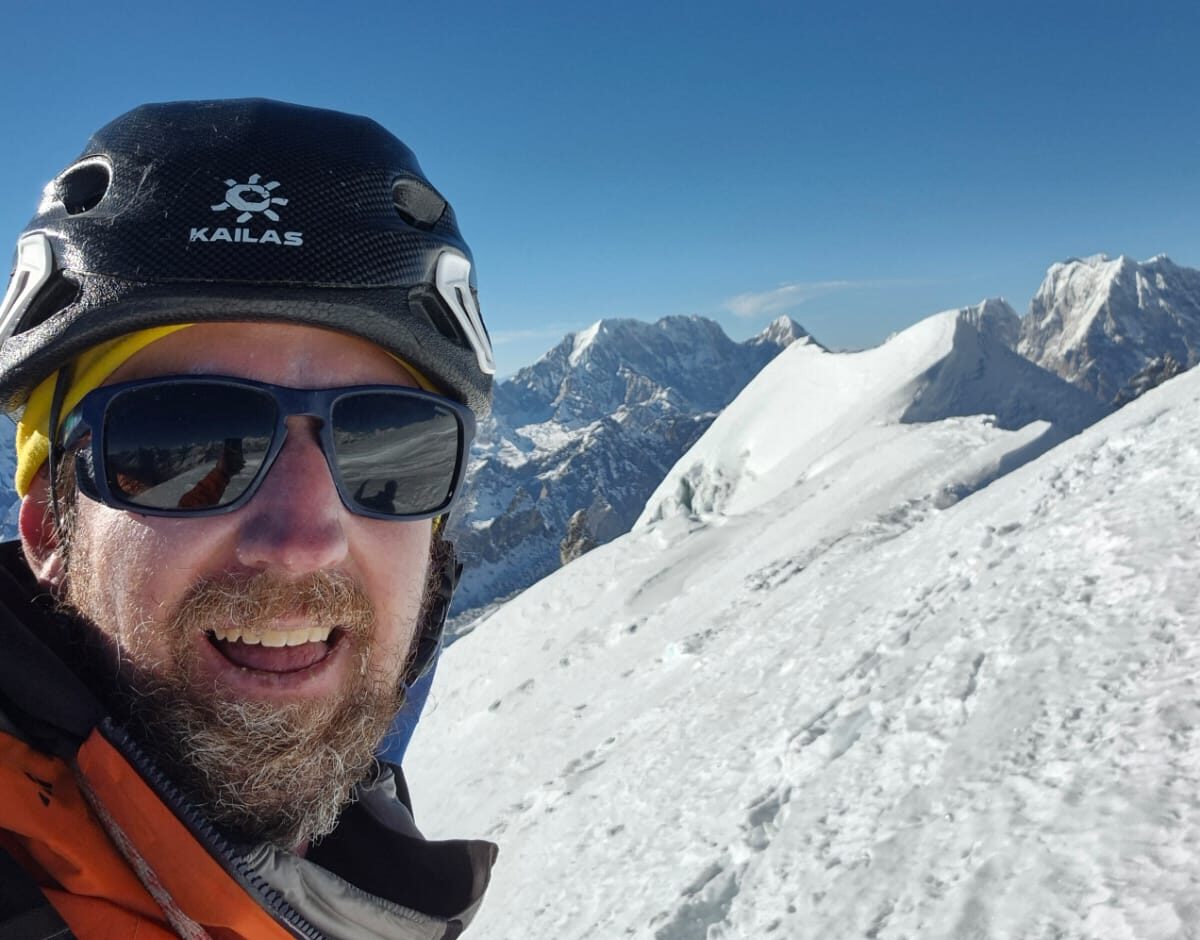
In a remarkable display of high-altitude mountaineering prowess, Ukrainian climber Mykyta Balabanov has successfully established a challenging new route on the northeast face of Phari Lapcha, a 6,017-meter peak located in the Gokyo Valley of the Khumbu region of Nepal. Often referred to by its alternate name, Machhermo Peak, this mountain lies approximately 24 kilometers west of Mount Everest, serving as a prominent landmark in one of the most rugged and glaciated sections of the Himalayas. Balabanov’s feat, achieved entirely in a solo capacity, adds a significant technical accomplishment to his already distinguished career, further cementing his reputation as one of the most formidable alpinists of his generation.
The Chronology of the Expedition
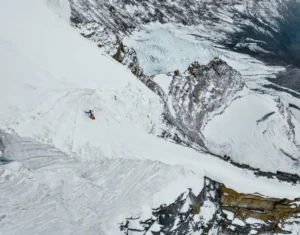
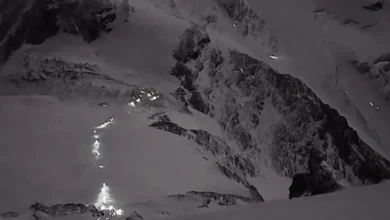
The expedition, which culminated in mid-November, was characterized by meticulous planning and an aggressive, lightweight approach. Balabanov commenced his solo ascent on the unclimbed line of the northeast face on November 19. Faced with the inherent psychological and physical burdens of climbing alone at high altitude, he maintained a steady pace despite the technical volatility of the terrain.
Over the course of the ascent, Balabanov spent two nights in bivouacs on the mountain face, navigating the intricate nuances of the northeast aspect. Upon reaching the summit, he was required to manage a complex descent, which necessitated an additional night on the mountain. As he currently completes the trek back toward Lukla, initial reports from the field confirm that the endeavor was completed without the support of a climbing partner or a fixed-line team, underscoring the autonomy required for such an undertaking.
Technical Specifications of the Route
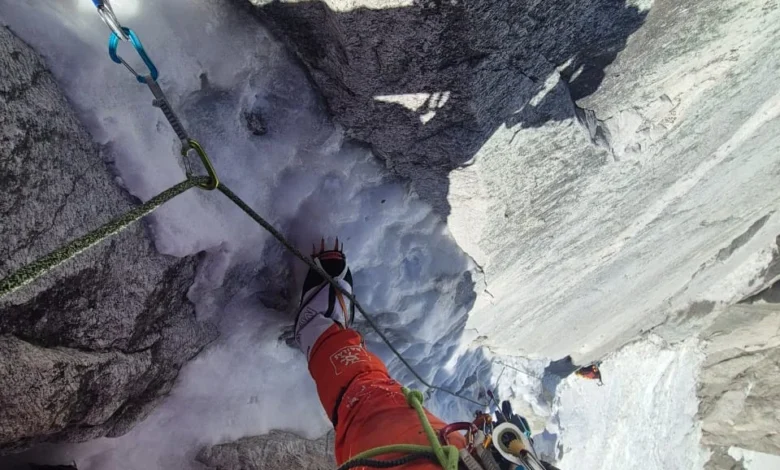
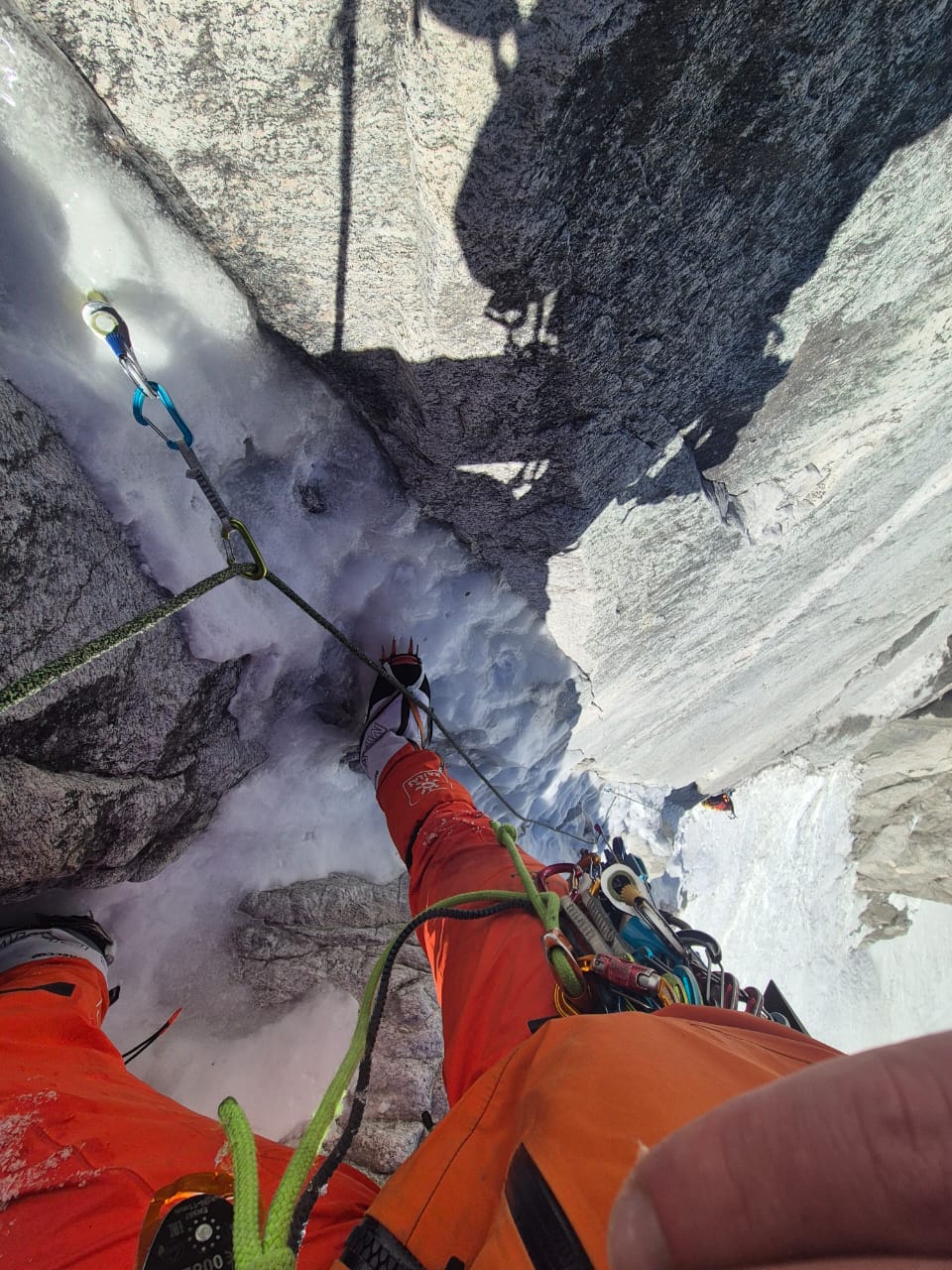
The northeast face of Phari Lapcha presents a formidable challenge, characterized by a mix of steep ice, technical rock, and unpredictable snow conditions. According to the data provided by Balabanov, the new route spans approximately 1,200 meters in total length, covering a vertical gain of 850 meters from the base to the 6,017-meter summit.
Assessing the difficulty of a solo ascent remains inherently subjective, as the climber lacks the redundancy of a partner to assist with rope management, belaying, and load sharing. However, Balabanov has characterized the technical grade as including sections of 80-degree ice, M5+ mixed climbing, and sustained 5c rock climbing. Perhaps most daunting was the poor quality of the snow, which forced the climber to navigate with extreme caution to avoid triggering localized slab releases or losing footing on unstable surfaces.
Concurrent Activity in the Gokyo Valley
While Balabanov was making his mark on the northeast face, another significant ascent was occurring on the southern aspect of Phari Lapcha. Just one day prior to Balabanov’s final push, U.S. guide Bennie Lieber and Canadian climber Emma Deguara reached the summit via the Stone(d) Yeti route on the south face.
The coincidence of these two ascents highlights the increased interest in the technical challenges posed by Phari Lapcha. Balabanov noted that he was entirely independent of the Lieber-Deguara team, having approached the mountain from a different valley. His awareness of their presence was only confirmed upon finding their tracks near the summit and identifying their bivouac site at the base of the south face. Regarding their successful ascent, Lieber observed that while the technical grade of Stone(d) Yeti—rated at M3 and AI2+—is relatively accessible for experienced alpinists, the consequences of a mistake are severe due to the extreme exposure and objective hazards of the south face.
Balabanov’s Alpinist Legacy
Mykyta Balabanov is no stranger to high-stakes climbing in the Himalayas. His career has been marked by a series of audacious, lightweight, and often groundbreaking ascents. In 2024, he and fellow Ukrainian climber Mikhail Fomin gained international attention for opening a new route on the iconic peak of Ama Dablam.
However, their most significant achievement remains the 2021 ascent of the Southeast Ridge of Annapurna III. That expedition, which involved a grueling, weeks-long effort on a route that had frustrated world-class climbers for decades, was widely lauded for its patience and tactical precision. Balabanov’s current success on Phari Lapcha reflects this same commitment to alpine-style tactics, where the climber relies on speed, minimal gear, and deep technical knowledge to overcome formidable barriers.
Implications for Himalayan Mountaineering
The ascent of Phari Lapcha serves as a microcosm for the evolution of Himalayan mountaineering. While the Everest and Lhotse massifs remain the primary focus of high-altitude tourism, a growing cohort of elite alpinists is increasingly shifting their focus toward smaller, more technical "six-thousanders." These peaks, which are often overlooked in favor of the 8,000-meter giants, provide a blank canvas for explorers to test their limits against difficult rock and ice, away from the crowds and infrastructure of the standard commercial routes.
The trend toward solo and small-team alpine-style climbing carries inherent risks, but it also represents the purest form of the sport. By removing fixed ropes and large logistical support teams, climbers like Balabanov are able to engage with the mountain in a more visceral way. The successful completion of this route also highlights the potential for future development in the Gokyo Valley, an area that offers immense possibilities for technical mountaineering that remains largely under-explored.
Scientific and Safety Considerations
From a meteorological and safety perspective, November is considered one of the prime windows for climbing in the Khumbu region. However, the "post-monsoon" season can be deceptive. Climbers frequently encounter volatile weather patterns, including high winds and sudden temperature drops, which can turn moderate-grade rock and ice into treacherous terrain.
Balabanov’s reliance on his own judgment regarding snow stability—specifically his mention of "poor snow"—is a critical detail for future expeditions in the area. Himalayan snowpacks, particularly on northeast-facing aspects that receive limited direct sunlight, can remain unconsolidated and dangerous for long periods. The successful navigation of such conditions requires an expert understanding of mountain safety, a hallmark of Balabanov’s professional history.
Conclusion and Future Outlook
As Mykyta Balabanov returns to civilization, the mountaineering community is already looking toward his next potential project. His solo ascent of Phari Lapcha will undoubtedly be cataloged as a significant development in the record of Himalayan climbs. For now, the successful summit serves as a testament to the endurance and technical skill of the Ukrainian climbing community, which continues to produce world-class athletes despite the severe challenges facing their nation.
The documentation of this new route, including the rough topo and imagery provided by Balabanov, will provide valuable information for future climbers seeking to emulate or repeat his path. As the sport of mountaineering continues to evolve, the focus on technical, high-consequence, and lightweight ascents remains the gold standard for those looking to redefine what is possible in the world’s highest ranges. Whether this route will see repeat attempts remains to be seen, but for the moment, it stands as a testament to the solitude and focus required to conquer the northeast face of Phari Lapcha.