Garlicky Shrimp Couscous Bowl: A Deep Dive into the Evolving Landscape of Meal Delivery Services

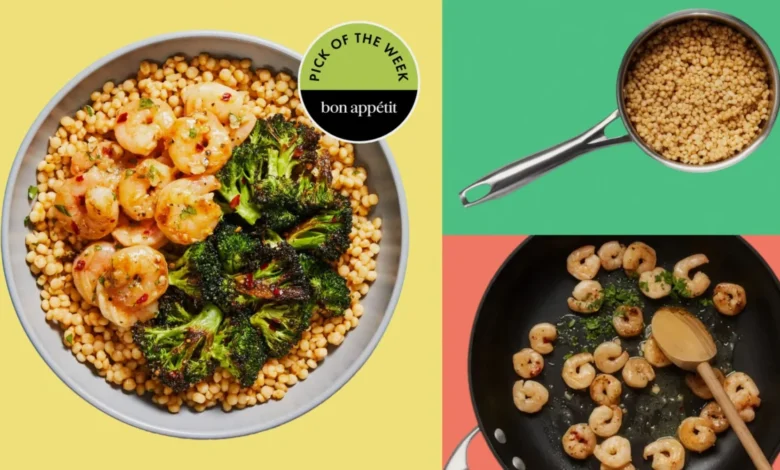
The landscape of modern home cooking has undergone a seismic shift over the past decade, moving from traditional grocery store reliance to the rapid adoption of direct-to-consumer meal delivery services. At the forefront of this culinary evolution is HelloFresh, a brand that has consistently sought to bridge the gap between convenience and gourmet quality. As editorial teams—including those at Bon Appétit—continue to rigorously test and re-test the myriad options available in this saturated market, the focus has increasingly shifted toward specific, high-performance recipes that meet the demands of health-conscious, time-poor professionals. Among the standout offerings in this category is the Garlicky Shrimp Couscous Bowl, a dish that exemplifies the current industry trend toward nutrient-dense, rapid-preparation meals.
The Evolution of the Meal Kit Industry
To understand the popularity of dishes like the Garlicky Shrimp Couscous Bowl, one must first examine the broader context of the meal kit industry. Since its inception, the meal kit sector has faced significant pressure to innovate. Industry data indicates that the global meal kit delivery services market was valued at approximately $15 billion in 2022 and is projected to continue its upward trajectory, with a compound annual growth rate (CAGR) often cited in the double digits.
The industry’s growth is fueled by changing consumer demographics. Millennials and Gen Z professionals, who often balance demanding work schedules with a desire for high-quality, home-cooked nutrition, have become the primary consumer base. The transition from restaurant-reliant dining to in-home preparation has been accelerated by improvements in supply chain logistics, allowing for fresher ingredients to arrive at the doorstep with minimal carbon footprints compared to traditional grocery supply chains.
A Chronology of Culinary Integration
The integration of professional-grade recipes into the home kitchen did not happen overnight. In the early 2010s, meal kits were often viewed as a novelty, frequently criticized for excessive packaging and inconsistent ingredient quality. However, the period between 2018 and 2024 saw a marked pivot toward culinary excellence. Companies began hiring professional chefs to curate menus, moving away from simple "heat-and-eat" models toward interactive cooking experiences that teach fundamental techniques.
The partnership between major culinary publications and meal delivery platforms represents the latest stage of this evolution. By curating "BA Picks," editors are effectively applying journalistic rigor to the home-cooking experience. This process involves multiple rounds of testing, focusing on prep-and-cook times, flavor profiles, and the accessibility of instructions for the average home cook. The Garlicky Shrimp Couscous Bowl is a direct result of this analytical approach, selected for its ability to provide 26 grams of protein in under 30 minutes.
Deconstructing the Garlicky Shrimp Couscous Bowl
The appeal of the Garlicky Shrimp Couscous Bowl lies in its balance of macronutrients and its efficiency in the kitchen. From a nutritional perspective, the dish provides a robust protein source through shrimp, which is inherently lower in fat than many red meat alternatives, while utilizing couscous—a semolina-based pasta—to provide energy-dense carbohydrates.
The recipe’s composition addresses common pain points in home cooking:

- Time Management: The 25-minute turnaround time is achieved through the concurrent execution of tasks. By roasting broccoli while boiling water for the couscous and sautéing the shrimp, the recipe minimizes "dead time," a common criticism of less optimized meal kits.
- Ingredient Quality: The inclusion of pre-cleaned and deveined shrimp eliminates the most labor-intensive aspect of working with shellfish. Furthermore, the inclusion of vegetable stock as a flavor base for the couscous demonstrates an attention to detail that elevates the final dish above standard home-cooked fare.
- Flavor Architecture: The use of garlic—both fresh and powdered—combined with lemon and parsley creates a bright, acidic profile that mimics the flavor complexity found in high-end, Mediterranean-inspired bistros.
Industry Implications and Consumer Impact
The rise of specialized meal kits has broader implications for both the food industry and the public health landscape. As companies like HelloFresh refine their menus to include more cruciferous vegetables (like the broccoli featured in this bowl) and lean proteins, they are indirectly influencing the dietary habits of their subscribers.
From an economic standpoint, the "meal kit as a service" model has forced traditional grocery retailers to rethink their own offerings. Many supermarkets have begun introducing their own "meal solution" aisles, attempting to replicate the pre-portioned convenience that made services like HelloFresh successful. However, the data suggests that the subscription model, which includes added value like digital magazine subscriptions or exclusive content access, creates a stickier consumer relationship that traditional retail has struggled to match.
Official Perspectives and Market Analysis
While HelloFresh and other providers maintain that their primary goal is convenience, there is an underlying mission to democratize professional culinary skills. A spokesperson for the brand noted in recent trade publications that the focus remains on "reducing the barrier to entry" for home cooking. By providing pre-measured ingredients, the brand effectively removes the "fear of failure" that prevents many individuals from attempting to cook complex, healthy meals from scratch.
Analysts observing the sector point out that the next frontier for these companies is sustainability. The shift toward biodegradable packaging and local sourcing is no longer just a marketing strategy but a prerequisite for market entry. As consumers become more environmentally conscious, the ability of a meal kit company to minimize waste—both in terms of food scraps and packaging—will likely determine its long-term viability.
Future Trends: What’s Next for Home Dining?
The success of the Garlicky Shrimp Couscous Bowl suggests that consumers are moving away from overly complicated, gourmet-focused meals and toward "functional food." This is defined as meals that provide specific health benefits, require minimal cleanup, and offer consistent, reliable flavor.
As we look toward the next five years, the industry is expected to integrate more personalization technology. AI-driven platforms will likely analyze a user’s health data—such as activity levels tracked through wearables—to suggest recipes that meet their specific nutritional requirements for the day. For instance, a user who completed a high-intensity workout might be prompted with the Garlicky Shrimp Couscous Bowl due to its high protein content, while someone seeking a lower-calorie option might be directed to a different, pre-optimized selection.
Conclusion: The Synthesis of Convenience and Quality
The Garlicky Shrimp Couscous Bowl is more than just a convenient dinner option; it is a symptom of a broader shift in how society consumes food. The marriage of professional culinary curation with efficient, subscription-based logistics has created a system that supports a healthier, more consistent approach to home dining.
For the modern professional, the ability to outsource the planning, shopping, and portioning of a meal—while still retaining the tactile, creative experience of cooking—is a significant value proposition. As the industry continues to mature, the focus will undoubtedly remain on refining these processes, ensuring that the intersection of technology and nutrition continues to yield high-quality, accessible, and delicious results. Whether through partnerships with legacy culinary institutions or through the continued refinement of ingredient sourcing, the trajectory of the meal kit industry remains a fascinating case study in how convenience can successfully coexist with quality in the 21st-century kitchen.